



Adjustable Reading Desk
An adjustable reading desk brings mechanical precision to the study, offering tailored angles for books, music, and correspondence.
Adjustable Reading Desk
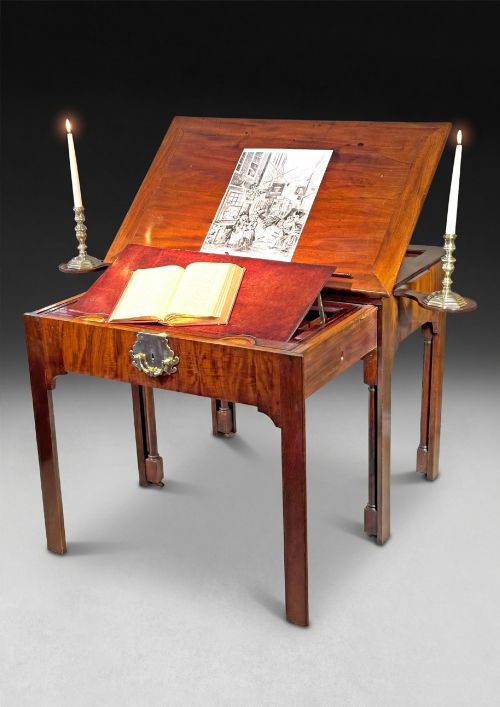
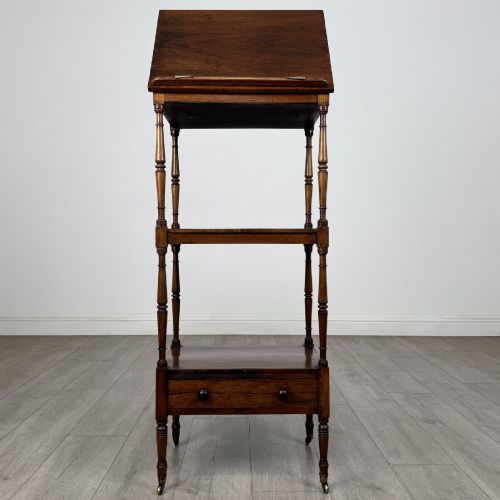
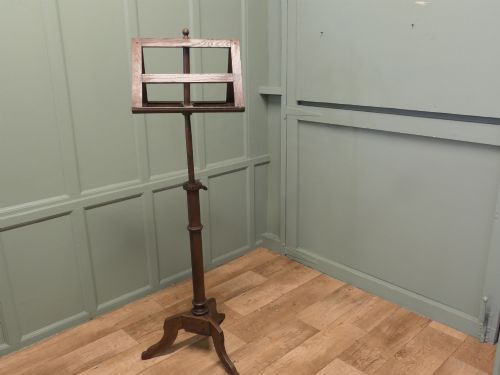
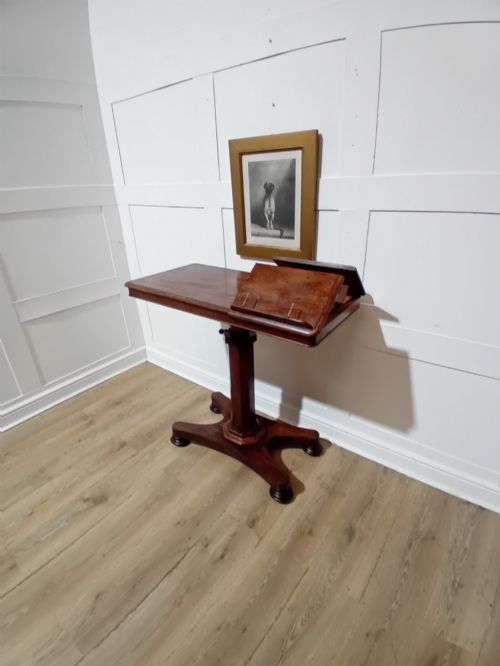
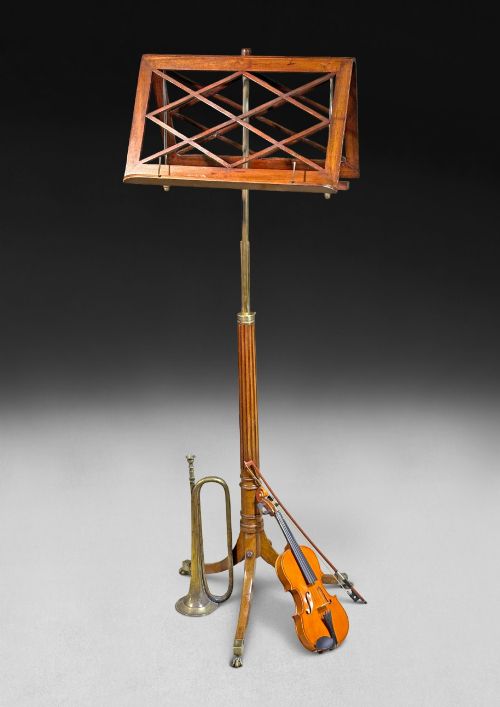
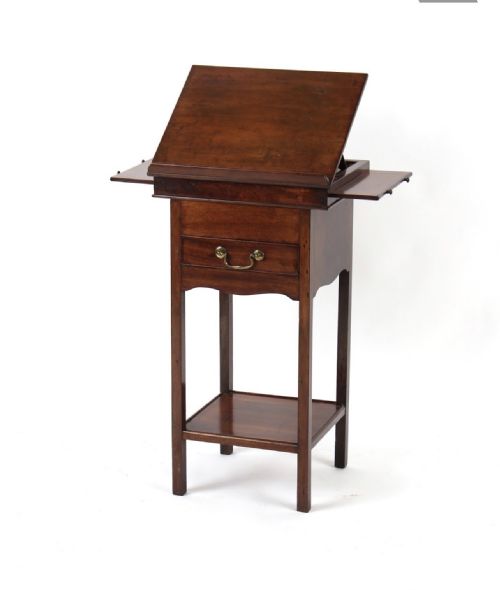
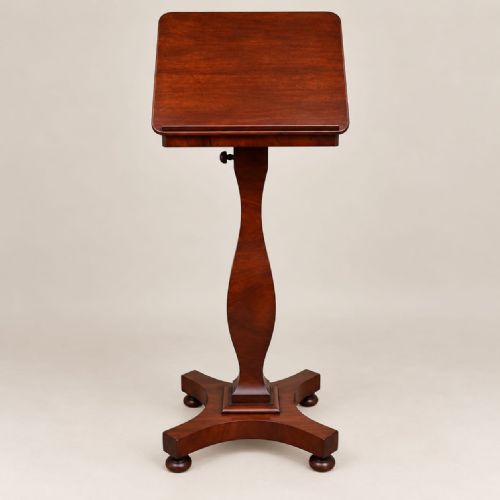
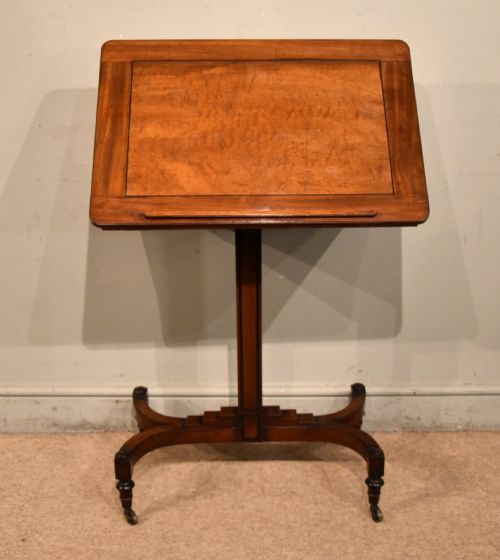
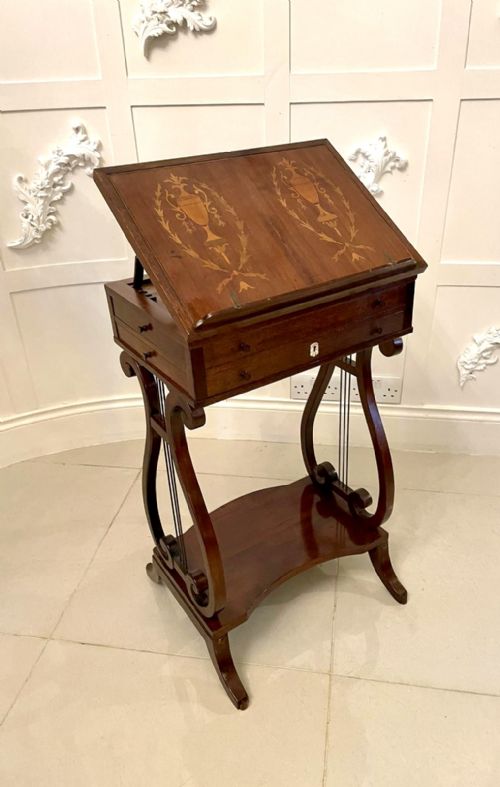
An adjustable reading desk combines a writing surface or book rest with mechanical pivoting, ratcheting, or rising mechanisms. These pieces emerge in forms such as library reading tables, table-top book rests, music stands, and architect's riser desks.
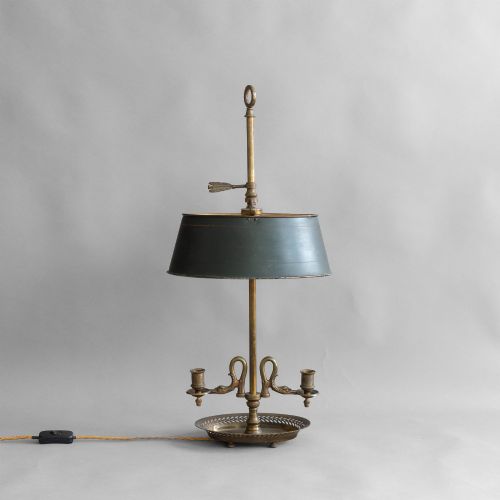
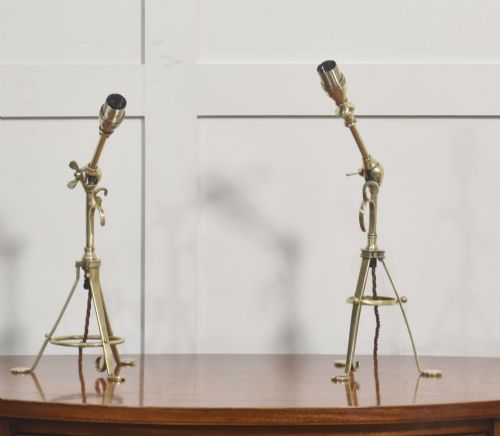
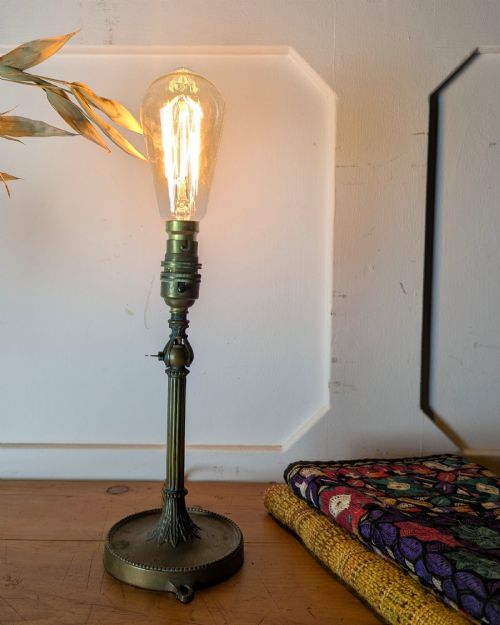
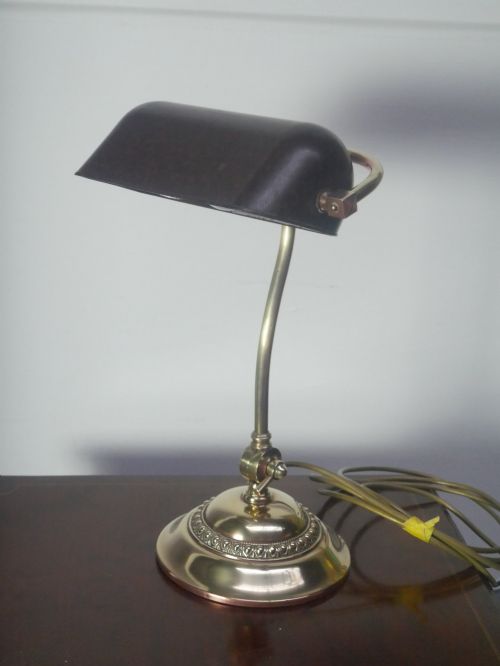
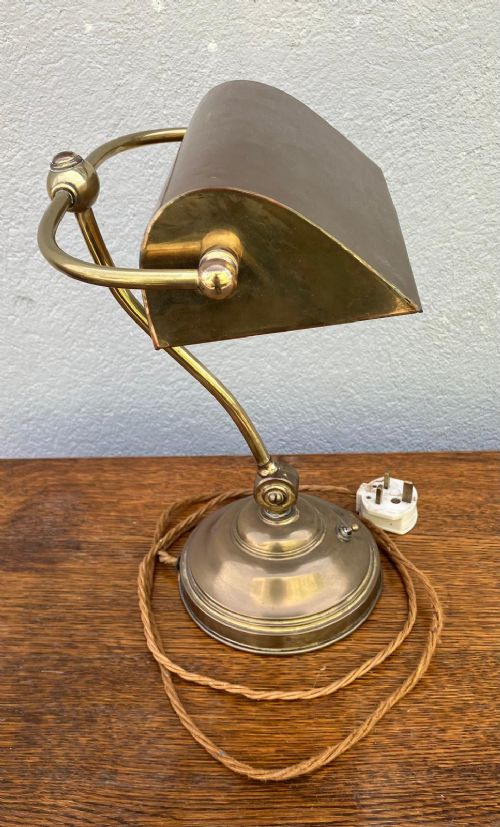
The selection ranges from Regency and William IV mahogany library tables to Edwardian inlaid pieces and industrial brass desk lighting fixtures. Buyers frequently encounter nineteenth-century mahogany reading tables designed for chairside use or desktop placement.
Makers and designers of the period adapted these reading tables for scholars, musicians, and draughtsmen who required variable heights and inclinations. The structural variety spans heavy rosewood and oak stands to lighter brass and steel lighting combinations.
How they were made
Cabinetmakers utilised dense timbers like mahogany, rosewood, and oak for structural stability, often incorporating fine veneers and boxwood stringing. Brass and cast iron components provided the necessary joints, ratchets, and pivoting mechanisms for movement.
Secondary materials such as leather inserts, glass shades, and toleware added functional utility and decorative contrast to the timber and metal frames. Joinery methods relied on traditional dovetailing and turned columns to support heavy ratcheted book rests.
Adjustable Reading Desk Retail Price Guide 2026
Typical asking prices for adjustable reading desk among the pieces listed under this phrase on Sellingantiques today, from the lower quarter to the upper quarter. They describe what is for sale here now, not the wider market.
Some reading stands include built-in brass candle arms so scholars could read long after the daylight faded.
What varies in quality
The sophistication of the mechanical adjustment mechanism dictates the upper echelon of these pieces, where smooth ratchets, balanced counterweights, and solid brass fittings operate without friction. Lesser examples rely on simplified pins or stiff hinges that lack precise incremental control.
Timber selection and secondary framing integrity separate standard production from superior craftsmanship, evident in the thickness of the mahogany or rosewood and the precision of the inlay. Original components, including retaining ledges and brackets, retain the structural integrity intended by the maker.
W.A.S. Benson·Herbert Terry·Carters Of London·Wild And Wessel
The Adjustable Reading Desk Glossary
- Lectern
- A stand with a sloping top designed to hold a book or manuscript at a readable angle for a standing person.
- Ratcheted support
- A hinged wooden or metal bracket that engages with a notched bar to hold a reading surface at various fixed inclinations.
- Toleware
- Painted or lacquered sheet metal used for lamp shades and decorative containers, frequently finished in green or gilt.
- Occasional table
- A small, versatile table designed for specific subsidiary uses such as reading, sewing, or holding a lamp.
Adjustable Reading Desk: Frequently Asked Questions
How do I adjust the reading angle?
Most pieces utilise an internal wooden ratchet or a brass arm engaging with a notched rack beneath the book rest. Lifting the surface allows the catch to engage at the desired inclination.
Lubricating pivot points with appropriate wax or oil ensures smooth operation without placing undue stress on older brass or timber joints.
Were these used for reading or writing?
Many examples served dual functions, featuring a tilting book rest alongside a stationary writing surface or pull-out ledges for inkwells. Some configurations include folio stands or attached candle arms for evening work.
Library chairs and architectural desks often incorporated similar pivoting mechanisms to accommodate large folios and maps.
How do I care for the leather tops?
Original leather writing inserts require gentle cleaning with a slightly damp cloth followed by specialised leather balms to prevent cracking. Avoid harsh chemical cleaners that strip the historic finish or discolour the surrounding wood.
Protecting the surface from direct sunlight and sustained moisture preserves both the leather and the timber border.
How can I date a reading desk?
Dating relies upon timber choices, construction methods, and the style of the adjustment mechanisms. Regency and William IV pieces typically feature heavier rosewood and turned columns, while Edwardian versions often display delicate inlay.
Patent stamps and maker signatures on metal fittings or brass ratchets provide definitive manufacturing periods.