


Dark Brown Desk
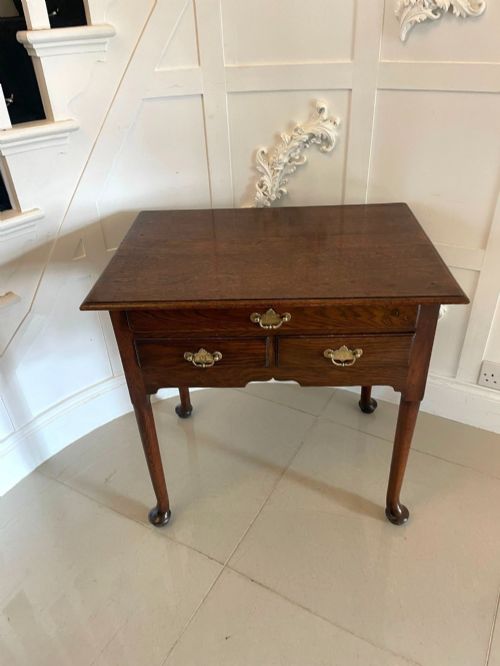
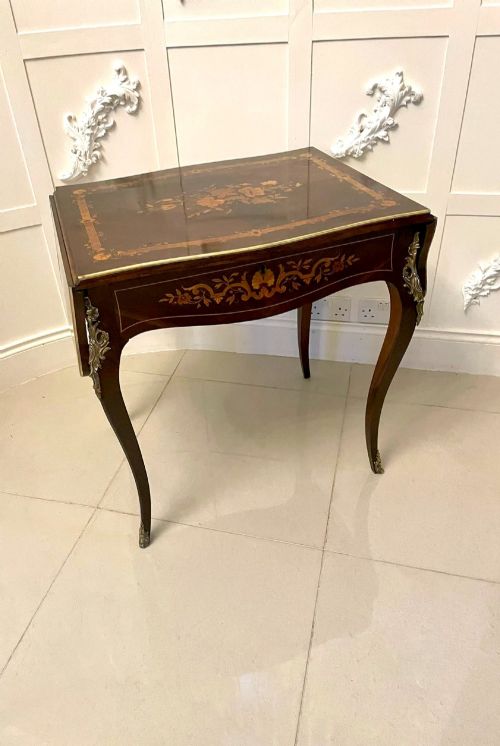
A dark brown desk brings rich timber tones and practical writing space to a room, spanning periods from the seventeenth century onward.

Dark Brown Desk
A dark brown desk encompasses practical writing furniture built across centuries, from compact oak writing boxes and fall-front bureaus to grand kneehole and pedestal desks in rich mahogany and walnut. When searching for a dark brown desk, buyers most frequently encounter pieces fashioned in oak and mahogany originating from the Georgian, Victorian, and Edwardian eras.
The selection ranges from early oak specimens displaying carved linenfold panels and stepped interiors to later Victorian and Edwardian examples fitted with original leather inserts and brass hardware. These workspaces serve both traditional studies and contemporary interiors seeking functional antique character.
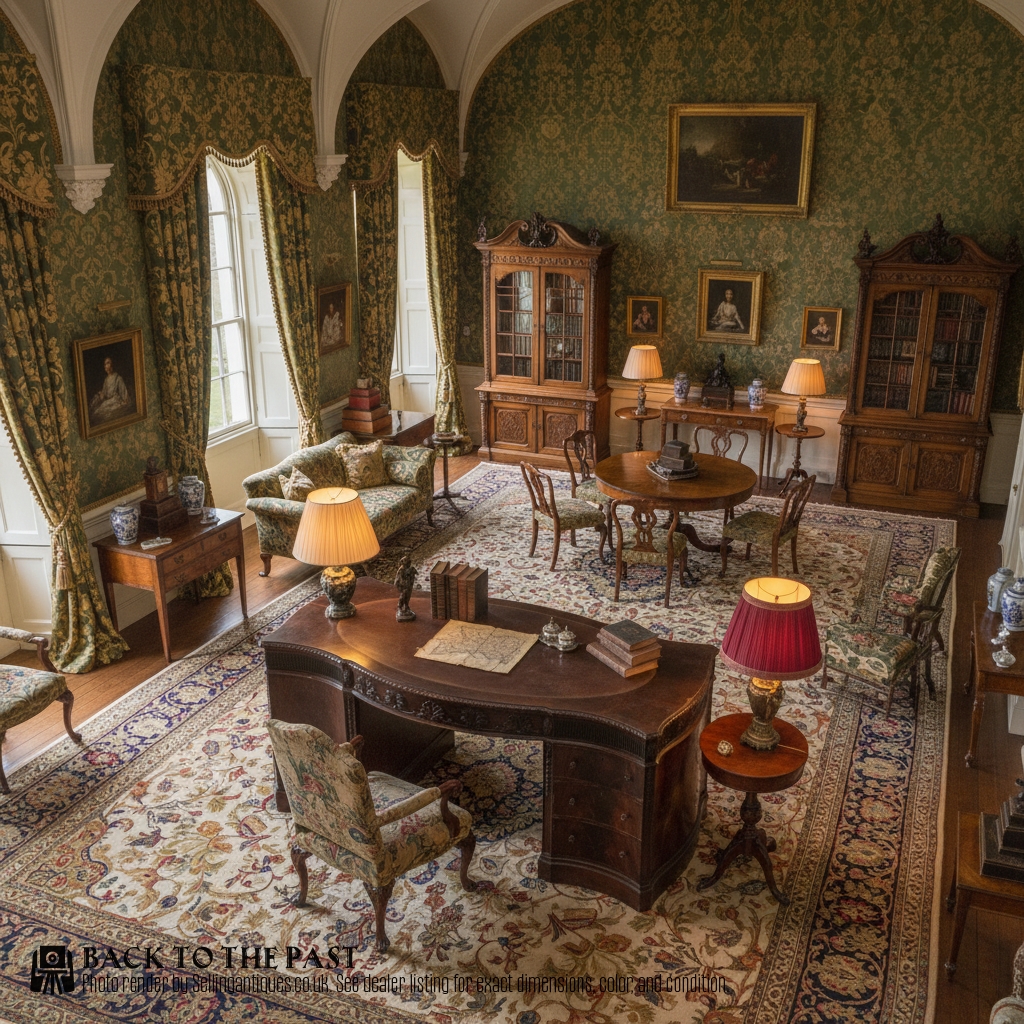
How they were made
Construction relies heavily on sturdy native timbers such as oak, elm, and beech for structural frames, alongside richly figured mahogany for formal writing surfaces and drawer fronts. Cabinetmakers employed traditional joinery techniques, including dovetail joints for drawers and mortise and tenon joints for frames, ensuring lasting stability.
Surfaces were frequently finished with hand-rubbed wax or polish to highlight the deep grain of the wood. Leather inserts, often accented with gilt tooling, were commonly integrated into writing tops alongside cast brass handles and hinges.
Dark Brown Desk Retail Price Guide 2026
Typical asking prices for dark brown desk among the pieces listed under this phrase on Sellingantiques today, from the lower quarter to the upper quarter. They describe what is for sale here now, not the wider market.
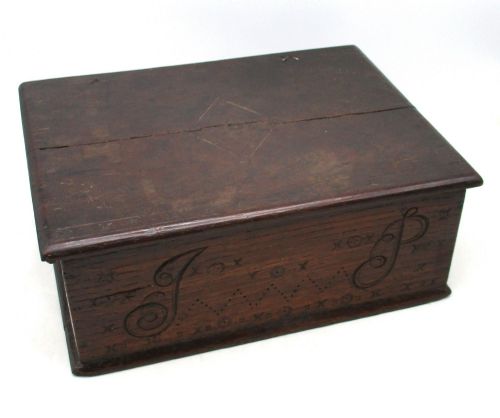
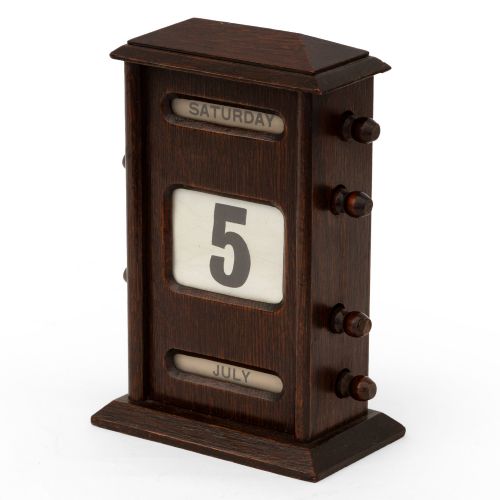
A tiny perpetual desk calendar carved from dark oak reminds us that mortals have worried about the date since 1920.
What varies in quality
Quality depends upon the selection of timber and the precision of the cabinetmaker's joinery. Superior pieces display finely figured wood grain, well-proportioned drawers with tight dovetails, and retained original hardware rather than later replacements.
The integrity of secondary woods, the execution of carved details such as linenfold or panel work, and the survival of original leather writing surfaces further distinguish finer examples from standard utilitarian workshops.
Trollope & sons
The Dark Brown Desk Glossary
- Bureau
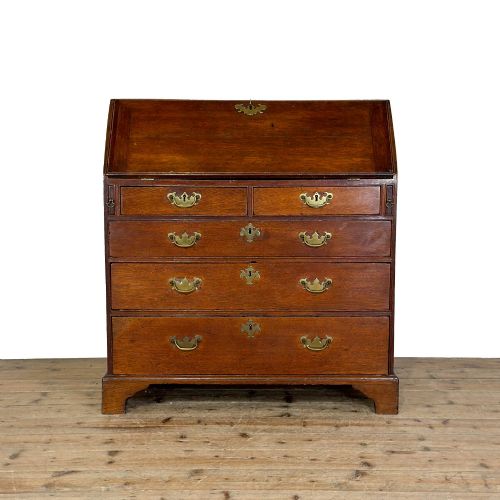
- A writing cabinet featuring a sloping fall-front that opens to reveal a fitted interior of small drawers and pigeonholes. This form evolved significantly through the seventeenth and eighteenth centuries.
- Kneehole desk
- A flat-top writing desk with pedestals of drawers on either side of a central recess for the user's legs. They typically feature multiple small drawers arranged around a central cupboard door.
- Pedestal desk
- A freestanding writing table supported by two upright pedestals containing stacked drawers. These pieces usually incorporate inset leather writing surfaces on top.
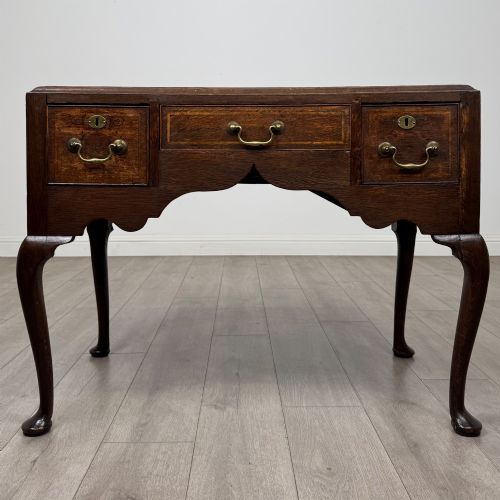
- Lowboy
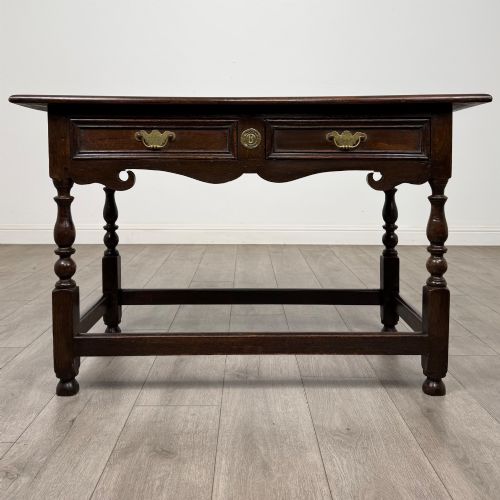
- A small seventeenth or eighteenth-century dressing or side table featuring one or more rows of drawers beneath the work surface. They are frequently constructed from oak or walnut.
- Linenfold
- A style of wood carving used on panels to imitate folded linen fabric. It appears commonly on pieces from the Tudor period onwards, including various oak desks.
Dark Brown Desk: Frequently Asked Questions
How do I clean a leather desk top?
Wipe the surface gently with a damp, soft cloth to remove dust and debris.
Avoid harsh chemical cleaners or excessive moisture, which can damage the aged leather and surrounding timber.
Are these desks suitable for daily computer use?
Many antique pedestal and kneehole desks offer sufficient surface area and drawer space for modern technology.
Care should be taken to measure leg clearance and drawer depth before placing modern equipment inside.
How do I date an oak bureau?
Examine the construction methods used within the interior drawers, particularly the hand-cut dovetails and the grain of the secondary timbers.
Hardware styles, timber patination, and the presence of pegged joints also provide reliable chronological indicators.