

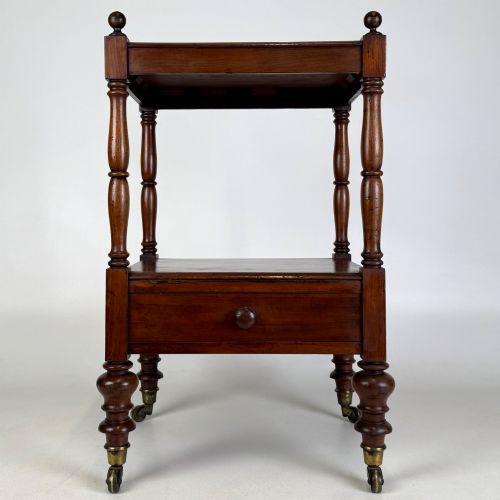
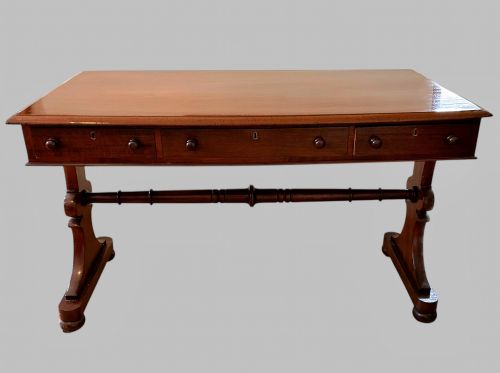
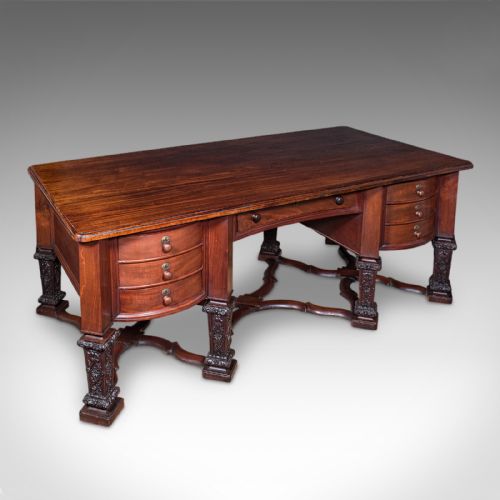
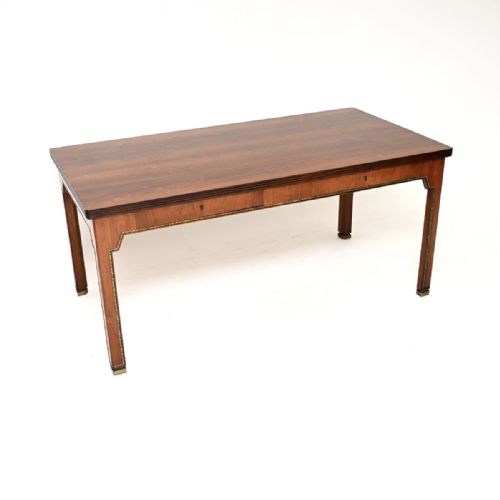
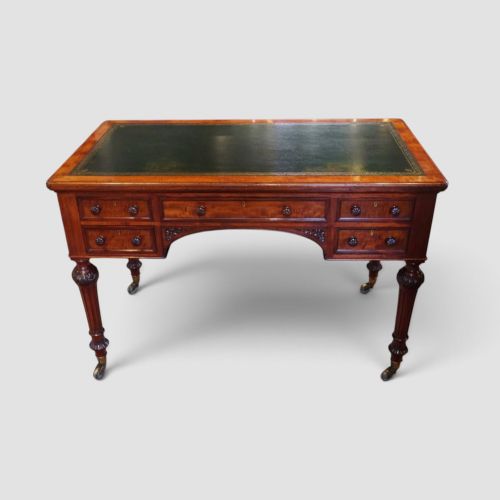
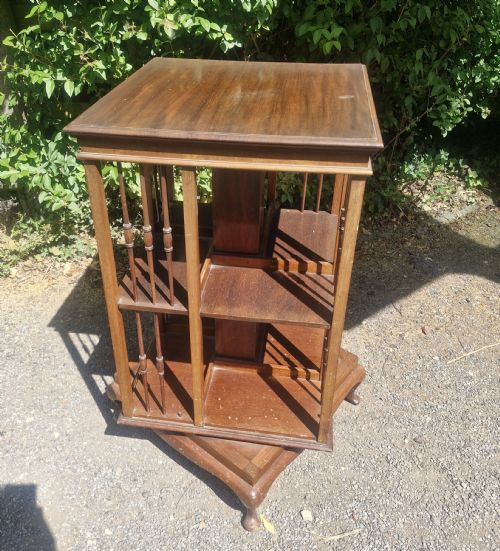
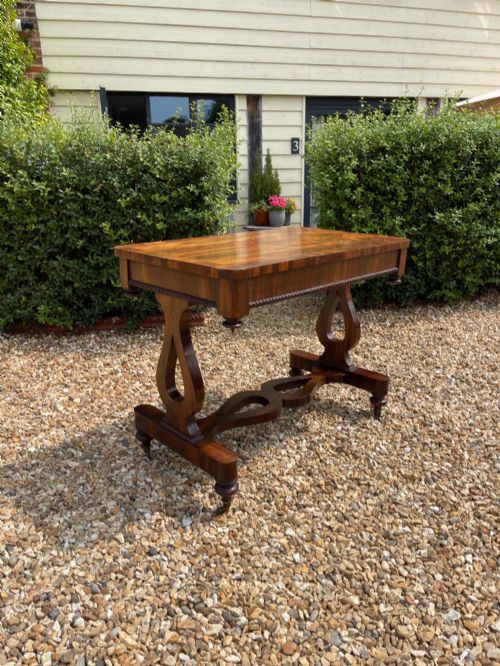
Dark Wood Library Table
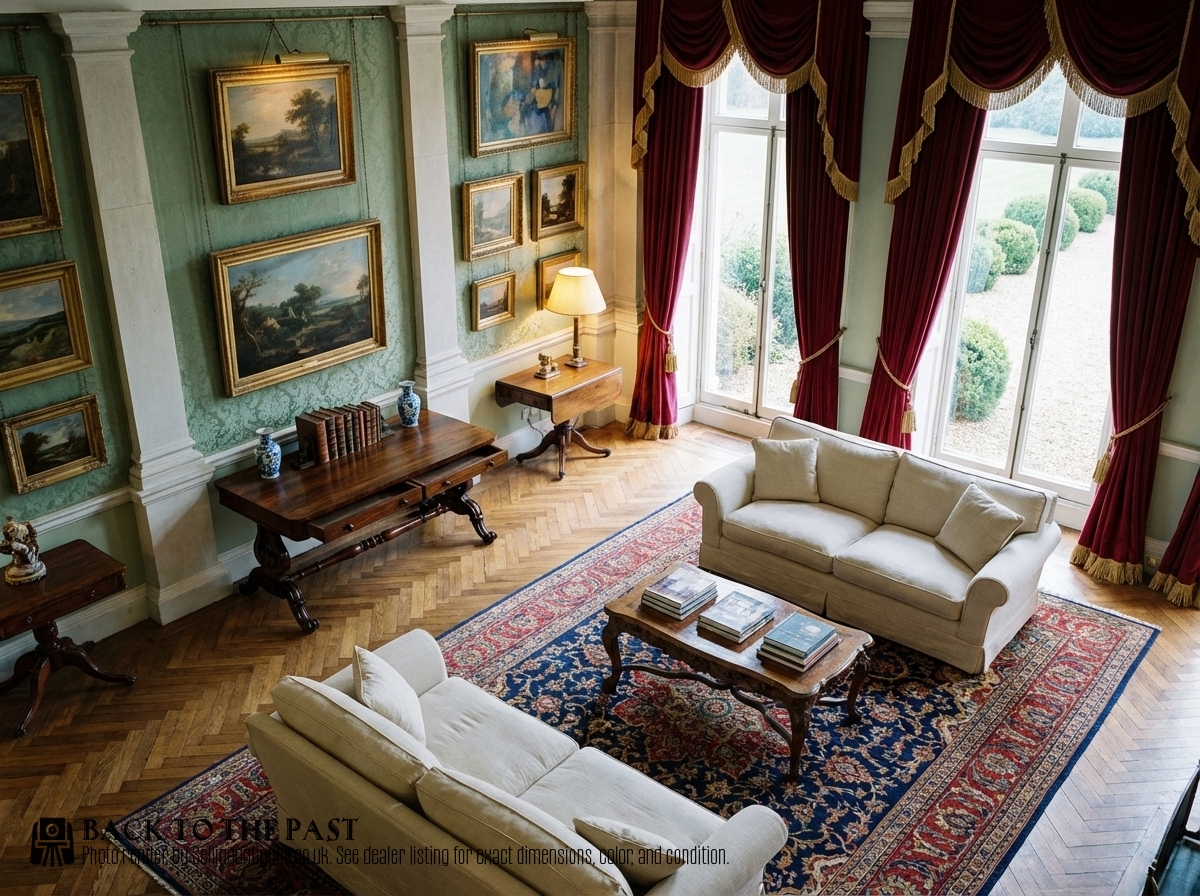
A dark wood library table is a substantial writing piece designed for study and display, offering deep tones and generous proportions.
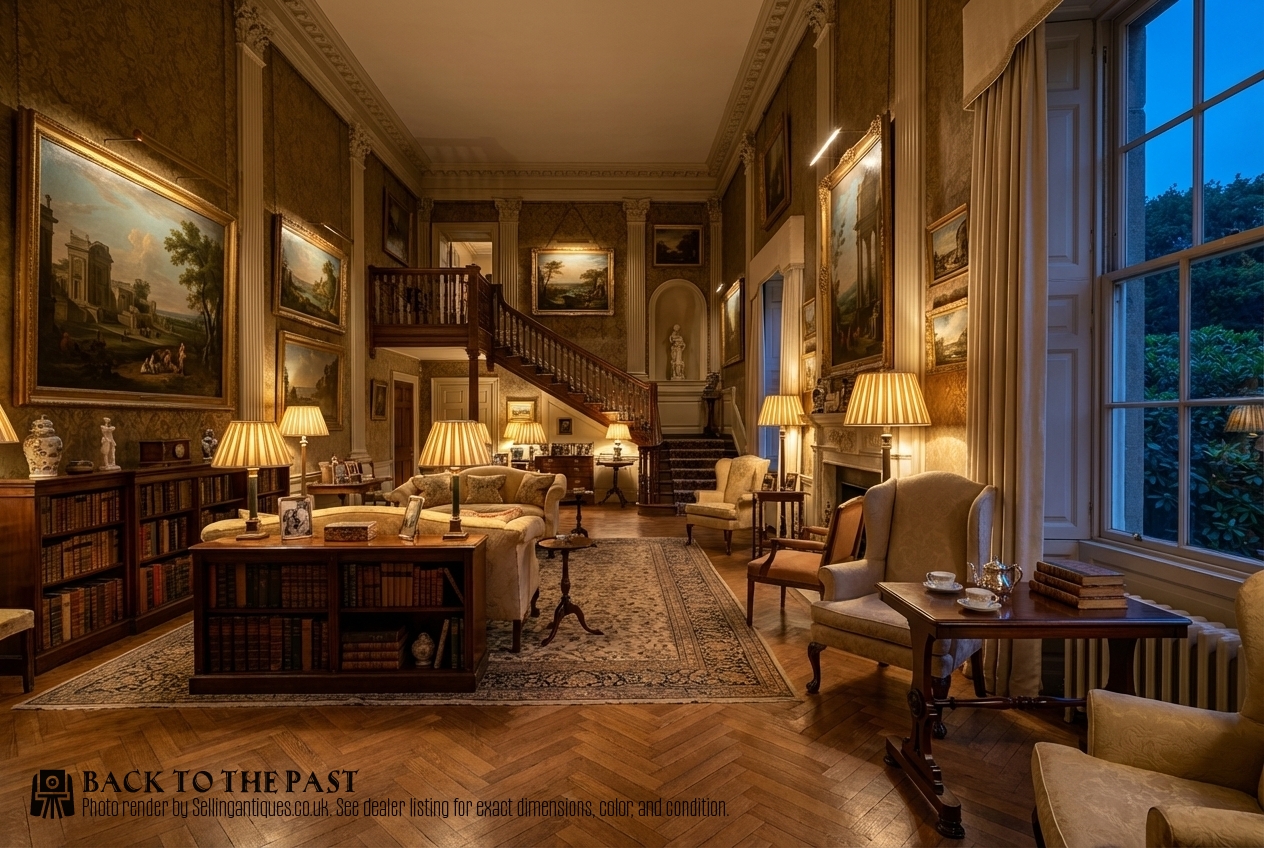
Dark Wood Library Table
A dark wood library table represents a sturdy surface built for reading, writing, and holding heavy volumes in traditional rooms. These pieces appear frequently in nineteenth-century forms, spanning Georgian, Regency, William IV, and Victorian periods.
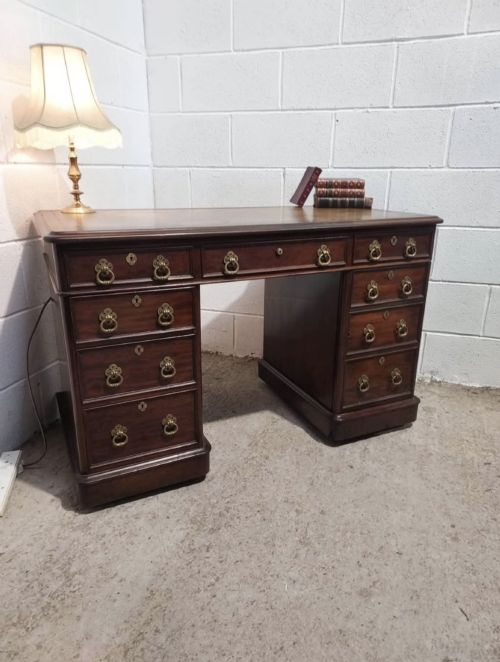
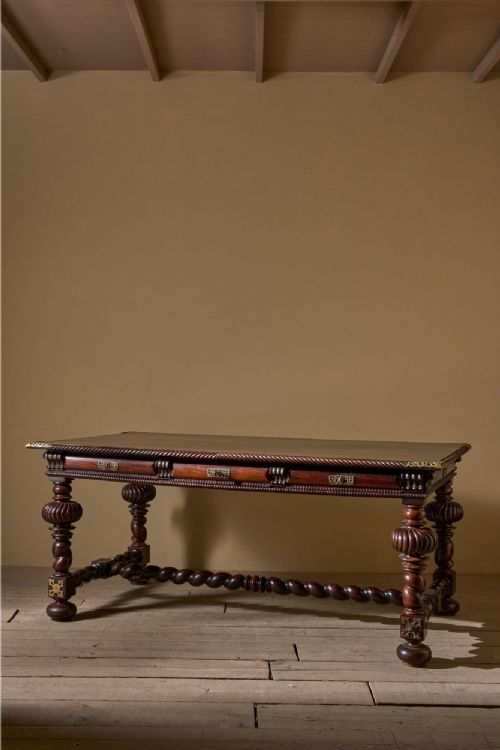
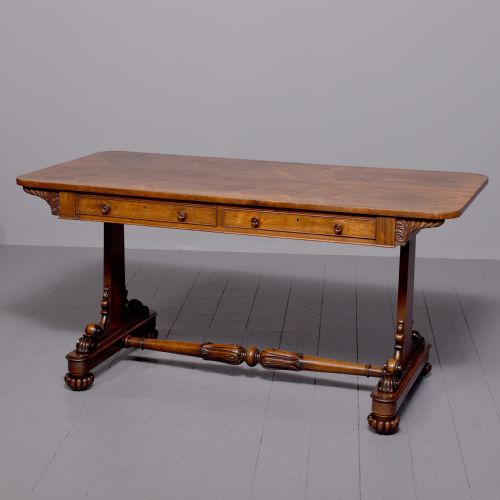
The selection on this page centres primarily on mahogany and rosewood variants, alongside occasional walnut and padauk examples. Many items function as freestanding centre tables, writing tables, or partners desks with generous proportions.
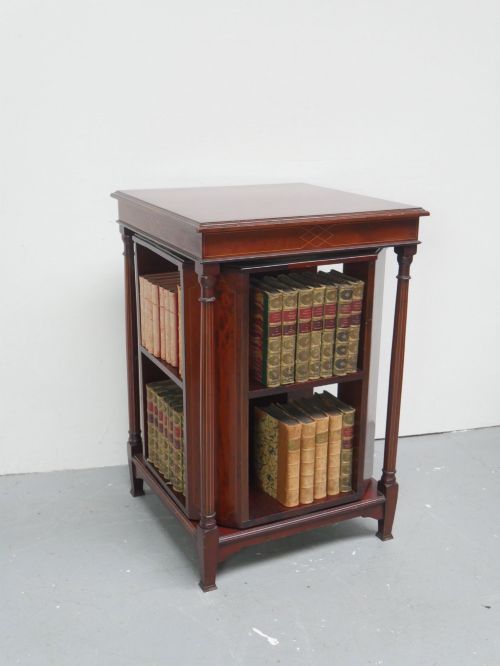
Makers such as Gillows, Holland & Sons, and Trollope & Sons contribute to the heritage of these forms. Buyers will also encounter Edwardian iterations and revolving bookcases sharing similar timber characteristics.
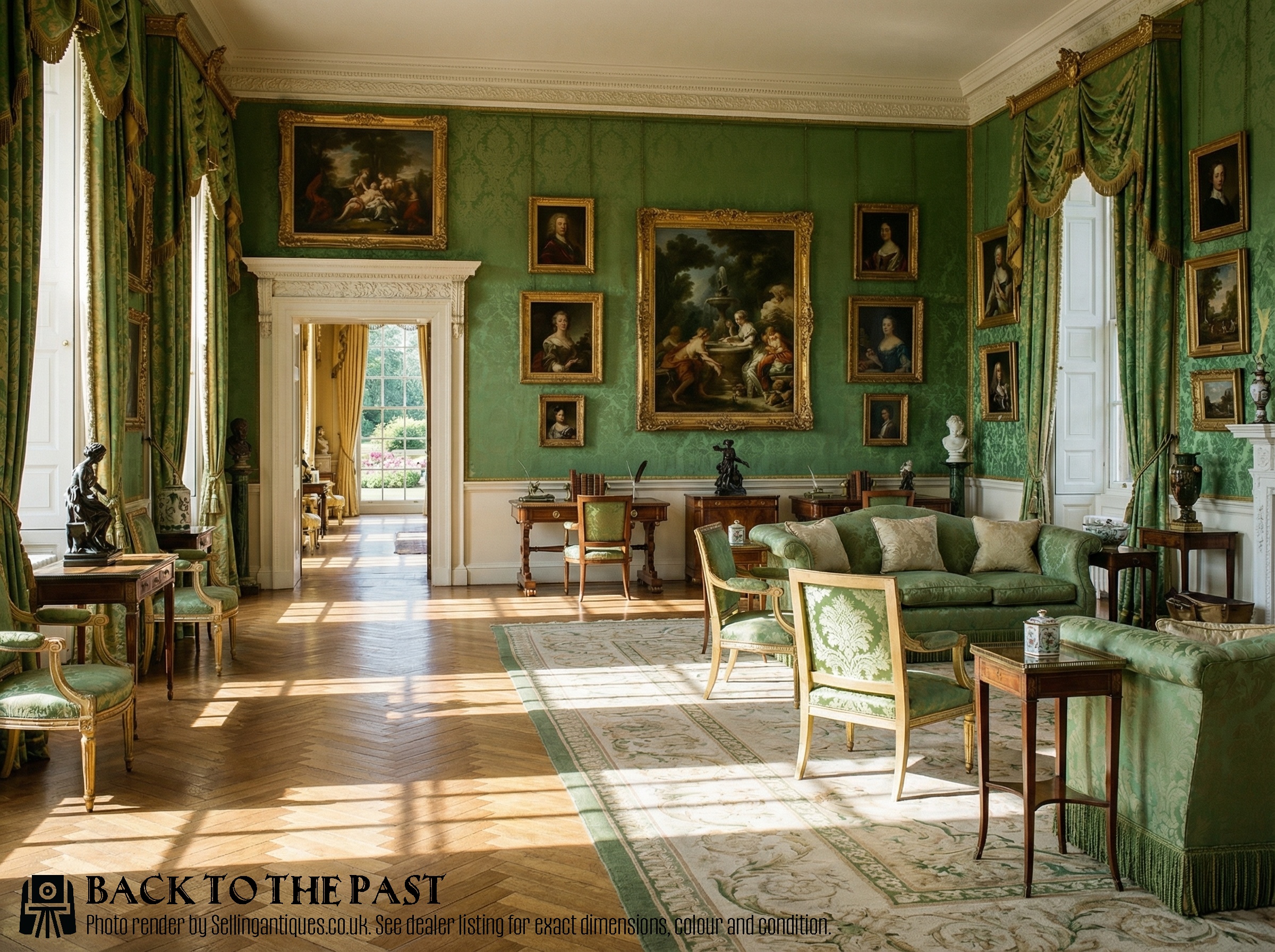
What varies in quality
The standard of a dark wood library table rests on the selection of timber veneers, the crispness of carved wooden details, and the integrity of the original framing. Superior examples display carefully matched grain patterns and substantial secondary woods.
Attribution to known makers or workshops elevates the standing of a piece, as seen in documented furniture from Gillows or Holland & Sons. Refined brass hardware, intact leather surfaces, and well-executed turning or carving further distinguish finer specimens from standard workshop production.
Dark Wood Library Table Retail Price Guide 2026
Typical asking prices for dark wood library table among the pieces listed under this phrase on Sellingantiques today, from the lower quarter to the upper quarter. They describe what is for sale here now, not the wider market.
The listings here span the eighteenth, nineteenth, and early twentieth centuries, featuring robust mahogany, exotic rosewood, and warm walnut.
Trollope & Sons·Gillows·Holland & Sons·Mein of Kelso
The Dark Wood Library Table Glossary
- Library table
- A large freestanding table designed for the centre of a room, intended for reading and holding books. These pieces often feature drawers on both sides or a finished back for placement away from walls.
- Partners desk
- A double-sided writing desk allowing two people to work opposite one another at the same time. They typically feature banks of drawers and cupboards beneath a leather-lined top.
- Sofa table
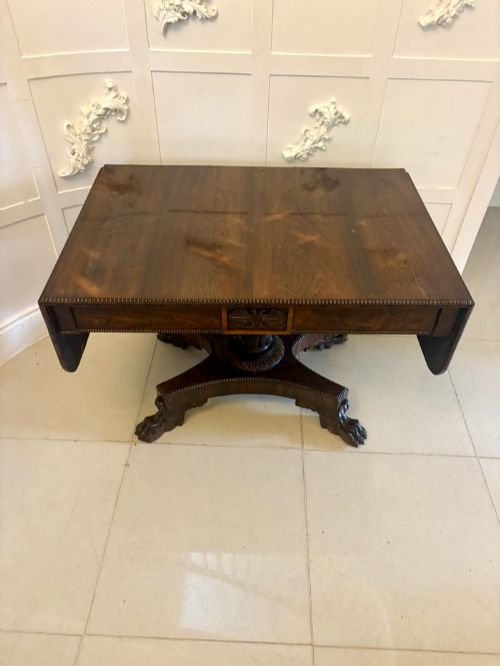
- A rectangular occasional table traditionally placed in front of or behind a sofa, featuring drop leaves on either end. Regency versions in rosewood and mahogany are particularly sought after.
- Centre table
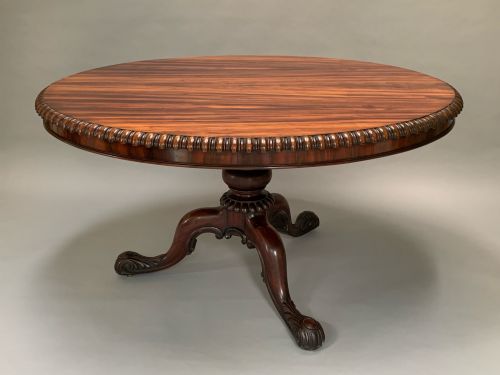
- A freestanding table finished on all sides for placement in the middle of a room rather than against a wall. They serve decorative and functional purposes in large reception spaces.
- Revolving bookcase
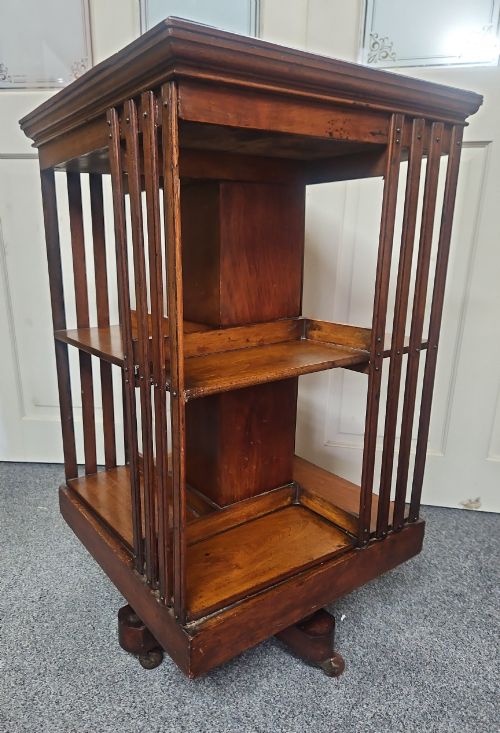
- A freestanding or tabletop rotating bookstand designed for easy access to volumes from any angle. Edwardian and late nineteenth-century examples are common on this page.
Dark Wood Library Table: Frequently Asked Questions
What is a dark wood library table used for?
A dark wood library table serves as a functional workspace for reading, writing, and displaying large volumes. Historically placed in the centre of a study or library, it provides a stable and expansive surface for daily tasks.
Today, these tables function equally well as executive desks in modern offices or statement dining and display pieces in large residential rooms. Their sturdy construction accommodates heavy use while adding traditional gravitas to an interior.
Are partners desks the same as library tables?
Partners desks differ by incorporating built-in pedestals with banks of drawers and cupboards beneath the top surface, designed for two people to work facing each other. Library tables are generally open beneath the top with four legs and fewer or shallower drawers.
Both forms utilise fine dark woods like mahogany and walnut and share similar nineteenth-century periods, but their internal storage and structural frames serve distinct functional requirements.
Where should I place a centre table?
A centre table is designed to be viewed from all angles, making it ideal for the middle of a large room, hallway, or open-plan study. Because the reverse side is finished just as carefully as the front, it does not need to sit against a wall.
Placement in high-traffic or focal areas allows the polished mahogany or rosewood grain and carved details to be fully appreciated in daily use.