



Antique Drafting Table
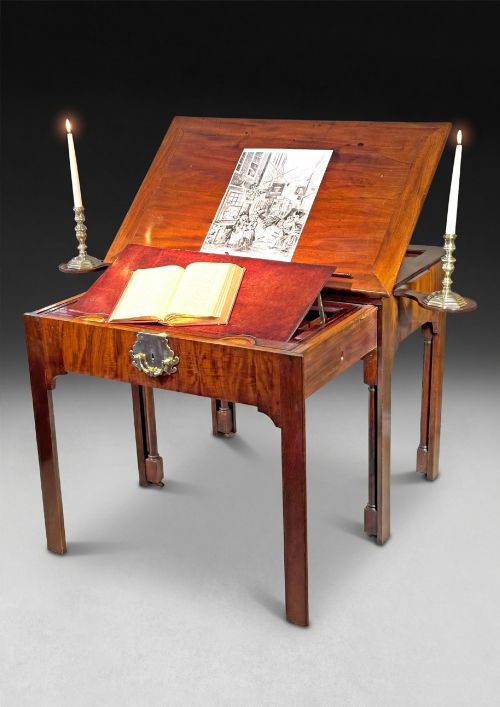
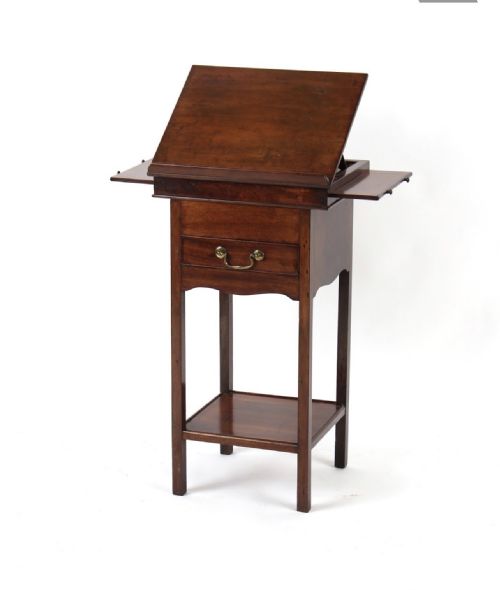
An antique drafting table gives you a surface designed for drawing, writing and reading with mechanical adjustment.
Antique Drafting Table
When you search for an antique drafting table, you are looking at specialised furniture designed for drawing, planning and reading from the eighteenth century onwards. These pieces take various forms, including adjustable reading tables, metamorphic riser desks, and large library tables with lift-over tops.
On this page, you are most likely to meet mahogany examples from the Georgian period, alongside nineteenth-century oak and pine pieces. Many incorporate adjustable mechanisms, leather writing surfaces, and marquetry inlay.
Originating in periods when draftsmen, architects and cartographers required adaptable workspaces, these tables combine practical engineering with traditional cabinet making. They serve equally well today as distinctive desks or side tables in a study.
Materials and construction
Makers built these tables primarily in mahogany, oak, pine and rosewood, often selecting figured timber for the main surfaces. Brass and cast iron appear in the mechanical ratchets, hinges and height-adjustment fittings that allow the tops to tilt and rise.
Secondary materials include inset leather writing surfaces, sometimes tooled with gold, and detailed marquetry inlay as seen in eighteenth-century Dutch examples. Joinery reflects the period of manufacture, from Georgian cabinet work to early twentieth-century industrial iron frames.
Antique Drafting Table Retail Price Guide 2026
Typical asking prices for drafting table among the pieces listed under this phrase on Sellingantiques today, from the lower quarter to the upper quarter. They describe what is for sale here now, not the wider market.
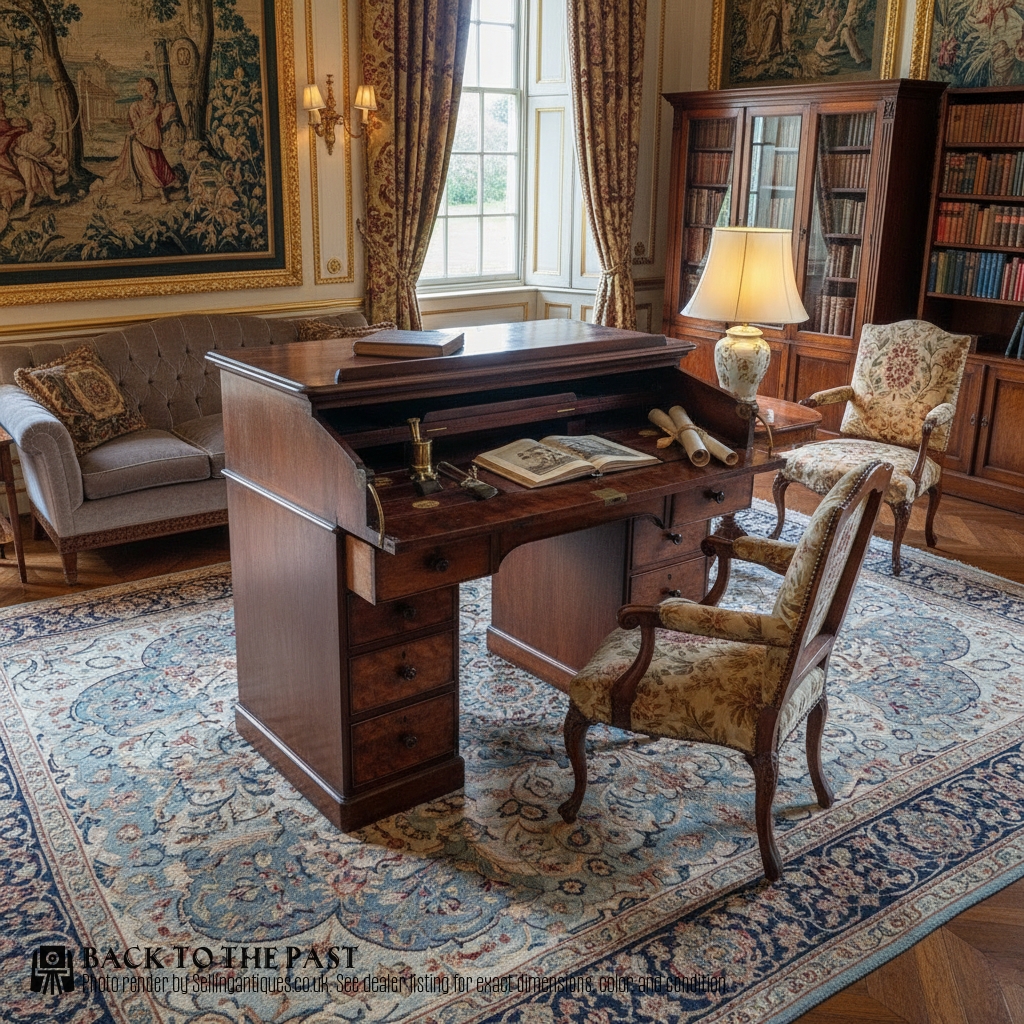
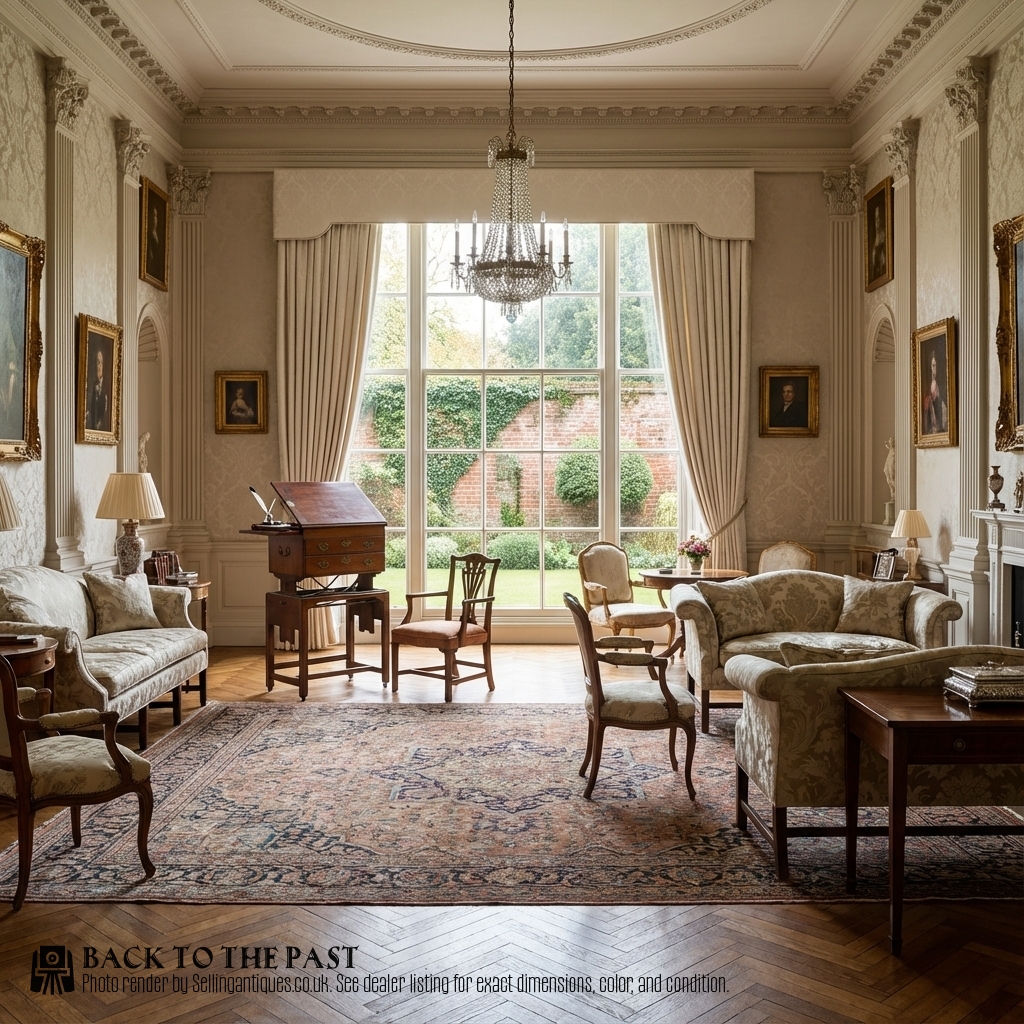
One nineteenth-century desk hides its architecture in plain sight, ready to tilt upward at a moment's notice.
Distinctions in quality
Quality in these tables rests on the sophistication of the mechanical adjustment and the integrity of the timber. Pieces with original, smoothly functioning brass ratchets and iron risers stand apart from those with altered or replacement hardware.
The choice of materials also defines the tier, with figured mahogany and complex marquetry inlay representing finer cabinet making than standard utility pine. Retaining original leather inserts and maker stamps elevates an example within its period.
Carters Of London·Edwards & Roberts·Gillows
The Antique Drafting Table Glossary
- Metamorphic
- Furniture designed to transform from one form or height into another through hidden hinges and folding leaves. This allows a standard table to function as a slanted desk or a taller lectern.
- Marquetry
- The art of applying pieces of veneer to a structure to form decorative patterns and pictures. Dutch examples frequently employ this technique on architect tables.
- Ratchet
- A mechanical device consisting of a notched wheel and pawl that allows continuous linear motion in one direction only. These support the adjustable reading slopes on drafting tables.
- Cartographer
- A person who draws or produces maps, requiring specialised furniture with large flat surfaces and storage for rolled documents and folios.
- Folio table
- A large surface designed for holding folded or flat sheets of paper, prints and maps. They often feature lift-over tops or deep ledges.
Antique Drafting Table: Frequently Asked Questions
Can I use one as a modern desk?
These tables adapt readily to modern workspaces as writing desks or computer stands. The adjustable top provides a comfortable angle for reading or drawing.
Consider the standing or seated height before purchase, as eighteenth and nineteenth-century dimensions can differ from modern standards. Adding a protective glass or blotter sheet safeguards historic leather tops.
How do I care for the leather top?
Keep leather writing surfaces away from direct sunlight and excessive heat to prevent drying and cracking. Dust regularly with a dry cloth and avoid harsh chemical cleaners.
If the leather becomes dry, apply a specialised leather balsam approved for antiques. Test any treatment on a small, hidden corner first.
How do I date a drafting table?
Examine the timber species, secondary woods, and the style of the legs and stretcher base. Georgian pieces often feature solid mahogany and hand-cut dovetails, while Victorian and Edwardian examples may show machine-sawn elements and cast iron.
Maker stamps, patent marks on ironwork, and the complexity of the mechanical ratchets also help narrow down the decade of manufacture.