


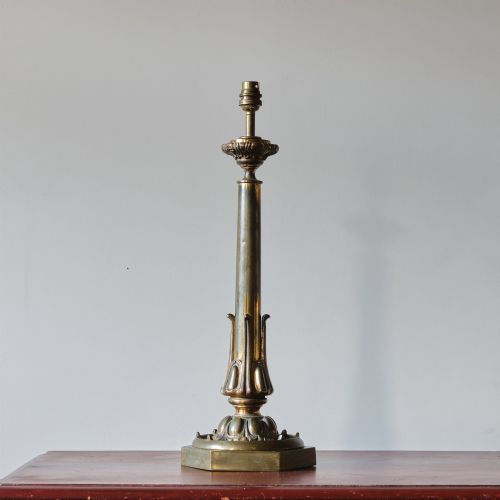
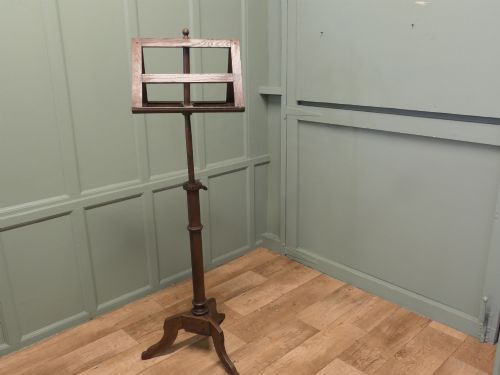
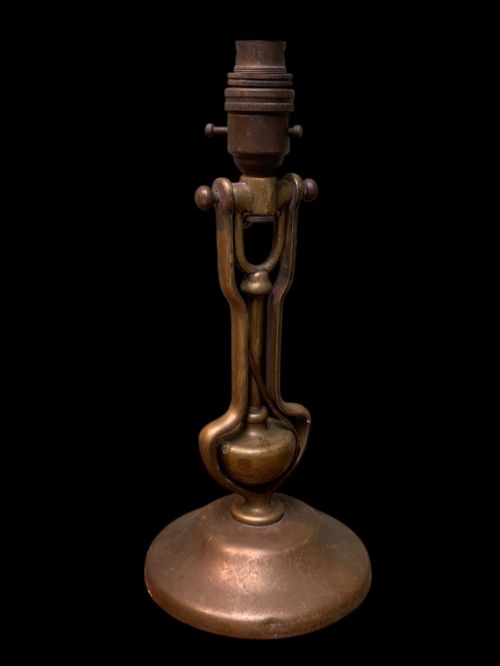
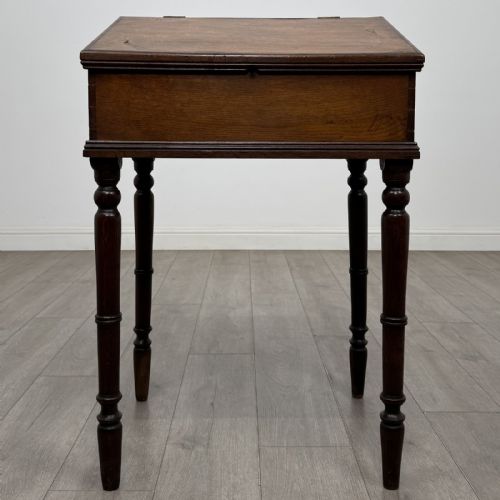
Antique Reading Desk
An antique reading desk provides a dedicated space for study, combining practical book placement with period craftsmanship.
Antique Reading Desk
An antique reading desk serves collectors and readers seeking functional study furniture from the Georgian, Victorian, and Edwardian eras. These pieces often incorporate mahogany, oak, and leather surfaces designed for writing and holding volumes.
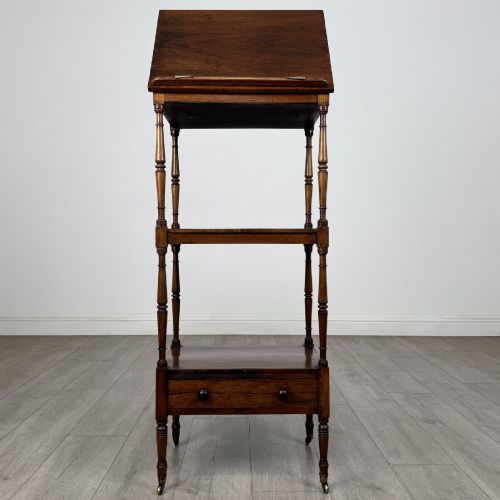
The selection ranges from robust library tables to adjustable reading stands and armchairs paired with surfaces for texts. Buyers frequently encounter nineteenth-century forms alongside early twentieth-century variations built for domestic studies and libraries.

What varies in quality
The standard of timber selection and the precision of the joinery set finer pieces apart from standard workshop production. Selected hardwoods display rich grain patterns and maintain structural rigidity across joints.
Hardware execution and the integration of adjustable mechanisms demonstrate the maker's skill. Original leather inserts and well-preserved brass fittings contribute to the overall integrity of the piece.
Antique Reading Desk Retail Price Guide 2026
Typical asking prices for reading desk among the pieces listed under this phrase on Sellingantiques today, from the lower quarter to the upper quarter. They describe what is for sale here now, not the wider market.
The selection spans Georgian, Victorian, Edwardian, and Art Deco periods.
W.A.S. Benson·Eileen Grey·Hermes Paris
The Antique Reading Desk Glossary
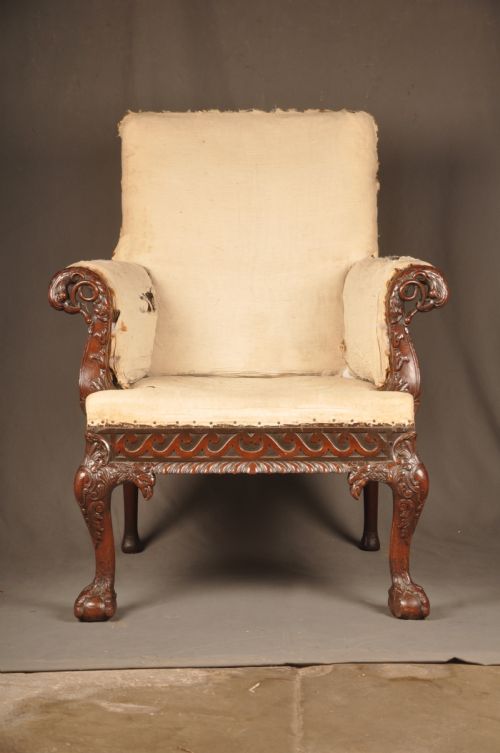
- Gainsborough chair
- A wide armchair with an upholstered seat and back, open padded arms, and short mahogany legs, common in Georgian libraries. This form provided comfortable seating for prolonged reading.
- Marquetry
- Decorative inlay work using various coloured wood veneers to create geometric or floral patterns on furniture surfaces. Craftsmen carefully fitted these thin wood pieces into recessed channels.
- Ormolu
- Gilded bronze ornamentation applied to furniture and decorative objects during the eighteenth and nineteenth centuries. The technique involves a mercury and gold amalgam applied to cast bronze.
- Spindle back
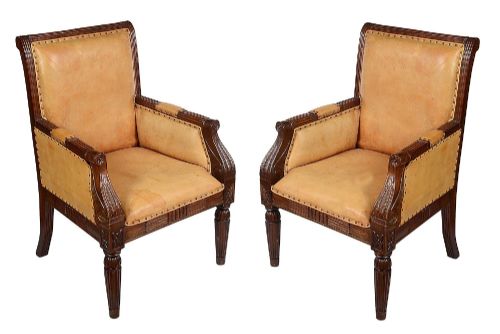
- A chair back constructed with numerous thin, turned wooden vertical rods between the top rail and the seat. This lighter framing style gained popularity during the Victorian era.
Antique Reading Desk: Frequently Asked Questions
How do I identify a Georgian reading desk?
Georgian examples typically feature solid mahogany construction with understated classical proportions and minimal ornamentation. The woodwork often displays a deep natural patina developed over centuries of use.
Drawer linings in these pieces use secondary timbers like oak or pine with hand-cut dovetails. Hardware matches the period, using cast brass pulls rather than stamped metal.
Were these desks used for reading or writing?
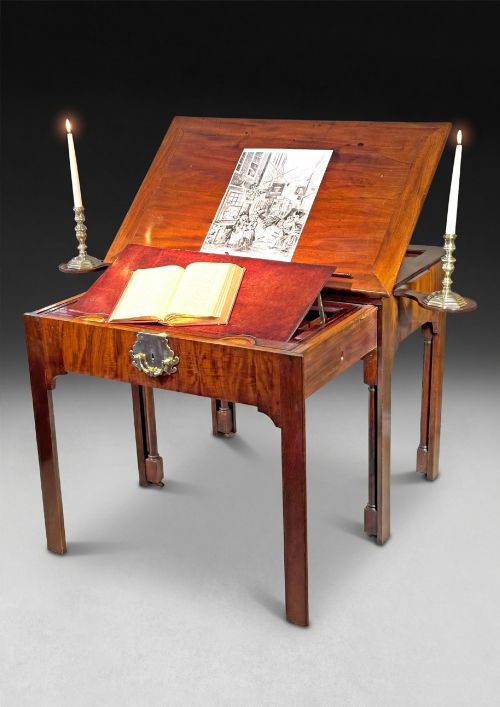
Many library tables and desks served dual purposes, accommodating both bound volumes and correspondence. Sloped tops and adjustable ledges specifically aided readers by supporting books at comfortable angles.
Flat surfaces allowed space for inkstands and paper alongside open texts. This versatility made them central fixtures in nineteenth-century studies.
How should I care for leather desk inserts?
Leather surfaces require periodic conditioning with specialised balms to prevent drying and cracking. Avoid using harsh chemical cleaners that can strip the original dyed finish and gilt tooling.
Keeping the desk away from direct sunlight and radiators preserves the suppleness of the hide. Gentle dusting with a dry cloth maintains the surface safely.
What is the difference between Victorian and Edwardian pieces?
Victorian pieces tend to be heavier and darker, often utilising rich mahogany or golden oak with substantial proportions. Ornamentation leans towards deep carvings and robust structural forms.
Edwardian designs frequently exhibit lighter construction and influences from earlier revival styles. Brass fittings and simpler inlaid details became more common during this later period.