


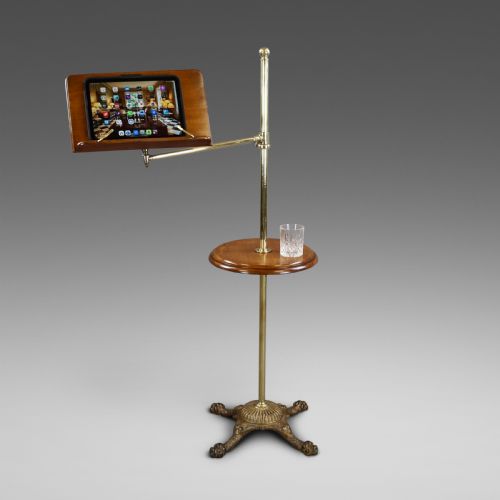


Adjustable Lectern Stand
An adjustable lectern stand holds books and sheets at a working angle, combining mechanical movement with polished timbers.
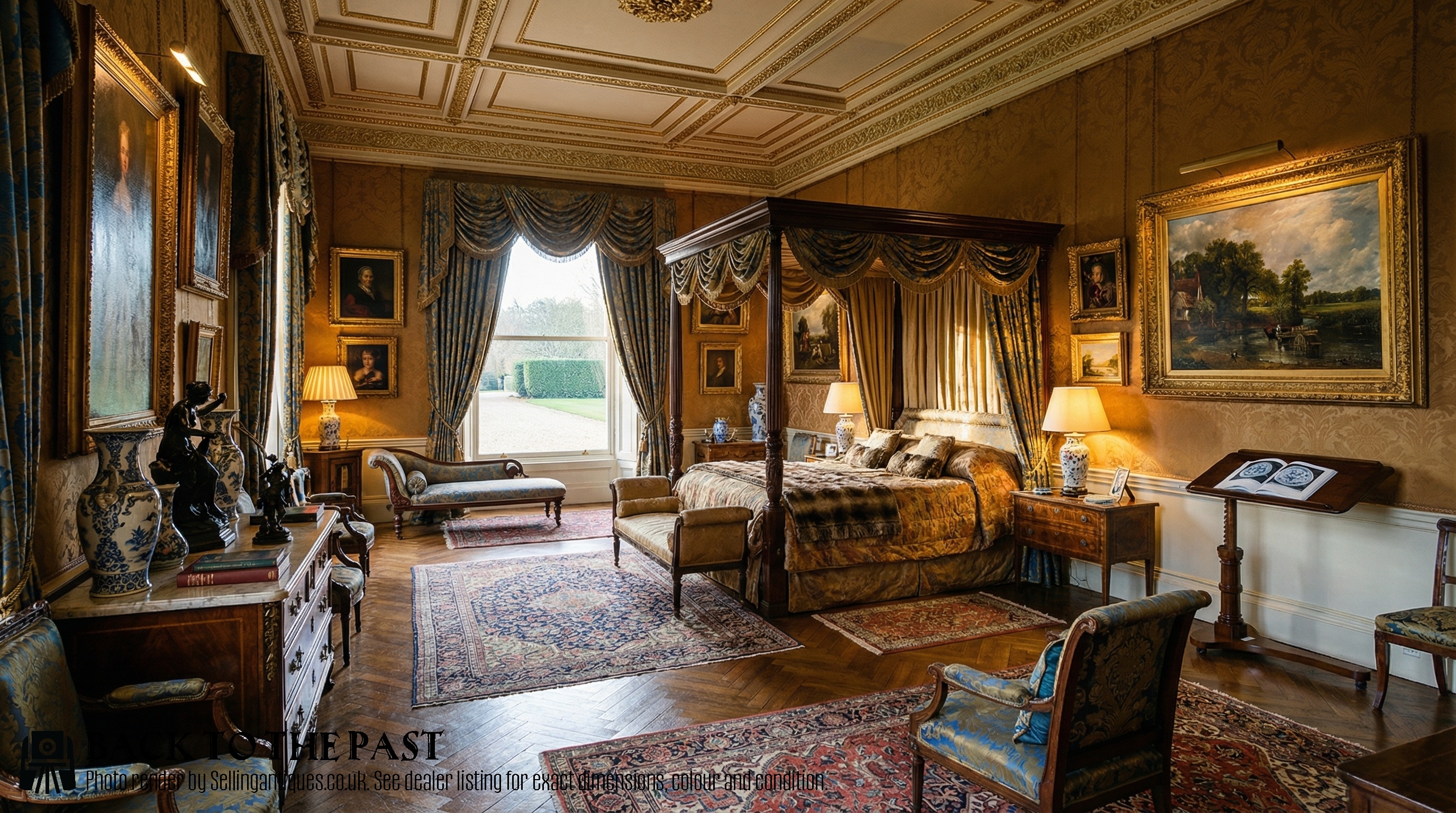
Adjustable Lectern Stand
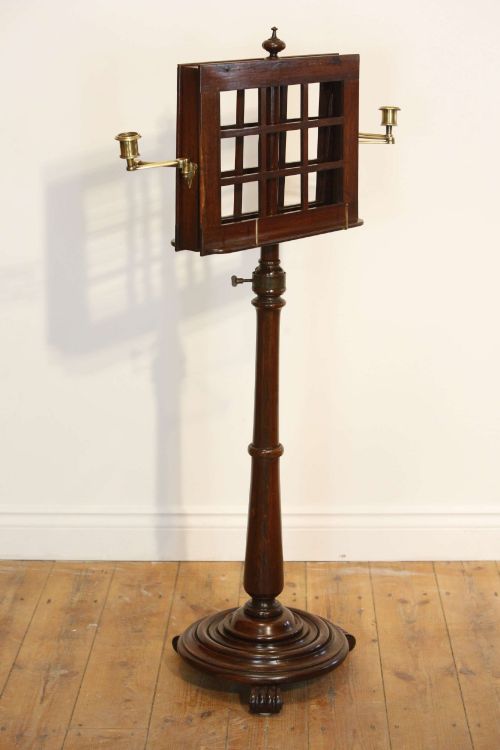
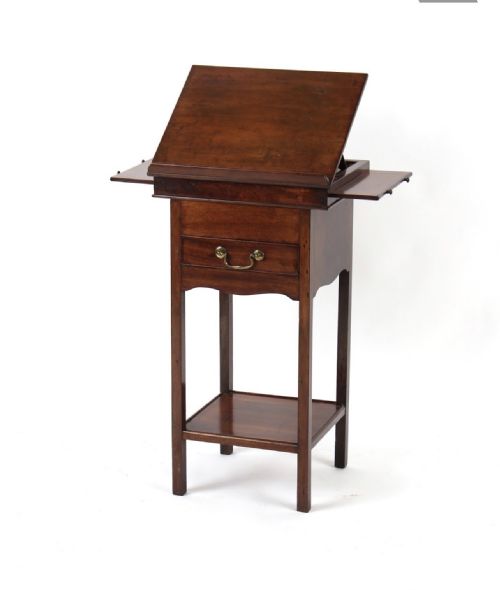
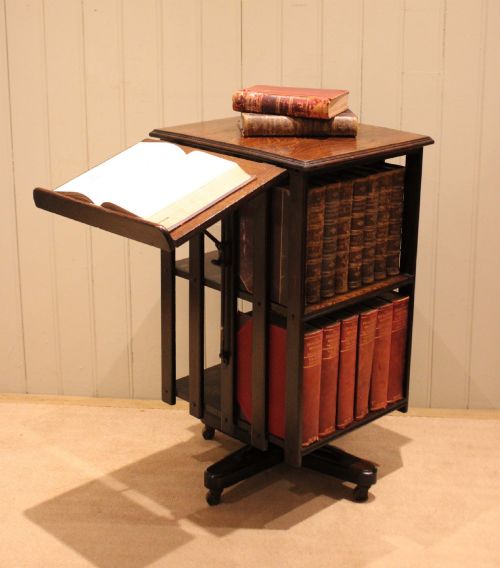
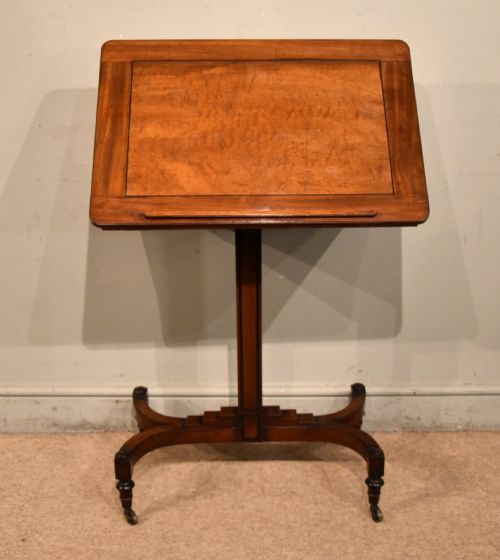
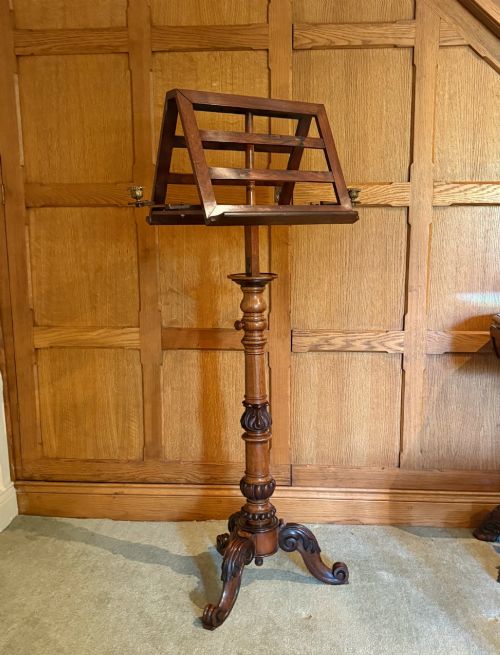
An adjustable lectern stand is designed to support reading material and sheet music at variable angles and heights for the user. These pieces appear frequently in forms such as reading tables, music stands, and book rests.
The selection ranges from Regency and William IV pieces through to Victorian and early twentieth-century examples. Mahogany and rosewood dominate the earlier periods, while oak and pine appear in later designs.
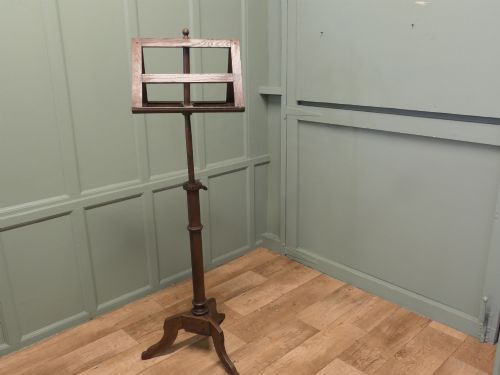
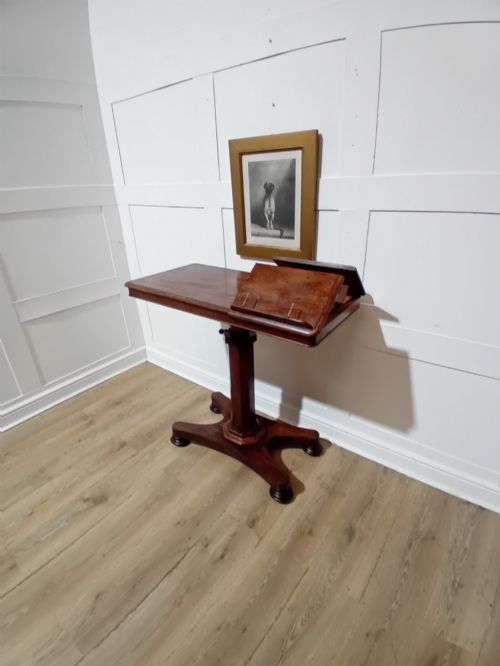
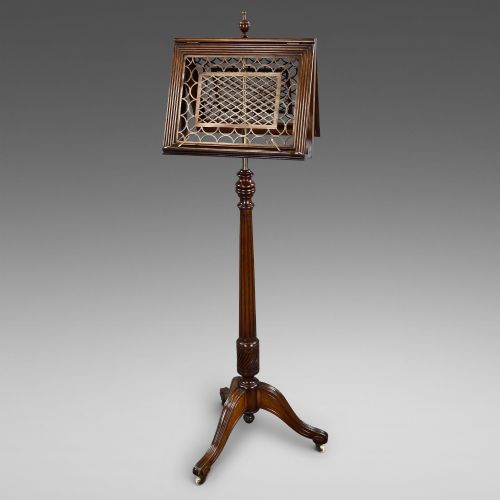
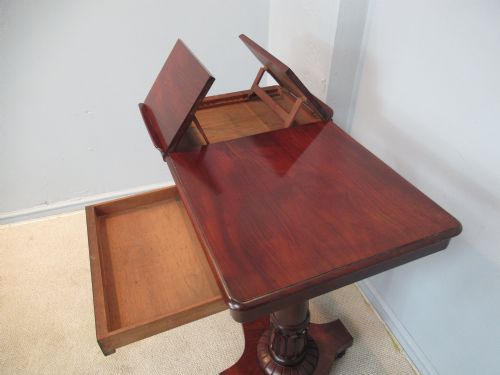
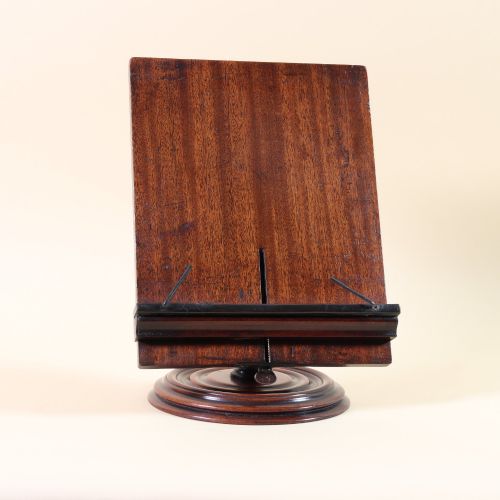
Buyers encounter freestanding tripod models alongside desk-top variants and heavier mechanical tables. Each format serves a specific domestic or musical function within the period interior.
Materials and Construction
Cabinet makers utilised dense hardwoods including mahogany, rosewood, walnut, and gonçalo Alves for bodies and stems. These timbers were often turned, carved, or inlaid to suit formal rooms.
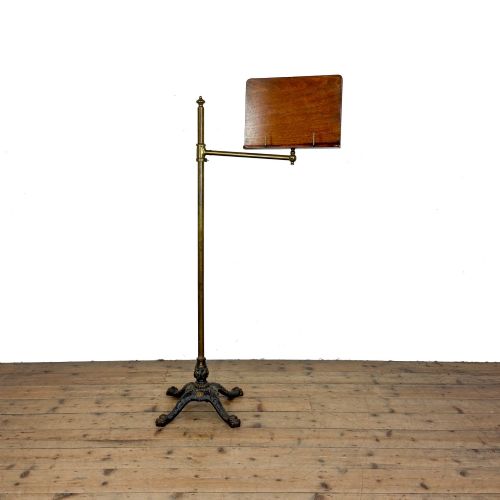
Functional metal components, brass ratchets, and cast iron mechanisms provide the adjustable movement essential to each piece. Woodwork and metalwork combine to allow both height alteration and angle tilting.
Adjustable Lectern Stand Retail Price Guide 2026
Typical asking prices for adjustable lectern stand among the pieces listed under this phrase on Sellingantiques today, from the lower quarter to the upper quarter. They describe what is for sale here now, not the wider market.
Listings feature mahogany, rosewood, walnut, burr walnut, oak, pine, brass, and cast iron across nineteenth and early twentieth-century periods.
Judging Quality and Execution
The sophistication of the mechanical adjustment mechanism separates standard items from superior workshop output. Smooth movement in the ratchets and screws indicates careful original engineering.
Timber selection and secondary detailing, such as fretted music galleries, inlaid surfaces, and solid brass fittings, determine the grade of the piece. Heavier cast iron bases and refined carving mark out pieces by known makers.
GILLOWS·Carters Of London·Leveson London·Harrods
The Adjustable Lectern Stand Glossary
- Duet stand
- A wider reading or music stand designed to accommodate two people sharing a score or book. These often feature double folding desks.
- Campaign
- A portable form designed for travel, featuring folding legs or dismantling stems for transport. Such pieces use robust brass hinges and secure fittings.
- Ratchet
- A mechanical gear device with a tooth-like rack that holds the reading desk at the chosen angle of inclination. It allows quick adjustment and secure locking.
- Tripod base
- A three-legged support base commonly used on freestanding music stands and reading tables for stability on uneven floors. The legs often terminate in scroll or claw feet.
- Gonçalo Alves
- A dense, highly figured tropical hardwood with contrasting dark streaks, occasionally utilised in nineteenth-century decorative stands.
Adjustable Lectern Stand: Frequently Asked Questions
How do I adjust the height?
Most pieces utilise a central sliding wooden or metal stem secured by a side screw or thumbscrew. Loosening this fastener allows the upper section to rise or fall before tightening again.
Heavier reading tables employ threaded winding mechanisms turned by a handle to raise the heavy top smoothly.
Can these hold heavy books?
Freestanding tripod models and campaign reading tables are engineered to bear the weight of large folios and heavy ledgers. The stability depends upon the spread of the base and the strength of the central stem.
Desk-top book rests rely entirely on the supporting table underneath for weight distribution, using folding ledges to keep volumes open.
Where were they used?
Music stands and duet stands stood in drawing rooms and parlours beside pianos or string instruments for recitals. Reading tables and lecterns were placed in libraries, studies, and bedrooms for morning correspondence.
Bed reading tables were specifically designed to wheel over or extend across beds for invalid or comfort reading.
How do I date an adjustable lectern?
Dating relies upon timber choices, leg styles, and the complexity of the iron or brass mechanism. Regency and William IV pieces favour rosewood and mahogany with classical vase or pillar turns.
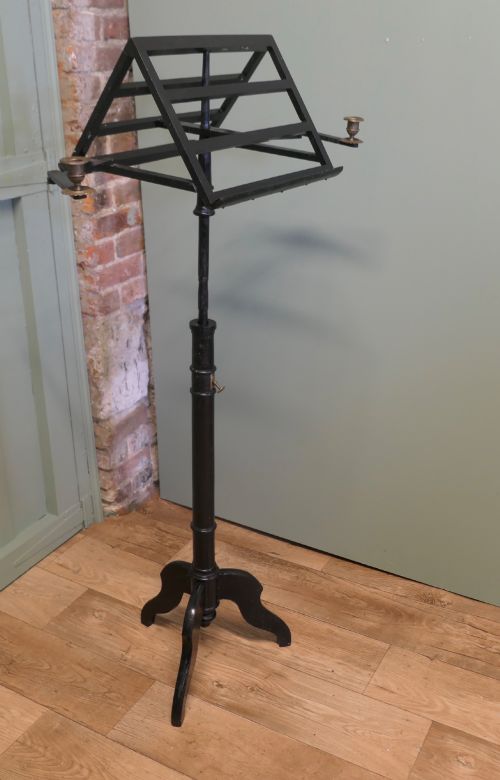
Later Victorian and Edwardian examples introduce cast iron bases, oak frames, and industrial patent adjusters stamped with maker details.