


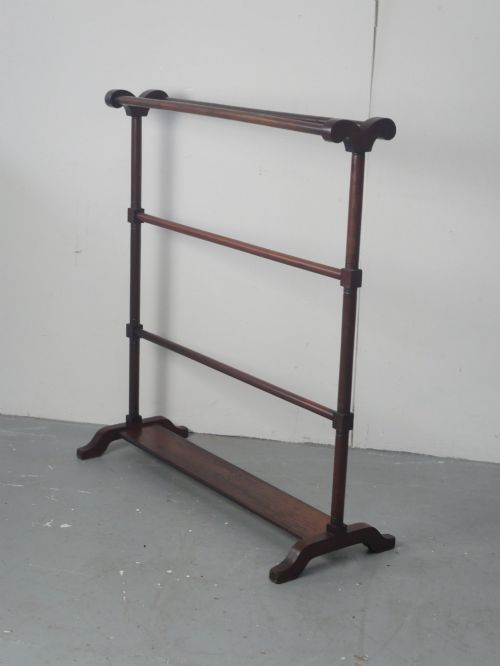
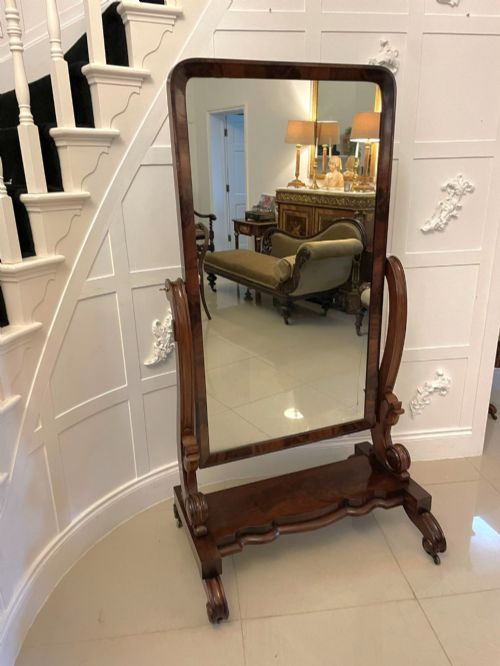
Victorian Mahogany Stand
When you search for a victorian mahogany stand, you uncover diverse utility pieces ranging from torchères to hall stands crafted in rich timber.
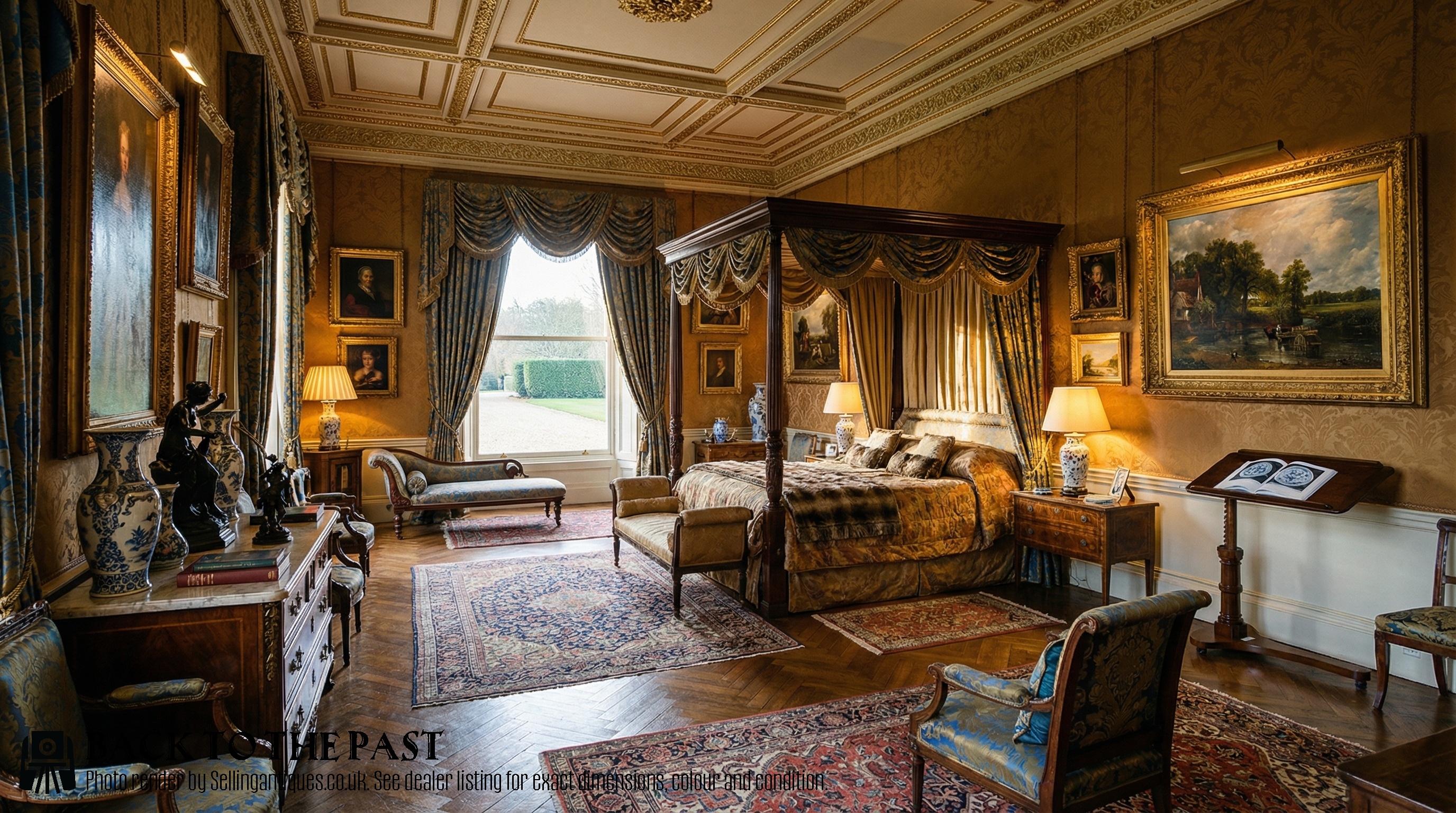
Victorian Mahogany Stand
A victorian mahogany stand encompasses a broad variety of functional furniture designed to hold specific household items, from plants and hats to books and watches.
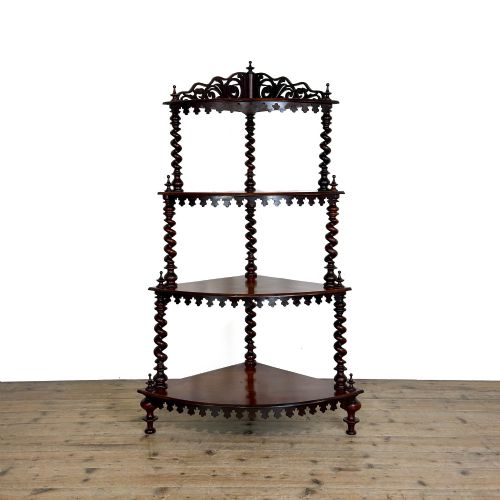
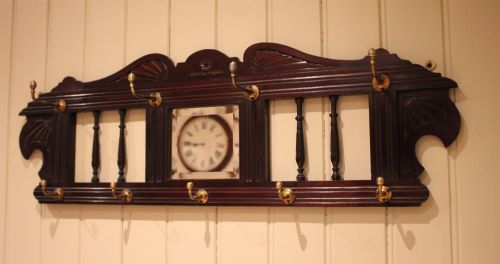
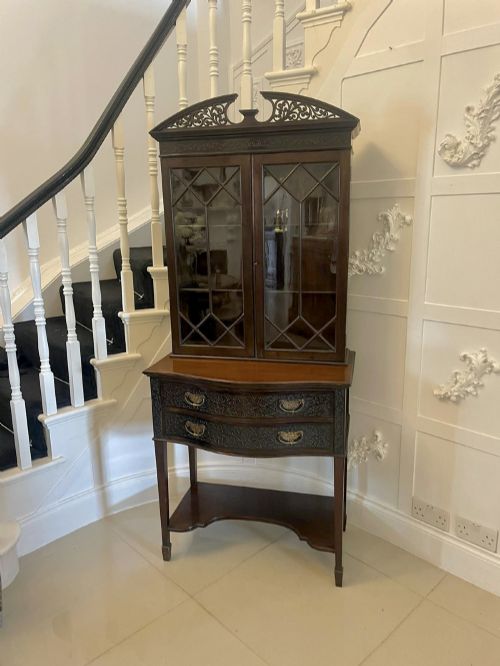
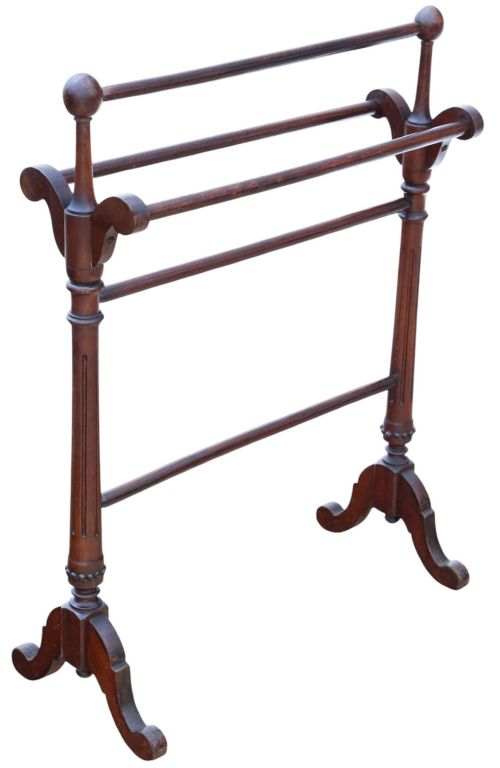
The selections on this page span several practical forms including corner whatnots, towel rails, lamp tables, and hall stands created during the nineteenth century.
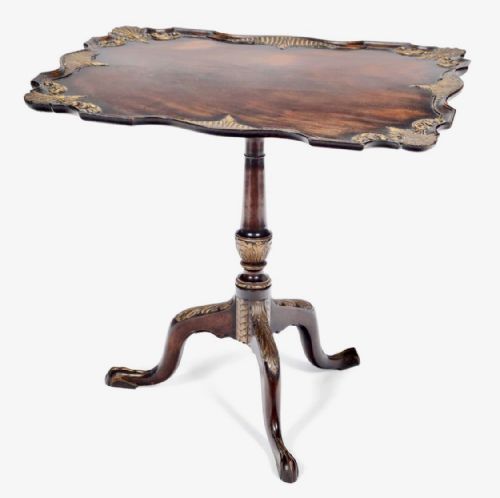
Buyers frequently encounter tripod wine tables, torchères, and multi-tiered étagères intended for display or daily service in period interiors.
How they were made
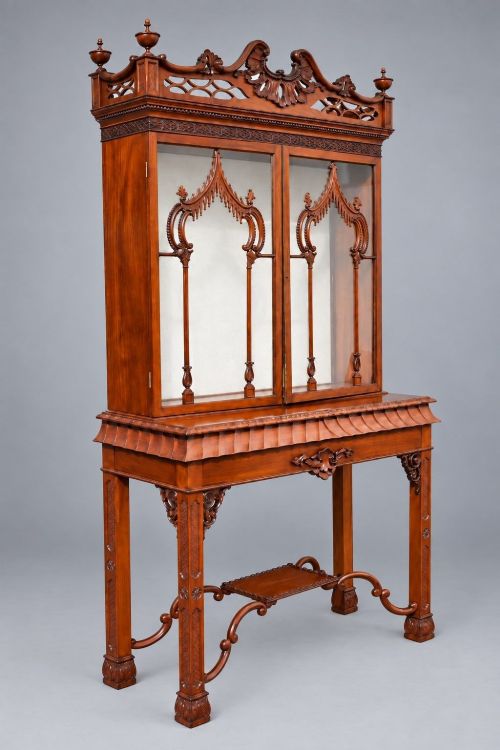
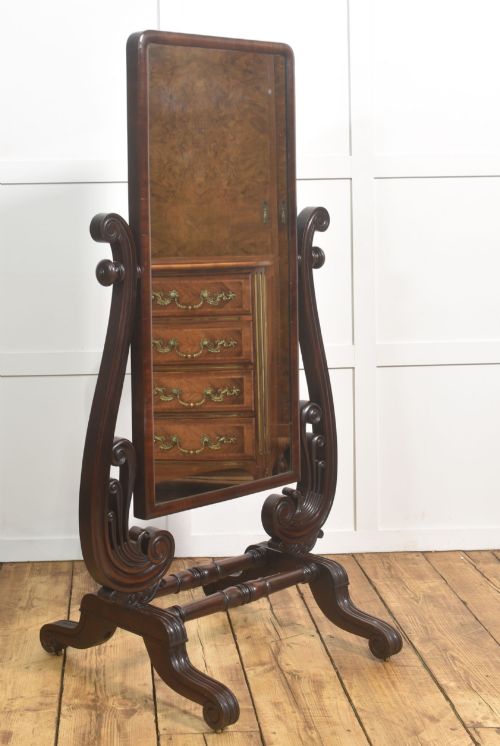
Cabinet makers utilised dense mahogany alongside supplementary hardwoods, often incorporating burr wood veneers, satinwood inlay, and parcel gilding to enhance visual depth.
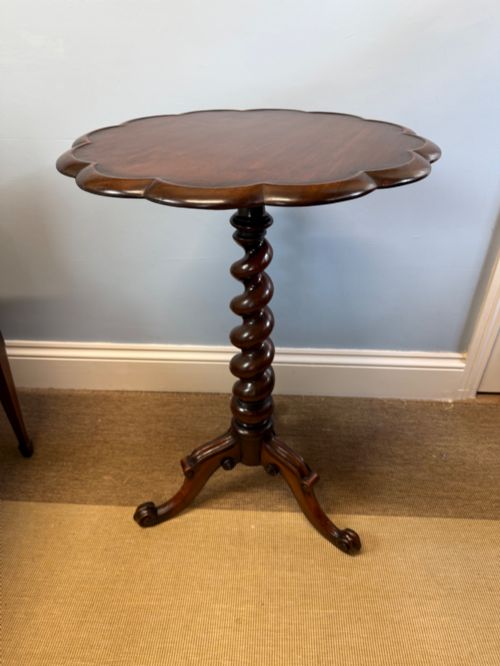
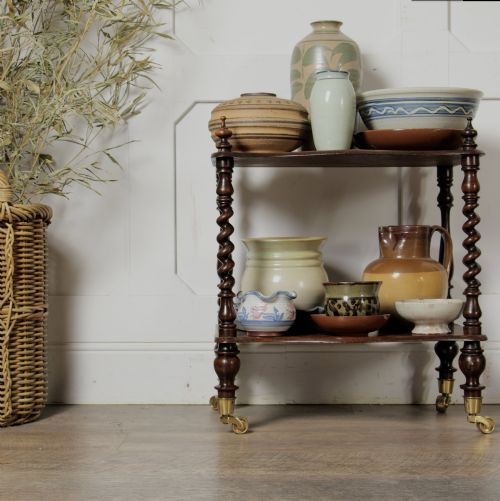
Structural integrity relied on turned supports, barley twist columns, and tripod bases occasionally fitted with brass castors for mobility.
Surface ornamentation included carved details, marble tops, and painted decorations applied to freestanding display units and occasional tables.
Specialised stands accommodated smokers and cue collectors, proving Victorians designed furniture for every niche hobby.
What varies in quality
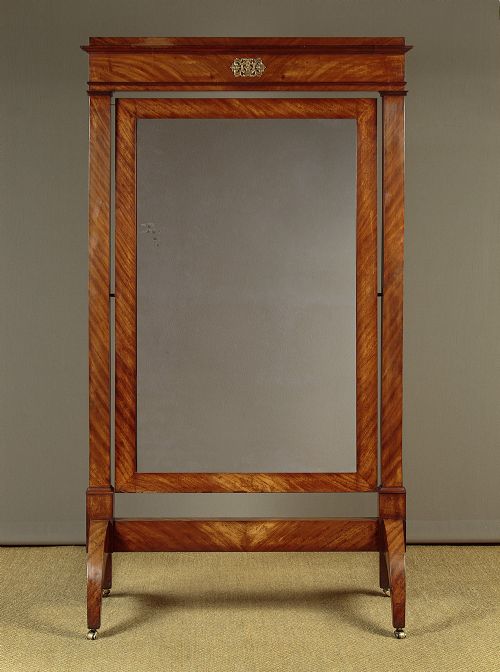
The hierarchy of these stands depends heavily on the choice of timber grain, where highly figured flame mahogany or intricate satinwood inlay elevates a piece above plain stock.
Construction refinement marks the distinction between standard utility items and exhibition pieces, visible in crisp carving, balanced proportions, and robust joinery.
GM Elwood·JS Henry
The Victorian Mahogany Stand Glossary
- Torchere
- A tall, slender stand designed specifically to support a lamp, vase, or potted plant. These elevated pieces usually feature a circular top supported by a single central pillar and a tripod base.
- Whatnot
- An open shelved piece of furniture used for displaying ornaments, books, or writing equipment. They often have multiple tiers supported by turned columns.
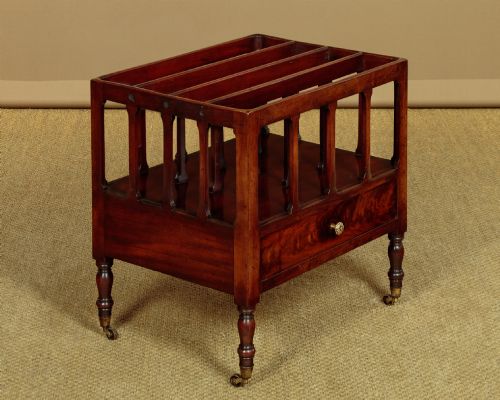
- Canterbury
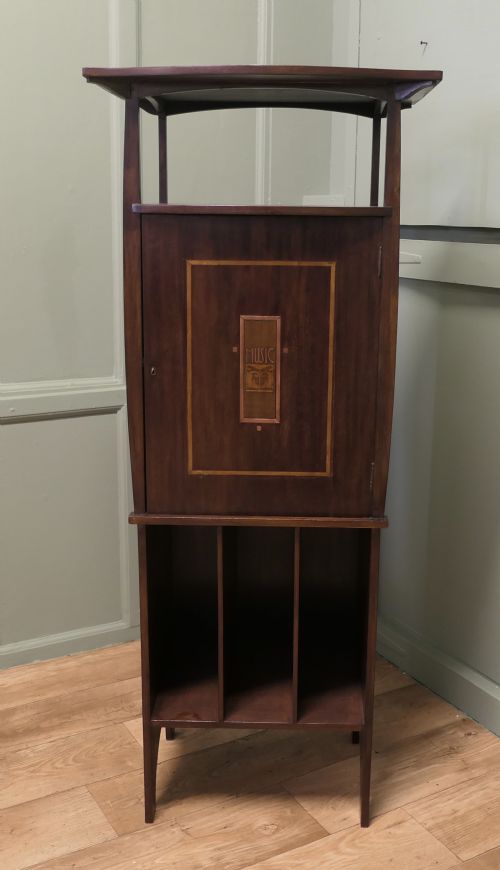
- A compartmentalised stand originally built for holding sheet music, folios, or newspapers. Many examples include a low drawer and carrying handles.
- Tilt top
- A table mechanism allowing the tabletop to pivot into a vertical position when not in use. This clever design saved valuable floor space in nineteenth-century rooms.
Victorian Mahogany Stand: Frequently Asked Questions
What is a torchère stand used for?
A torchère stand served as an elevated platform for holding lamps, candles, or decorative plants in nineteenth-century drawing rooms.
Today these slender pieces function well in tight corners to display sculptures or floral arrangements.
Where should I place a mahogany stand?
These versatile stands suit hallways for holding hats and coats, or living rooms as lamp tables and plant pedestals.
Keep them away from direct heat sources to protect the polished mahogany timber and wood veneers.
What distinguishes a Canterbury stand?
A Canterbury is characterised by vertical slatted divisions originally intended for organising sheet music or periodicals.
Many designs incorporate a small base drawer and low castors for ease of movement.