



Height Adjustable Desk
A height adjustable desk offers adaptable utility, shifting seamlessly between sitting and standing positions.

Materials and construction methods
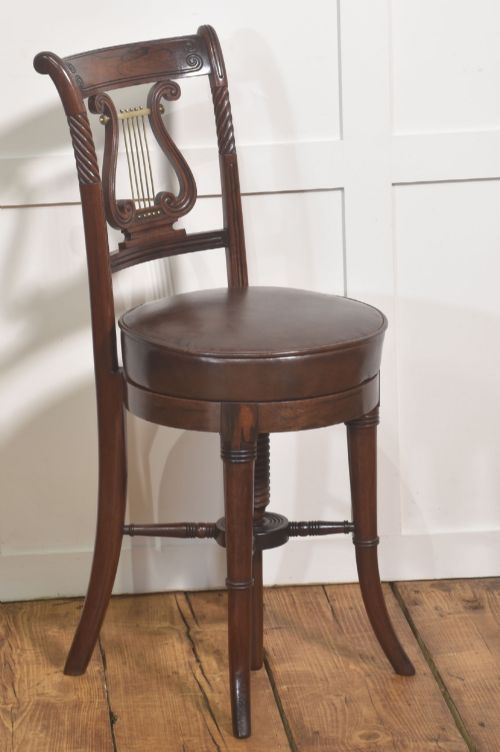
Construction relies heavily on durable hardwoods like mahogany and oak alongside structural metals such as cast iron and brass. Joinery techniques from the nineteenth and early twentieth centuries ensure mechanical parts endure repeated adjustment. Leather inserts frequently top writing surfaces, while patented mechanisms allow smooth vertical movement.
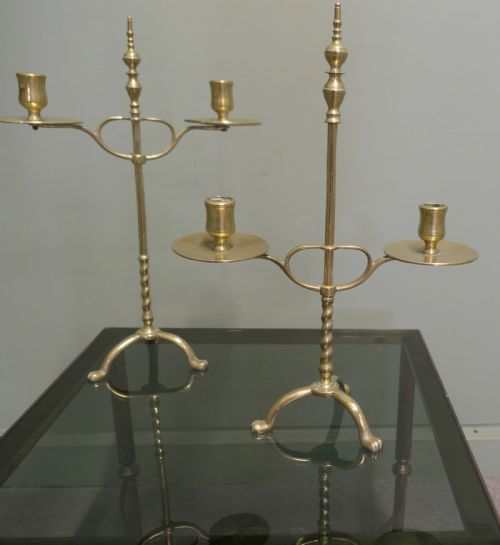
Makers utilised timber frames combined with metal spindles, ratchets, and screw mechanisms to achieve variable heights. Brass fittings and cast iron bases add weight and stability to reading tables and lamps, ensuring the pieces function reliably while retaining period character.
Assessing quality and craftsmanship
Quality in a height adjustable desk lies in the precision and smoothness of its mechanical action. Original patents, such as Carter's patent mechanisms, indicate higher tier manufacture and thoughtful engineering designed for daily utility. Superior examples maintain uncompromised structural integrity in their screw threads, ratchets, and swivel joints.
The choice of timbers and the finesse of secondary materials further distinguish finer pieces. Solid mahogany, figured oak, patinated leather, and heavy cast iron demonstrate superior material selection compared to simpler pine or utility grade metals. Intricate details like lyre-shaped supports or inlaid woodwork elevate the visual refinement.
Height Adjustable Desk Retail Price Guide 2026
Typical asking prices for height adjustable desk among the pieces listed under this phrase on Sellingantiques today, from the lower quarter to the upper quarter. They describe what is for sale here now, not the wider market.
Green leather dominates the surviving patent music chairs, suggesting Victorians practiced their scales with a unified chromatic preference.
The Height Adjustable Desk Glossary
- Rise and fall
- A mechanical system using a threaded column or ratchet to alter the vertical position of a seat or surface. This mechanism allows the user to adjust the height smoothly.
- Swivel
- A pivot joint permitting full rotation of a chair seat or top around its central axis. This feature facilitates movement between different areas of a workspace.
- Patent
- An official protection granted to an invention, frequently stamped onto nineteenth-century mechanisms to denote proprietary design. Makers such as Carter utilised patented systems for reading tables.
- Architects table
- A specialised multi-adjustable table featuring a tilting top and variable height designed for drafting plans and drawings. These pieces often date from the Georgian period.
- Lectern
- A slanted reading stand designed to hold books or papers at an ergonomic angle for a standing reader. Many period examples incorporate adjustable stems.
Height Adjustable Desk: Frequently Asked Questions
How do adjustable mechanisms work?
Period mechanisms typically rely on threaded iron screws, internal ratchets, or friction collars operated by handles or turning the desktop itself. These systems raise and lower the surface securely.
Regular gentle use and appropriate lubrication keep these historic metal parts functioning smoothly without stripping the original threads.
Are these pieces suitable for daily office use?
Many sturdy oak and beech revolving desk chairs and tables remain entirely functional for contemporary workspaces. Their robust construction handles regular sitting and adjustment.
Buyers should consider the scale and ergonomic comfort of historic seating alongside modern daily requirements.
How do I identify a Victorian reading table?
Victorian reading tables usually feature heavy mahogany or walnut timbers, adjustable book rests, and substantial pedestal bases in cast iron or timber. Patent marks often appear on the metal fittings.
Examining the turning of the timber and the patina on the brass helps confirm nineteenth-century origins.
What maintenance do leather writing surfaces need?
Leather inserts benefit from occasional cleaning with a damp cloth followed by a suitable leather balsam to prevent drying and cracking. Avoiding direct sunlight preserves the original dye.
Preserving the leather maintains the visual contrast between the hide and the surrounding mahogany or oak woodwork.