




Mahogany Plate Stand
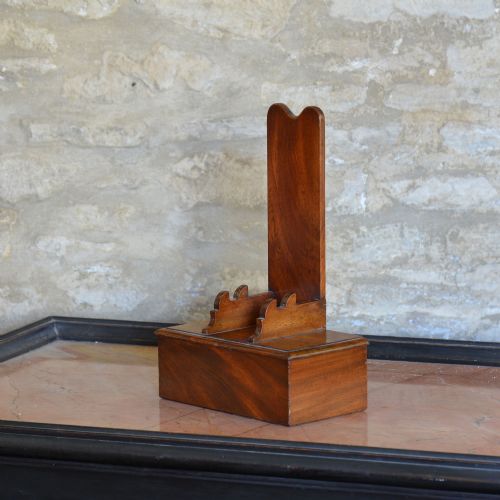
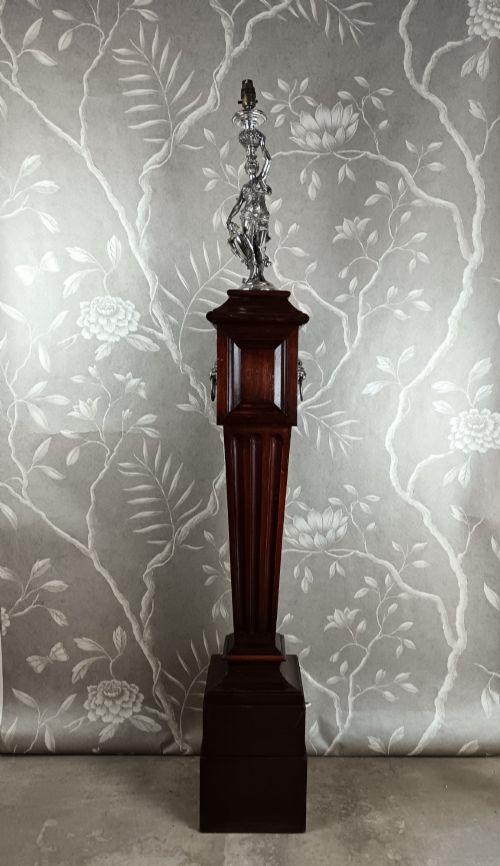
These mahogany plate stand pieces are practical treen items designed to hold dishes or trays securely by the hearth or on the table.
Mahogany Plate Stand
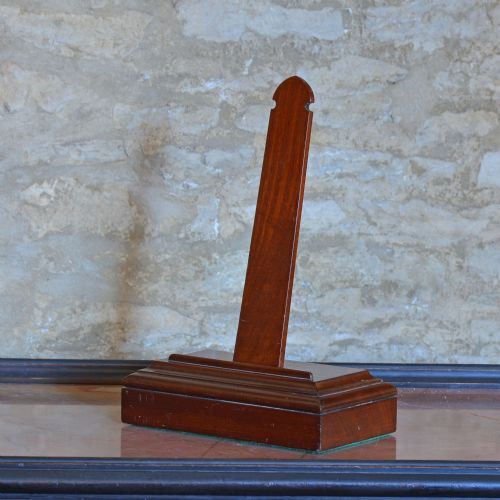
A mahogany plate stand holds plates, trays or dishes upright and ready for use in domestic interiors. When you search for this phrase, you encounter examples fashioned as folding frames or weighted holders designed to keep tableware safe near the fire or on the sideboard.
The pieces appearing on this page span the Georgian period, the nineteenth century and the early twentieth century. Forms range from simple folding items known as cat stands to multi-tiered stands and display pieces intended to show off decorative ceramics.
Materials and construction
Workshops relied primarily on mahogany, supplemented occasionally by hardwood, fruitwood, oak and ebonised timber. Surfaces were often left with a warm polished finish to highlight the deep grain of the wood.
Joinery techniques included turned uprights, hinged folding crosses and weighted bases designed to prevent tipping. Some examples incorporated felt protective pads or carved details to cushion the items placed upon them.
Mahogany Plate Stand Retail Price Guide 2026
Typical asking prices for mahogany plate stand among the pieces listed under this phrase on Sellingantiques today, from the lower quarter to the upper quarter. They describe what is for sale here now, not the wider market.
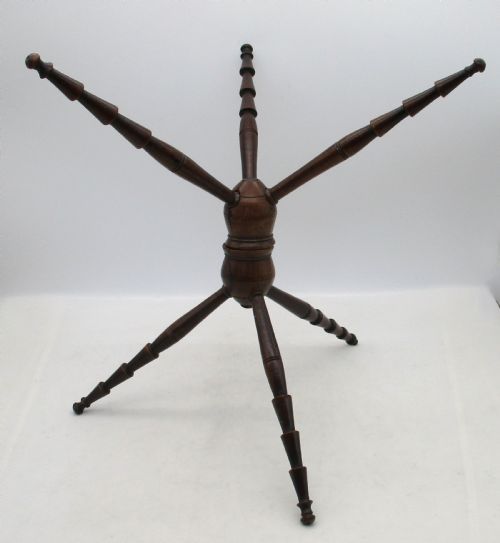
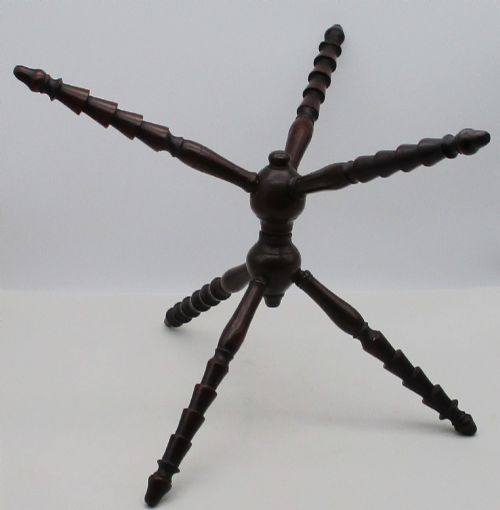
Early folding frames earned the affectionate nickname cat stands because their three legs mimic a resting feline.
Judging quality in mahogany plate stands
Quality rests in the crispness of the turning, the weight and balance of the folding mechanism, and the selection of the timber. Dense, richly figured mahogany indicates a higher standard of manufacture than plain utility pieces.
Condition and original integrity separate standard examples from finer survivals. Retaining original hinges, weighted lead plugs and unblemished wood surfaces distinguishes the better specimens.
The Mahogany Plate Stand Glossary
- Cat stand
- A folding wooden stand with three intersecting legs that resembles a resting cat and supports plates or dishes by the fireside.
- Treen
- Small handmade wooden household objects created before the era of mass plastics. Collectors prize these functional items for their tactile surfaces and historic patina.
- George III
- The stylistic period spanning the reign of George III from seventeen sixty to eighteen twenty, characterised by classical proportions and refined cabinetmaking.
- Weighted plate stand
- A domestic stand featuring a lead or metal weight inserted into the base to ensure stability when holding heavy ceramic plates.
Mahogany Plate Stand: Frequently Asked Questions
What is a mahogany plate stand?
A mahogany plate stand is a portable wooden frame designed to hold plates, trays or dishes upright on a table or by the hearth. These items kept tableware organised and accessible during meals or fireside gatherings.
Most examples feature folding legs or weighted bases that allow them to collapse flat when not in use. They represent practical domestic treen from past centuries.
How were these stands used?
Households utilised plate stands to warm dinner plates near the fireplace before serving a meal. They also served as display holders for decorative ceramics or trays.
Their portable nature meant servants could move them around the dining room or parlour as needed. The folding design saved space when the stands were stored away.
How do I date a mahogany plate stand?
Dating relies on examining the timber, the turning style, and the construction methods used in the frame. Georgian and early nineteenth-century pieces often display hand-turned uprights and simpler folding mechanisms.
Later Victorian and Edwardian examples may show machine-planed components or different wood selections. Comparing the wear patterns and patina helps confirm the age of the piece.
How do I care for antique mahogany?
Keep antique mahogany out of direct sunlight and away from radiators to prevent the wood from drying out and splitting. Dust the surface regularly with a soft, dry cloth.
Avoid applying modern silicone polishes, which can build up and damage the historic finish. An occasional application of traditional beeswax helps maintain the lustre of the grain.