
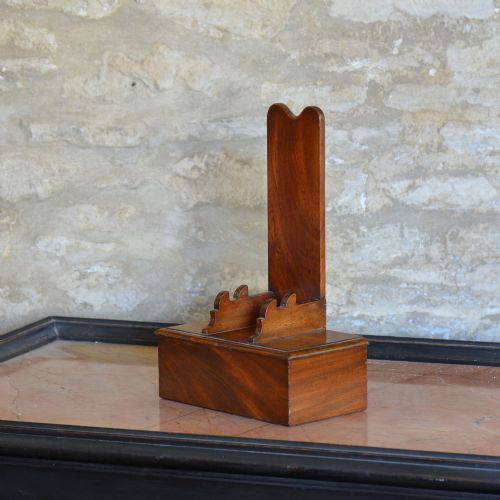
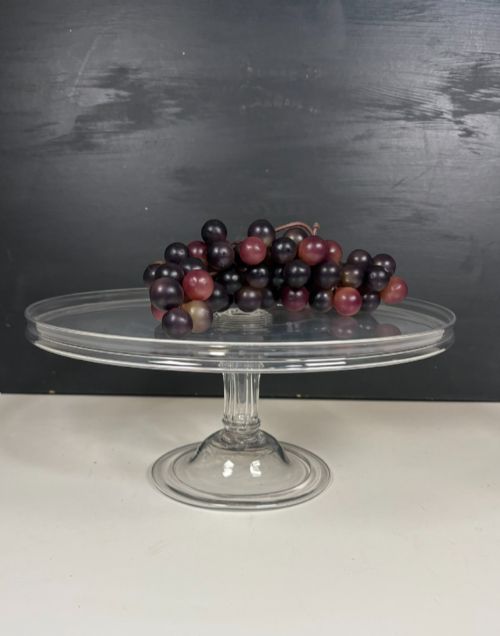


Georgian Plate Stand
A georgian plate stand keeps dishes off the dining table or hearth, offering a practical form built from timber and metal.
Georgian Plate Stand
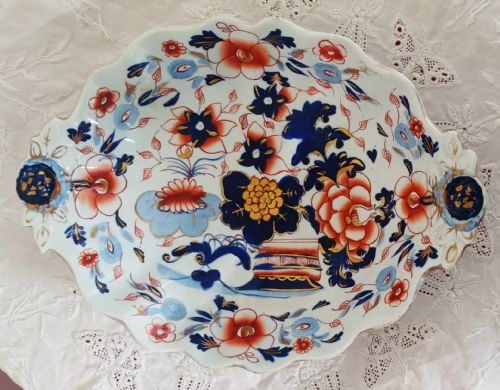
A georgian plate stand encompasses several domestic forms designed to hold tableware, dishes, or warming vessels near the dining table or fire. The selection ranges from rotating mahogany fireplace stands and cats to folding plate or tray holders produced across the eighteenth and nineteenth centuries.
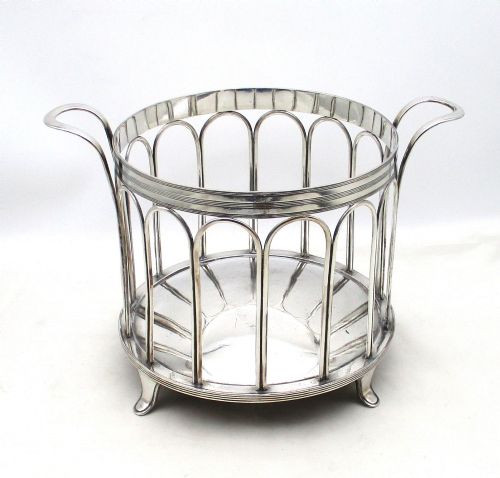
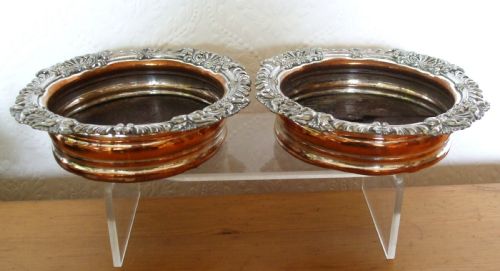
Buyers encountering this group will frequently find mahogany framework designed for fireside utility alongside silver-plated or Old Sheffield plate serving accessories. The grouping also incorporates related items like tazzas, inkstands, and bottle coasters that share the core functional design of elevated display.
How They Were Made
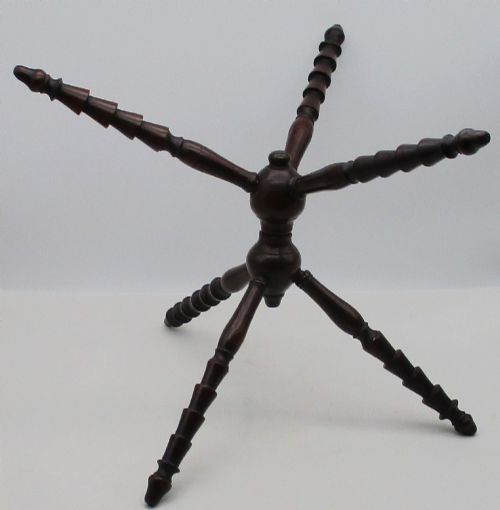
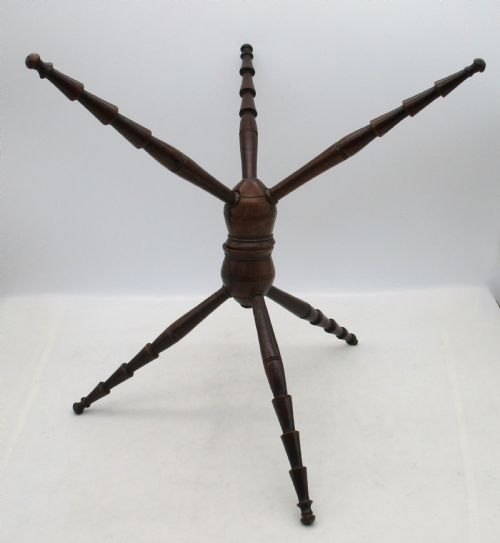
Makers constructed wooden stands from dense timber like mahogany, utilising turned supports and rotating mechanisms to hold plates or kettles close to a heat source. Joinery relied on precise turning and fitting to ensure stability during daily domestic use.
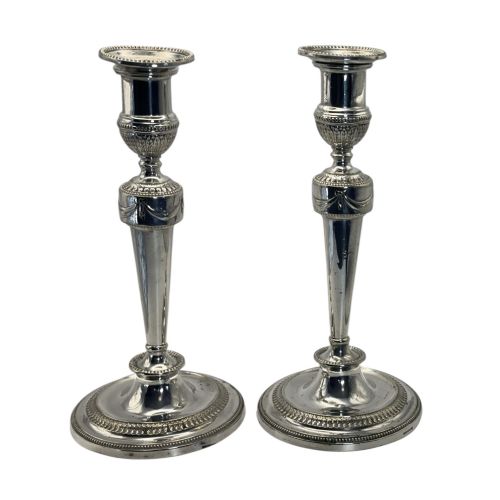
Metal items utilised silver plate, copper, and Old Sheffield plate fused by heat to form durable surfaces over base metals. Silversmiths shaped these sheets into coasters, candlesticks, and stands, finishing edges with applied wire borders and decorative mounts.
Object forms within this category range from fireplace accessories and wine coasters to cruet sets, tazzas, and inkstands.
What Varies in Quality
The standard of a piece depends upon the crispness of the turned woodwork and the integrity of the plated metal surfaces. Superior examples demonstrate balanced proportions, clean joints in the timber, and minimal loss of silver over the underlying copper or brass.
Makers' marks on plated items and the weight of the mahogany distinguish finer workshops from standard production. Construction details, such as the smoothness of a rotating mechanism or the thickness of fused silver plate, determine the enduring character of each object.
Mappin And Webb·Hicks And Meigh·Matthew Boulton
The Georgian Plate Stand Glossary
- Old Sheffield Plate
- A composite metal formed by fusing a sheet of silver to a thicker bar of copper under heat. This technique predates electroplating and produces a rich surface that shows warm copper highlights where wear occurs over generations.
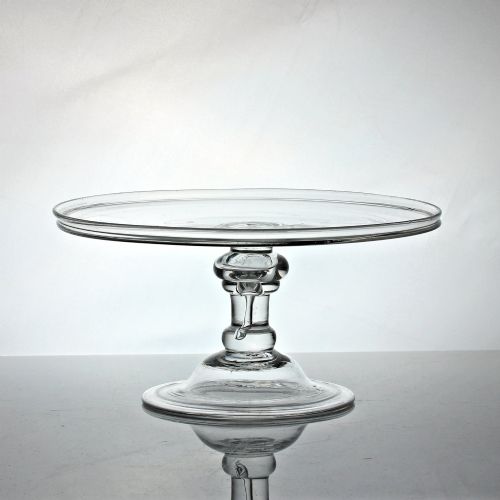
- Tazza
- A shallow saucer or bowl raised on a central foot or pedestal. Used for serving fruit or sweetmeats, these pieces appear in silver, glass, and ceramic across the period.
- Cat
- A fireside stand with three radiating legs, also known as a footman or rotating plate stand. It held a plate or kettle near the fire to keep food warm.
- Standish
- A desk accessory comprising a tray fitted with inkwells, pen holders, and sanders. These items gathered writing equipment in one portable container.
Georgian Plate Stand: Frequently Asked Questions
What is a georgian plate stand used for?
These stands served to elevate plates, kettles, or serving dishes away from cold surfaces and near heat sources in the dining room or parlour. Wooden versions often rotated to warm food items beside a fireplace.
Metal examples held tableware or served as secure bases for teapots and decanters on sideboards. Their multi-tiered or pivoting designs maximised space during large meals.
How do I identify Old Sheffield plate?
Old Sheffield plate displays a sandwich-like construction where the underlying copper shows through along raised edges or high points from polishing. This early fusing method produces a softer lustre than nineteenth-century electroplate.
Examining the underside or seams often reveals the characteristic copper bleeding through the thin silver layer. Heavy weight and hand-applied borders further separate this material from later plated wares.
What wood was used for stands?
Mahogany served as the primary timber for eighteenth and nineteenth-century stands due to its strength and rich grain. Carpenters turned solid pieces into slender legs and rotating tiers.
Secondary woods sometimes appear in hidden structural components, but visible surfaces feature dense mahogany finished with wax. This timber withstood the heat of the hearth without splitting.
Are these stands suitable for daily use?
Solid mahogany frames and sturdy metal plate stands retain their structural integrity and function well in modern interiors. Careful placement away from direct radiators prevents the wood from drying out.
Gentle cleaning maintains the historic surface of both timber and silver-plated brass. Regular use keeps these domestic antiques integrated into contemporary dining and display.