


Antique Plate Warmer
An antique plate warmer brings ingenious 18th- and 19th-century dining technology to the modern table, offering both historical charm and practical heat retention.
Antique Plate Warmer
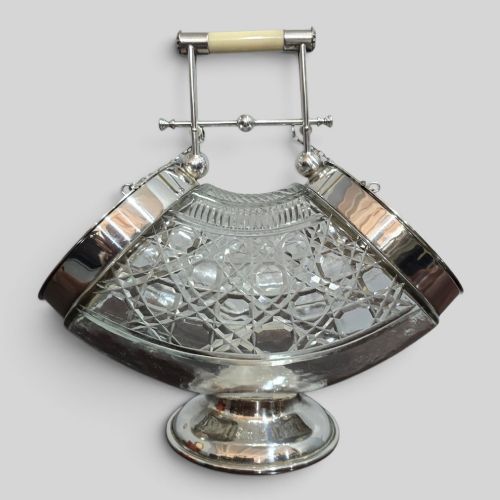
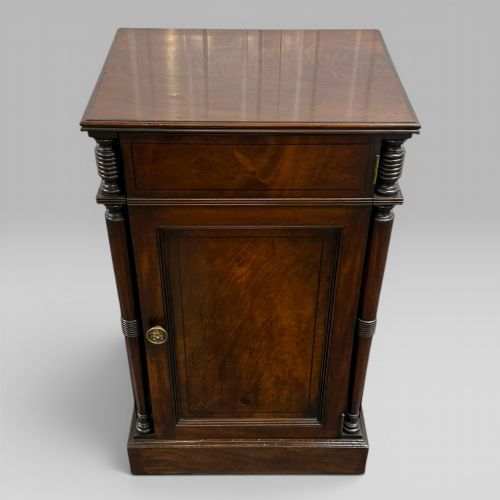
An antique plate warmer encompasses a diverse group of Victorian, Georgian, and Edwardian devices designed to keep food, gravy, and tableware at the correct temperature for the dining table or hearth. When searching for an antique plate warmer, buyers frequently encounter silver-plated pedestals, Old Sheffield Plate warming dishes, and revolving breakfast dishes.
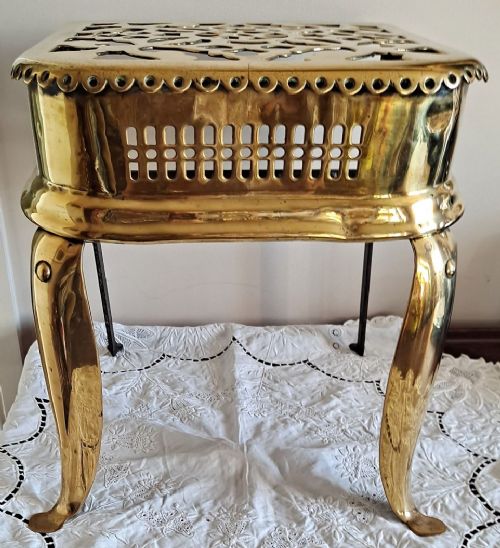
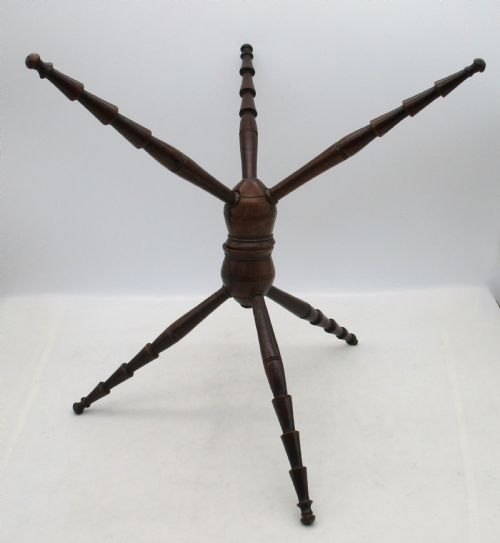
The category extends from large mahogany pedestals and fireside footmen meant for the hearth to table-standing silver-plated argyles, gravy warmers, and novelty shell-shaped vessels. These domestic items reflect the elaborate dining rituals of the 18th and 19th centuries, where keeping dishes warm required circulating hot water or glowing embers.
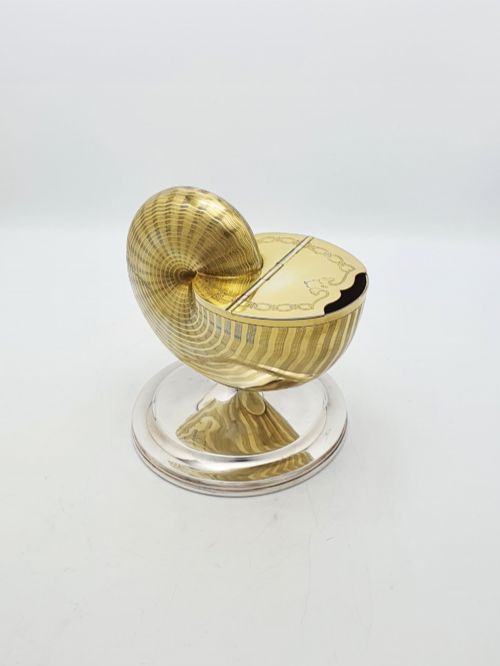
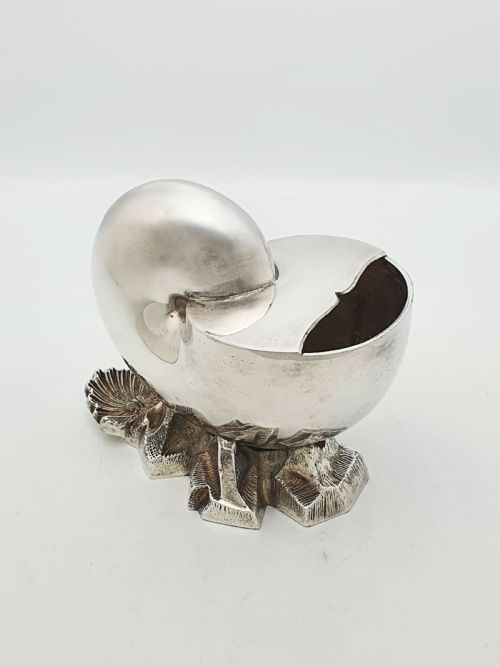
Makers utilised various metals and timber to construct these serving pieces, combining utility with decorative novelty in forms ranging from marine buoys to nautilus shells. Surviving examples demonstrate how households maintained warm meals before the advent of modern kitchen appliances.
How they were made
Silversmiths and manufacturers utilised silver plate, Old Sheffield Plate, and electroplated nickel silver over base metals to create bright, durable serving vessels with inner hot water compartments. Copper and brass appeared frequently in hearth accessories and footmen, while cabinetmakers worked in solid mahogany for revolving stands and pedestals.
Complex techniques such as fusing a thin sheet of sterling silver to a copper core defined Old Sheffield Plate, whereas later Victorian pieces relied on electroplating or solid brass and steel construction for durability. Makers incorporated hinged mechanisms, rotating joints, and detailed casting for novelty forms like shells and shoes.
Listings feature items spanning the 18th, 19th, and early 20th centuries, executed in silver plate, brass, copper, and mahogany.
What varies in quality
The distinction between standard production and top-tier pieces rests on the crispness of the casting detail, the weight of the silver plating, and the integrity of moving parts like hinges and rotating stands. Maker attribution also plays a role, with documented workshops demonstrating superior craftsmanship in assembly and finishing.
Heavier gauge metals, robust framing in mahogany or steel, and well-preserved plating separate the finest examples from simpler utilitarian items. The complexity of the design, such as multi-shell folding biscuit boxes or detailed novelty figures, distinguishes exceptional work.
Gillows·Padley Parkin And Staniforth·Mappin And Webb·Dan Holy·Fenton Brothers·Elkington·The Alexander Clark·Thomas Latham And Ernest Morton·Hukin And Heath·William Hutton
The Antique Plate Warmer Glossary
- Old Sheffield Plate
- A method of fusing silver to a copper base before rolling into sheets, used before electroplating became common.
- Argyle
- A gravy warmer featuring an internal cylinder or jacket for hot water to keep sauces warm without diluting them.
- Footman
- A metal stand placed in front of a fireplace to hold plates or kettles near the heat.
- EPNS
- Electroplated Nickel Silver, a durable base metal coated with a layer of silver via an electrical current.
- Fire Cat
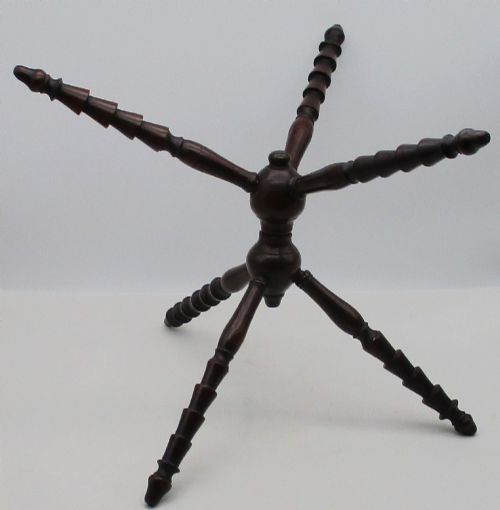
- A revolving mahogany stand placed near the fire to hold plates at various angles to the warmth.
Antique Plate Warmer: Frequently Asked Questions
How do you use an antique plate warmer?
Many tabletop warmers rely on an internal reservoir filled with hot water to maintain serving temperatures for dishes or gravy during a meal.
Hearth-based versions like footmen sit near the fire to warm plates before food is served.
What is the difference between Old Sheffield Plate and silver plate?
Old Sheffield Plate involves physically fusing a thin layer of sterling silver to a copper core through heat and pressure.
Later silver-plated items typically use an electrical current to bond a thin layer of silver onto a base metal like nickel silver.
How do you date a silver plated warmer?
Dating relies on maker marks, patent registration stamps, and stylistic cues such as Victorian naturalism or Georgian simplicity.
The transition from Old Sheffield Plate to electroplating around the mid-19th century also provides a clear chronological marker.
Can you still use these pieces today?
Tabletop warmers with water compartments function as they did originally for serving hot food or sauces.
Larger wooden stands and metal footmen serve well as decorative display pieces or functional trivets in period interiors.