


18th Century Stand
When exploring an 18th century stand, collectors encounter diverse utilitarian forms designed to elevate objects or utensils above the floor.
18th Century Stand
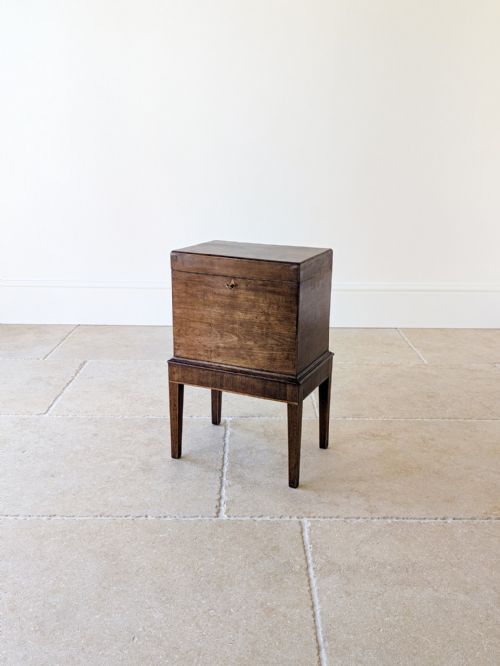
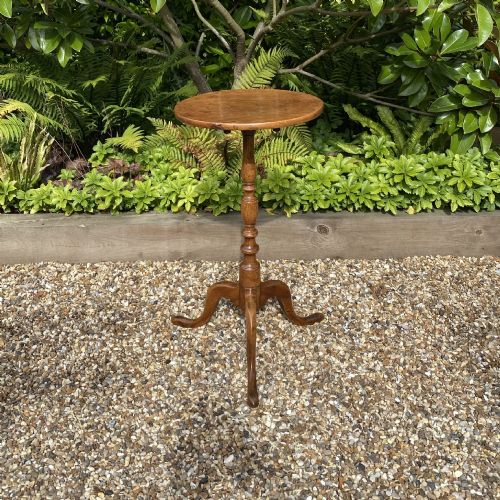
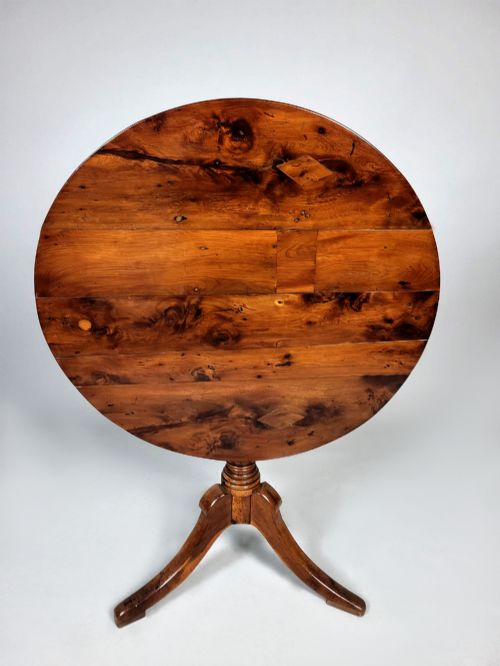
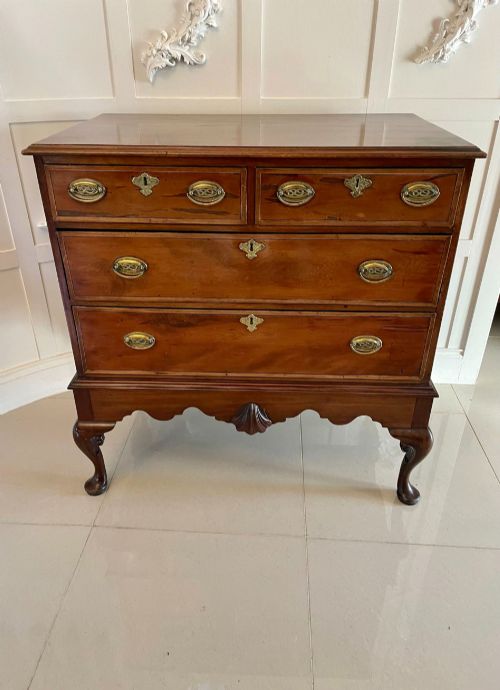
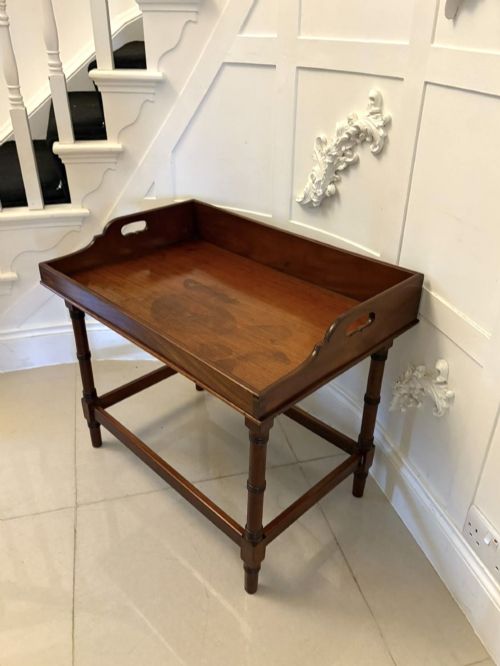
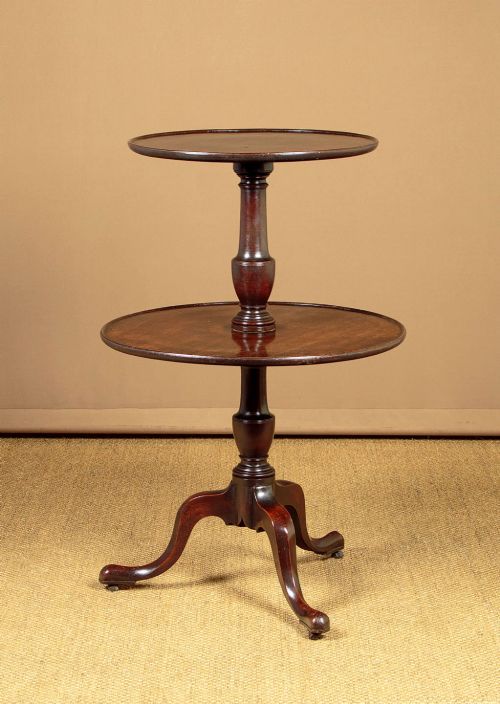
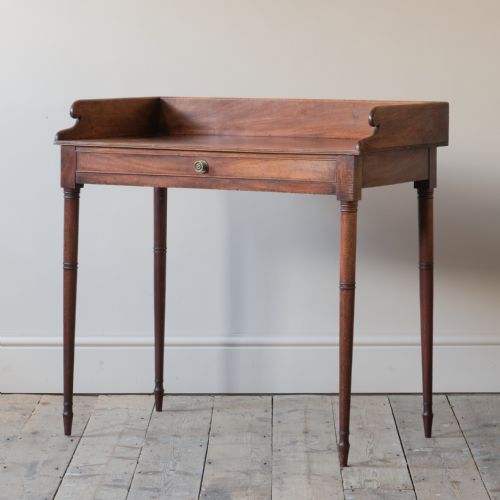
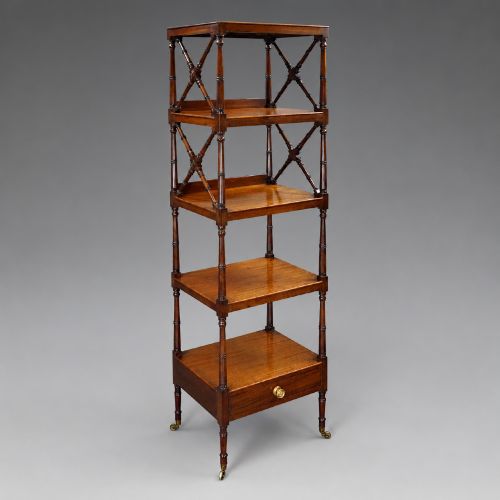
An 18th century stand encompasses specialised furniture created for dedicated domestic tasks, spanning from tea service supports to elevated storage units. Buyers exploring this category frequently encounter tripod kettle stands, washstands for personal grooming, and multi-tiered chests on stands designed to organise valuables. These forms reflect the domestic priorities of Georgian households, where specific furniture types emerged for dining, hygiene, and display.
The material palette of these pieces relies heavily on native timbers like oak and elm alongside imported hardwoods including mahogany and walnut. Regional variations appear across English, Welsh, and continental examples, demonstrating distinct local cabinet-making traditions. Whether meeting a small walnut chest on stand or a mahogany tripod wine table, buyers engage with functional design shaped by eighteenth-century craftsmanship.
Materials and construction methods
Cabinet-makers constructed these pieces using solid timbers and decorative veneers applied to secondary woods, utilising traditional joinery such as dovetails for drawer construction and mortise and tenon joints for frames. Turned elements like slender columnar shafts and pad feet required skilled lathe work, particularly on tripod tables and torchieres.
Surface treatments involved careful polishing, waxing, or lacquering to protect the wood while highlighting natural grain patterns such as burr walnut figures and mahogany figuring. Inlaid details incorporate contrasting timbers like boxwood, satinwood, and harewood, geometric marquetry, or parquetry panels.
Several stands feature carved putti and tilting tops designed for unexpected midnight snacking.
Assessing quality and proportion
Quality in these pieces rests upon the balance of proportions, the selection of timber figure, and the crispness of carved or turned details. Superior examples exhibit harmonious dimensions where supports, legs, and surfaces relate logically without appearing clumsy.
The integrity of construction, originality of hardware, and depth of surface patina further distinguish finer works. Master craftsmen demonstrated precision in joint alignment and secondary wood selection, whereas lesser pieces reveal heavier scantlings and simpler execution.
Lee of Great Marlow·Richard Corless of Stockport·James Hendrie Falkirk
The 18th Century Stand Glossary
- Chest on stand
- A two-part storage furniture form comprising an upper chest of drawers mounted upon a low supporting stand with legs.
- Kettle stand
- A small occasional table, often featuring a circular dish top, utilised for holding hot water vessels during tea service.
- Torchere
- A tall ornamental stand designed to support a candelabrum or light source, frequently carved with classical or baroque motifs.
- Tripod table
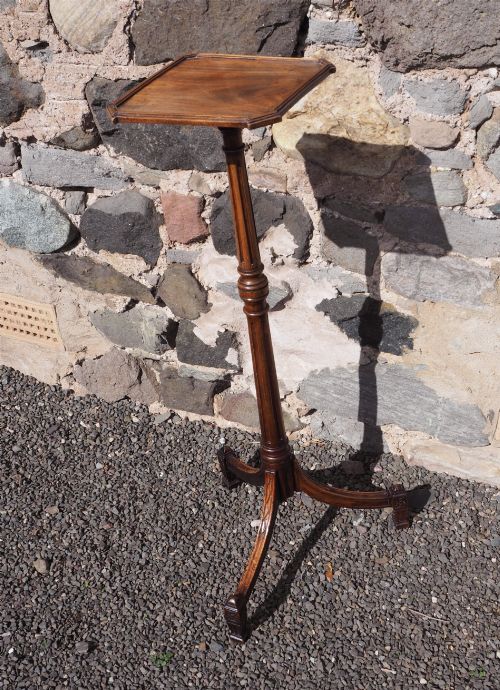
- A small freestanding table supported by a central pillar above three spreading legs, commonly utilising a tilt-top mechanism.
18th Century Stand: Frequently Asked Questions
What is an 18th century stand used for?
These pieces served specific household functions, ranging from holding tea kettles and washbasins to elevating chests and candles.
Their practical design allowed domestic items to be positioned conveniently near seating areas or bedroom spaces.
How do I distinguish walnut from mahogany stands?
Walnut pieces typically date from the earlier decades of the century and display rich, figured grain patterns with a warm brown tone.
Mahogany became predominant later in the period, offering a denser reddish-brown timber suitable for crisper carved details.
Where should I place a tripod table at home?
Tripod tables fit well beside armchairs or in corners as compact surfaces for lamps, books, or decorative objects.
Their narrow footprint makes them versatile additions to both traditional and contemporary interiors.
Are chest on stands two separate pieces?
They consist of an upper cabinet containing multiple drawers designed to rest securely upon a separate low stand.
This two-tier construction facilitated easier transport of heavy household furniture between rooms or floors.