


Antique Hearth Trivet
An antique hearth trivet stands by the fire to warm plates and kettles, bringing practical period metalwork directly to your hearth.
Antique Hearth Trivet
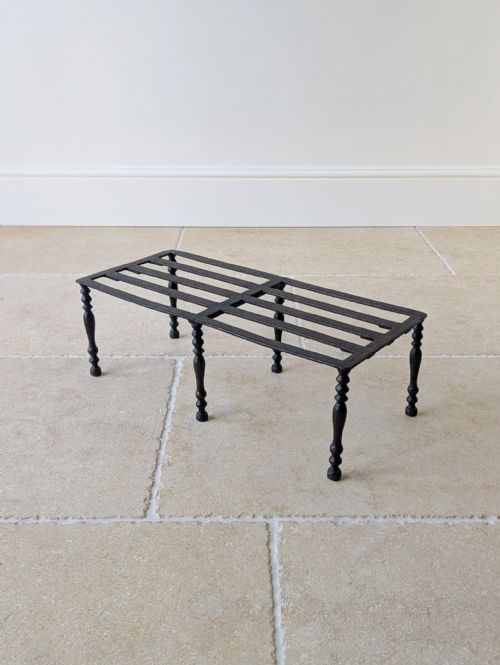
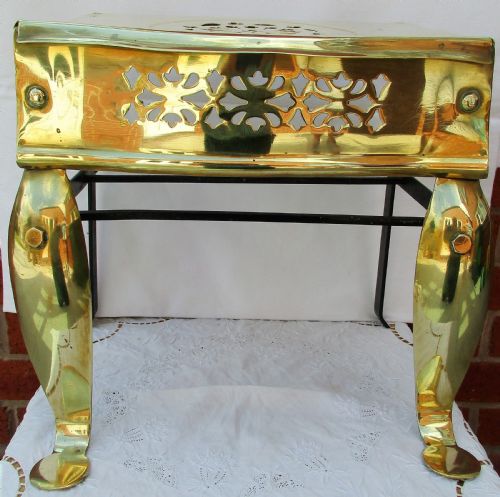
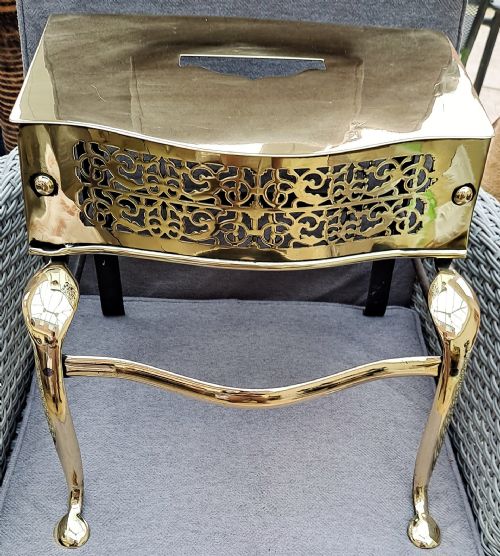
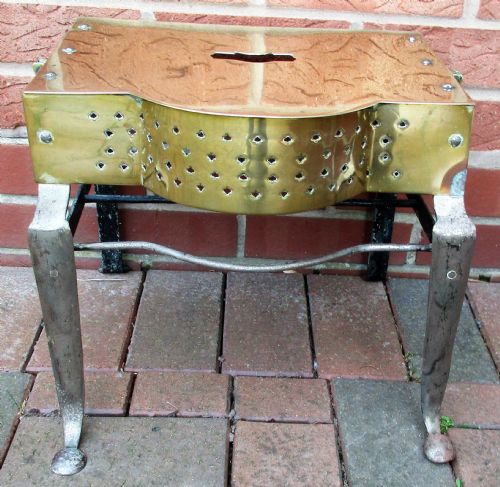
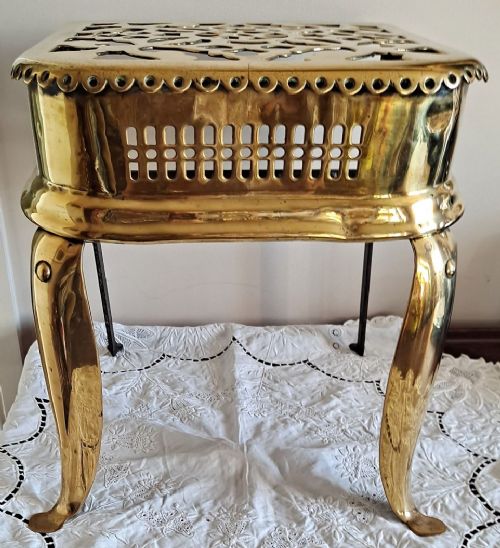
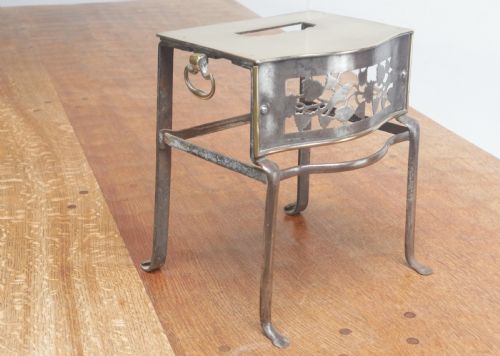
An antique hearth trivet encompasses utilitarian fireplace accessories designed to sit near the flames, including footmen, kettle stands, and plate warmers. You will regularly encounter footmen featuring brass tops paired with iron frames, alongside smaller standalone trivets and rotating fire cats.
The pieces visible span the Georgian, Regency, and Victorian periods, with country-house examples and Welsh designs appearing frequently. These items served a daily domestic purpose in keeping food and water warm close to the coal or wood fire.
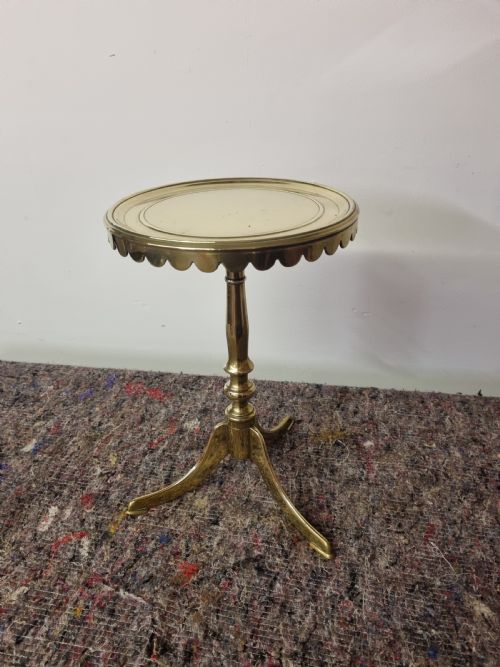
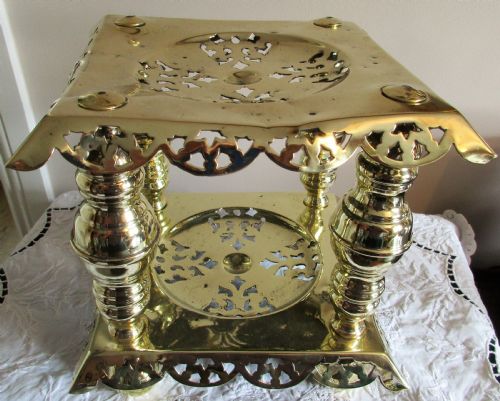
Formats range from simple three-legged brass stands to substantial two-tier hearth footmen with cabriole legs. Traditional Dutch pear-shaped kettles and stands also form part of the varied fireplace accessories available.
Materials and Construction
Makers utilised a combination of brass, steel, wrought iron, and cast brass to construct these sturdy fireside items. Brass plates and tops provided a bright surface that reflected the firelight, whilst iron and steel frames supplied the necessary structural strength to support heavy kettles.
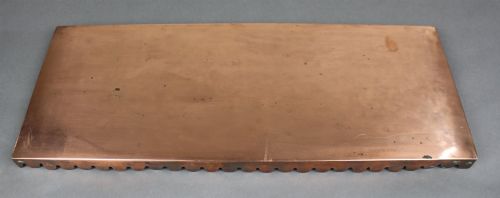
Joinery and riveting held the metal components together, and certain examples incorporate mahogany for handles or specific structural elements like rotating fire cats. Copper also appears in plates with scalloped edges, demonstrating the variety of durable metals chosen for kitchen and hearth use.
Antique Hearth Trivet Retail Price Guide 2026
Typical asking prices for hearth trivet among the pieces listed under this phrase on Sellingantiques today, from the lower quarter to the upper quarter. They describe what is for sale here now, not the wider market.
Listings feature items spanning the 18th century, Georgian period, Regency era, and Victorian times, constructed from brass, steel, iron, and mahogany.
Judging Quality
The distinction between standard items and superior examples lies in the weight of the metal and the refinement of the casting and piercing work. Better pieces display crisp detailing on the brass surfaces and substantial gauge steel or iron in the legs and stretcher bars.
Proportion and stability dictate the standing of a footman or kettle stand, where heavier brass tops and well-forged cabriole legs indicate careful workshop production. The integration of materials, such as combining turned mahogany with brass, also marks out more ambitious fireside pieces.
The Antique Hearth Trivet Glossary
- Footman
- A metal stand placed before a fireplace to support plates or kettles. These typically possess a brass top and iron legs.
- Fire Cat
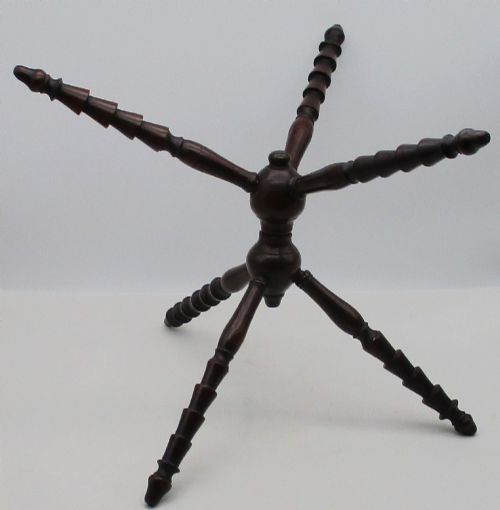
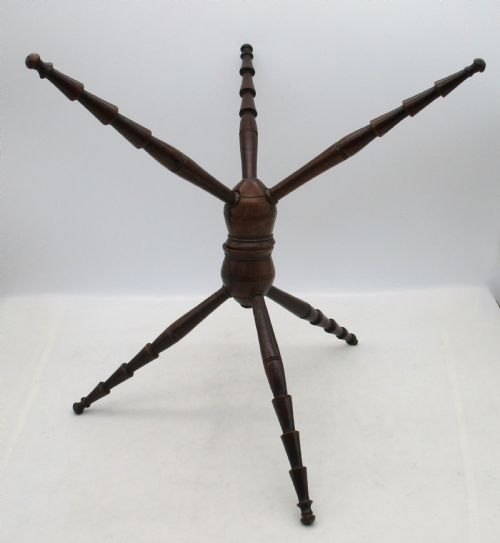
- A rotating fireside stand or plate warmer, often made from mahogany or metal. It allowed items to be turned easily toward the heat.
- Trivet
- A small three-legged support used to elevate cooking vessels or kettles near the fire. They appear in brass, iron, and copper.
- Cabriole Leg
- A curved leg referencing animal forms, seen on certain Porter and footman stools. This style brings graceful shaping to heavy utilitarian metalwork.
Antique Hearth Trivet: Frequently Asked Questions
What is a hearth footman used for?
A hearth footman served as an elevated platform placed directly in front of the fire to keep plates warm or heat water. They sat close to the hearth within reach of the grate.
In period households, cooks and servants utilised them during meal preparation to manage multiple dishes near the heat source.
How do I tell a Georgian trivet from a Victorian one?
Georgian pieces often display simpler, robust lines in wrought iron and heavy cast brass, sometimes featuring cabriole legs. They date from the eighteenth and early nineteenth centuries.
Victorian examples frequently introduce two-tier designs and brighter brass work, reflecting changing manufacturing techniques during the nineteenth century.
Were these trivets made of brass or iron?
Many examples combine both materials, utilising a polished brass top plate alongside a sturdy wrought iron or steel frame. This combination provided both heat resistance and structural durability.
Pure brass trivets and solid iron footmen also exist across the different periods represented in the listings.
What is a fire cat?
A fire cat is a specialised rotating fireside stand or plate warmer, often constructed from mahogany or metal. The rotating mechanism allowed users to adjust the position of items near the flames.
These pieces brought mechanical ingenuity to the domestic hearth alongside standard static trivets.