




Fireplace Footman Stand
A fireplace footman stand is a traditional hearth accessory used to warm plates near the fire, offering both practical utility and period character.
Fireplace Footman Stand
When you search for a fireplace footman stand, you are looking at utilitarian hearth furniture designed to sit close to the fire for warming plates or keeping food hot. These pieces belong to the wider category of fireplace accessories and hearthware, serving as functional kitchen and dining aids of past centuries.
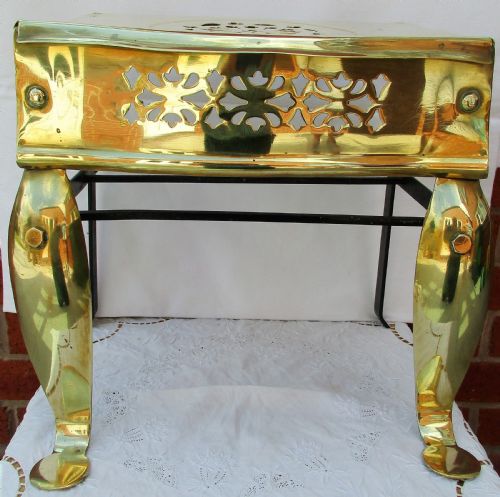
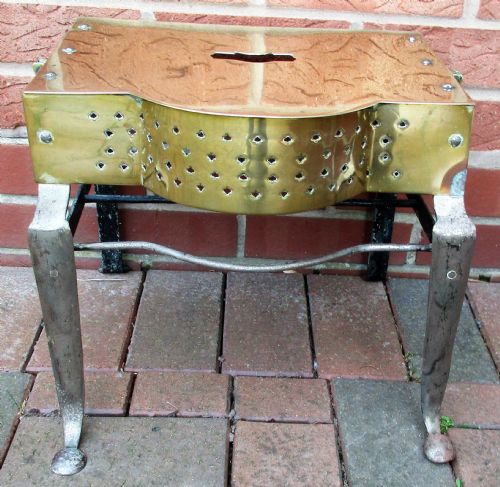
On this page, the version you are most likely to meet is the English brass and steel footman from the Georgian, Regency, or Victorian periods. These examples combine brass tops with iron or steel frames, often taking the form of low stands or trivets used beside the grate.
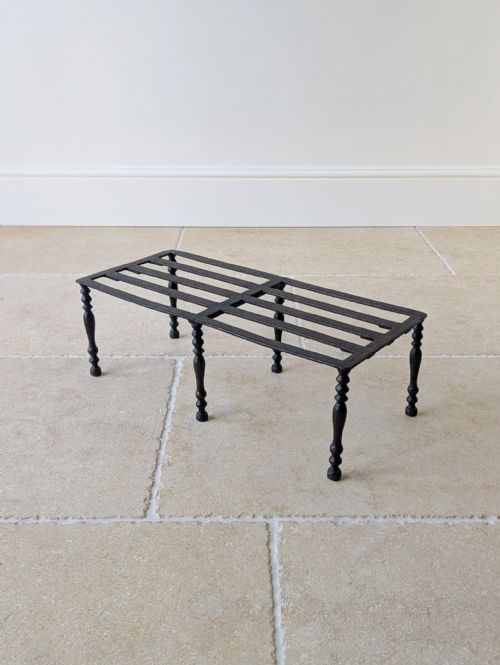
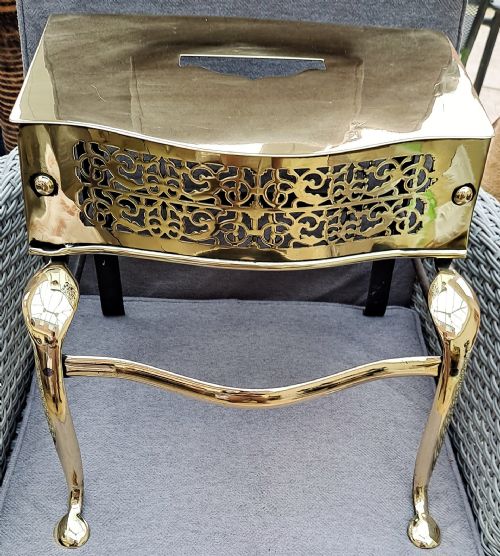
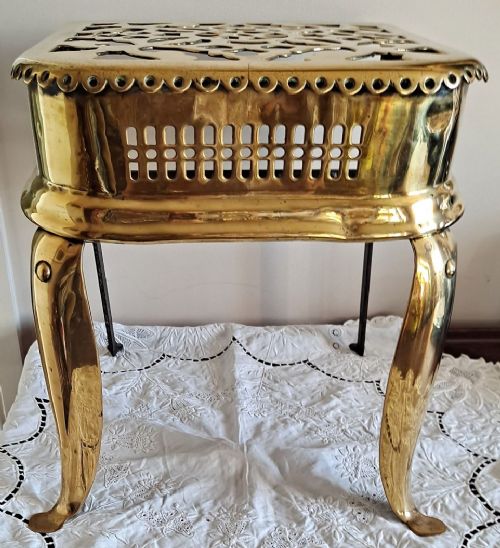
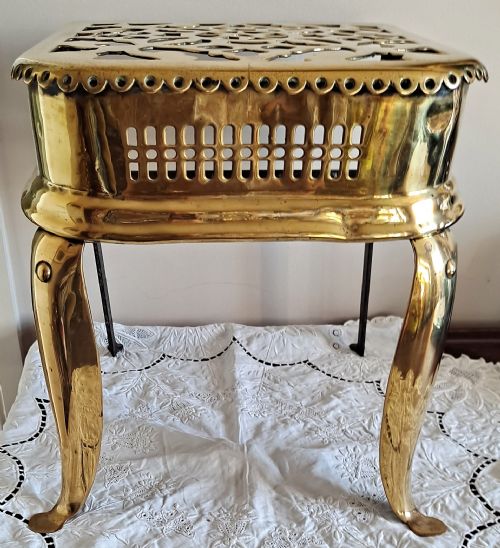
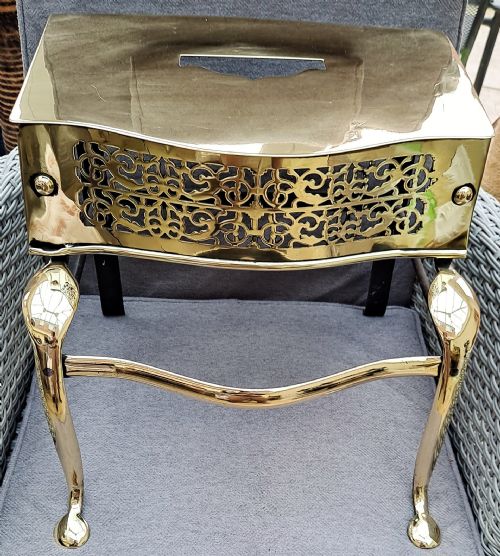
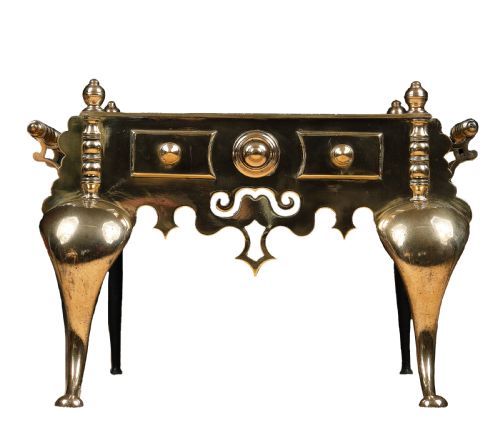
The selection ranges from country-house wrought iron pieces dating around 1800 to later Welsh fireside footmen and heavy inglenook warmers. Styles span simple utilitarian ironwork to more refined brass-topped designs featuring cabriole legs.
How they were made
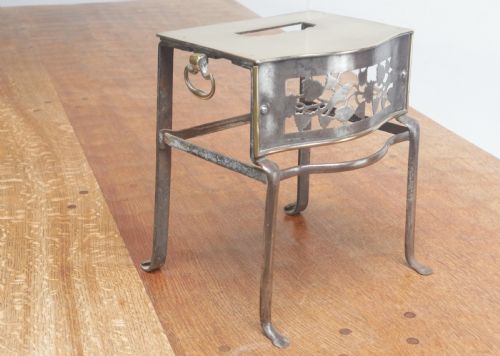
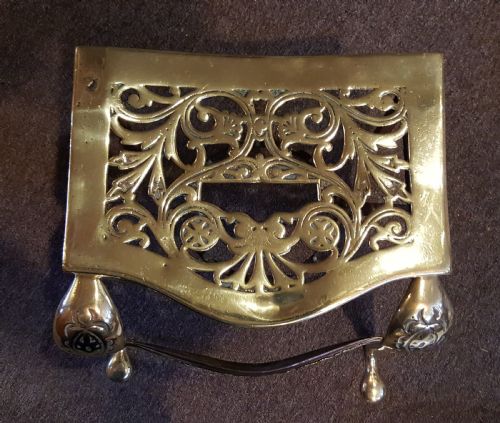
The construction of a fireplace footman stand relies heavily on the combination of brass and iron or wrought iron. Metalworkers forged the sturdy legs and frames from steel and iron to withstand intense hearth heat, while brass served for the top plate or decorative elements.
Makers utilised traditional blacksmithing techniques for the wrought iron and steel elements, shaping stands with integral handles or sturdy legs. Brass plates were often polished or cast, joined securely to the iron framework to create a durable piece of hearthware.
Listings feature brass, steel, iron, and wrought iron materials across Georgian, Regency, and Victorian periods.
What varies in quality
The distinction between a standard footman and a finer example lies in the weight of the metals and the refinement of the metalwork. Heavier brass plates and substantial wrought iron or steel frames indicate a higher grade of manufacture intended for grander domestic settings.
Design details also separate ordinary pieces from superior ones, such as well-formed cabriole legs or balanced proportions. The integration of materials and the crispness of the brass casting reveal the maker's skill.
The Fireplace Footman Stand Glossary
- Footman
- A metal stand placed before a fireplace to support plates or Kettles for warming. These items were essential components of historic hearth organisation.
- Trivet
- A three-footed or four-footed support used for raising cookware or serving dishes near the fire. In hearth accessories, this term often overlaps with footman.
- Inglenook
- A recessed corner by a large fireplace, where heavy footmen were traditionally stationed to keep food warm. This space formed the warm heart of historic rooms.
- Wrought iron
- Iron that has been heated and shaped with tools by a blacksmith, known for its fibrous texture and durability. It provides the strong skeletal frame for many early stands.
Fireplace Footman Stand: Frequently Asked Questions
What is a fireplace footman stand used for?
A fireplace footman stand was traditionally used beside the hearth to warm plates, keep food hot, or heat water near the fire. They served as movable metal tables before fixed kitchen ranges became common.
Today, collectors use them as decorative fireside accents or plant stands, appreciating their historic utility and warm metal tones.
How do I date a brass footman?
Dating relies on observing the combination of materials, construction methods, and the style of the legs, such as cabriole forms typical of Georgian pieces. Earlier examples often feature hand-wrought iron paired with heavy brass.
Later Victorian and late nineteenth-century versions display different manufacturing traits and standardised components. Comparing the weight and joining techniques helps clarify the period.
What is the difference between a footman and a trivet?
While both support items near the fire, a footman generally refers to a larger stand with legs, often with a flat top for plates. A trivet can be a simpler three-legged support for a single kettle or pot.
In historic listings, these terms sometimes overlap as general hearth accessories designed for fireside thermal use.
Were footmen made of brass or iron?
Most traditional footmen combine both metals, utilising sturdy iron or steel for the frame and legs to endure high heat. The top plate is typically made of polished brass.
Some country pieces consist entirely of wrought iron, while others showcase heavy brass tops supported by steel structures.