


English Hearth Stand
These English hearth stand pieces bring practical warmth and character to the fireplace, offering a functional focal point for traditional interiors.
English Hearth Stand
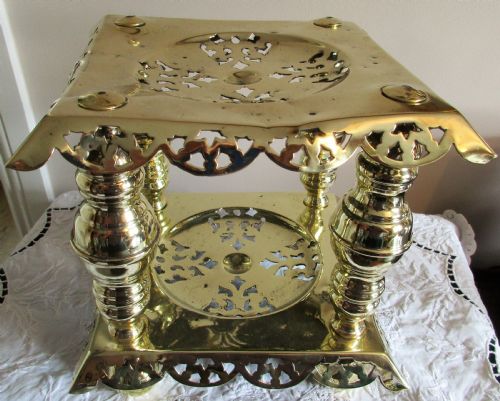
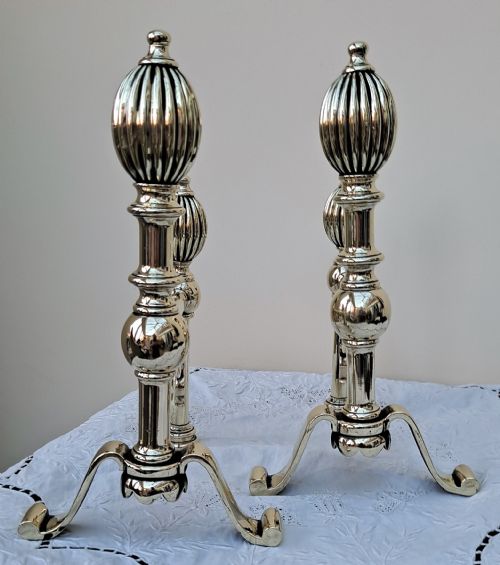
An English hearth stand encompasses a diverse group of fireside accessories designed to service coal and wood fires, ranging from footmen and trivets to pole screens and tool rests.
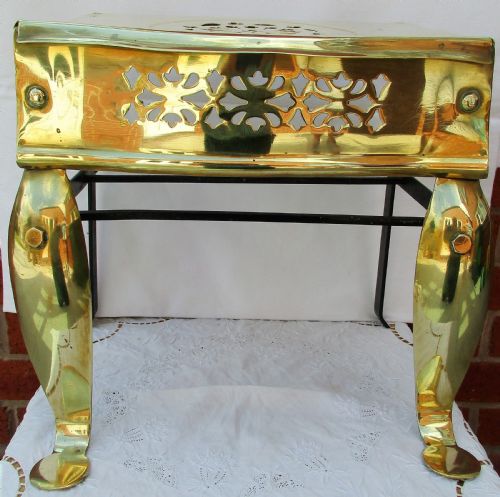
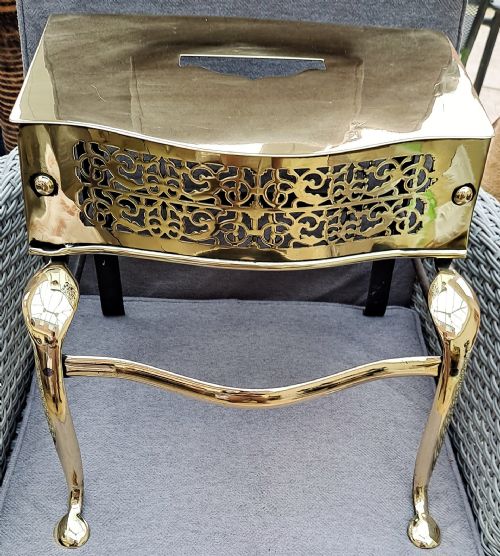
You are most likely to encounter Victorian and Georgian brass and steel footmen alongside needlepoint pole screens when browsing these items.
These pieces served practical roles beside the hearth, warming plates near the fire or deflecting radiant heat with adjustable embroidered panels.
Assessing Quality
Quality rests upon the weight and gauge of the metalwork, where heavier brass castings and solid steel frames demonstrate superior substance.
The fineness of the needlework and the complexity of the turned wooden framing distinguish finer decorative pieces from simpler utility items.
The listings span from the eighteenth century through the Victorian era and into the early twentieth century, incorporating brass, rosewood, and cast iron.
The English Hearth Stand Glossary
- Footman
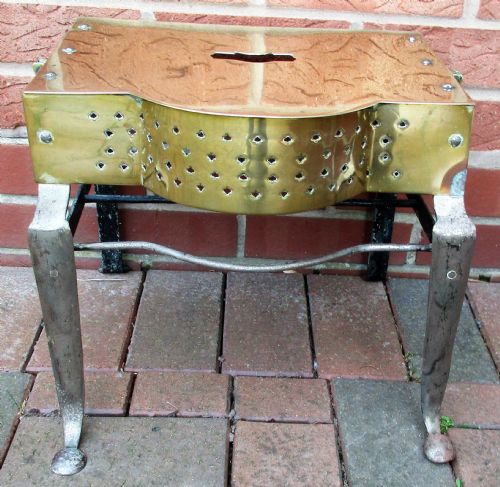
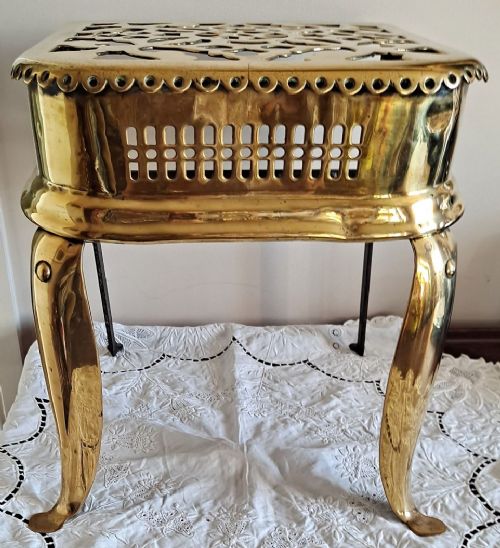
- A metal stand placed by the hearth to warm plates or kettles. These typically feature brass tops and steel legs.
- Pole Screen
- A vertical fireside screen with an adjustable panel to shield the face from radiant heat. Panels often display needlepoint or embroidery.
- Trivet
- A small three or four-legged stand used for supporting pots or kettles near the fire. Two-tier variants provide additional surface area.
- Rush Nip
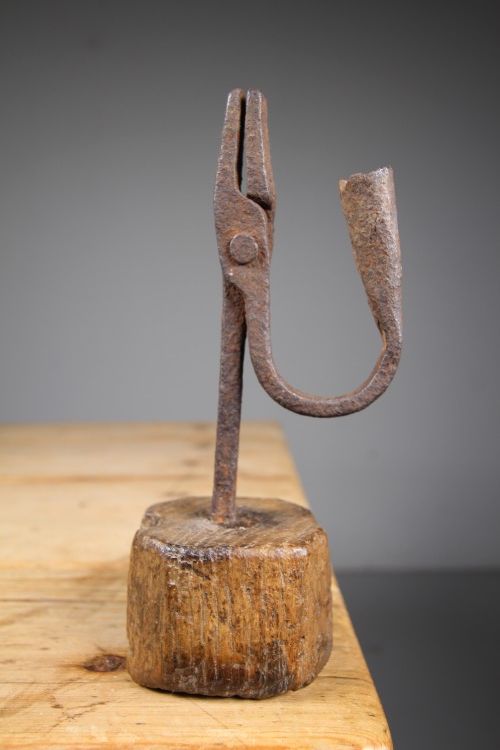
- A simple mechanical holder designed to grip rushlights for illumination. These functional items date to the eighteenth century.
English Hearth Stand: Frequently Asked Questions
What is an English hearth stand?
An English hearth stand is a fireside accessory used for functional or decorative purposes around a coal or wood fireplace. These pieces include metal footmen, trivets, and adjustable pole screens.
They originate across the Georgian, Regency, and Victorian periods, utilising materials such as brass, steel, wood, and needlepoint.
How do I date a pole screen?
Dating a pole screen involves examining the timber species, such as mahogany or rosewood, and the style of the turned pedestal base. Georgian and Regency examples often display restrained classical turning.
Needlepoint and embroidered panels also reflect period aesthetics, shifting from Georgian needlework to elaborate Victorian and Aesthetic Movement designs.
Are these pieces suitable for active fireplaces?
Many brass and iron stands remain structurally robust enough for functional placement near a hearth. Their original purpose was entirely practical.
Collectors often utilise sturdy footmen and trivets as decorative stands or plant holders within modern interiors.