





Brass Fireplace Trivet
A brass fireplace trivet brings warmth and hearthside utility to any period interior.
Brass Fireplace Trivet
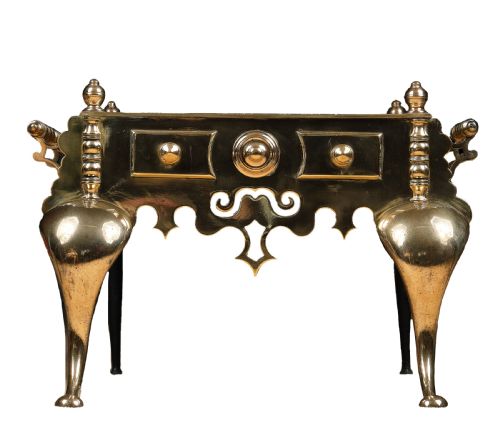
A brass fireplace trivet stands as a traditional hearth accessory designed for warming plates or boiling kettles near the open fire. When you search for a brass fireplace trivet, you find sturdy metal stands originating from the eighteenth, nineteenth, and early twentieth centuries.
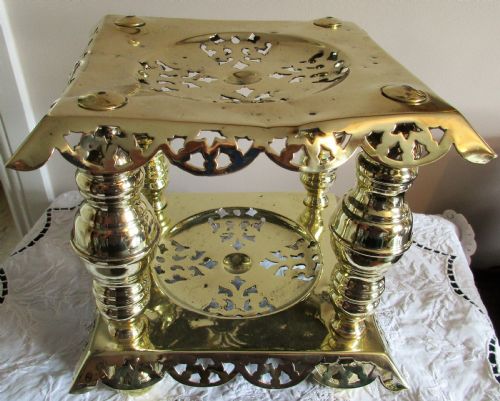
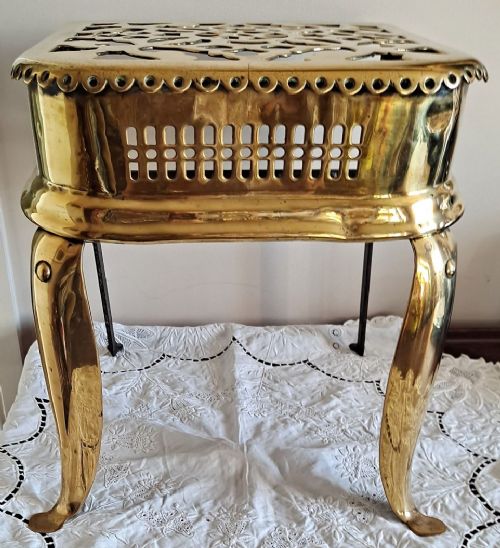
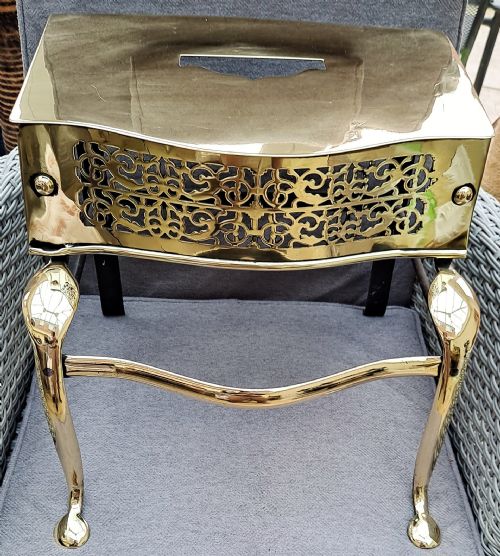
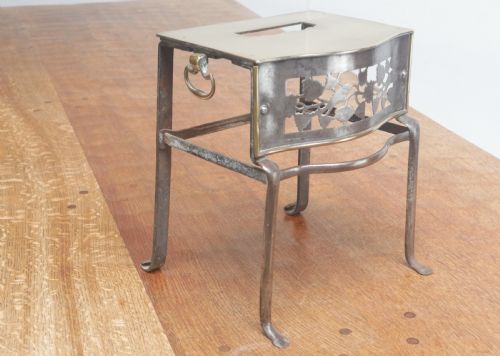
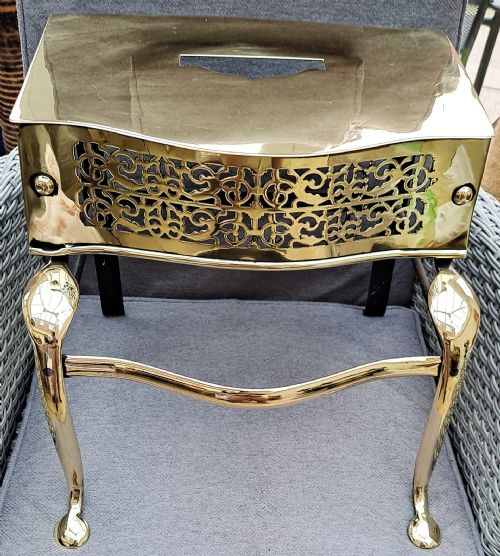
The pieces on this page span Georgian, Victorian, Edwardian, and Regency eras, often taking the form of a footman or kettle stand. Many examples combine a polished brass top plate with robust steel or iron legs for stability on the hearth stone.
How they were made
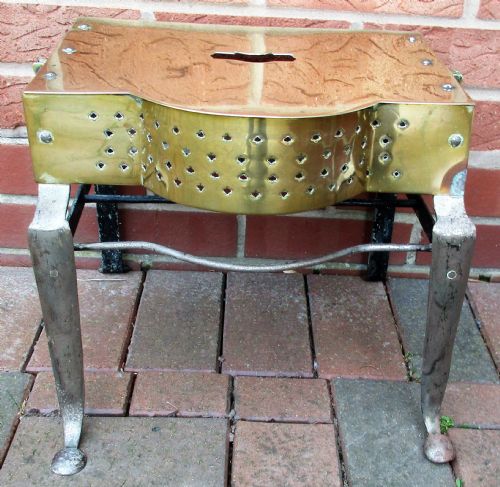
Maker's workshops built these trivets using heavy brass for the visible top plates and skirts, often pairing them with wrought steel or iron for the legs and structural frames. This combination allowed the brass to take a bright polish while the iron components endured the intense heat of the coal or wood fire.
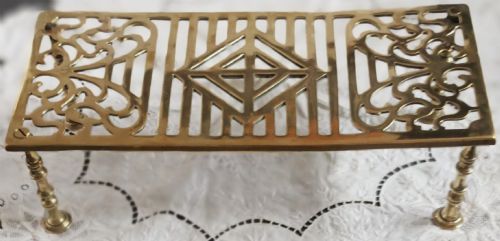
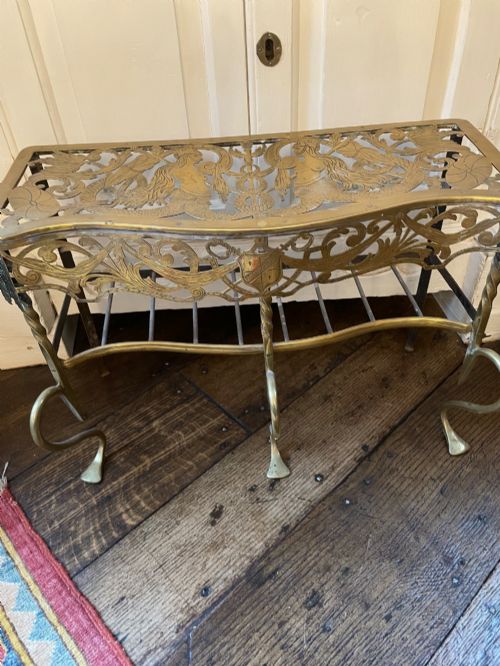
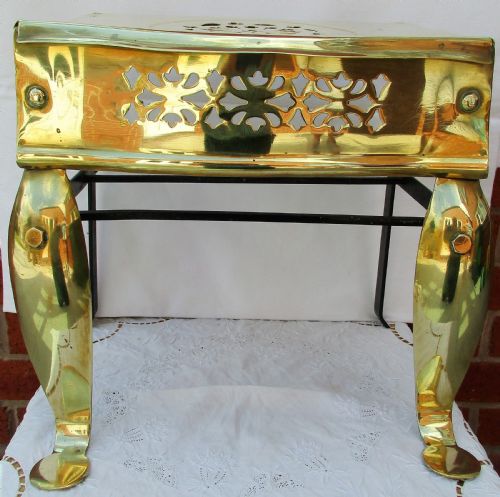
Surface decoration frequently involved pierced or engraved brass tops, featuring geometric patterns or cut-out handles for lifting. Legs were shaped into cabriole supports or straight pillars, demonstrating traditional metalworking techniques of the period.
Brass Fireplace Trivet Retail Price Guide 2026
Typical asking prices for brass fireplace trivet among the pieces listed under this phrase on Sellingantiques today, from the lower quarter to the upper quarter. They describe what is for sale here now, not the wider market.
Materials recorded across the inventory include solid brass paired with structural steel and iron components.
What varies in quality
Quality rests heavily on the thickness of the brass plate and the crispness of any pierced or engraved decoration. Heavier castings and substantial iron frames denote a sturdier build intended for heavy daily use rather than simple display.
Proportion and the elegance of the leg design also separate standard examples from finer pieces. Well-executed cabriole legs and balanced tier arrangements indicate superior craftsmanship during the Georgian and Victorian periods.
The Brass Fireplace Trivet Glossary
- Footman
- A low metal stand used beside the fireplace for keeping food warm. These sturdy pieces usually feature four legs and a flat top plate.
- Kettle stand
- A small trivet specifically designed to hold a boiling vessel close to the heat. They often incorporate two tiers for additional utility.
- Pierced brass
- Metalwork decorated by cutting through the sheet to create decorative patterns. This technique allowed heat to circulate while adding ornamentation.
- Inglenook
- The large recess around a fireplace where hearth accessories were traditionally placed. Items designed for this space needed to withstand high ambient temperatures.
Brass Fireplace Trivet: Frequently Asked Questions
What is a brass fireplace trivet used for?
These items served primarily to keep kettles boiling or plates warm directly in front of the open hearth.
Today, they function well as decorative plant stands or traditional fireside ornaments in period rooms.
How do I tell Georgian from Victorian trivets?
Georgian pieces often display restrained lines and simpler cast brass work with iron or steel supports.
Victorian versions frequently introduce heavier ornamentation, two-tier designs, or more elaborate pierced brass tops.
Can I use an antique trivet by an active fire?
While originally built for active hearth use, modern collectors generally preserve them as decorative items.
Heat exposure can occasionally damage historic metal joints or darken the polished brass surfaces.
How do I clean an old brass trivet?
Gentle dusting with a soft cloth preserves the historic patina accumulated over the centuries.
Harsh metal polishes should be avoided to protect the original texture of the brass and iron.