

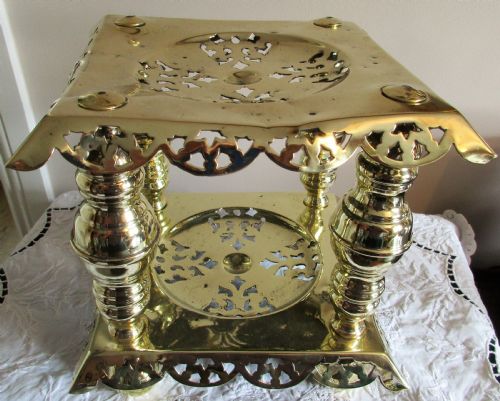
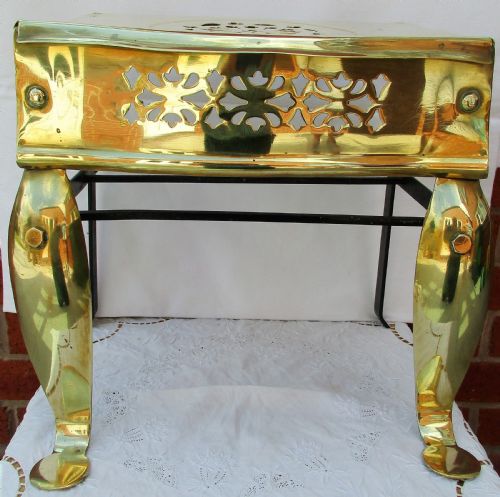
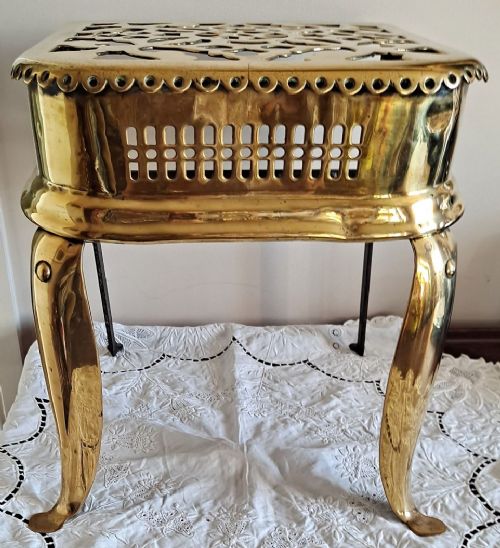

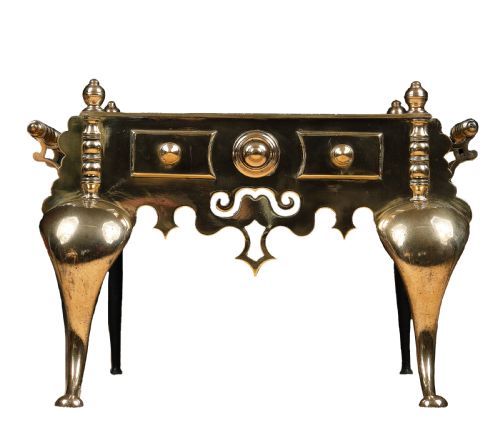



Victorian Brass Trivet
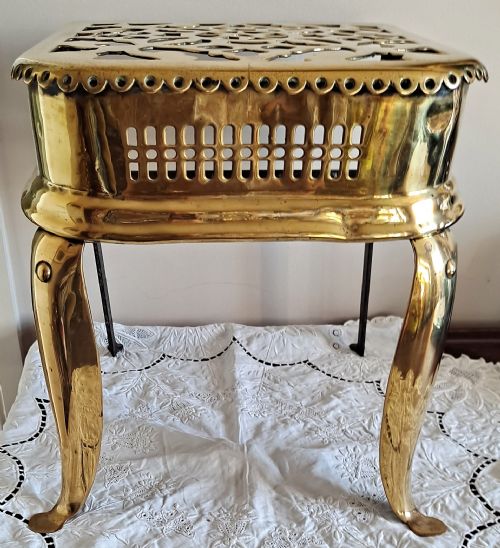
These Victorian brass trivet pieces are heavy metal hearth stands that bring genuine period warmth to a fireside.
Victorian Brass Trivet
When you search for a Victorian brass trivet, you encounter robust fireside accessories designed to stand near a hearth for warming plates or holding kettles. The pieces appearing here span the nineteenth century, including Edwardian and Georgian style examples alongside Victorian ones.
The forms divide between two tier trivet kettle stands and larger footman plate warmers. Many items combine brass with steel or iron components to handle the weight and heat of fireside use.
Origin points noted in the records include English and Welsh workshops. You will regularly find both simple flat top trivets and substantial footmen with pierced tops.
How they were made
Maker construction relies on heavy cast brass combined with steel or iron frames and legs. Workshops cast the tops in brass, often featuring pierced or patterned surfaces to let heat rise.
Materials like steel and iron provide structural strength for footmen and two tier stands that must support heavy kettles. These mixed metals are assembled with traditional fixings suited to nineteenth century metalworking.
Victorian Brass Trivet Retail Price Guide 2026
Typical asking prices for victorian brass trivet among the pieces listed under this phrase on Sellingantiques today, from the lower quarter to the upper quarter. They describe what is for sale here now, not the wider market.
A sturdy footman doubles as an imposing miniature stage for your heaviest Victorian kettle.
What varies in quality
Quality rests upon the crispness of the cast brass top and the integrity of the metal frame. Finer pieces display sharply defined pierced patterns and substantial weight rather than thin or uniform modern casting.
The combination of brass with steel or iron alters the visual balance and utility of the stand. Superior examples maintain stability across their tiers and feet while retaining their original patination.
The Victorian Brass Trivet Glossary
- Footman
- A large metal stand placed before a fire to keep plates warm. These heavy items often feature four legs and a pierced top.
- Trivet
- A small support stand used beside or over a hearth fire to hold kettles or dishes. They appear in single or two tier formats.
- Cast brass
- Molten brass poured into a mould to form shaped plates and stands. This method creates the decorative pierced surfaces seen on hearth pieces.
- Two tier trivet
- A stand featuring dual levels for holding multiple items near the fire. The upper and lower platforms maximise warming space.
Victorian Brass Trivet: Frequently Asked Questions
What is a footman?
A footman is a large hearth stand designed to hold plates near an open fire. They were essential pieces of nineteenth century fireside equipment.
These sturdy stands usually feature metal tops supported by legs, often combining brass with iron or steel.
How were trivets used?
Trivets served as portable stands placed by the fireplace to heat water in kettles or keep food warm on plates. They sat close to the coals.
Their sturdy metal construction allowed them to bear heavy kitchen vessels safely during daily use.
Are these pieces iron or brass?
Many examples combine both metals, using cast brass for the decorative top and iron or steel for the structural frame. This mix ensured both appearance and durability.
Pure brass versions and all iron pieces also appear in the historical record.
Where were they made?
The recorded pieces originate primarily from English and Welsh workshops dating from the nineteenth century. Regional variations appear in the specific footman and trivet designs.
Maker methods reflect traditional local metalworking practices of the Victorian era.