



Brass Plant Stand
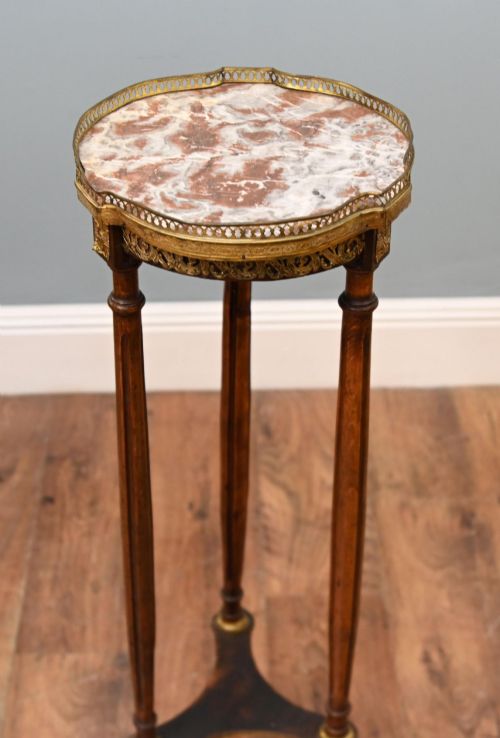
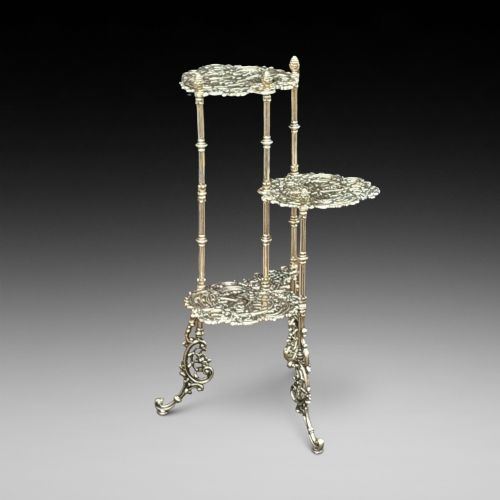
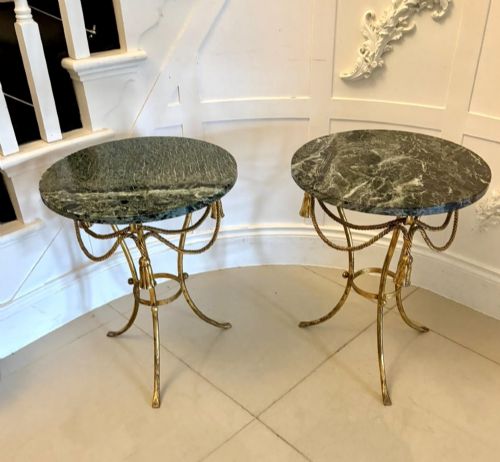
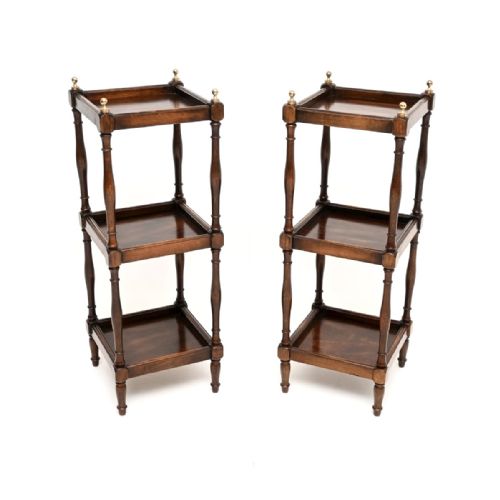
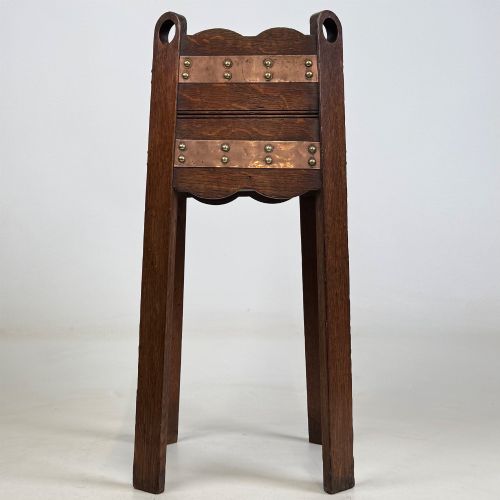
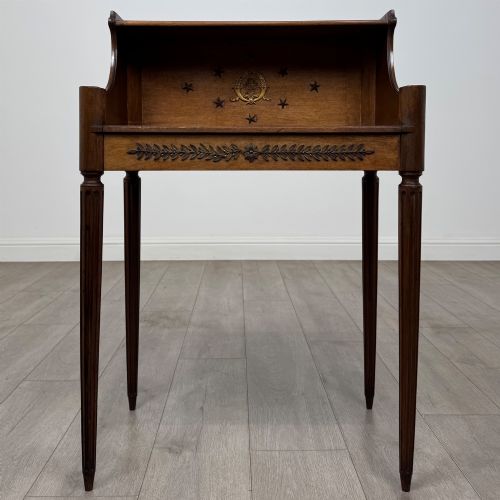
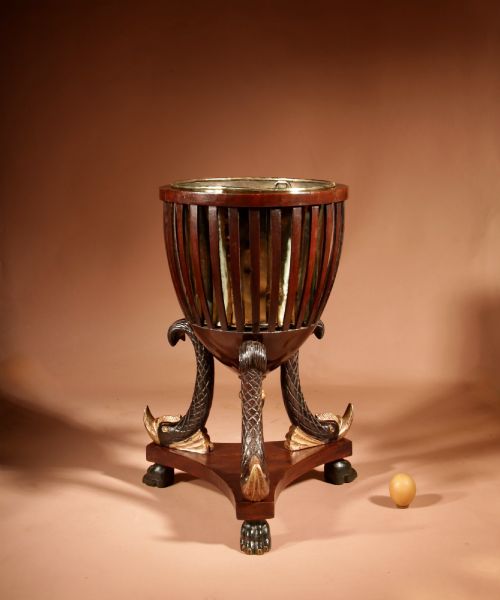
A brass plant stand raises greenery and flowers into the room, combining metal framework with timber, marble or ceramic bowls.
Brass Plant Stand
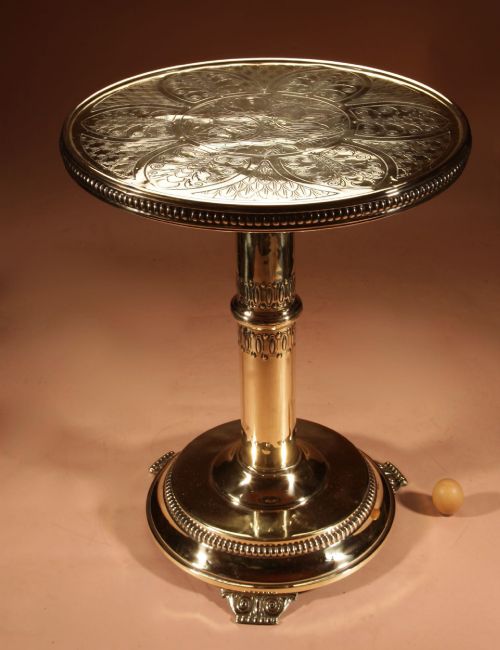
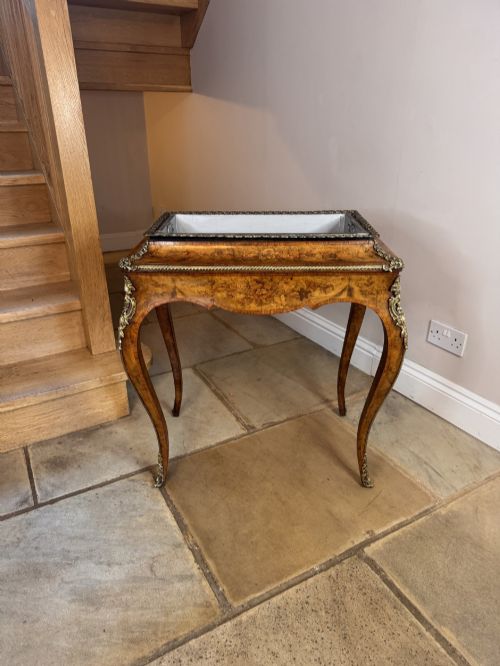
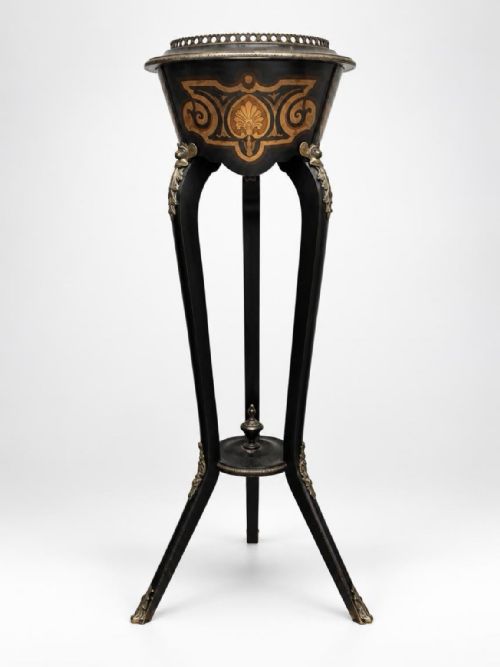
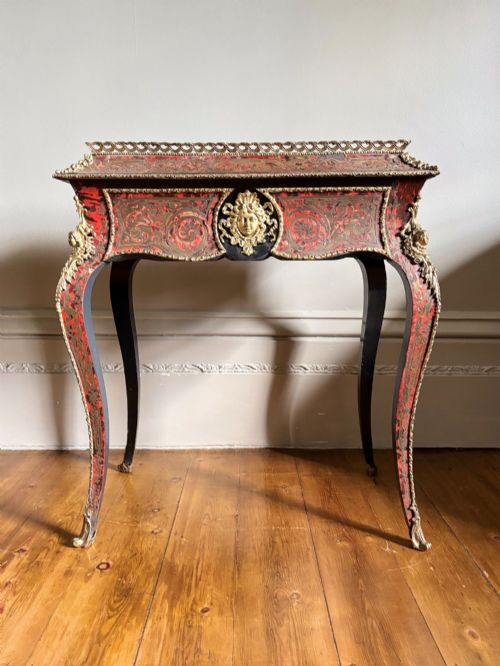
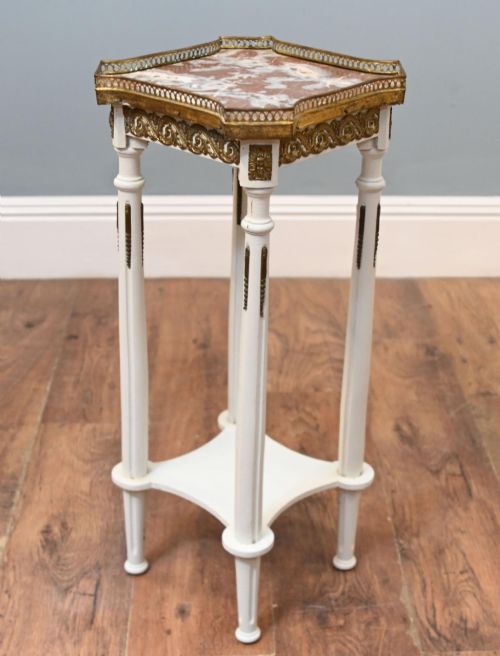
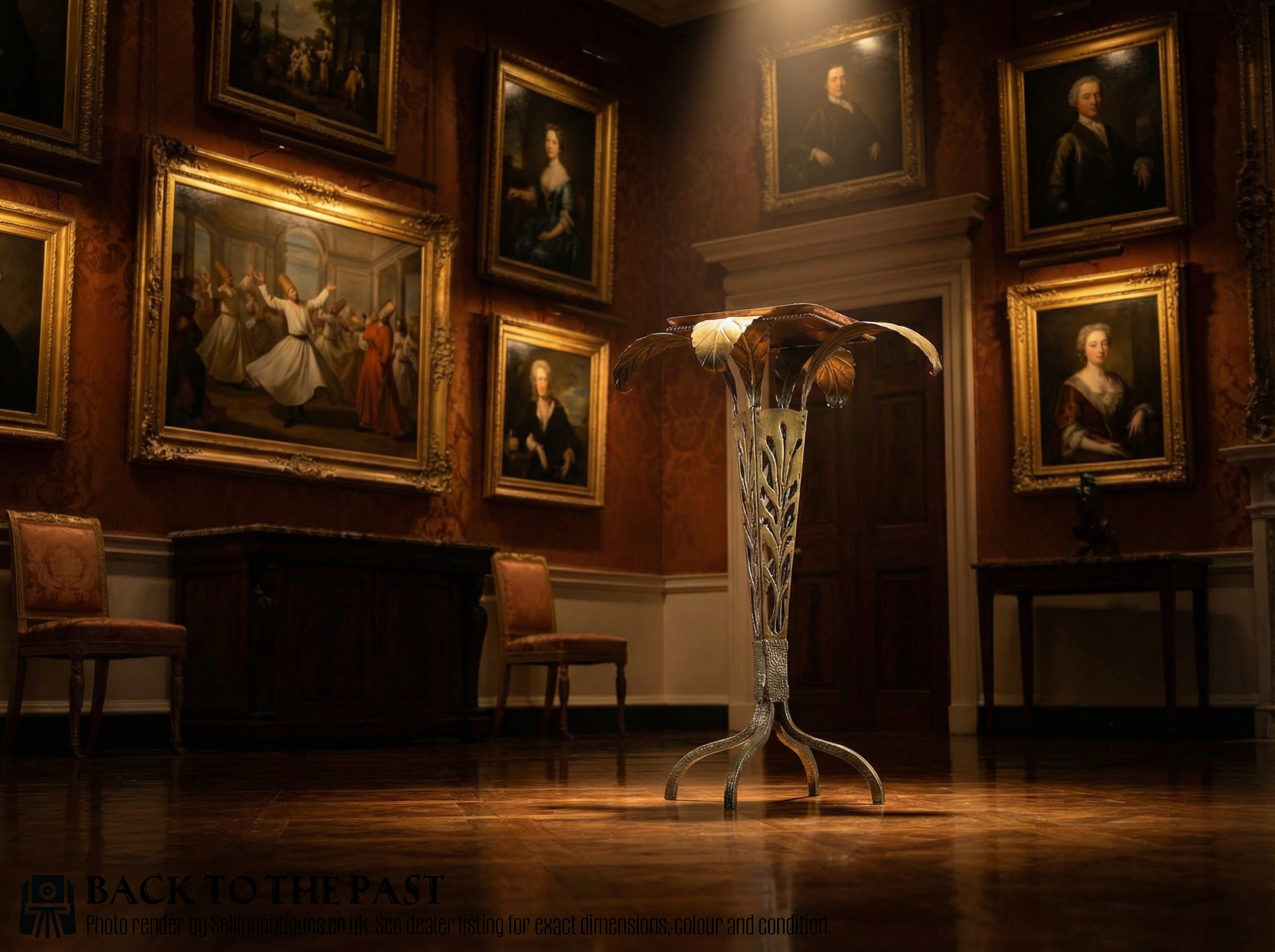
A brass plant stand serves to elevate decorative foliage, utilising raised metal supports paired with inset trays or jardiniere liners. Pieces bearing this description encompass slender torcheres, tiered display tables, and heavy columnar pedestals designed for domestic display.
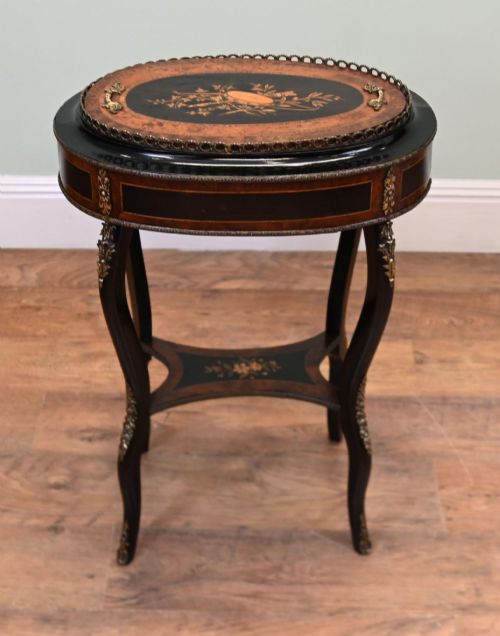
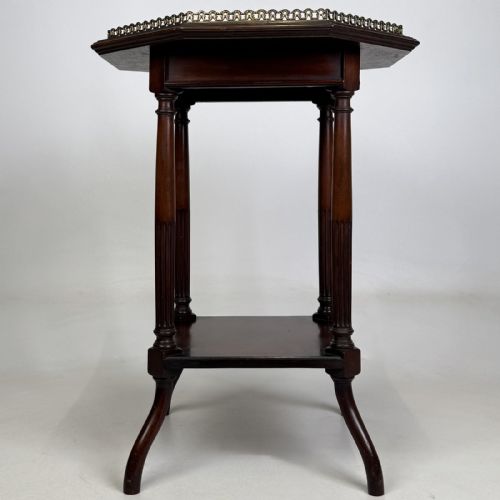
The versions most commonly met on this page span the Victorian and Edwardian eras, alongside pieces from the early twentieth century. Makers of these periods often combined brass framework with mahogany, walnut, or ebonized wood to create stable platforms for heavy ceramic or metal plant vessels.
Many examples double as occasional tables, wine coolers, or side stands, reflecting the versatile nature of nineteenth and early twentieth-century domestic furnishings. These multi-purpose forms range from simple cast brass trivets to elaborate inlaid occasional tables equipped with original metal liners.
How They Were Made
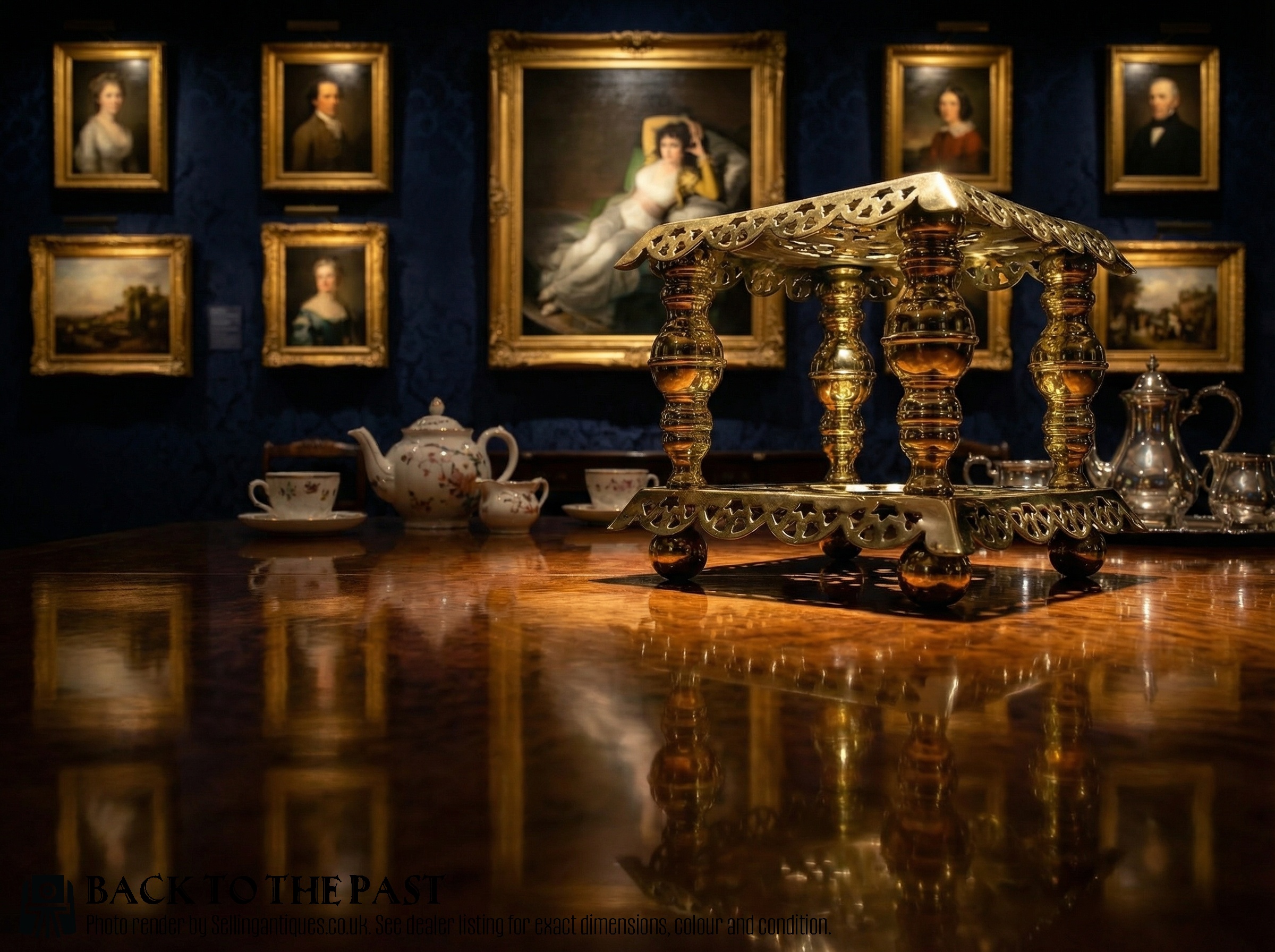
Construction relies heavily on structural timbers such as mahogany, walnut, and rosewood, paired with cast, spun, or pressed brass components. Artisans utilised brass for decorative mounts, galleries, feet, and drop-in liners, anchoring them securely to wooden frames or stone tops.
Surface ornamentation often incorporates intricate brass inlay, marquetry, and hand-etched detailing reflecting Anglo-Indian, French Empire, or Art Nouveau stylistic influences. Marble and onyx inserts frequently provide heavy, durable tops capable of withstanding moisture from potted plants.
Joining techniques vary from turned wood pillars secured by central metal rods to rigid cast brass tripod bases and multi-tiered wirework frameworks. Original components such as brass chains, liners, and adjustable mechanisms indicate the exact assembly methods of the period.
Brass Plant Stand Retail Price Guide 2026
Typical asking prices for brass plant stand among the pieces listed under this phrase on Sellingantiques today, from the lower quarter to the upper quarter. They describe what is for sale here now, not the wider market.
Several stands include delicate brass chains designed to keep tiered shelves from wobbling while holding heavy ferns.
What Varies in Quality
The standard of a brass plant stand depends largely on the weight and purity of the metalwork, alongside the selection of cabinet timbers. Heavier cast or hand-chiseled brass displays crisper detail than thin pressed sheet metal, while dense hardwoods like mahogany and walnut provide superior structural integrity.
Design complexity and the presence of integral accessories distinguish finer items from standard production pieces. Examples retaining their original brass liners, decorative chains, marble inserts, or painted porcelain plaques demonstrate a higher grade of original manufacture.
The Brass Plant Stand Glossary
- Jardiniere
- An ornamental pot or stand designed to hold a plant or flower arrangement. These vessels frequently sit within dedicated brass frames or feature integrated metal liners.
- Torchiere
- A tall, slender stand originally intended to support a torch or lamp, later adapted to elevate floral displays. They often feature narrow tripod bases.
- Ormolu
- Gilded bronze or brass used for decorative mounts and furniture embellishments. This technique imparts a rich golden sheen to structural metal elements.
- Boulle
- A style of marquetry utilising tortoiseshell and brass inlay developed in France. It creates intricate, contrasting surface patterns across cabinet furniture.
- Dinanderie
- The medieval and revived art of beaten or worked brass and copper items. Objects created this way display distinctive embossed or chased surface textures.
Brass Plant Stand: Frequently Asked Questions
How do I use a plant stand safely?
Place the stand on a level floor to ensure the stability of the tall frame and heavy top. Use a waterproof mat inside any original brass liner to protect vulnerable wood or inlay from moisture damage.
Position the stand away from direct foot traffic where the narrow legs or tiered shelves might be easily knocked. Distribute the weight of heavier pots evenly toward the centre of the platform.
Were these stands only used for plants?
Historical domestic interiors frequently repurposed these metal and wood stands for multiple functions beyond holding greenery. Many surviving examples served as wine coolers, cellarettes, or lamp tables depending on the room and the season.
Drop-in metal liners allowed owners to switch easily between displaying potted ferns and chilling bottles with ice. Tiered versions also functioned as display surfaces for small decorative objects and books.
How do I distinguish Victorian from Edwardian stands?
Victorian pieces tend to feature darker timbers such as walnut and ebonized wood, often paired with heavy cast brass mounts and dense carving. The overall aesthetic leans toward ornate ornamentation, rich marquetry, and robust proportions.
Edwardian examples frequently utilise lighter mahogany or satinwood, presenting a more slender and restrained silhouette. Inlaid stringing and delicate brass chains are characteristic hallmarks of this later period.
How should I care for the brass parts?
Dust the metal surfaces regularly with a soft, dry cloth to prevent the accumulation of grime in recessed areas. Avoid abrasive cleaning agents that strip away historical patination and damage softer underlying metals.
If polishing is necessary, apply a mild, non-abrasive metal cleaner specifically formulated for antique brass. Take care to keep polishes away from surrounding wood, marble, and fabric liners.