


Brass Urn on Stand
A brass urn on stand brings a sculptural focal point to a room, uniting metallic lustre with elevated display.
Brass Urn on Stand
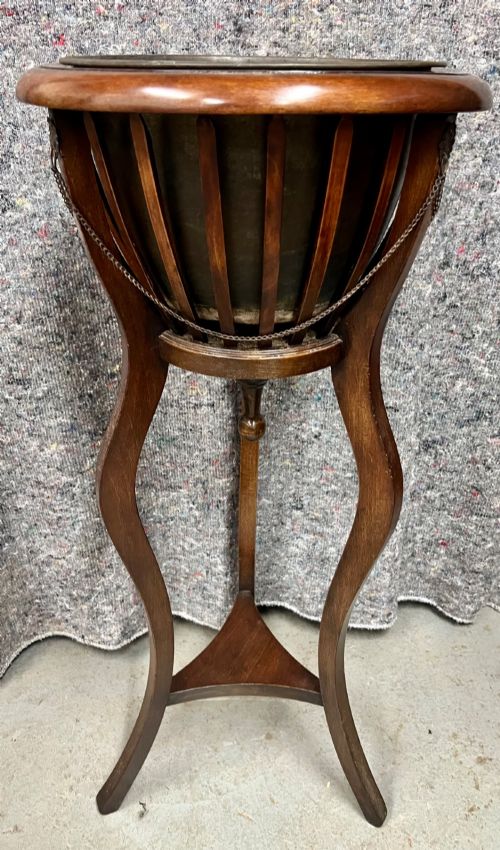
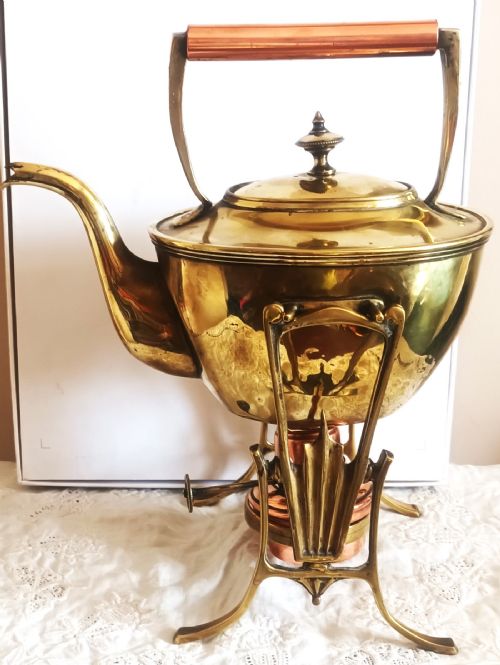
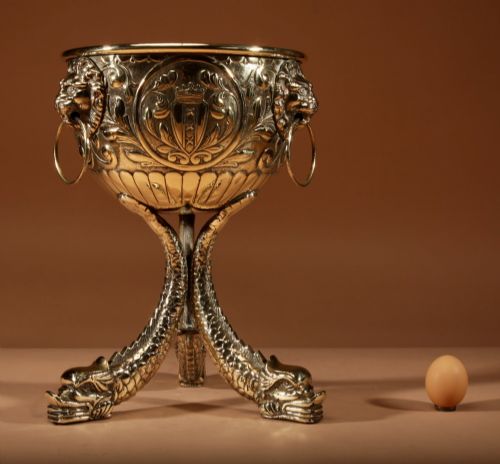
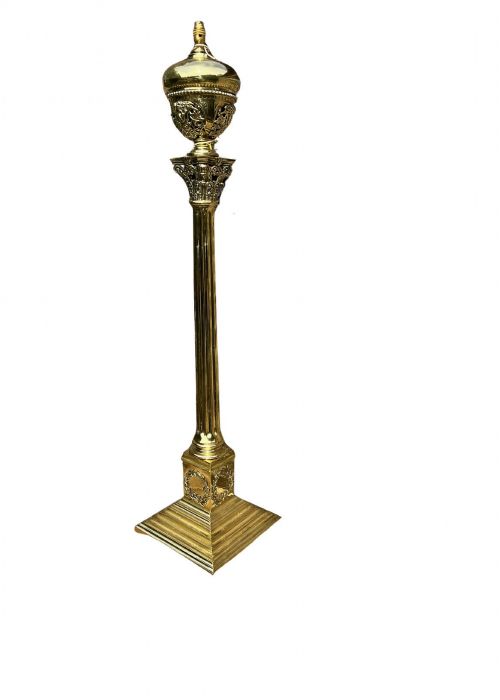
A brass urn on stand combines a metal vessel with a dedicated support, originating from periods spanning the Georgian era through to the 1920s. These pieces encompass utilitarian spirit kettles, decorative planters, and formal jardinieres.
The selections here frequently manifest as Victorian or Edwardian plant stands and spirit kettles, often paired with copper or mahogany. You will also encounter stylistic influences ranging from French Empire to Classical Revival.
Vessels designed to hold water or plants require internal protection, which shapes the construction of the base and the liner. Understanding the intended function helps clarify whether the piece served a domestic hearth or a grand reception room.
Materials and construction methods
Makers utilised cast and pressed brass alongside copper, often mounting these metal bodies upon wood, ebonised wood, or mahogany stands. Marble and enamel appear as complementary elements, adding weight and colour contrast to the metallic vessels.
Craftsmen employed techniques such as embossing and casting to decorate the surface of the urns. Stands frequently incorporated turned wood, ormolu mounts, and specialised hardware to support the weight of the vessel securely.
Some spirit kettles remain complete with their tiny burners, ready for tea service after a century of quiet retirement.
Judging the quality of the piece
The distinction between tiers rests upon the crispness of the cast or embossed ornament and the harmony between the urn and its support. Finer examples display deliberate weight in the metal and careful joinery in the wooden stands.
Proportion dictates visual success, where the scale of the urn relates pleasingly to the height and stance of the base. Details such as original liners, matching burners, and integrated mounts elevate an ordinary vessel into a more accomplished work.
William Soutter And Sons
The Brass Urn on Stand Glossary
- Jardiniere
- A large decorative pot or stand designed to hold plants or flowers. These vessels often sit on dedicated legs or pedestals.
- Spirit Kettle
- A water kettle mounted on a metal stand above a small burner. This apparatus kept water hot at the tea table.
- Dinanderie
- A term for various types of medieval and later brass or copper wares. It encompasses beaten and cast domestic objects.
- Ormolu
- Gilded bronze mounts applied to furniture and decorative objects. This technique adds bright metallic accents to wooden and stone surfaces.
- Aesthetic Movement
- A late 19th-century design style emphasising visual beauty over narrative content. Objects from this movement often feature refined, understated ornamentation.
Brass Urn on Stand: Frequently Asked Questions
What was a brass urn on stand used for?
These pieces served practical and decorative roles in historic interiors, functioning either as heated water vessels for tea or as elevated planters for indoor greenery.
Their placement depended on utility, moving from the tea table to the drawing room or hallway as a focal point.
How do I date a brass urn?
Dating relies on observing manufacturing techniques, such as the transition from hand-hammered copper to machine-pressed brass, alongside stylistic clues from periods like Regency or Edwardian.
Examining the fasteners, alloy composition, and accompanying stands provides further chronological context.
Are stands and urns original to each other?
Many matched sets survive intact from the 19th century, particularly spirit kettles designed specifically to fit into wrought iron or brass ring stands.
Evaluating the wear patterns on both the vessel and the base helps determine if they have remained together since their manufacture.
How do I care for antique brass?
Maintaining these metals involves gentle dusting and avoiding harsh abrasive cleaners that strip the historic patina accumulated over decades.
Preserving the surface sheen allows the original character of the brass and copper to remain visible.