

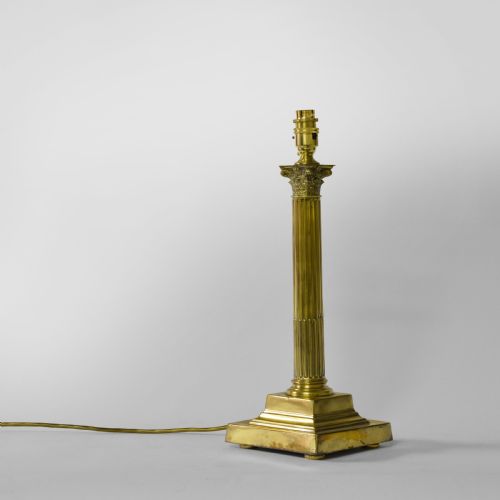


Gold Brass Pedestal
These gold brass pedestal items encompass everything from classical column lamps to marble-topped plant stands that elevate a room with period weight.
Gold Brass Pedestal
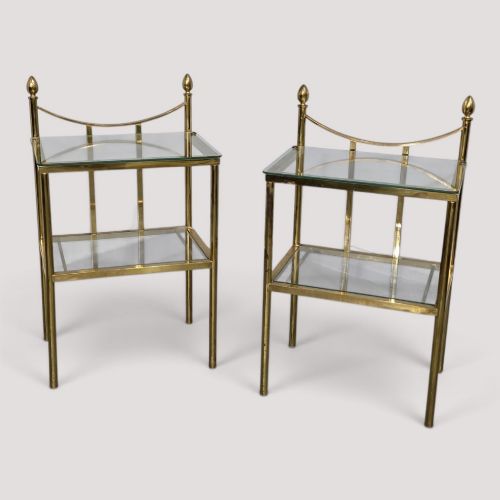
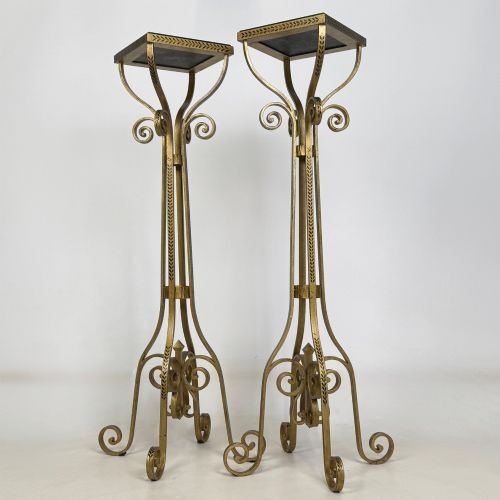
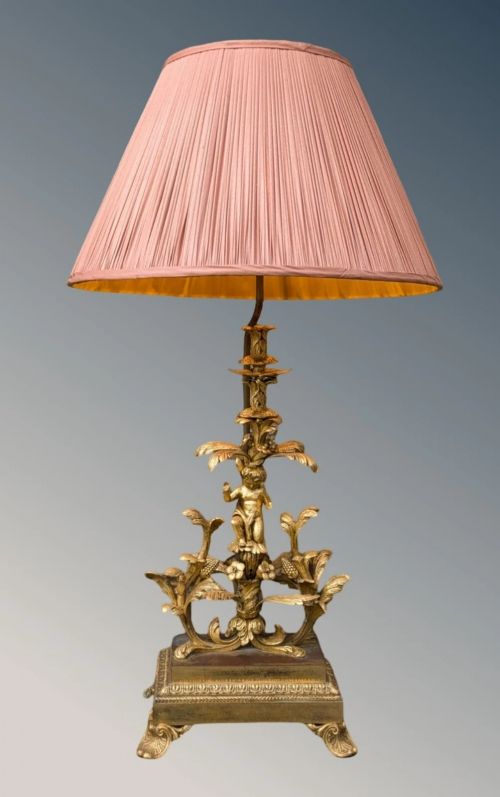
When you search for gold brass pedestal, you find a diverse collection of furnishings primarily spanning the nineteenth and early twentieth centuries. These objects range from tall plant stands and jardiniere holders to table lamps, bedside cabinets, and occasional tables.
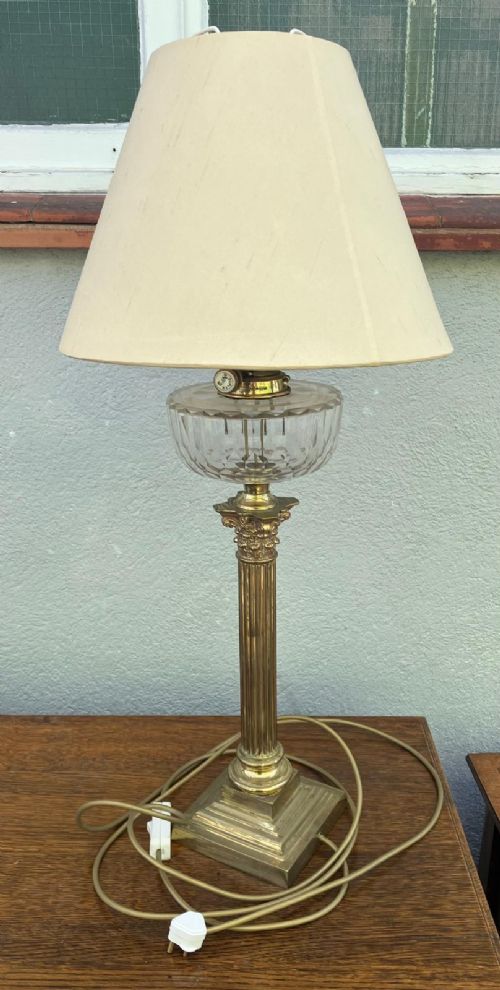
The pieces you are most likely to meet on this page include classical column table lamps and heavy marble or onyx-topped display stands. Makers combined functional utility with ornamental presence, resulting in furnishings designed to display decorative items or provide layered lighting.
Originating largely from Victorian, Edwardian, and early twentieth-century workshops, these items reflect enduring classical influences. Forms draw heavily from Neoclassical, French Empire, and Gothic Revival vocabularies, offering solid brass and gilt metal structures.
How they were made
Craftsmen utilised cast and pressed brass alongside gilt bronze and ormolu mounts to build structural integrity and decorative surface detail. Heavier structural elements often incorporated solid brass columns, cast brass bases, and chiseled ornamentation.
Surfaces frequently combined metalwork with contrasting natural materials such as marble, onyx, and glass. Planters, tables, and lamp bases integrated these stone tops and inserts to add weight and tactile variation to the metallic frames.
One unexpected survivor is a Buddhist butter oil lamp from the Himalayas, proving brass travels far.
What varies in quality
The distinction between ordinary and superior pieces rests in the crispness of the casting and the depth of the chased or engraved detail. Highly refined examples display sharp architectural fluting on columns and finely articulated floral openwork on bases.
Material selection and scale also dictate quality, as seen in the thickness of the brass gauge and the quality of the inset marble or onyx tops. Heavier proportions and substantial stone inserts indicate higher ambition in the original manufacture.
The Gold Brass Pedestal Glossary
- Ormolu
- Gilded bronze ornamentation applied to furniture and decorative objects. This technique was widely used in French Empire pieces to provide bright golden highlights.
- Corinthian column
- An architectural order featuring ornate capitals decorated with acanthus leaves. Many nineteenth-century table lamps adopt this classical column form.
- Jardiniere
- An ornamental stand or container designed to hold plants or flowers. These items often feature pressed or cast brass bodies raised on elevated stands.
- Onyx
- A banded variety of chalcedony used for table and pedestal tops. It provides a smooth, variegated stone surface that contrasts with polished brass.
- Gilt bronze
- Copper alloy finished with a thin layer of gold. It gives architectural lamps and tazzas a rich, enduring metallic lustre.
Gold Brass Pedestal: Frequently Asked Questions
What is a gold brass pedestal table used for?
These tables and stands were traditionally placed in formal reception rooms to hold table lamps, decorative urns, or potted plants. Their elevated designs allowed greenery and lighting to occupy vertical space effectively.
Today, they serve similar decorative functions in domestic interiors, acting as sturdy display surfaces or statement accent furniture in living areas and hallways.
How do I identify a Victorian brass lamp?
Victorian brass lamps often feature substantial cast metal bases, classical architectural column shafts such as Corinthian orders, and heavier overall proportions. They frequently display rich patination developed over more than a century.
Examining the construction methods, such as threaded fittings and heavy gauge brass, helps distinguish genuine nineteenth-century pieces from later reproductions.
What materials are combined with brass on these stands?
Makers frequently paired brass with natural stone elements like marble and onyx to create stable, decorative tops for tables and plant stands. Glass and fabric components also appear on related lighting and accessory pieces.
These contrasting materials added textural variety and visual weight to the metallic frames, enhancing their overall decorative appeal.
How do I date an Edwardian pedestal or lamp?
Edwardian pieces, dating from the early twentieth century, often lean towards lighter Neoclassical revival designs and refined classical columns. They balance decorative detail with domestic utility.
Comparing stylistic cues, such as slimmer obelisk profiles or specific column capitals, against known period examples helps narrow down the manufacturing era.