





Victorian Planter Stand
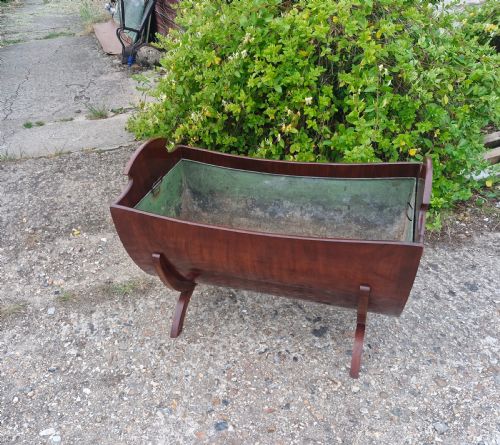
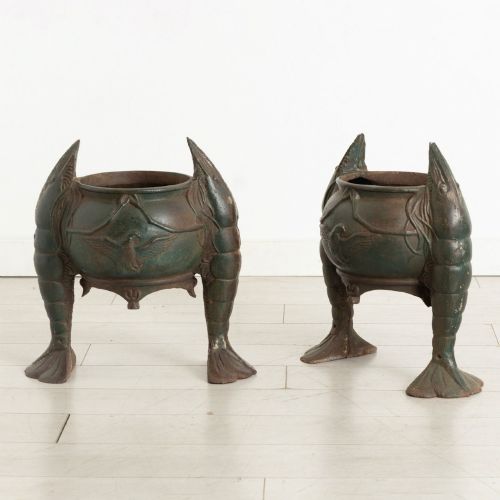
These pieces are a Victorian planter stand, holding greenery and flowers in cast iron, brass, or timber to bring gardens indoors.
Victorian Planter Stand
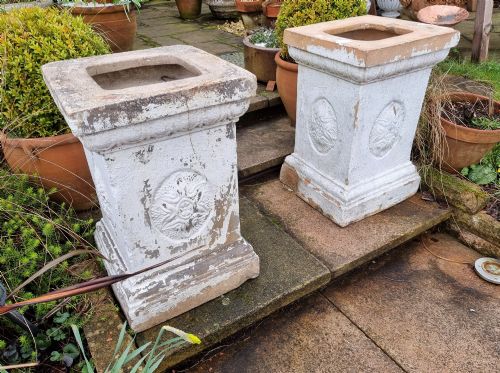
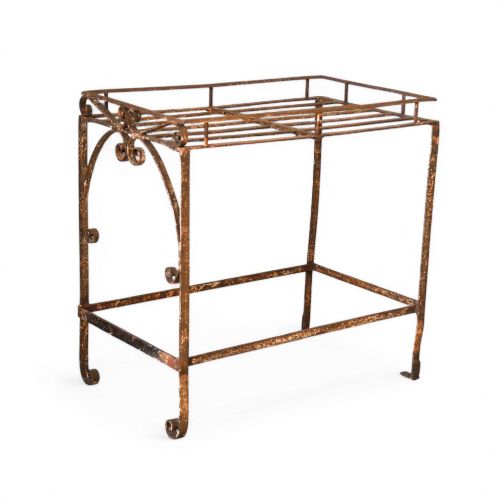
A victorian planter stand encompasses plant stands, jardinieres, garden urns, and jardiniere tables originating primarily from the nineteenth century and the Edwardian period. The version most commonly met on this page is the freestanding or tiered stand holding a pot, bowl, or basket for floral display.
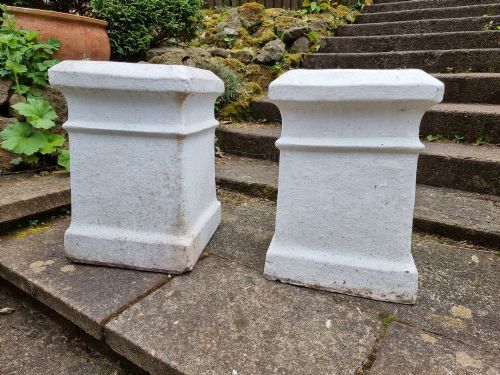
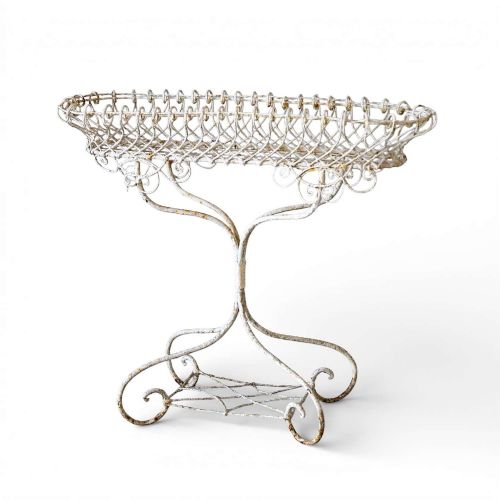
Makers and workshops across England, France, and Asia produced these pieces in forms ranging from heavy cast iron garden columns and campana urns to delicate wirework conservatory racks and inlaid walnut or mahogany side tables. Many items combine a plant vessel with a dedicated pedestal or plinth base.
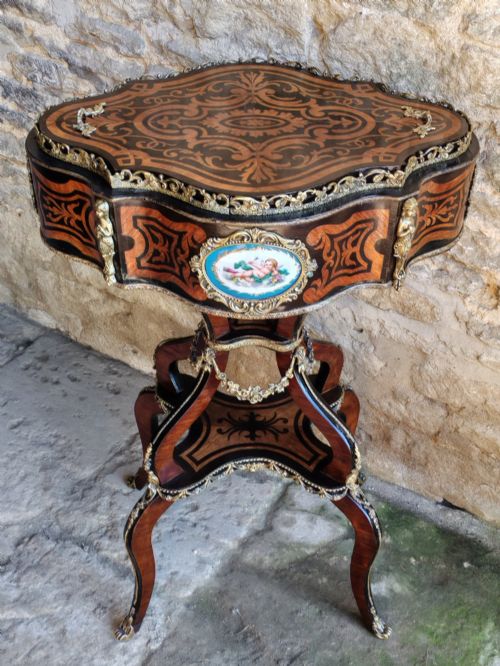
Domestic interiors utilised smaller brass-bound oak barrels, pressed brass planters, and ormolu-mounted kingwood jardiniere stands, while conservatory and outdoor settings received robust wrought iron and stoneware. Styles span Neoclassical, Art Nouveau, Arts and Crafts, and French revivals.
Materials and Technique
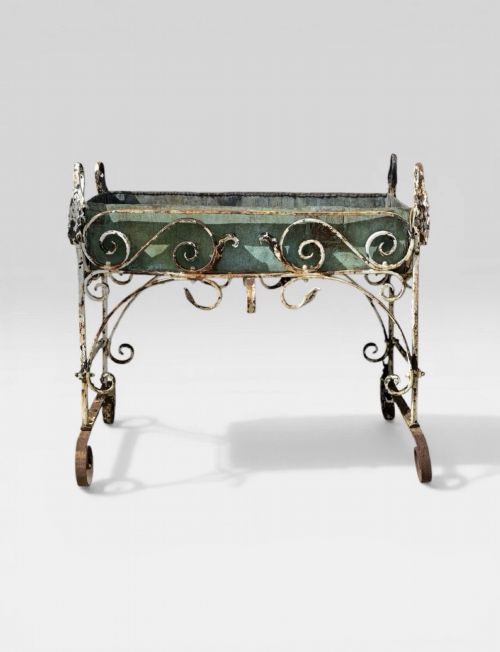
Metalworking dominates the construction of these items, utilising cast iron, wrought iron, brass, and copper shaped through casting, forging, wire-twisting, and repoussé or pressed brass techniques. Iron examples often incorporate scrollwork, lattice baskets, and column supports.
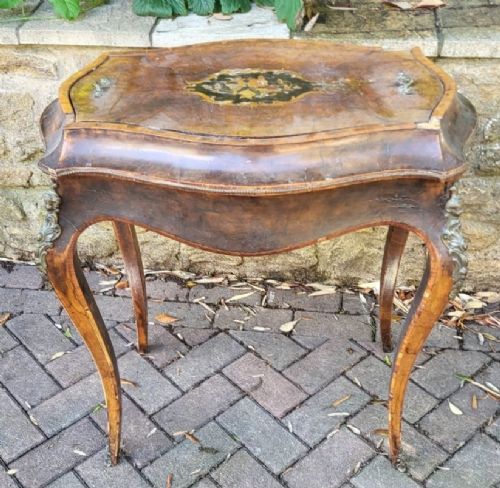
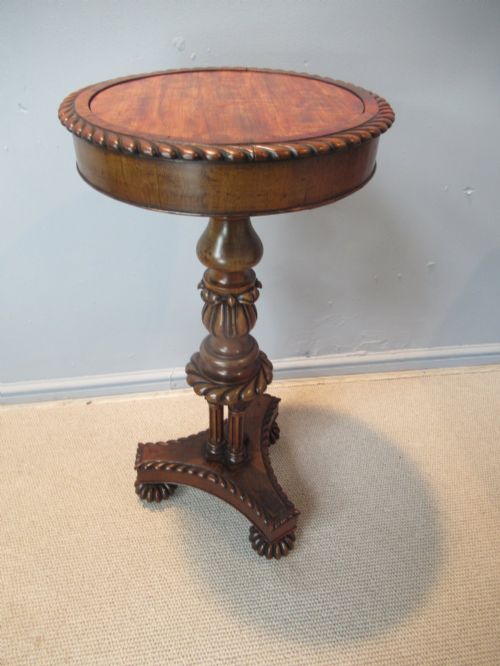
Cabinetmakers constructed timber variants using walnut, burr walnut, mahogany, rosewood, and pine, frequently enhanced with marquetry, aboyna inlay, or ormolu mounts to create side tables and jardiniere stands.
Ceramic and earthenware components feature prominently, including majolica pottery, stoneware, and lustre glazes produced by factories and potteries, sometimes paired with dedicated metal or ceramic stands.
Judging Quality
The standard of a victorian planter stand rests upon the precision of its construction and the integrity of its materials, whether in the crispness of cast iron foliage, the tight cooperage of a brass-bound barrel, or the refined joinery of inlaid burr walnut and mahogany tables.
Superior examples display balanced proportions and thoughtful decorative details, such as hand-etched brass surfaces, detailed ormolu mounts, or intricate wirework scroll structures that remain rigid and true without sagging.
Dunfermline Clay Company·Coalbrookdale·Clement Massier·Minton·Julius Dressler
The Victorian Planter Stand Glossary
- Jardiniere
- An ornamental pot or stand for holding plants and flowers, often manufactured in ceramic, pottery, or metal.
- Campana Urn
- A bell-shaped garden urn on a pedestal base, frequently cast in iron and utilised as a classical planter.
- Coopered
- Constructed from wooden staves bound together with metal bands, traditionally used for barrels and tubs.
- Majolica
- A type of earthenware coated with an opaque tin-glaze and painted with brightly coloured metallic oxide glazes.
- Ormolu
- Gilded bronze or brass mounts applied as decorative ornaments to wooden furniture and jardiniere stands.
Victorian Planter Stand: Frequently Asked Questions
What is a victorian planter stand used for?
These pieces served to elevate potted plants, ferns, and floral arrangements within nineteenth-century drawing rooms, halls, and glasshouses. They allowed greenery to be displayed at varying heights to decorate domestic interiors.
Certain forms doubled as occasional tables, wine coolers, or umbrella stands when not holding flowers. Their sturdy construction also suited sheltered outdoor patios and garden terraces.
How do I care for timber stands?
Polishing the wooden surfaces with traditional beeswax helps maintain the finish of walnut, mahogany, and rosewood pieces. Avoid placing wet pots directly onto unlined wood tops to prevent water damage.
Using internal liners or saucers protects the underlying timber from moisture and soil. Keeping these items away from direct heat sources prevents the wood from drying out.
Where were wirework stands placed?
Wirework plant stands were typically positioned in Victorian conservatories, orangeries, and garden rooms where natural light abounded. Their open frames allowed air circulation around multiple pots.
They also found places on sheltered verandahs and patios during milder weather. The tiered designs maximised display space for trailing plants.
How do I distinguish majolica from plain pottery?
Majolica is characterised by its heavy earthenware body covered in colourful tin glazes that pool richly over moulded relief decoration. Naturalistic plant and animal motifs frequently appear on these pieces.
Plain pottery lacks this specific glaze technique, usually featuring simpler painted or unglazed surfaces. Majolica pieces made by notable potteries often carry maker marks on the base.