



Decorative Plant Pedestal
A decorative plant pedestal elevates greenery and ceramics into sculptural focal points, bringing height and architectural interest to interior spaces.
Decorative Plant Pedestal
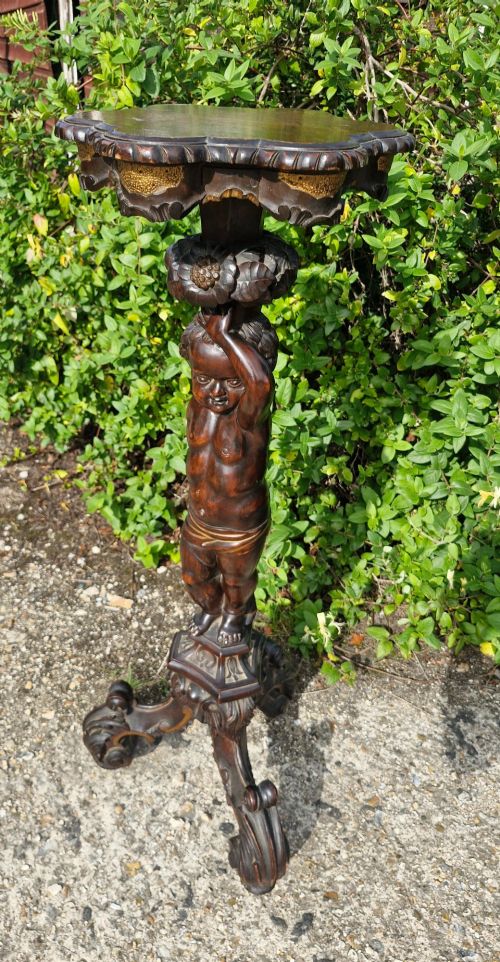
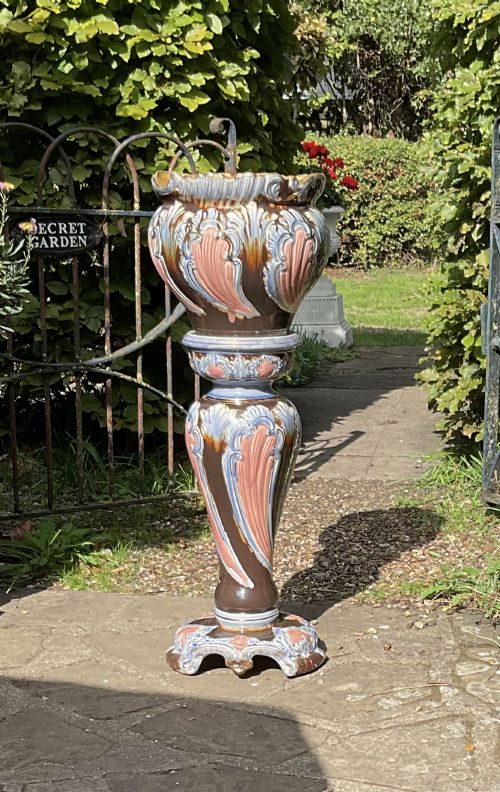
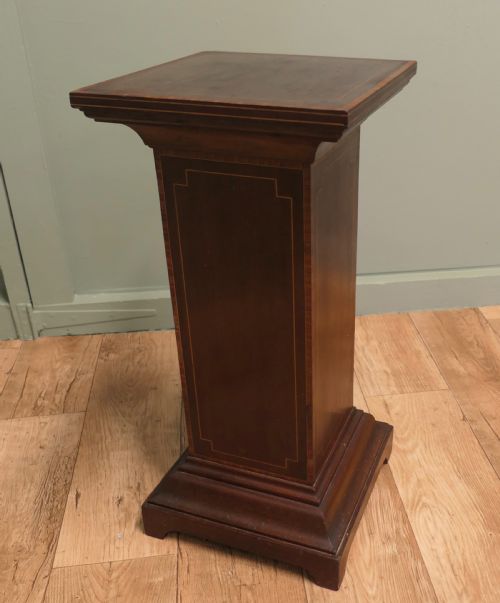
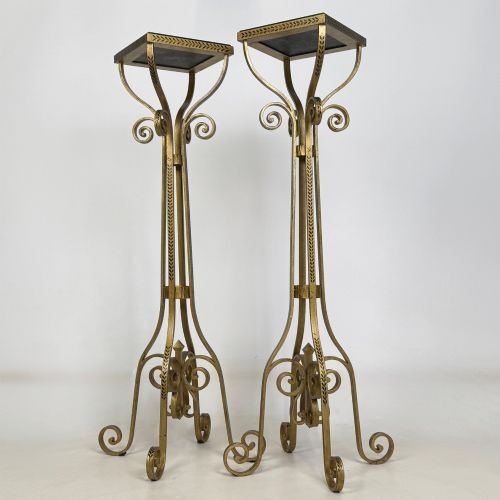
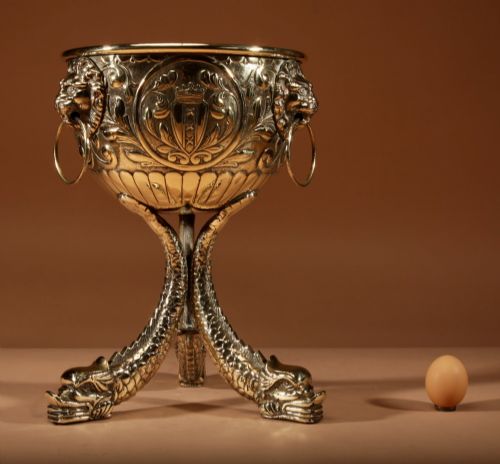
A decorative plant pedestal takes many forms across this selection, including columnar displays, torcheres, jardinieres on stands, and sculptural plinths designed to showcase floral arrangements and decorative pots.
The pieces span multiple eras, most frequently appearing from the nineteenth century alongside Edwardian and early twentieth-century examples, with older eighteenth-century items providing foundational historical styles.
Origins range across European workshops, featuring French, Italian, and English craftsmanship executed in classical revival, baroque, and art deco idioms.
Materials and Technique
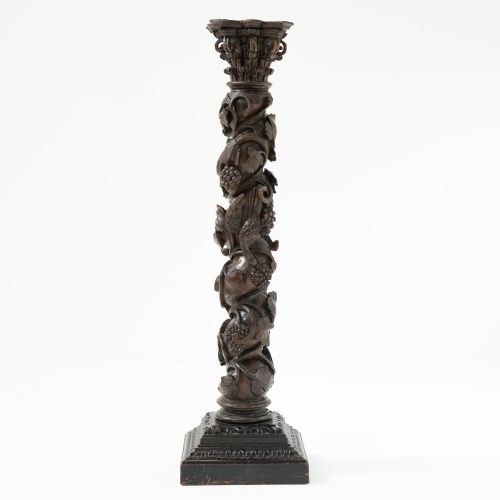
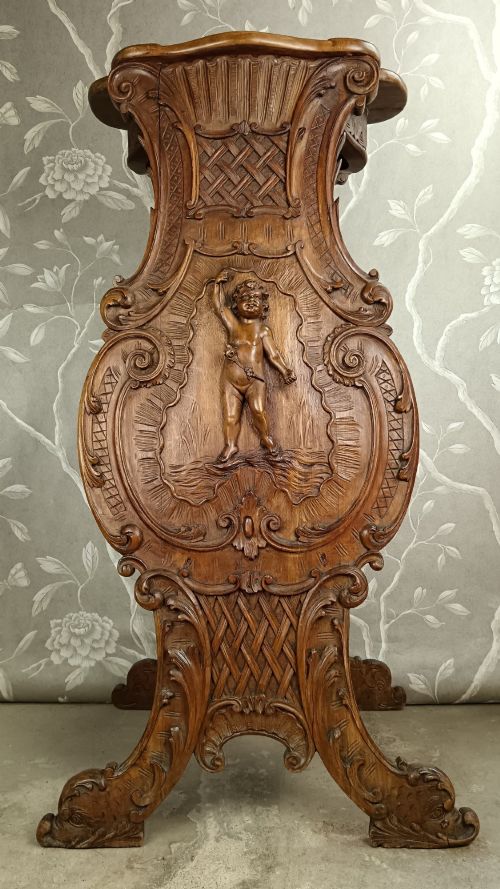
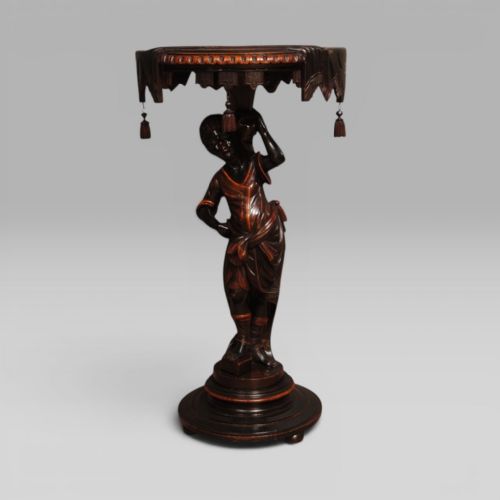
Carved wood provides the structural base for many items, utilising walnut, oak, and giltwood shaped into barley twists, solomonic columns, and intricate figures.
Cast metals and stone introduce weight and texture, with brass, cast iron, and verde antico or white marble used for tops and structural columns.
Surface decoration employs paint, gilding, gesso, and inlaid veneers to achieve polychrome finishes and rich visual depth.
Several stands double as avian perches in spirit, though elephants and gondoliers hold the line instead.
Craftsmanship and Proportion
The distinction between tiers rests on the fidelity of the carving and the integrity of the materials, where hand-sculpted details surpass mass-produced ornamentation.
Proportion and stability dictate practical excellence, ensuring that taller columns and heavier marble tops maintain balance and structural harmony.
Burmantofts·Woodlesford Art Pottery·Marguerite
The Decorative Plant Pedestal Glossary
- Torchere
- A tall stand designed to support a lamp or candle, frequently adapted to hold plants and floral arrangements. These slender pieces often feature carved wooden columns.
- Jardiniere
- An ornamental receptacle or pot for holding plants or flowers, usually paired with a matching stand or pedestal base. They appear in ceramic, majolica, and embossed brass.
- Solomonic column
- A spiral column characterised by a helical twist, originating in classical architecture and popular in seventeenth and eighteenth-century furniture design. This form adds dynamic movement to wooden pedestals.
- Verde antico
- A dark green serpentine marble with white calcite veins, prized for classical columns and table tops. It provides a cool, polished surface for plant displays.
- Gesso
- A plaster mix applied to wood surfaces as a base for painting and gilding. It allows for crisp, moulded ornamentation before the application of gold leaf.
Decorative Plant Pedestal: Frequently Asked Questions
What is a decorative plant pedestal?
A decorative plant pedestal is a raised stand or column built to support planters, urns, and jardinieres, elevating greenery above floor level to create a distinct focal point in a room.
These pieces combine functional support with sculptural design, using materials like marble, carved wood, and cast iron to complement interior spaces.
How do I style a torchere?
A torchere functions well in corners or empty wall spaces where height is needed, offering a vertical element that breaks up horizontal furniture lines.
Place a trailing plant or a ceramic bowl on top to let the slender column frame the greenery effectively.
What materials are common?
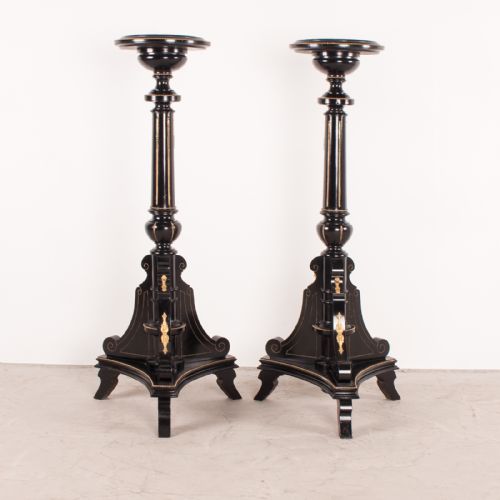
Wood is the most frequent material, including walnut, oak, and ebonized timber, often enhanced by gilding, paint, or gesso.
Stone and metal also feature prominently, with marble tops and cast iron or brass structures providing contrasting textures.
How do I identify age?
Dating relies on stylistic clues and construction methods, such as the classical revival motifs of nineteenth-century pieces or the geometric lines typical of art deco works.
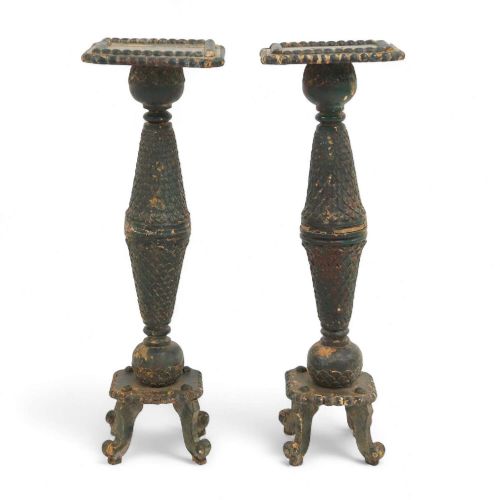
Material finishes like original green paint, hand-carved details, and nineteenth-century ceramic types also indicate the period of manufacture.