

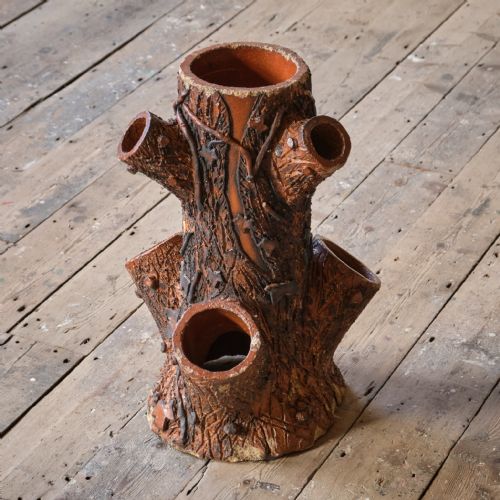


Brown Ceramic Planter
A brown ceramic planter brings tactile warmth to any room, offering rich earth tones and historic character for your greenery.
Brown Ceramic Planter
When you search for a brown ceramic planter, you encounter robust Victorian jardinieres, rustic terracotta vessels, and salt-glazed stoneware troughs. These pieces span the nineteenth century through the early twentieth century, reflecting diverse regional tastes from British potteries to French workshops.
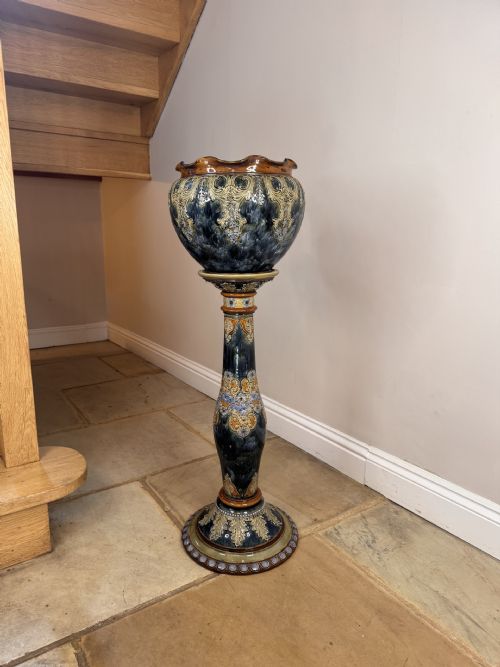
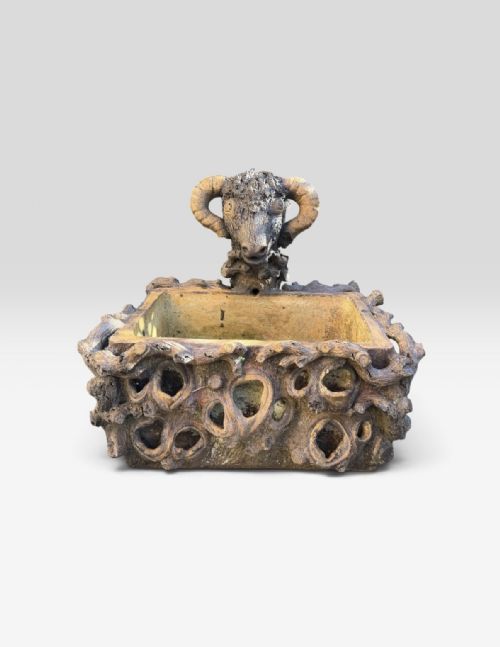
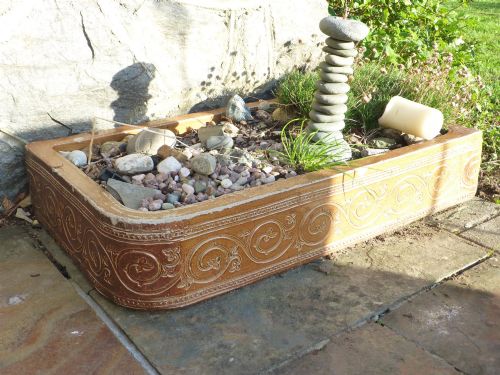
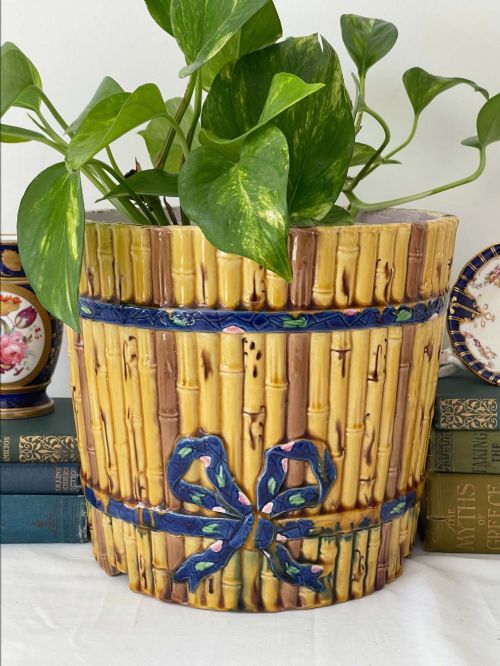
The selection on this page centres on sturdy garden planters, indoor jardinieres, and large oil jars made from earthenware, terracotta, and stoneware. Many examples display naturalistic textures, such as faux bois or bamboo motifs, which suited Victorian conservatories and gardens.
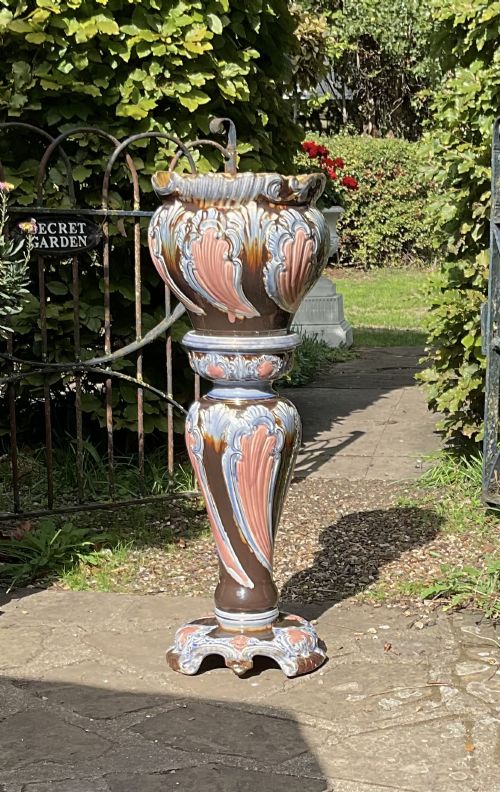
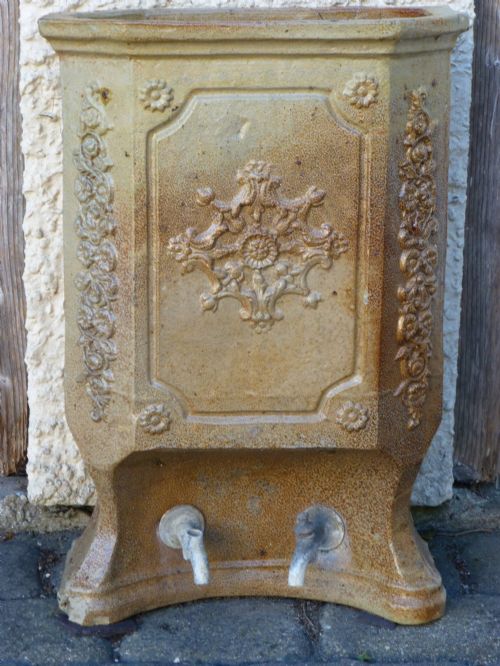
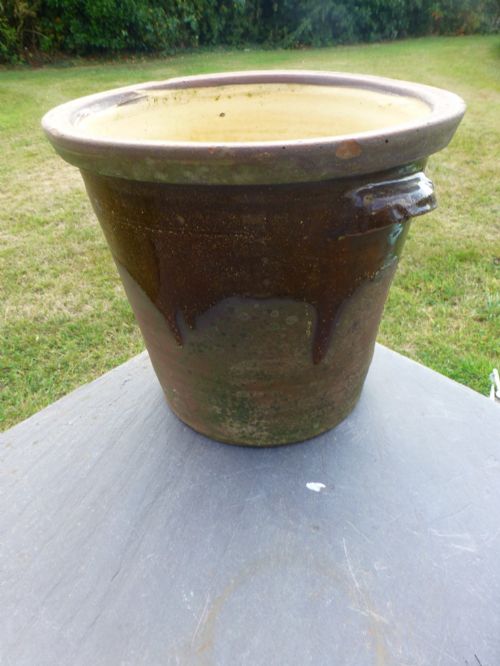
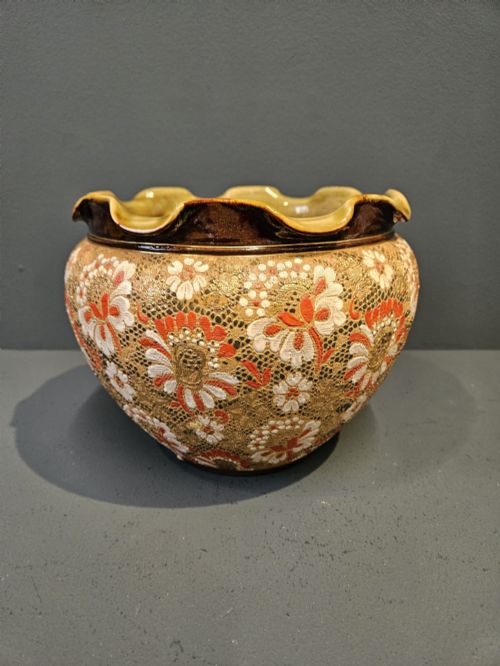
Makers ranged from large English establishments like Doulton to continental European creators, producing both utilitarian vessels and decorative majolica pieces. You will find items that served dual historical purposes, including dairy salting crocks and water filtration fountains adapted for modern planting.
Assessing quality and craftsmanship
Superior examples display crisp modelling in naturalistic details like faux bois bark or bamboo stems, whereas lesser pieces show blurred moulding and thick, uneven glaze pooling. The crispness of the relief work directly reflects the skill of the original workshop.
Condition and glaze depth separate standard utilitarian vessels from exceptional artistic pieces, particularly with salt-glazed and majolica items. Intact glazes without extensive firing flaws command attention, though signs of authentic age remain characteristic of these historic pots.
Brown Ceramic Planter Retail Price Guide 2026
Typical asking prices for brown ceramic planter among the pieces listed under this phrase on Sellingantiques today, from the lower quarter to the upper quarter. They describe what is for sale here now, not the wider market.
The listings span the nineteenth and early twentieth centuries, featuring earthenware, terracotta, and salt-glazed stoneware bodies.
Minton·Doulton Lambeth·Doulton Burslem·Julius Dressler·Linthorpe Pottery
The Brown Ceramic Planter Glossary
- Faux bois
- Imitation of wood grain or timber rendered in ceramic, stone, or cement. This rustic style became particularly popular during the Victorian era for garden ornaments and planters.
- Jardiniere
- An ornamental pot or stand for holding plants or flowers, usually designed for interior display. They frequently sat on matching pedestals in nineteenth-century reception rooms.
- Majolica
- Low-fired earthenware decorated with opaque tin glazes and colourful pigments. The technique produced vibrant, glossy surfaces favoured by Victorian and continental makers.
- Salt-glazed stoneware
- Pottery fired at high temperatures with common salt introduced to the kiln, creating a durable glass-like texture. This finish gives the ceramic a distinctive pitted, orange-peel surface.
- Terracotta
- Unglazed or lightly glazed fired clay of a brownish-red colour. It remains porous, allowing air and moisture to pass through the walls to plant roots.
Brown Ceramic Planter: Frequently Asked Questions
How do I care for antique planters?
Line historic earthenware and terracotta pots with plastic inserts to protect the porous clay from constant moisture and mineral damage.
Keep them indoors during freezing weather, as retained water can expand and crack the original nineteenth-century ceramic body.
Were these always used for plants?
Many vessels designed as jardinieres held indoor ferns and palms during the Victorian period, serving as decorative interior focal points.
Other items listed now began life as dairy salting crocks, oil jars, or water filtration fountains before finding new purpose as planters.
How can I tell a Victorian piece?
Look for characteristic Victorian design motifs such as naturalistic faux bois bark, bamboo mouldings, or rich salt-glazed stoneware surfaces.
Many pieces from this era bear specific date marks, registration lozenges, or established pottery stamps from factories operating in the eighteen-hundreds.
What is salt-glazed stoneware?
Salt-glazed stoneware is a dense, vitrified ceramic created by throwing salt into the kiln at the peak of the high-temperature firing.
The vapour reacts with the silica in the clay to form a durable, slightly textured coating that resists moisture and weathering.