

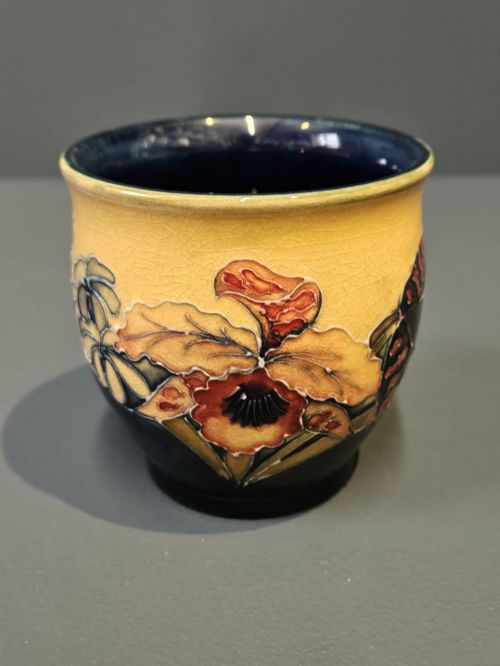
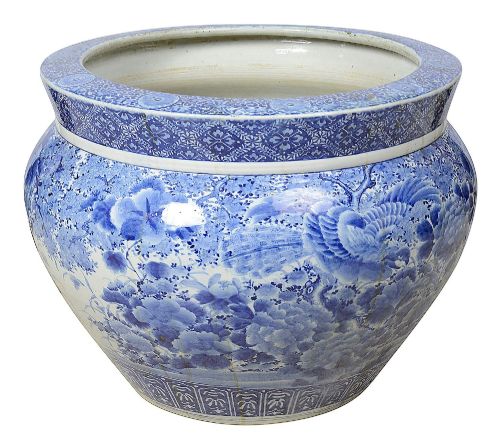


Antique Floral Ceramic Planter
An antique floral ceramic planter brings living greenery indoors with centuries of hand-painted blooms and rich glazes.
Antique Floral Ceramic Planter
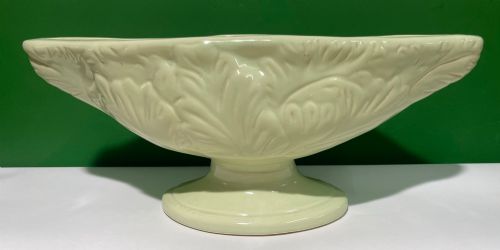
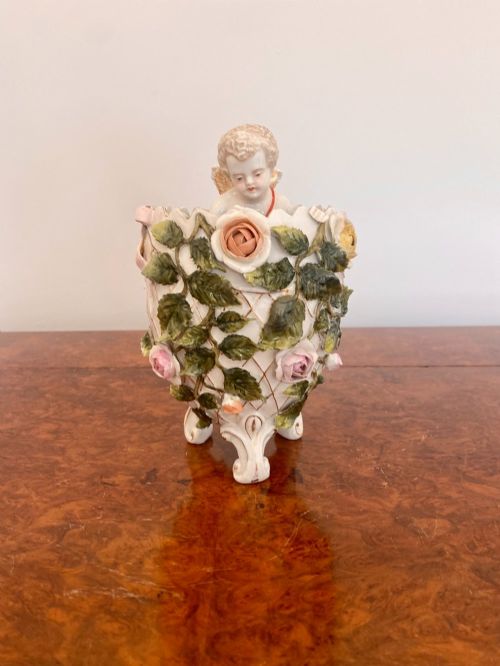
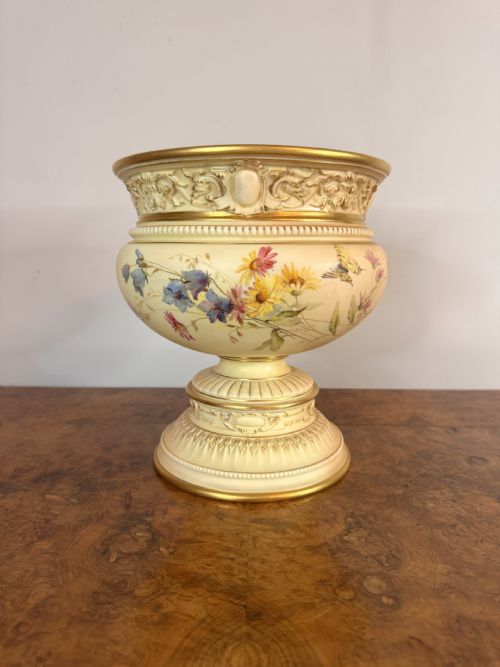
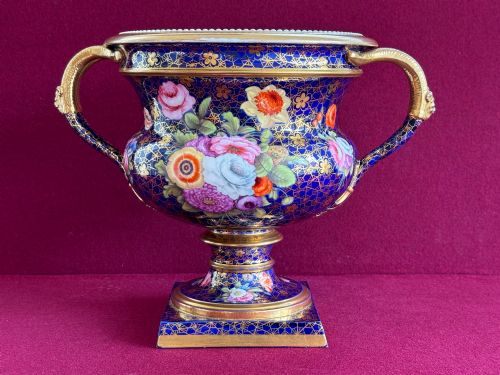
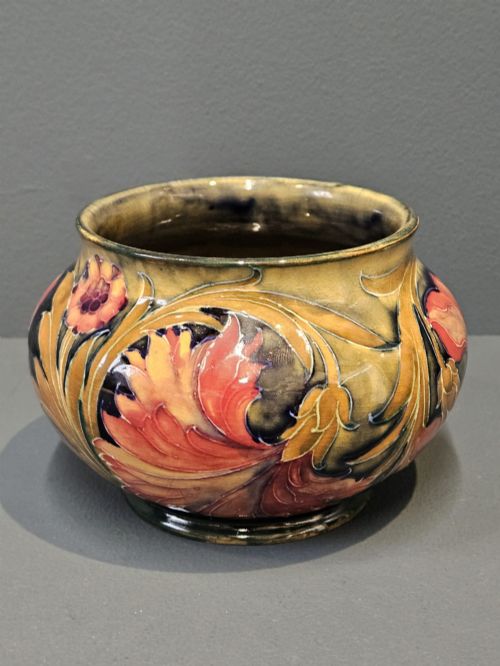
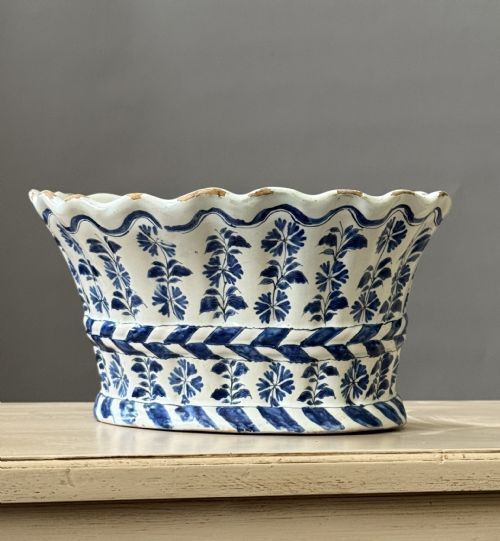
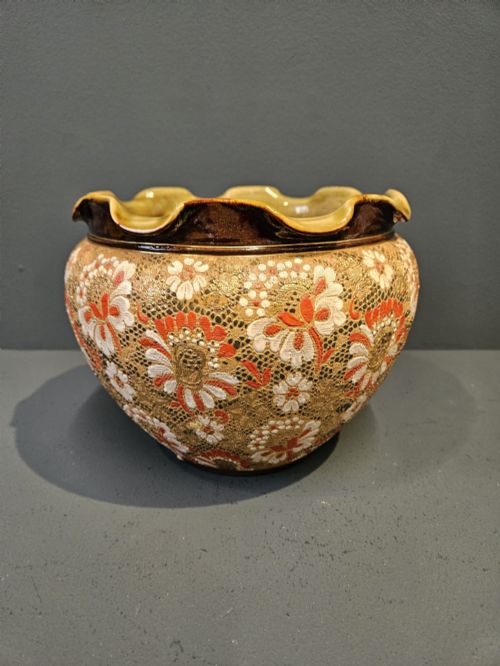
The antique floral ceramic planter category encompasses heavy jardinières, footbaths, and pedestals designed for botanical displays. Pieces range from eighteenth-century delftware bough pots to late Victorian and Edwardian majolica vessels.
Makers shaped these wares in earthenware, porcelain, and stoneware, frequently employing blue and white transfer printing or hand-painted enamels. Many examples date from the nineteenth century through the early twentieth century.
The most common forms on this page are large jardinières and planters, often accompanied by matching stands. English potteries and continental factories dominate the selection alongside Japanese export ceramics.
Materials and technique
Potters shaped these vessels from ceramic bodies including earthenware, stoneware, and porcelain, applying coloured glazes and gold leaf for decorative impact. Majolica and transfer-printed designs required precise kiln firing to fix the pigments permanently into the glaze.
Hand-painting and moulding defined the production of these planters, with artists building up floral motifs using enamel colours. Glazed earthenware protected the porous clay body beneath from moisture when holding plants.
Antique Floral Ceramic Planter Retail Price Guide 2026
Typical asking prices for floral ceramic planter among the pieces listed under this phrase on Sellingantiques today, from the lower quarter to the upper quarter. They describe what is for sale here now, not the wider market.
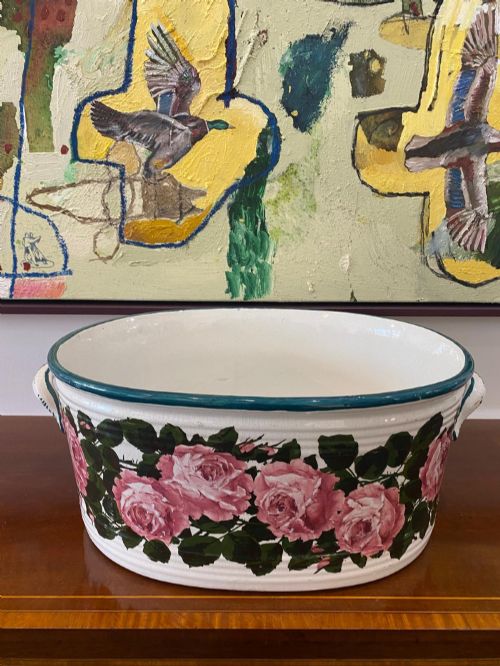
Nineteenth-century households happily repurposed deep ceramic footbaths to hold indoor ferns.
Assessing the pieces
Quality rests on the crispness of the modelled form and the vibrancy of the painted or printed botanical decoration. Finer examples display meticulous hand-painted detail and rich, even glaze application across the entire surface.
The presence of a matching pedestal or stand elevates the piece significantly, as does the prestige of the pottery responsible for the manufacture. Scale and ambition separate ordinary chamber pots and liners from grand exhibition-quality jardinières.
Wemyss·Doulton Lambeth·Royal Doulton·Royal Worcester·Minton·George Jones·Copeland
The Antique Floral Ceramic Planter Glossary
- Jardiniere
- A large ornamental pot or stand for holding plants or flowers. These vessels are typically manufactured from ceramic materials and designed to sit on the floor or a dedicated pedestal.
- Majolica
- A type of earthenware coated with an opaque tin-glaze and painted with brightly coloured metal oxides. This technique produced vivid, glossy surfaces popular during the Victorian era.
- Delftware
- Tin-glazed earthenware produced in imitation of Chinese blue and white porcelain. Early examples often feature botanical designs in deep blue against a white ground.
- Footbath
- A deep, oblong vessel traditionally used for washing feet but frequently repurposed as a large planter. They typically feature sturdy handles at either end.
- Bough pot
- A vessel designed specifically for holding cut branches of flowers or foliage. These containers often feature pierced lids to keep stems upright.
Antique Floral Ceramic Planter: Frequently Asked Questions
What is a jardiniere?
A jardiniere is an ornamental ceramic pot designed to hold potted plants or cut flowers indoors. They were traditionally displayed in reception rooms or conservatories on the floor or a matching pedestal.
These vessels are typically heavier than standard flowerpots to support large botanical arrangements safely. Many historical examples feature glazed interiors to handle moisture.
Can I plant directly inside them?
Placing a plastic or terracotta nursery pot inside the jardiniere is generally recommended rather than filling the antique vessel with damp soil. This prevents prolonged moisture contact from potentially damaging the historic glaze or ceramic body.
Using a separate liner also makes watering and rearranging your indoor plants much simpler without disturbing the exterior container.
How do I date an antique planter?
Dating relies on identifying maker marks stamped or painted on the base, stylistic clues such as Art Nouveau curves or Victorian majolica glazes, and manufacturing techniques. Comparing the transfer print styles or pottery names provides a reliable window of origin.
Many nineteenth-century pieces carry registration marks or factory ciphers that pinpoint the exact year of production.
What is majolica glaze?
Majolica is a heavy earthenware body covered with an opaque tin-lead glaze and decorated with vibrant metallic oxide colours. The technique creates a glossy, highly saturated finish that resists wear and displays floral motifs brightly.
This style became immensely popular in British and continental ceramics during the Victorian period.