


Georgian Ceramic Planter
These georgian ceramic planter pieces bring botanical elegance to interiors through refined earthenware, soft-paste porcelain and delicate transfer printing.
Georgian Ceramic Planter
When someone searches for a georgian ceramic planter, they are looking for vessels designed to house indoor plants or manage water during washing and display, originating primarily from the Georgian, Regency and nineteenth-century periods.
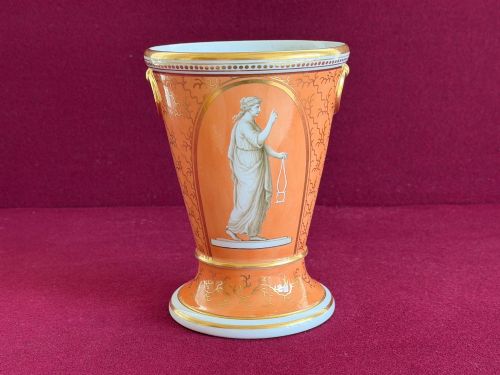
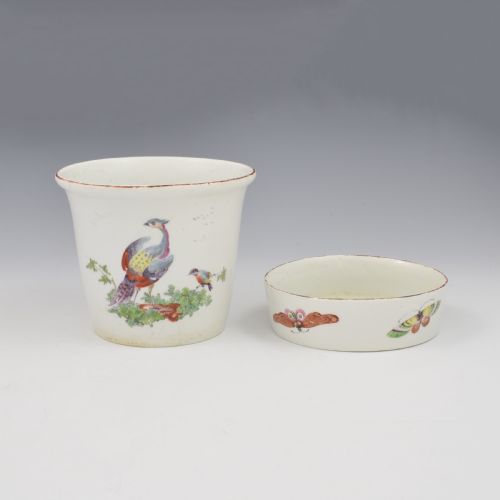
The objects appearing on this page include jardinières, cachepots with stands, potting and flower pots, footbaths, liners, and wash stands adapted as planter frames.
Buyers are most likely to encounter earthenware and porcelain forms, often decorated with blue and white transfer printing or enamel work, spanning dates from the eighteenth century up to eighteen fifty.
How they were made
Potters utilised materials such as earthenware, ceramic, porcelain and soft-paste porcelain, shaping them into substantial domestic vessels intended to hold water and earth.
Decoration was applied through glaze, enamel and gold leaf, alongside blue and white transfer printing techniques developed by leading English potteries of the era.
Footbaths once used for bathing feet find new life as magnificent planters for trailing houseplants.
What varies in quality
Quality rests upon the crispness of the modelling and the finesse of the painted or printed decoration, distinguishing standard utility vessels from fine cabinet pieces.
The presence of matching stands, original gilding and sophisticated enamel work elevates certain jardinieres and cache pots above simpler transfer-printed counterparts.
Flight and Barr Worcester·Derby Porcelain·Barr Flight and Barr·Heathcote·Enoch Wood and Sons·Spode
The Georgian Ceramic Planter Glossary
- Jardiniere
- An ornamental pot or stand for holding flowers or plants. These larger vessels often feature decorative handles or footed bases.
- Cachepot
- An ornamental pot used to conceal an unadorned flower pot. It typically includes a matching stand to catch drainage water.
- Soft-Paste Porcelain
- A ceramic composition made from a mixture of clays and glass frit, fired at lower temperatures than hard-paste. It creates a warm, slightly translucent body popular in eighteenth-century factories.
- Transfer Printing
- A method of decorating ceramics by transferring a design from an engraved copper plate onto tissue paper and then onto the fired clay body. This technique allowed for intricate blue and white patterns.
Georgian Ceramic Planter: Frequently Asked Questions
What is a georgian ceramic planter used for?
These vessels were originally manufactured to house indoor plants, display cut flowers, or serve practical washing functions within grand domestic interiors. Their robust ceramic and porcelain construction made them suitable for holding wet earth and water safely.
Over time, many of these jardinieres, cache pots, and footbaths have transitioned into purely decorative interior accents, used to bring historical character to modern rooms.
How do I identify a georgian ceramic planter?
Identification relies on examining the ceramic body, glaze characteristics, and decorative motifs such as blue and white transfer printing or hand-painted enamel. Reference to period styles like Regency or late eighteenth-century forms helps confirm authenticity.
Factory marks, when present on the base of porcelain or earthenware pieces, provide definitive clues regarding the maker and approximate date of manufacture.
Are these planters waterproof?
Most ceramic and porcelain planters from this era were glazed internally to hold moisture for plants, though historic glazes can develop hairline crazing over centuries. It is advisable to use a modern liner inside delicate antique pieces to protect the porous body.
Footbaths and liners were engineered to contain water, but thermal shock and age require careful handling when introducing fresh water or damp soil today.
How do I care for antique porcelain planters?
Care requires gentle cleaning with warm water and a mild detergent, avoiding harsh abrasives that could damage historic enamel, gold leaf, or glaze surfaces. Soft cloths and careful handling prevent chips to delicate rims and handles.
Keeping them away from direct, harsh sunlight and sudden temperature fluctuations preserves the integrity of both the ceramic body and any delicate transfer-printed decoration.