



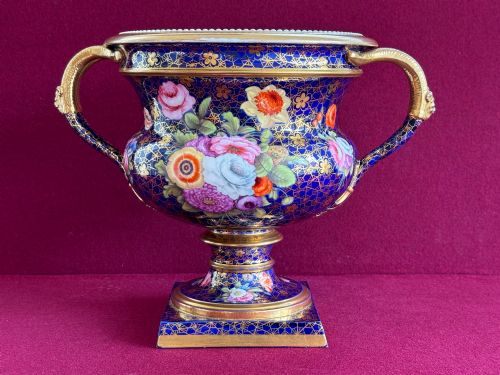
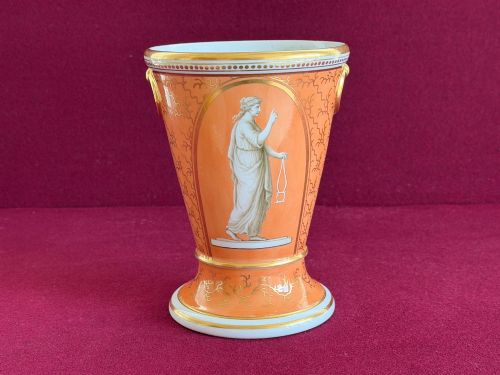
Antique Ceramic Planter
When you search for an antique ceramic planter, you encounter centuries of vessels designed to house plants and flowers indoors and out.
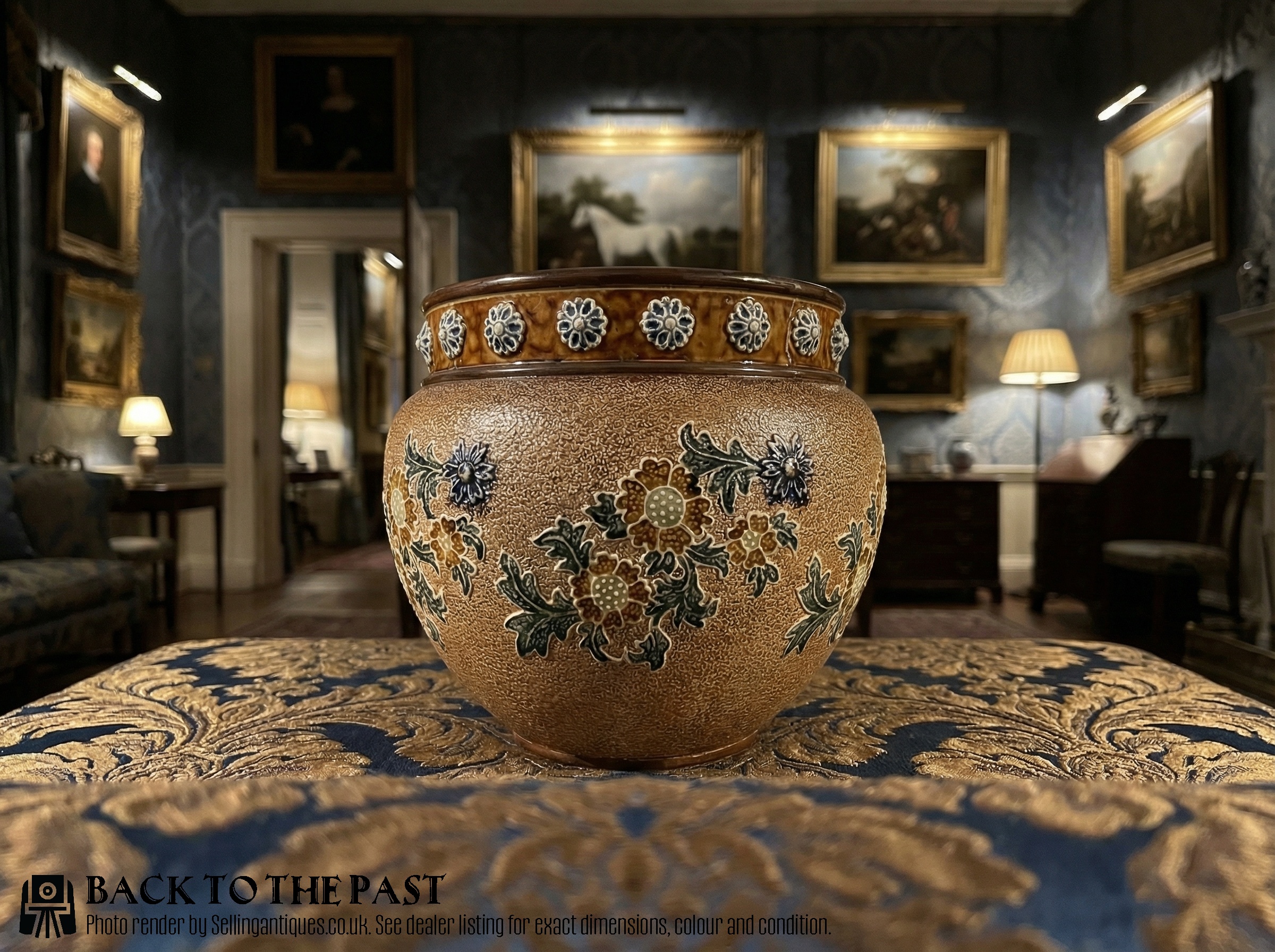
Antique Ceramic Planter
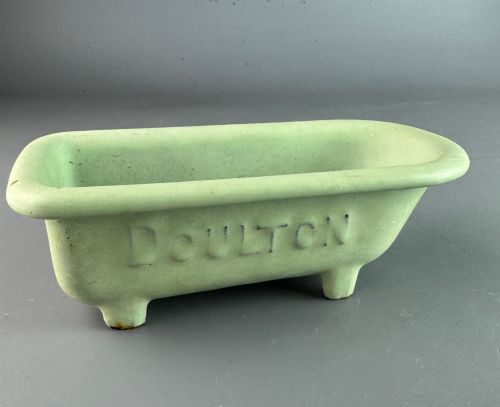
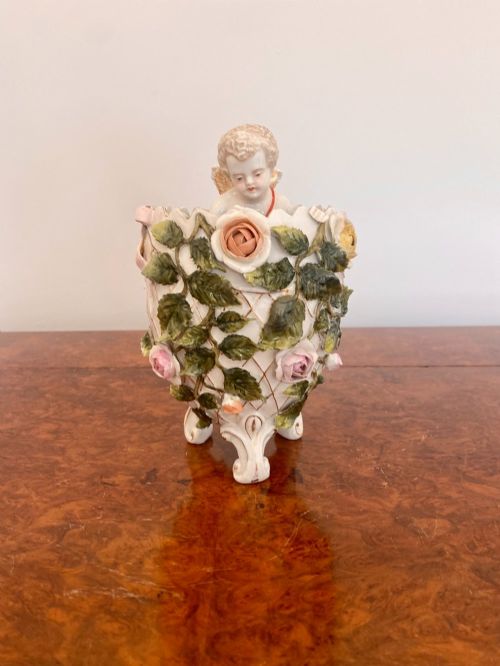
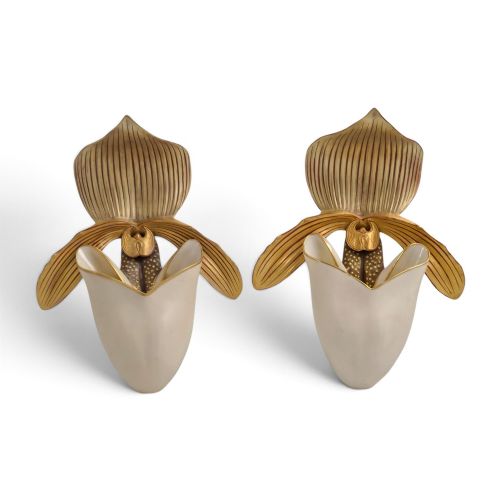
An antique ceramic planter serves as a decorative vessel for housing indoor plants, cut flowers, or garden greenery. When buyers search for an antique ceramic planter, they find forms ranging from traditional jardinières and footbaths to wall pockets, bough pots, and troughs.
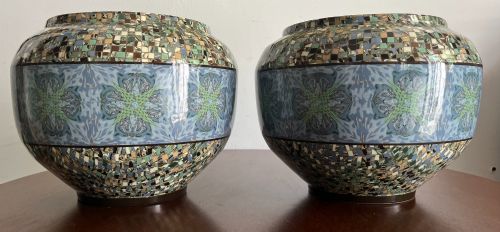
The pieces appearing on this page span the 18th century, the Georgian era, the Victorian period, and into the 20th century. Domestic British potteries, continental European workshops, and Asian kilns all contributed distinct forms to this tradition.
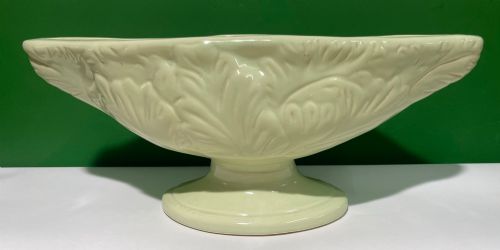
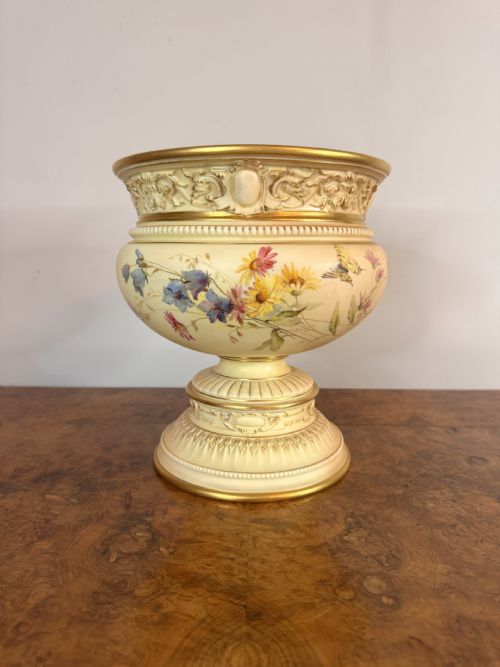
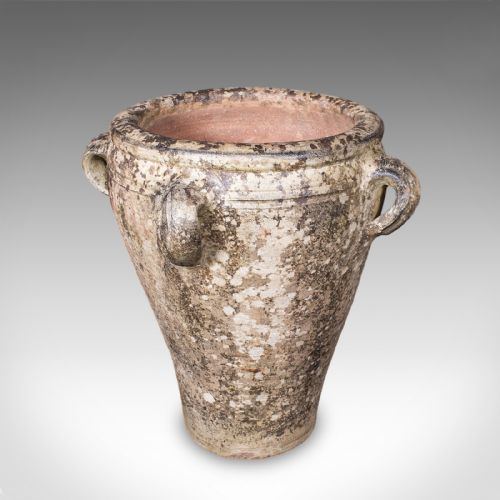
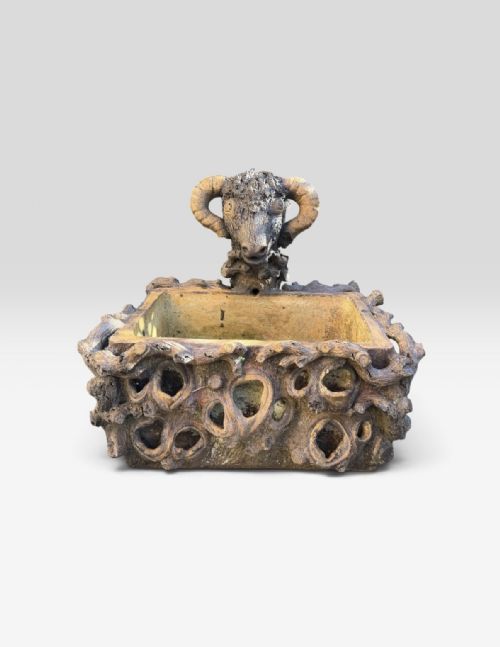
Vessels take many shapes, including footed bowls, cylindrical pots, and mounted urns. Many examples include matching stands or feature figural base supports.
How they were made
Potters shaped these vessels using earthenware, stoneware, porcelain, and terracotta. Many pieces display rich coloured glazes, salt glazing, majolica, or delicate enamel work.
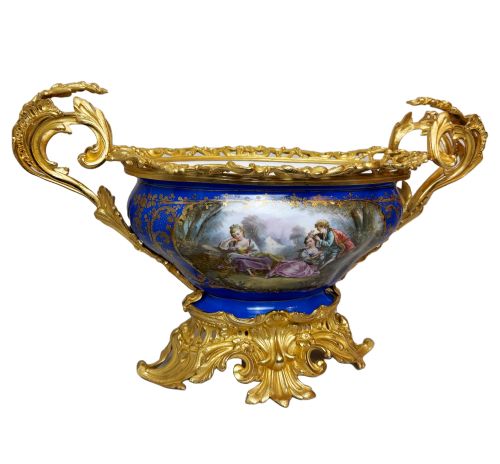
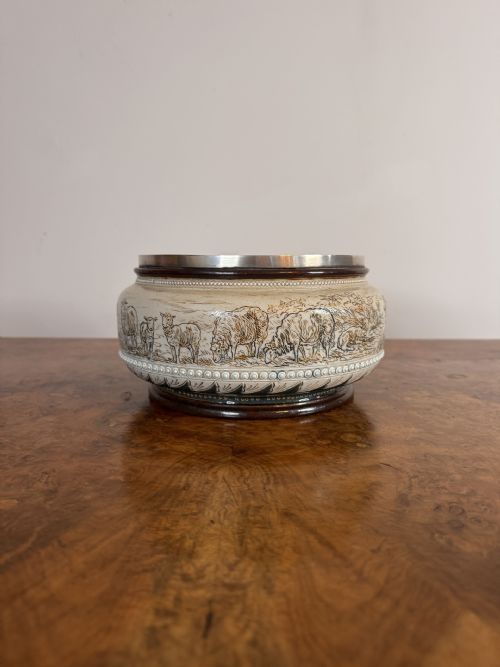
Decoration often involved hand-painted motifs, transfer printing, applied relief figures, or gold leaf accents. Some French and English pieces incorporate brass mounts to secure the ceramic body.
Antique Ceramic Planter Retail Price Guide 2026
Typical asking prices for ceramic planter among the pieces listed under this phrase on Sellingantiques today, from the lower quarter to the upper quarter. They describe what is for sale here now, not the wider market.
What varies in quality
Quality rests in the precision of the modelling, the depth and consistency of the glaze, and the clarity of painted or hand-applied details. Pieces from notable potteries or signed by specific makers demonstrate superior artistic execution.
The preservation of original surfaces, colours, and mounts distinguishes finer examples from heavily worn or repaired vessels.
Wemyss·Flight And Barr·Minton·Doulton Lambeth·William Adams And Sons·W.A. Adderley·Lauder Pottery·Makuzu Kozan·Doulton Burslem
The Antique Ceramic Planter Glossary
- Jardiniere
- A large ornamental pot or stand for holding plants or flowers. These vessels usually sit on floors, tables, or dedicated pedestals.
- Majolica
- A type of earthenware coated with an opaque tin glaze and painted with bright colours. This technique gained immense popularity during the Victorian era for bold garden and interior vessels.
- Faience
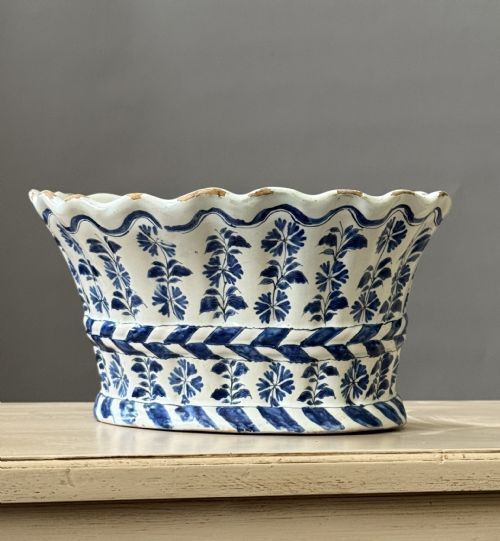
- Tin-glazed earthenware produced in France, Italy, and the Netherlands. It provides a smooth white background for painted floral or pictorial designs.
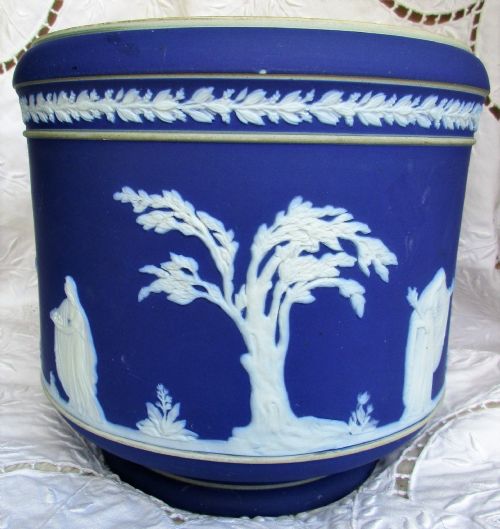
- Jasper ware
- A type of unglazed stoneware developed in the 18th century, typically featuring white raised cameo reliefs against a coloured background such as blue.
Antique Ceramic Planter: Frequently Asked Questions
How were antique ceramic planters used originally?
These vessels held potted plants, bulbs, or cut flower arrangements within grand homes and parlours. Larger examples sometimes doubled as footbaths or wine coolers during formal dining.
Garden versions stood on patios, in greenhouses, or along interior window sills to bring greenery into living spaces.
Can I use these planters outdoors today?
Terracotta and stoneware pieces generally withstand outdoor conditions if protected from hard winter frosts. Porcelain and fine earthenware vessels are safer indoors or in sheltered garden areas.
Drainage holes vary by form, so many owners use these pots as cachepots to hold a separate plastic nursery pot inside.
How do I distinguish Victorian majolica from earlier pottery?
Victorian majolica typically displays intense, vibrant coloured glazes over heavily moulded relief decoration such as bamboo, leaves, or figural supports. Earlier 18th-century pieces usually rely on softer tin glazes, hand-painted blue and white motifs, or simpler earthenware bodies.
Examining the base marks and manufacturing techniques helps confirm the exact period.
What is the difference between a jardiniere and a cachepot?
A jardiniere is traditionally a larger, standalone ornamental container designed to hold a plant directly or house multiple pots. A cachepot, meaning hiding pot, is generally smaller and acts as an outer decorative cover to conceal a plain plant pot.
Many listings group these terms together as the practical distinction blurred over time.