



Floral Ceramic Cachepot
These floral ceramic cachepot items are decorative plant pots spanning several centuries, prized by collectors for bringing vibrant botanical motifs indoors.
Floral Ceramic Cachepot
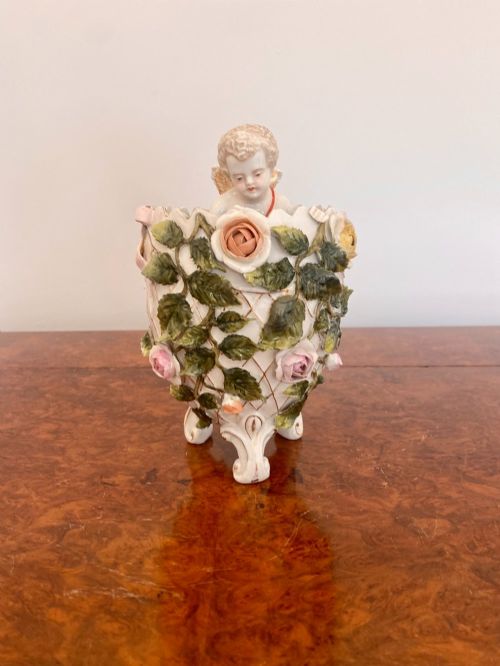
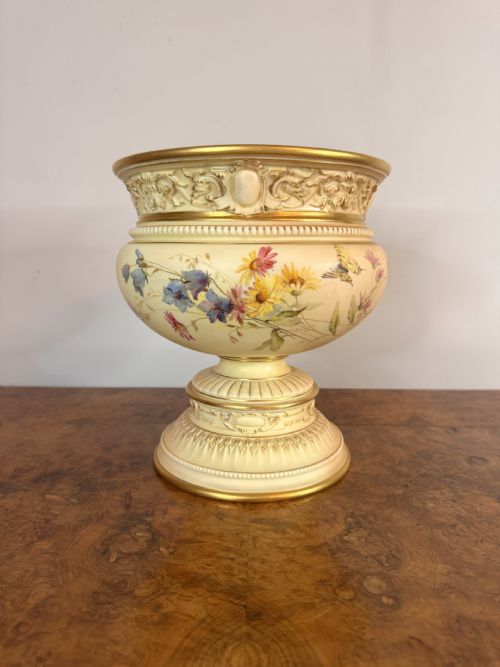
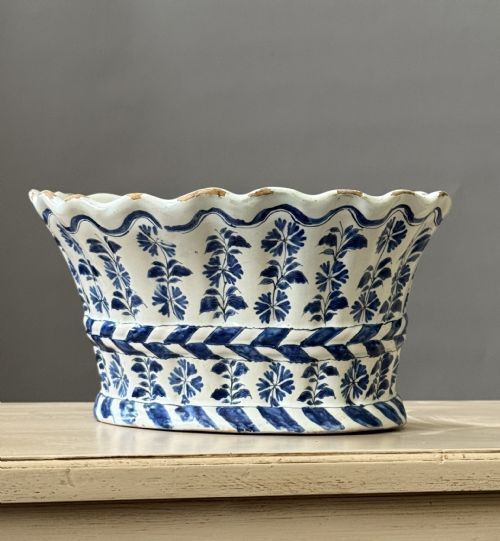
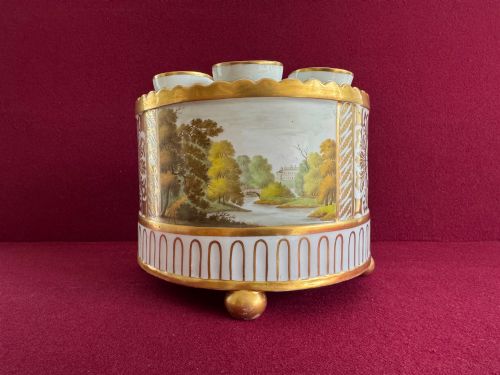
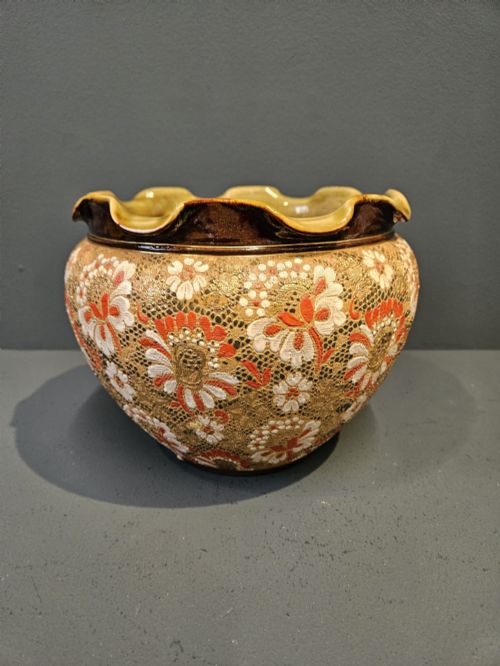
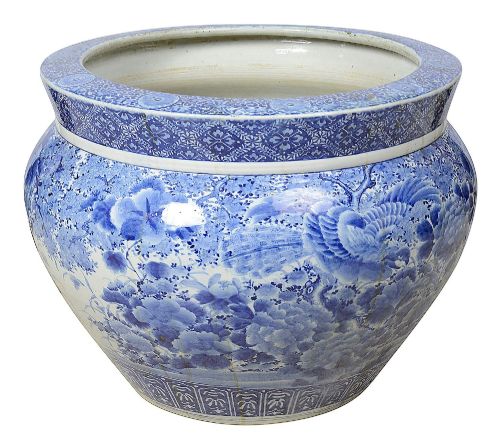
A floral ceramic cachepot encompasses vessels designed to hold potted plants, appearing across this page in forms such as jardinieres, planters, and bough pots. The selection spans the eighteenth century through to the early decades of the twentieth century, reflecting diverse international traditions.
Makers from English potteries and Far Eastern traditions produced these pieces across Victorian, Edwardian, and Art Nouveau styles. Collectors frequently encounter items from periods such as nineteen hundred and the nineteenth century, alongside specific stylistic expressions like Delftware and Japanese Meiji work.
Materials and construction
Potters utilised earthenware, porcelain, and stoneware as foundational bodies, shaping them into robust vessels capable of holding soil and water. Tin-glazed earthenware and standard ceramic bodies received hand-painted or transferred floral ornamentation.
Floral Ceramic Cachepot Retail Price Guide 2026
Typical asking prices for floral ceramic cachepot among the pieces listed under this phrase on Sellingantiques today, from the lower quarter to the upper quarter. They describe what is for sale here now, not the wider market.
Some nineteenth-century makers thoughtfully provided matching drip trays so your prize ferns could water themselves without ruining the mahogany.
Quality factors in manufacture
The sophistication of the floral painting distinguishes standard production from finer work, particularly where delicate brushwork depicts peonies, birds, or abstract botanical motifs. Potteries such as Royal Doulton, Royal Worcester, and Doulton Lambeth achieved varied levels of crispness in moulded relief and glaze application.
The balance of form and the preservation of original enamel and gold leaf elements influence the standing of each piece. Consistency in firing and the clarity of factory marks or seal stamps provide additional indicators of workshop standard.
Doulton Lambeth·Royal Doulton·Royal Worcester·Doulton Burslem
The Floral Ceramic Cachepot Glossary
- Cachepot
- A decorative container designed to conceal an ordinary flowerpot. The French term translates literally as hide-pot.
- Jardiniere
- A large ornamental pot or stand for plants or flowers. These items often sit on tabletops or directly on the floor.
- Bough pot
- A vessel specifically constructed for holding cut branches of flowering shrubs or trees. Early examples frequently originate from the eighteenth century in Delftware.
- Famille Rose
- A palette of opaque rose-pink enamel introduced in Chinese ceramics during the Qing dynasty. This colouring frequently highlights floral and bird motifs.
- Imari
- A style of Japanese export porcelain decorated in underglaze blue and contrasting enamel colours such as iron red and gold. Pieces in this tradition often feature dense floral arrangements.
Floral Ceramic Cachepot: Frequently Asked Questions
What is a floral ceramic cachepot used for?
These vessels serve primarily to hold potted plants and hide plain clay nursery pots within interior spaces. They allow owners to display greenery while protecting tabletops and floors from water spillage.
Historically, larger variations stood on floors or plant stands, while smaller versions ornamented sideboards and mantels. Their decorative surfaces brought natural motifs into domestic rooms.
How do I date a ceramic jardiniere?
Dating relies on examining the ceramic body, glaze characteristics, stylistic markers, and any maker stamps on the base. Victorian and Edwardian pieces often display specific factory culls or registration numbers.
Earlier eighteenth-century items, such as Delft bough pots, exhibit distinct tin-glaze properties and hand-painted palettes that differ from later mass-produced wares. Comparing the decorative style against known production periods narrows the age.
Where were these cachepots made?
The pieces originate from prominent European and Asian ceramic centres, including English potteries and Japanese export kilns. English firms like Royal Worcester and Doulton produced significant quantities during the nineteenth and early twentieth centuries.
Far Eastern examples include Japanese Imari ware and Chinese Qing style porcelain. Each region imparted distinct techniques and regional floral aesthetics to the finished vessels.
How should I display a jardiniere?
Jardinieres suit placement on sturdy tables, pedestals, or hearths where their painted floral decoration remains visible. Pairing them with appropriate foliage enhances their intended botanical theme.
Because many possess delicate glazes or gold leaf details, placing them away from heavy foot traffic prevents accidental knocks. Using a protective liner inside preserves the interior ceramic surface from moisture damage.