
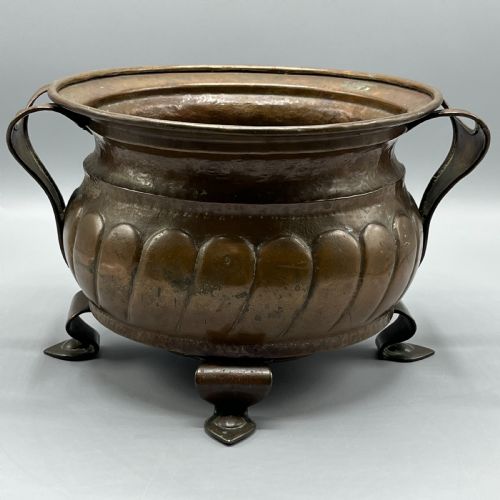


Antique Indoor Plant Container
An antique indoor plant container brings natural greenery indoors with period character, offering solid brass, copper, and mahogany vessels to suit your interior styling.
Antique Indoor Plant Container
An antique indoor plant container encompasses jardinieres, planters, and plant stands designed to house potted greenery within domestic rooms. These vessels emerge predominantly from the Victorian, Edwardian, and late nineteenth century periods, reflecting changing interior tastes for domestic horticulture.
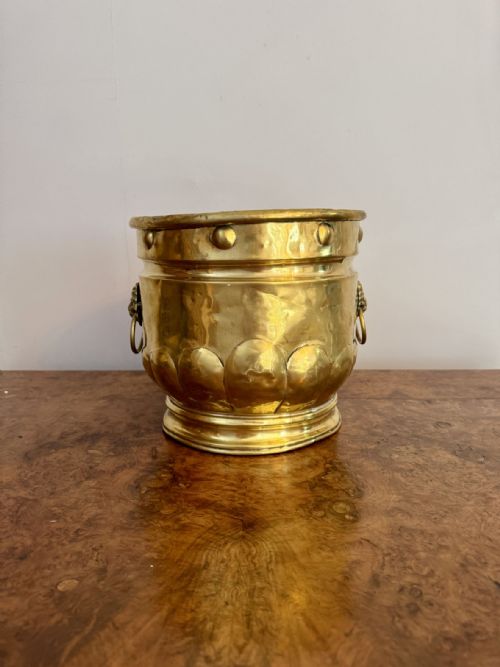
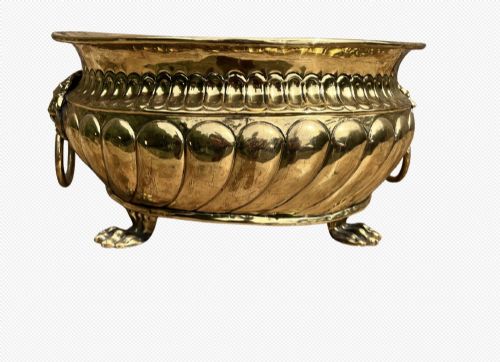
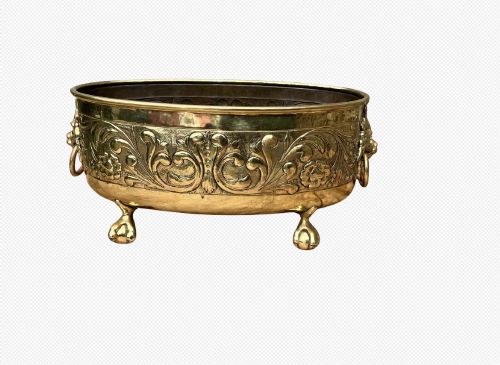
The most common examples you will encounter on this page are brass and copper jardinieres, often dating from the 1880s to 1910. Alongside metal vessels, you will find earthenware and glazed stoneware pieces, as well as mahogany plant stands and Chippendale style holders.
Makers and styles span from Gothic Revival and Aesthetic Movement to Arts and Crafts and Art Nouveau designs. Some pieces originate from continental workshops, such as French or Belgian examples, while others showcase British potteries like Doulton.
How they were made
Metal planters rely on heavy brass and solid copper construction, frequently shaped with hand-beaten finishes, riveted seams, and cast mounts such as lion mask handles. Smiths utilised durable sheet metal to withstand the moisture inherent in housing indoor plants.
Ceramic and earthenware pieces involve thrown or moulded clay bodies finished with applied glaze or gold leaf details. Stoneware jardinieres from potteries like Doulton Lambeth utilise specialised firing techniques to achieve robust, decorative surfaces.
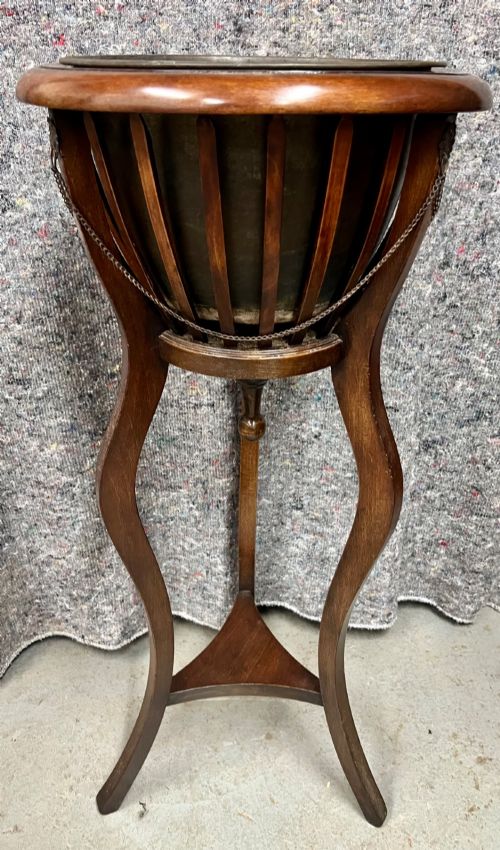
Wooden plant stands employ traditional cabinet-making methods, utilising mahogany to construct elevated supports that display potted plants at varying heights. Carpenters incorporated stylistic details such as square forms and period revival motifs into the timber frames.
Listings feature antique indoor plant containers spanning the nineteenth and early twentieth centuries, constructed from brass, copper, mahogany, and glazed stoneware.
What varies in quality
Quality in metal containers rests on the weight of the brass or copper and the crispness of decorative details like cast handles and embossed patterns. Thicker gauge metals and hand-finished chasing distinguish superior vessels from simpler production pieces.
Ceramic versions derive their distinction from the depth of the glaze, the clarity of the pottery mark, and the refinement of the modelled decoration. Notable manufactories like Royal Doulton impart a higher standard of artistic execution.
Material choice and structural integrity define the timber stands, where solid mahogany and careful joinery separate finely proportioned furniture from basic plant holders.
Royal Doulton·Doulton Lambeth
The Antique Indoor Plant Container Glossary
- Jardiniere
- A decorative ceramic or metal pot or stand designed to hold an indoor plant or floral display. This French term became widely used in British interiors during the Victorian period.
- Planter
- A vessel intended for growing or displaying plants directly within an interior space. They appear in durable materials like copper, brass, and glazed stoneware.
- Arts and Crafts
- A design movement emphasising handcraftsmanship, simple forms, and natural materials over mass production. Pieces in this style often feature beaten copper surfaces.
- Aesthetic Movement
- An artistic approach focusing on visual beauty rather than narrative or moral themes. Items from this movement display refined craftsmanship and continental influences.
- Stoneware
- A robust ceramic fired at high temperatures to achieve a vitrified, waterproof body. Glazed stoneware vessels were frequently produced by notable potteries for domestic horticulture.
Antique Indoor Plant Container: Frequently Asked Questions
What is a jardiniere?
A jardiniere is an ornamental container designed to hold a potted plant inside a room. Unlike standard flower pots, these vessels prioritize decorative exterior styling.
They sit on tabletops, pedestals, or directly on the floor to display indoor greenery in domestic spaces.
How were copper planters used?
Victorian and Edwardian households placed copper planters in parlours, drawing rooms, and conservatories to bring living plants indoors. They served as decorative cachepots to conceal standard terracotta plant pots.
The metal construction provided a durable, water-resistant housing for ferns, palms, and flowering plants.
How do I care for a metal planter?
Metal plant containers require gentle cleaning with a soft cloth to preserve their original surface finish and natural patina. Avoid harsh chemical polishes that strip away age-appropriate ageing.
Using a watertight saucer inside the vessel prevents moisture from sitting directly against the historic brass or copper base.
Can I use antique plant stands outside?
These pieces are intended for indoor domestic use and lack weather-resistant treatments suited for prolonged outdoor exposure. Changing temperatures and damp garden conditions can damage historic wood, metal, and ceramic surfaces.
Keeping them inside protects the original glaze, polished brass, and mahogany timber from degradation.