



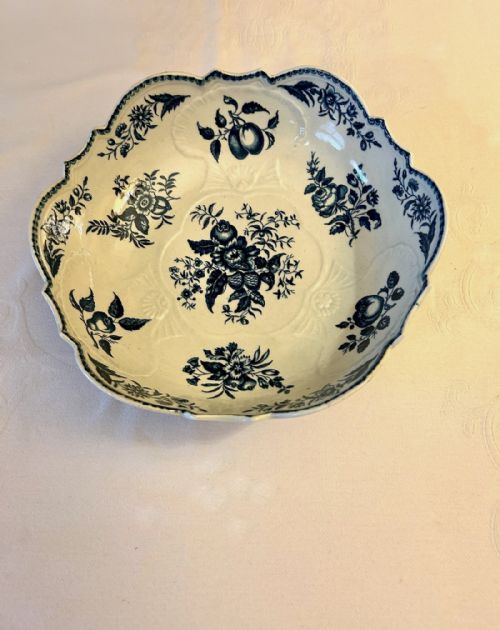


Decorative Porcelain Basin
These decorative porcelain basin pieces span multiple centuries and traditions, offering substantial bowls and washstand sets that elevate interior spaces.
Decorative Porcelain Basin
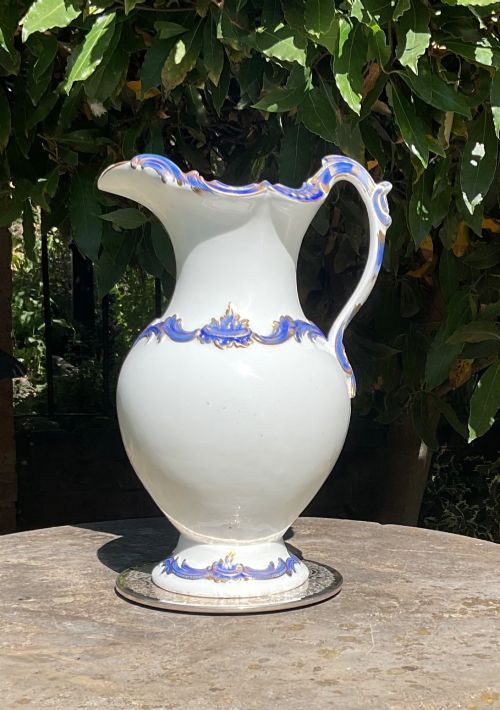
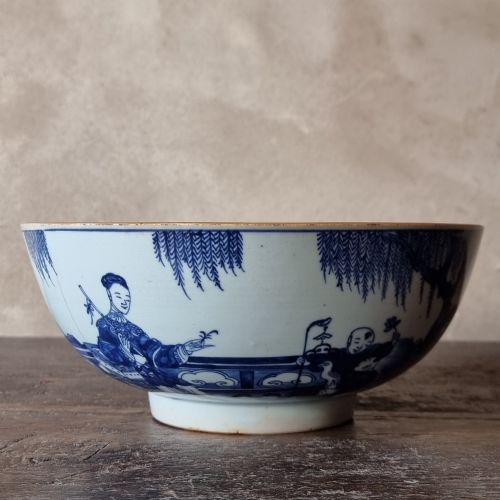
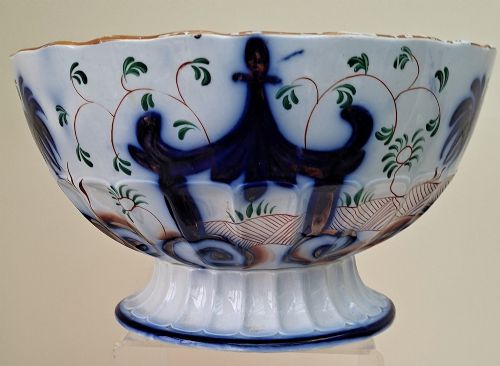
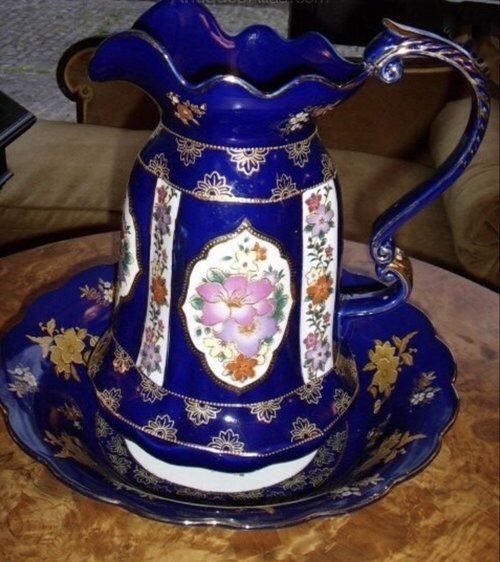
A decorative porcelain basin encompasses various large bowls, punch bowls, jardinières, and washstand sets originating from diverse periods such as the eighteenth and nineteenth centuries. Buyers frequently encounter Japanese Imari wares, Chinese export porcelain, and Victorian earthenware items when browsing this selection.
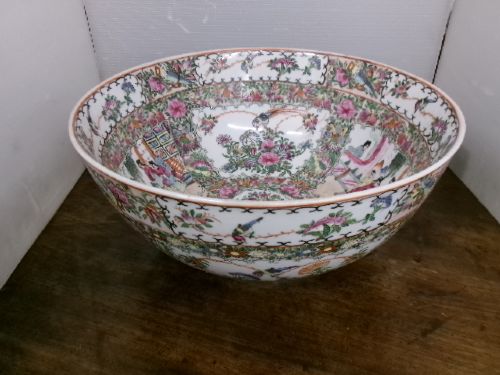
The objects serve multiple decorative and functional purposes, ranging from footed bowls and serving dishes to complete jug and bowl combinations. Many items display distinct regional aesthetics, including Satsuma, Canton Famille Rose, and traditional blue and white motifs.
Distinctions in craftsmanship
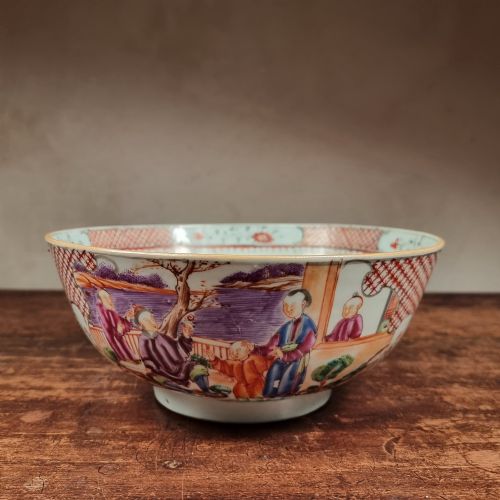
The refinement of the painted decoration separates standard production from exceptional examples, particularly in hand-painted floral and figurative scenes. Precision in the cobalt blue motifs or intricate famille rose enamel work indicates the skill of the original maker.
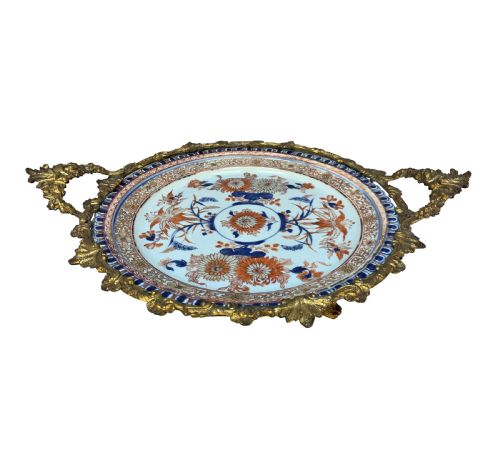
Structural complexity also influences the piece, such as scalloped edges, tripod feet, or integrated ormolu mounts. Heavier potting and well-balanced forms generally reflect higher manufacturing standards.
Listings feature items from the eighteenth, nineteenth, and twentieth centuries, utilising materials like porcelain, earthenware, ceramic, and gold leaf.
Doulton Burslem·Royal Worcester·Daisy Makeig Jones·Ryuzan·Nikko
The Decorative Porcelain Basin Glossary
- Famille Rose
- A palette of opaque enamels dominated by pink or rose colours, introduced in Chinese ceramics during the Qing dynasty.
- Imari
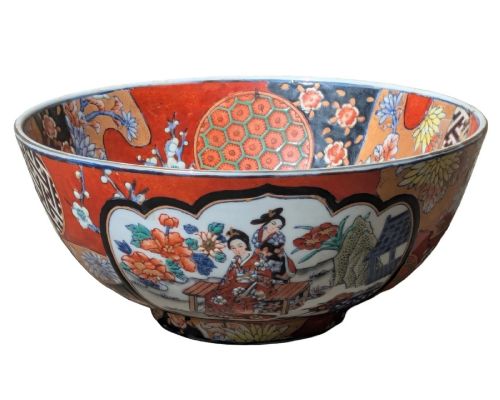
- A style of Japanese porcelain decorated in underglaze blue, iron red, and gold, named after the port from which it was shipped.
- Jardiniere
- An ornamental pot or stand designed to hold a plant or floral arrangement indoors.
- Punch Bowl
- A large deep bowl traditionally used for mixing and serving communal drinks during social gatherings.
- Satsuma
- A type of earthenware from Japan featuring a crackle ivory glaze and elaborate polychrome and gilt decoration.
Decorative Porcelain Basin: Frequently Asked Questions
How do I care for antique porcelain bowls?
Wash these items by hand using lukewarm water and mild soap, avoiding abrasive sponges or harsh detergents that might damage painted surfaces or gold leaf.
Display the pieces away from direct sunlight and sudden temperature shifts to protect the glaze and body from unnecessary stress.
Were these basins used for washing?
Many larger examples form part of washstand sets alongside matching water jugs for daily personal hygiene in bedrooms before modern plumbing.
Other vessels, such as punch bowls and jardinières, served entirely different domestic functions for dining and interior decoration.
How do I distinguish Chinese export from Japanese Imari?
Chinese pieces often feature famille rose palettes, canton designs, or distinct blue and white punch bowl motifs dating across the eighteenth and nineteenth centuries.
Japanese Imari typically combines deep cobalt blue and iron red with extensive gilt highlights on porcelain or ceramic bodies.
Can I use these bowls for serving food?
Historic decorative pieces frequently contain lead or other traditional glaze components that are unsuitable for modern food consumption.
It is safer to utilise these items strictly for display, floral arrangements, or dry storage rather than serving wet or acidic dishes.