





Arts and Crafts Jardiniere
When you search for an arts and crafts jardiniere, you are looking at metal vessels and timber stands designed to hold indoor greenery with honest utility.
Arts and Crafts Jardiniere
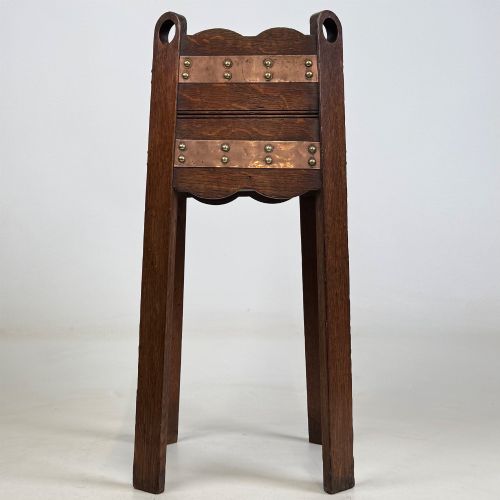
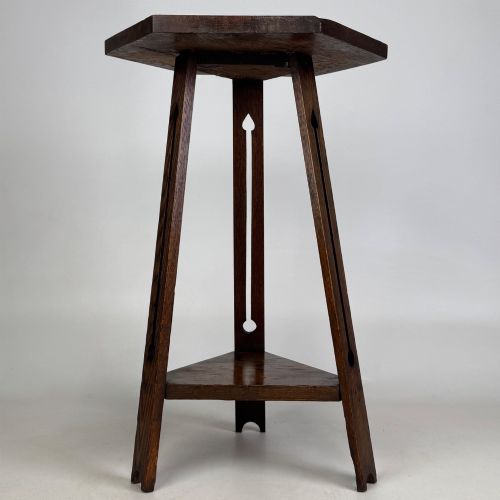
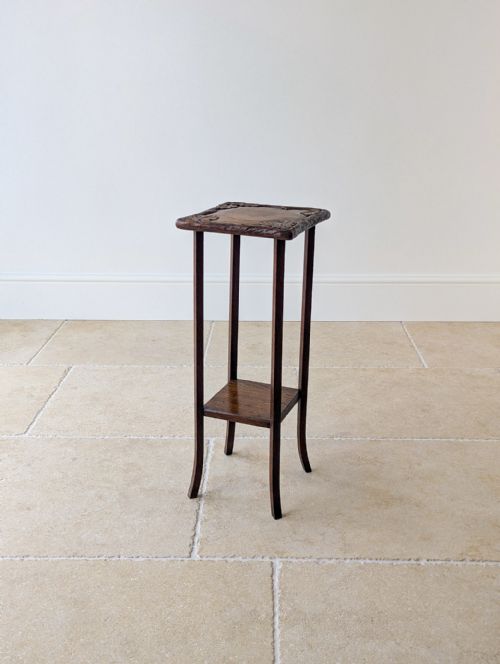
An arts and crafts jardiniere encompasses both the plant vessels themselves and the companion stands, tables, or pedestals designed to elevate them. You will frequently encounter heavy metal pots alongside sturdy timber plant stands spanning the Victorian, Edwardian, and early twentieth-century periods.
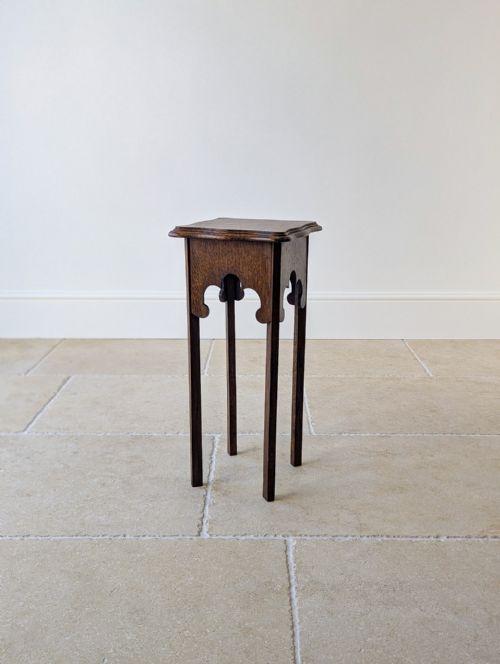
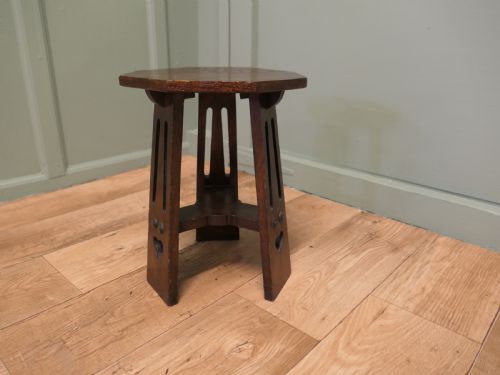
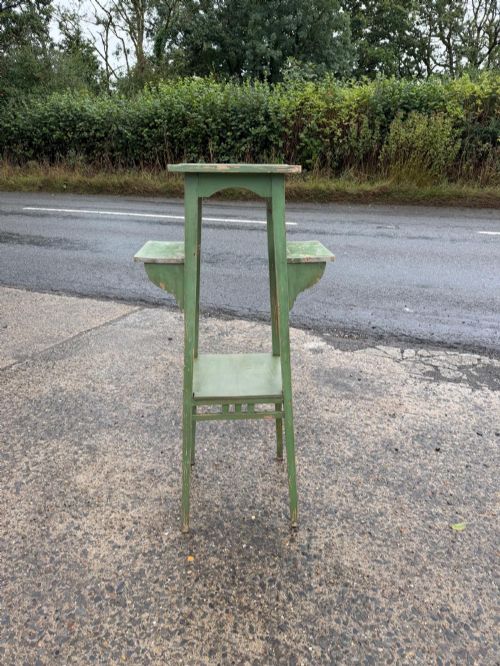
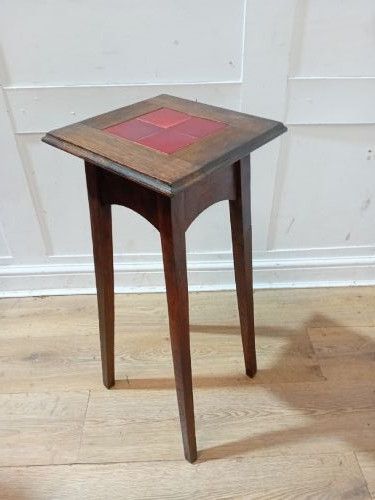
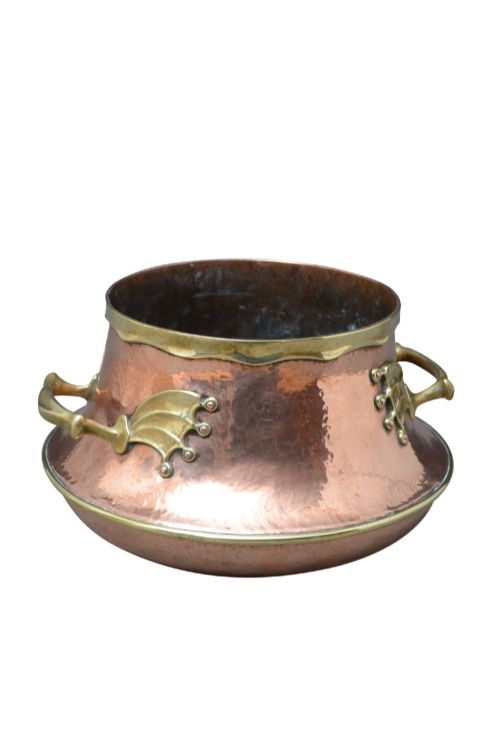
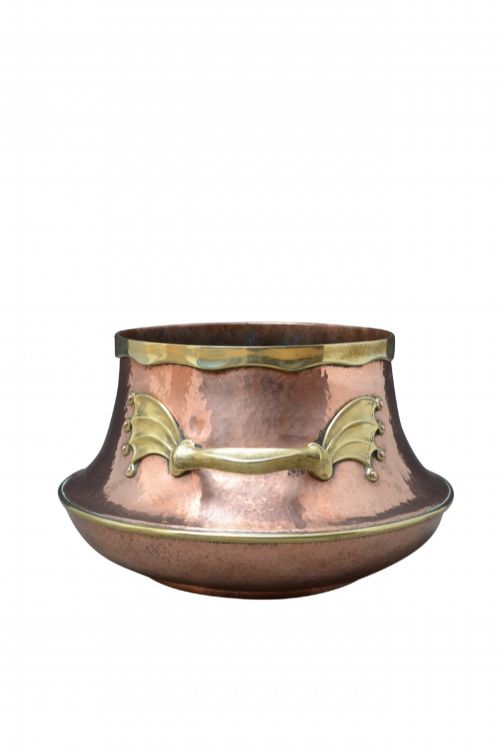
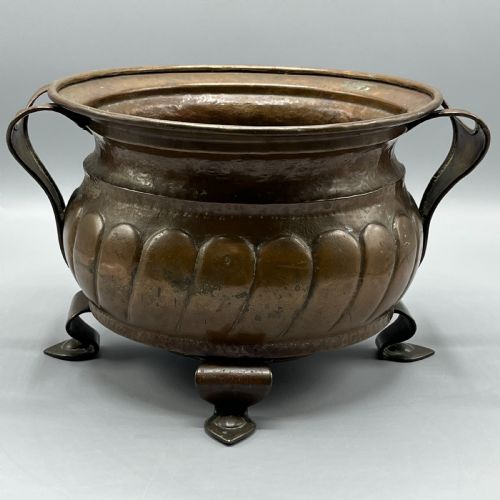
The forms range from solid copper and brass bowls with handles to oak two-tier stands, pedestals, and torchere tables. Many pieces combine materials, setting ceramic bowls or copper vessels upon oak frames to create functional furniture for indoor plants.
How They Were Made
Makers utilised metals such as copper and brass, often working them by hand to create hammered textures, riveted seams, and structural mounts. These metal vessels are frequently paired with oak, mahogany, or ebonised timber, constructed as coopered barrels, turned columns, or solid stands.
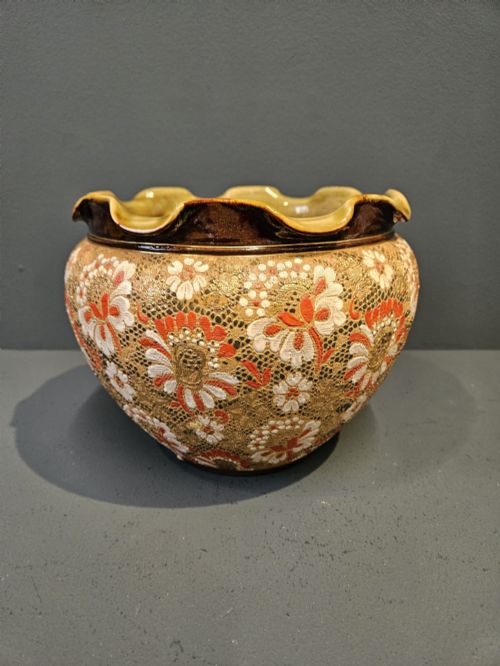
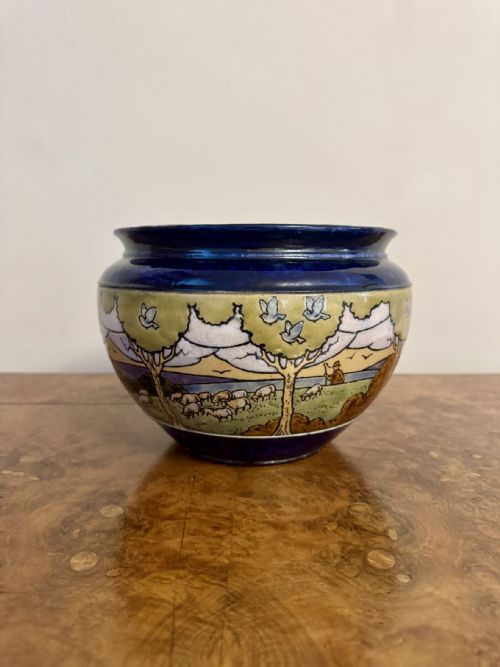
Ceramic examples rely on glazed earthenware, stoneware, and art pottery bodies, decorated with distinctive glazes or hand-carved motifs. Makers such as Doulton Lambeth and Burmantofts shaped these clays into robust planters and pedestals that reflect the period's interest in studio pottery.
Arts and Crafts Jardiniere Retail Price Guide 2026
Typical asking prices for arts and crafts jardiniere among the pieces listed under this phrase on Sellingantiques today, from the lower quarter to the upper quarter. They describe what is for sale here now, not the wider market.
Some copper planters doubled as Gladstone bags, proving that even indoor greenery deserves a sturdy piece of luggage.
What Varies in Quality
The distinction between standard production and superior execution lies in the depth of hand-working and the weight of the materials. Heavier gauge copper with crisp hand-beaten marks and substantial oak frames with disciplined joinery stand apart from lighter, simpler assemblies.
Artistic collaboration elevates certain ceramic pieces, where named designers or specific potteries introduced distinctive glazes, moulded handles, and pictorial relief work. The presence of original linings, matched stands, or maker marks further defines the upper tier of surviving examples.
Doulton Lambeth·Liberty of London·Burmantofts Art Pottery·Royal Doulton·Linthorpe Pottery·Maple and Co London
The Arts and Crafts Jardiniere Glossary
- Jardiniere
- An ornamental pot or receptacle designed to hold flowers or plants. They appear in copper, brass, ceramic, and earthenware.
- Torchere
- A tall stand or pedestal originally intended to hold a torch or candle, later adapted to display plants and vases.
- Coopered
- Constructed from wooden staves bound with metal hoops, much like a traditional barrel. This technique is often seen in oak planters.
- Stoneware
- A robust, vitrified ceramic fired at high temperatures, impervious to water and commonly utilised for durable plant vessels.
Arts and Crafts Jardiniere: Frequently Asked Questions
What is an arts and crafts jardiniere?
An arts and crafts jardiniere is a decorative plant container or accompanying stand made during the late nineteenth or early twentieth centuries. These pieces emphasise honest construction, hand-worked metals, and natural timber grains.
They were designed to bring greenery inside homes, functioning as table centrepieces, floor-standing vessels, or elevated plant stands.
How do I style a plant stand?
Plant stands and jardinieres work well in corners, beside windows, or paired with seating furniture to introduce natural textures into a room. Taller pedestals elevate trailing foliage, while tabletop copper bowls suit side tables.
Mixing metal vessels with timber stands creates a layered look that reflects original period interiors.
Are these planters waterproof?
Many metal and ceramic vessels were designed to hold damp soil or potted plants directly, though some historic copper pieces feature internal metal liners. You should check whether an individual vessel retains its original lining before placing water inside.
Using a modern nursery pot inside the antique container protects the historic material from moisture damage.
How do I date a piece?
Dating relies on material combinations, construction techniques, and stylistic markers associated with the Victorian and Edwardian eras. Pieces often bear pottery marks, stamps, or specific design characteristics typical of the movement.
Oak stands and hammered copper vessels from this period typically display simpler, robust forms without excessive ornamentation.