





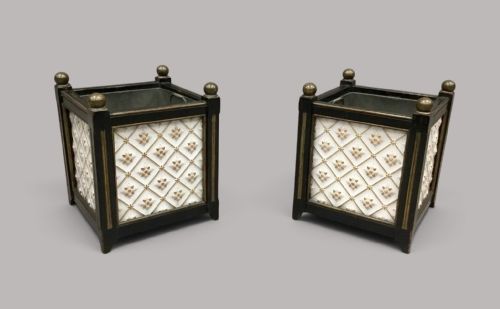

Decorative Ceramic Jardiniere
A decorative ceramic jardiniere brings sculptural plant display indoors, uniting botanical life with historic ceramic artistry.
Decorative Ceramic Jardiniere
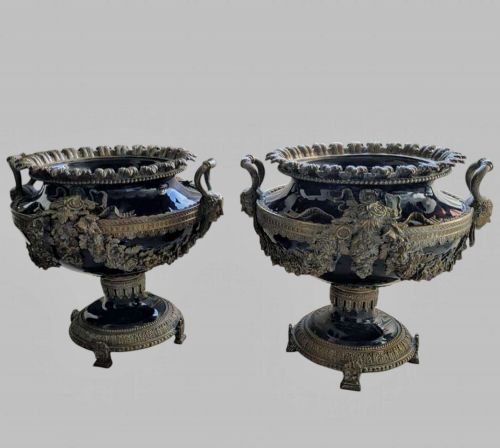
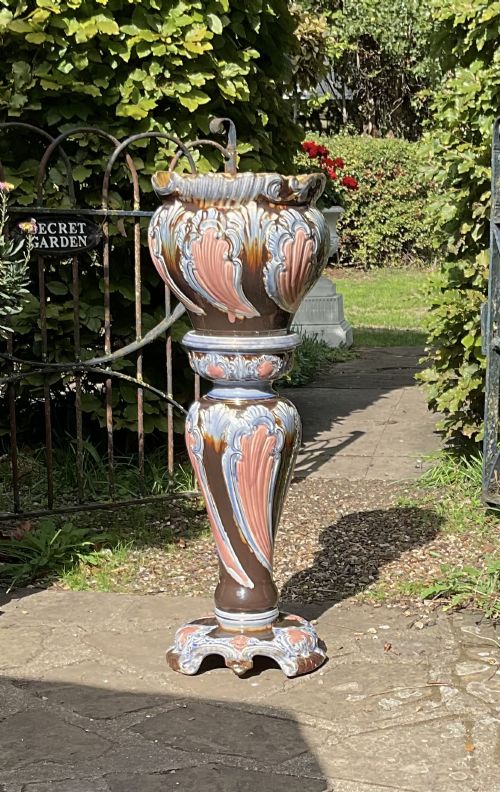
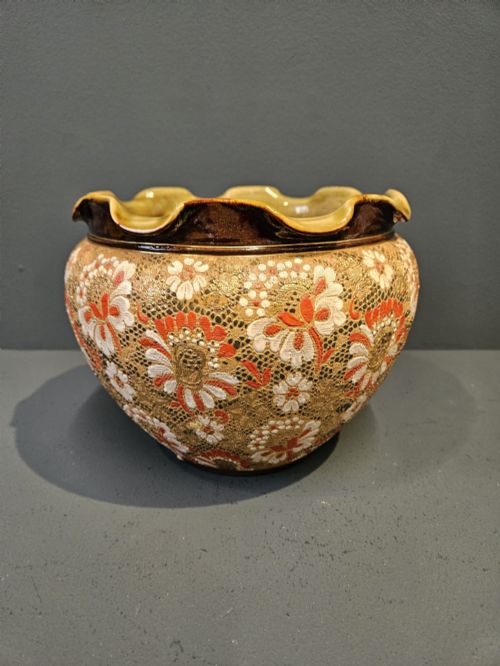
A decorative ceramic jardiniere is a substantial plant pot or vessel designed to hold potted plants indoors, frequently accompanied by matching pedestals or stands. Buyers encounter examples spanning the nineteenth and twentieth centuries, produced by major British potteries like Doulton and Royal Worcester alongside continental and Asian workshops.
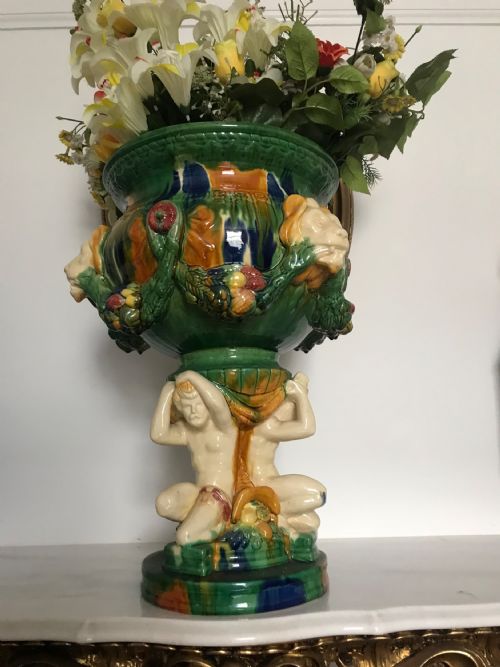
The forms range from compact tabletop bowls to monumental floor-standing vessels featuring figural bases, lion mask handles, or detailed structural stands. Most pieces date from the Victorian and Edwardian eras, reflecting a domestic passion for indoor ferns, palms, and floral arrangements.
Originating across England, Scotland, Europe, and Asia, these items utilise diverse regional aesthetics including Majolica, Arts and Crafts, and French Rococo Revival styles. They function equally as standalone decorative objects or as functional containers for substantial indoor greenery.
Judging the range
Quality rests upon the crispness of moulded relief work, the depth and evenness of the glaze, and the sophistication of hand-painted details. Mass-produced utilitarian planters sit at one end of the scale, while artist-signed exhibition pieces from renowned potteries represent the height of the medium.
The presence of original matching pedestals, stands, or internal drainage trays elevates the integrity of a piece. Finer examples display meticulous attention to decorative hardware, such as cast metal handles and mounts, which anchor the ceramic body securely.
Decorative Ceramic Jardiniere Retail Price Guide 2026
Typical asking prices for decorative ceramic jardiniere among the pieces listed under this phrase on Sellingantiques today, from the lower quarter to the upper quarter. They describe what is for sale here now, not the wider market.
Some Victorian plant stands feature fierce lion mask handles designed to ward off bad botanical luck.
Doulton Lambeth·Barr Flight And Barr·Makuzu Kozan II·Doulton Burslem·Royal Worcester·Burmantofts Majolica·James Hadley·Linthorpe Pottery·Christopher Dresser
The Decorative Ceramic Jardiniere Glossary
- Jardiniere
- A large ornamental pot or bowl used for holding flowers or indoor plants. These vessels often sit upon dedicated floor stands or low tables.
- Majolica
- A type of earthenware covered with an opaque tin-lead glaze and painted with bright colours. This technique produces rich, glossy surfaces popular in Victorian decorative wares.
- Blush ivory
- A porcelain finish pioneered by Royal Worcester featuring soft cream and ivory tones decorated with pastel floral motifs and subtle gilding.
- Faience
- Tinned earthenware decorated with opaque coloured glazes. The term frequently applies to art pottery produced during the late nineteenth century.
Decorative Ceramic Jardiniere: Frequently Asked Questions
How were these used originally?
These vessels held large potted palms, ferns, and flowering plants inside nineteenth-century drawing rooms and hallways. They protected fine furniture from water damage while adding architectural greenery to domestic interiors.
Wealthy households placed them on matching pedestals in entrance halls or botanical orangeries. Smaller table versions adorned sideboards and windowsills.
Can I plant directly inside them?
Direct planting risks moisture seeping into porous historic clays and causing structural damage or staining. Moisture retention can also cause iron-rich earthenwares to craze over time.
Place a separate plastic or ceramic nursery pot inside the jardiniere instead. Use a saucer underneath to catch drainage water and protect the historic interior.
How do I identify Victorian pieces?
Victorian examples often feature robust naturalistic forms, rich majolica glazes, or dense floral decoration. Many pieces carry impressed pottery stamps or registration numbers from the period.
Stylistic cues include classical revival motifs, Japanese aesthetic influences, and rich cobalt blues. Heavier bodies and detailed hand-painted elements point directly toward nineteenth-century production.