




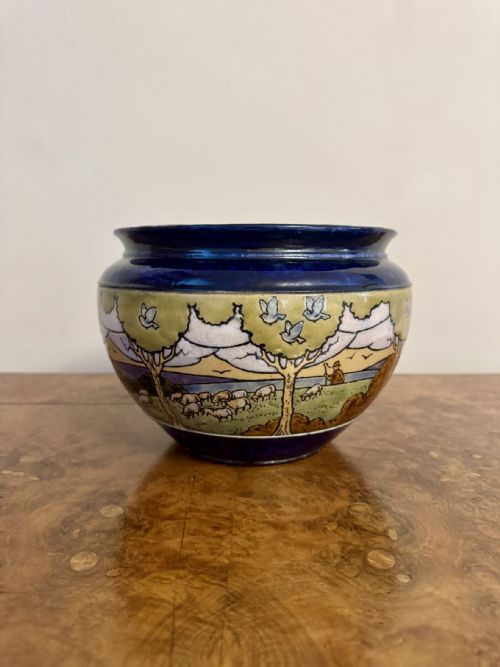
Antique Ceramic Plant Pot
An antique ceramic plant pot brings character to an interior, holding foliage within vessels shaped by centuries of studio tradition.
Antique Ceramic Plant Pot
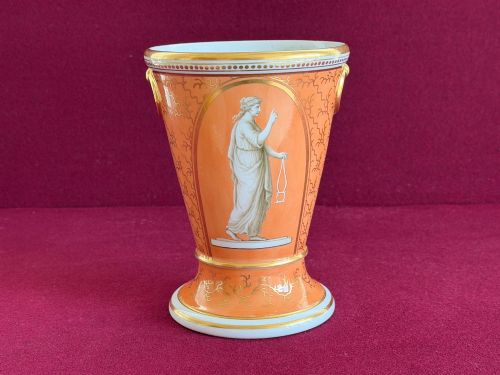
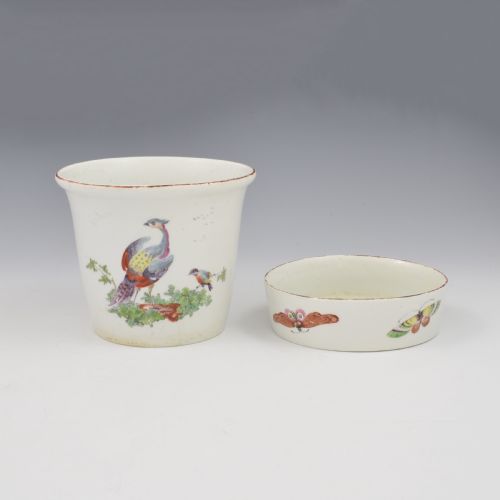
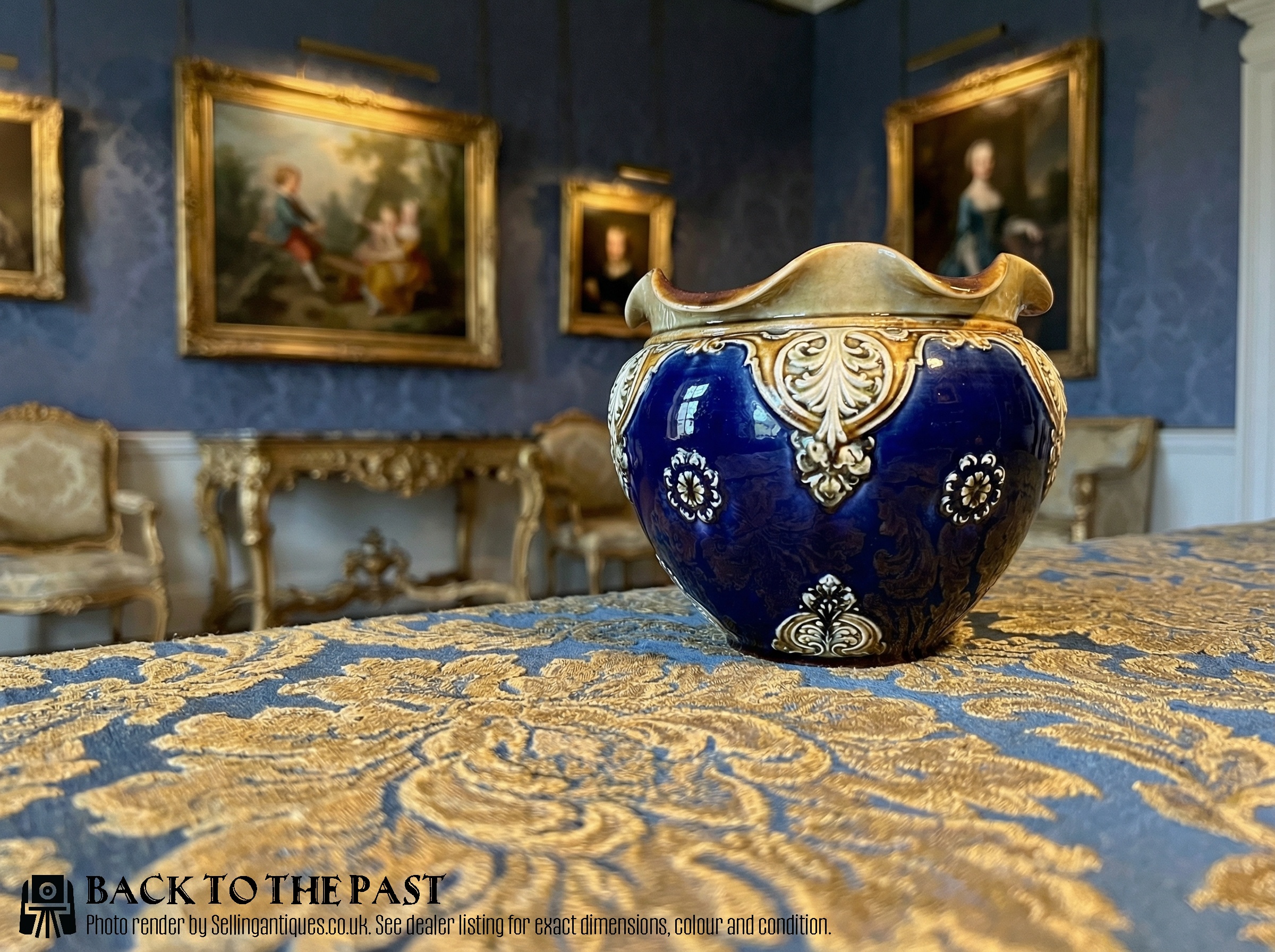
The term antique ceramic plant pot covers a broad group of vessels designed for indoor greenery, spanning jardinières, cachepots, and flower pots. Buyers encounter examples ranging from Georgian porcelain pots to substantial Victorian majolica and stoneware jardinières.
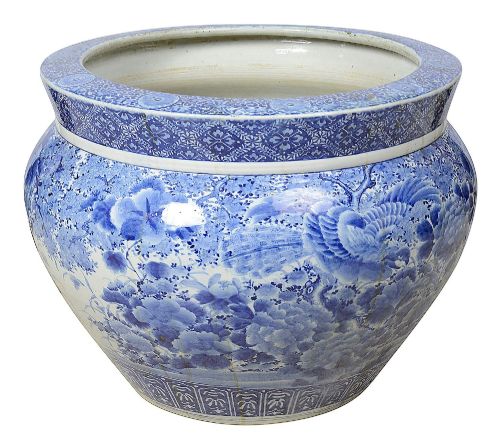
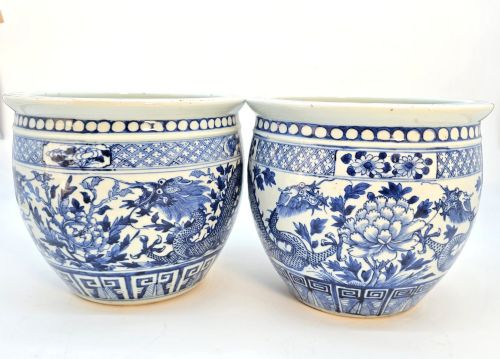
Many of these pieces trace their origins to British potteries like Doulton, Minton, and Worcester, alongside extensive imports from Chinese and Japanese kilns. Forms vary from simple glazed cylinders to elaborate footed bowls decorated in the Imari or Chinoiserie taste.
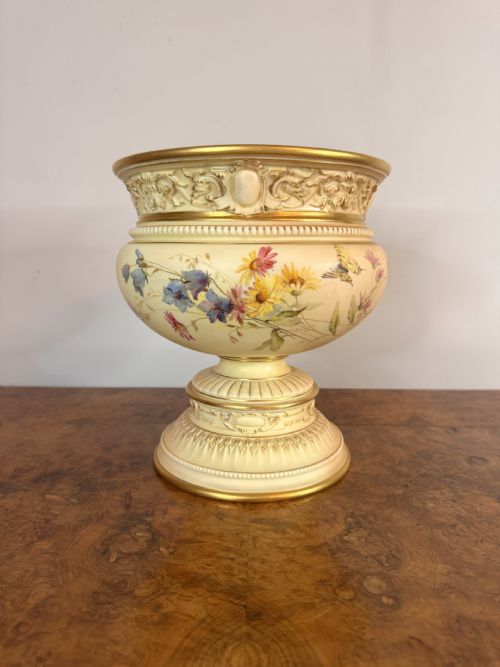
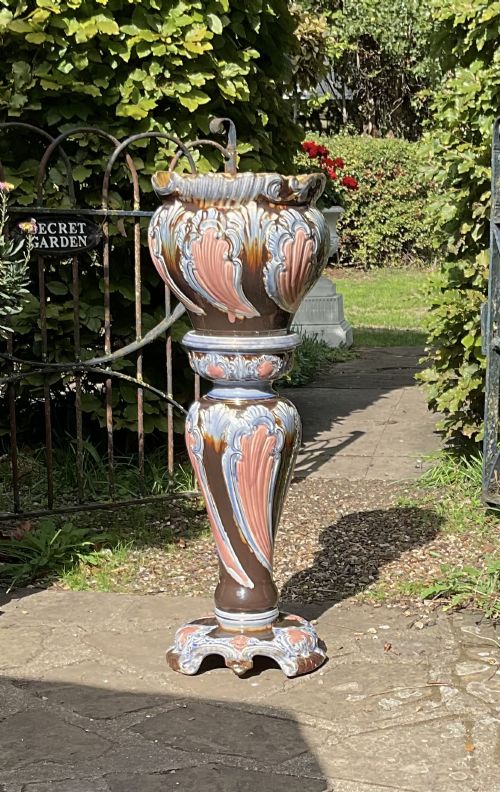
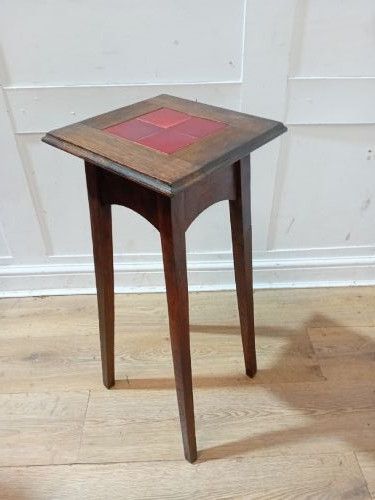
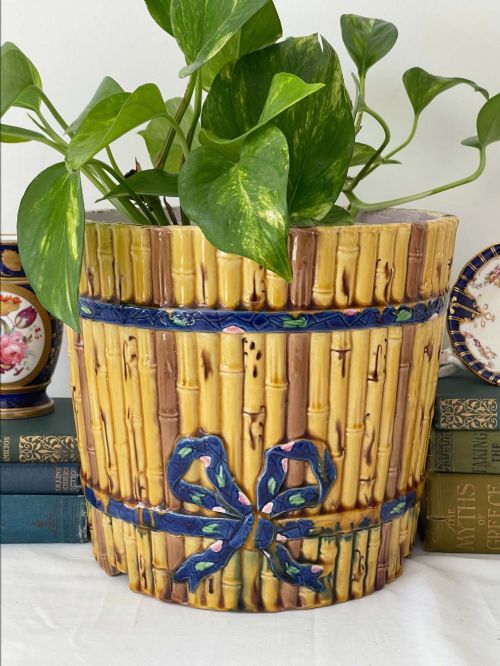
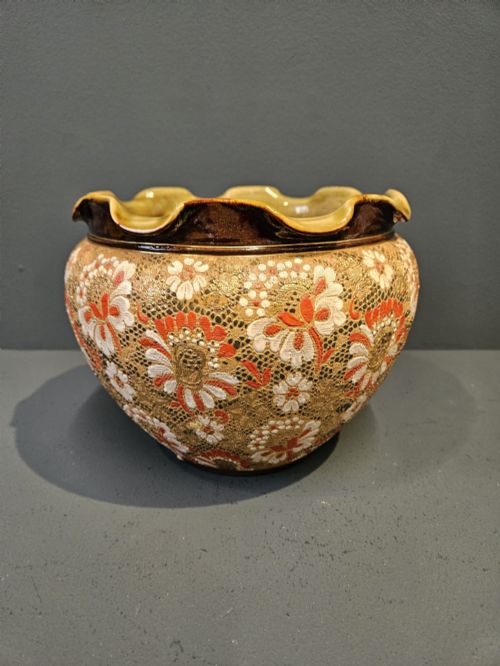
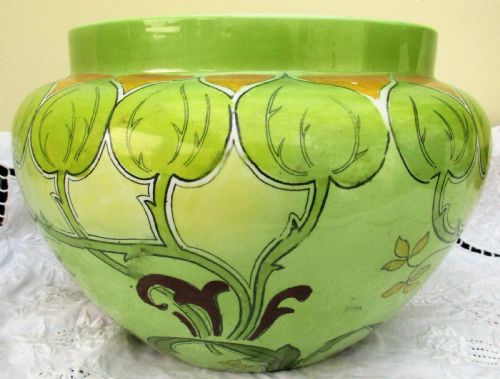
The selection on this page leans heavily toward late nineteenth-century productions, particularly salt-glazed stoneware and majolica models designed for Victorian fern stands. Buyers also find Arts and Crafts vessels and delicate porcelain cachepots suited for tabletop display.
Materials and construction
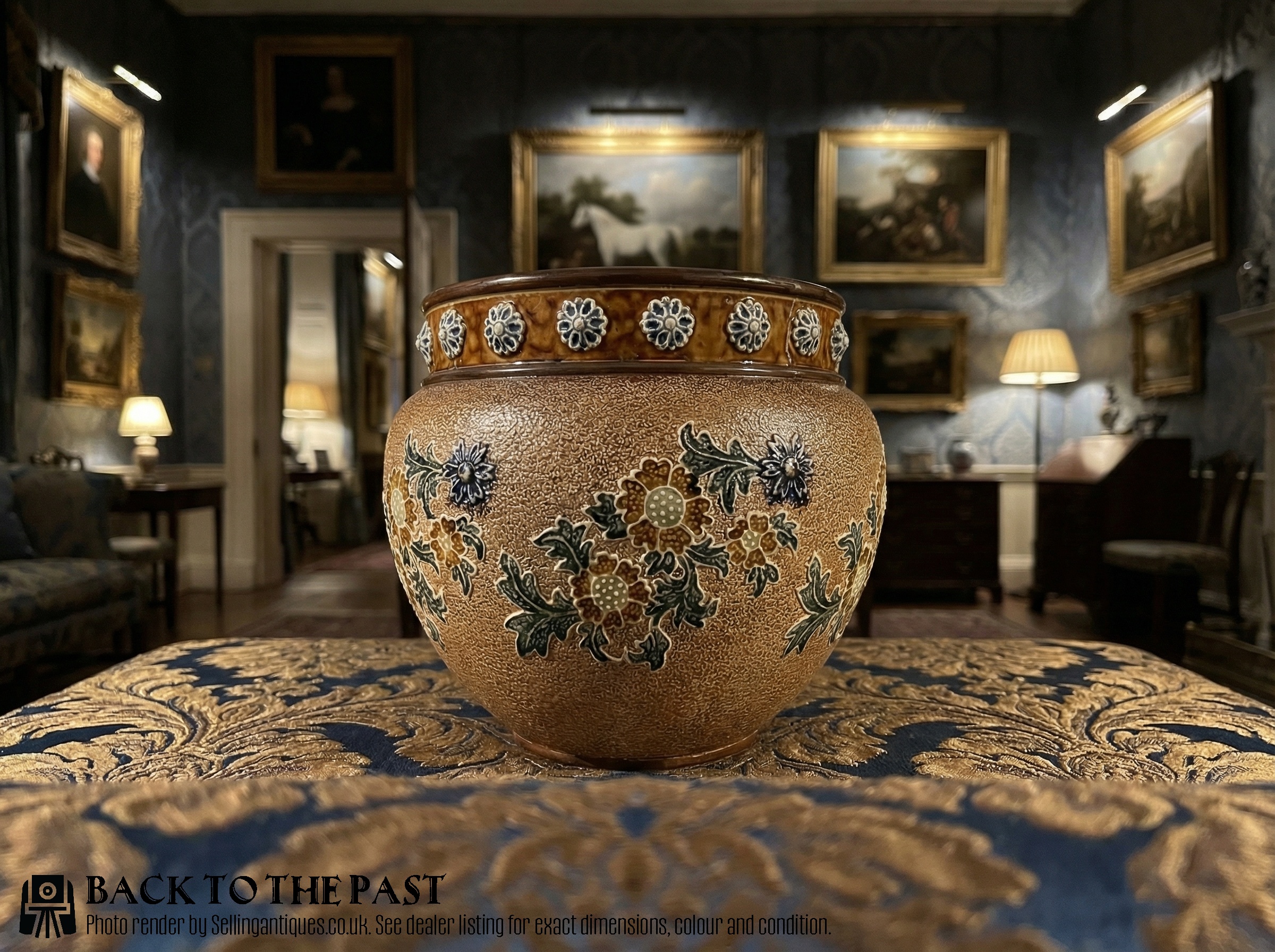
Makers shaped these vessels using earthenware, porcelain, and heavy stoneware, applying lead, salt, or tin glazes to seal the porous clay bodies. Potters utilised hand-throwing and moulding techniques depending on the scale and decorative requirements of the piece.
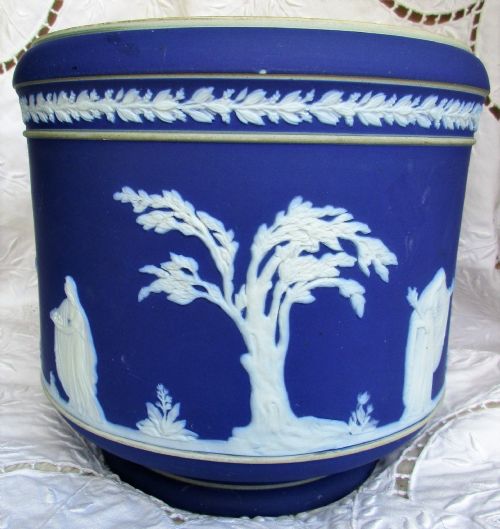
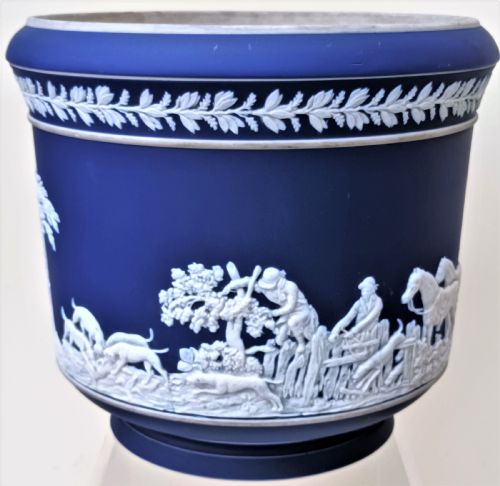
Decoration often involved intricate hand-painting, transfer printing, or the application of slip and relief moulding, as seen in Majolica and Jasperware pieces. Kiln firing temperatures determined the durability of the glaze, yielding everything from glossy majolica surfaces to matte stoneware.
Antique Ceramic Plant Pot Retail Price Guide 2026
Typical asking prices for ceramic plant pot among the pieces listed under this phrase on Sellingantiques today, from the lower quarter to the upper quarter. They describe what is for sale here now, not the wider market.
Listings feature ceramic plant pots spanning from the Georgian period through the Victorian era and into the early twentieth century.
Judging the standard
Quality rests in the crispness of the moulding and the depth of the glaze, where superior pieces exhibit controlled colour application and sharply defined relief work. Finer specimens show careful finishing to the base and interior, reflecting the skill of the potter or pottery.
Condition plays a central role, distinguishing pieces with intact glaze surfaces and stable bodies from those bearing extensive hairline fractures or restoration. Hand-painted detail and named factory provenance elevate the standing of a vessel within its period.
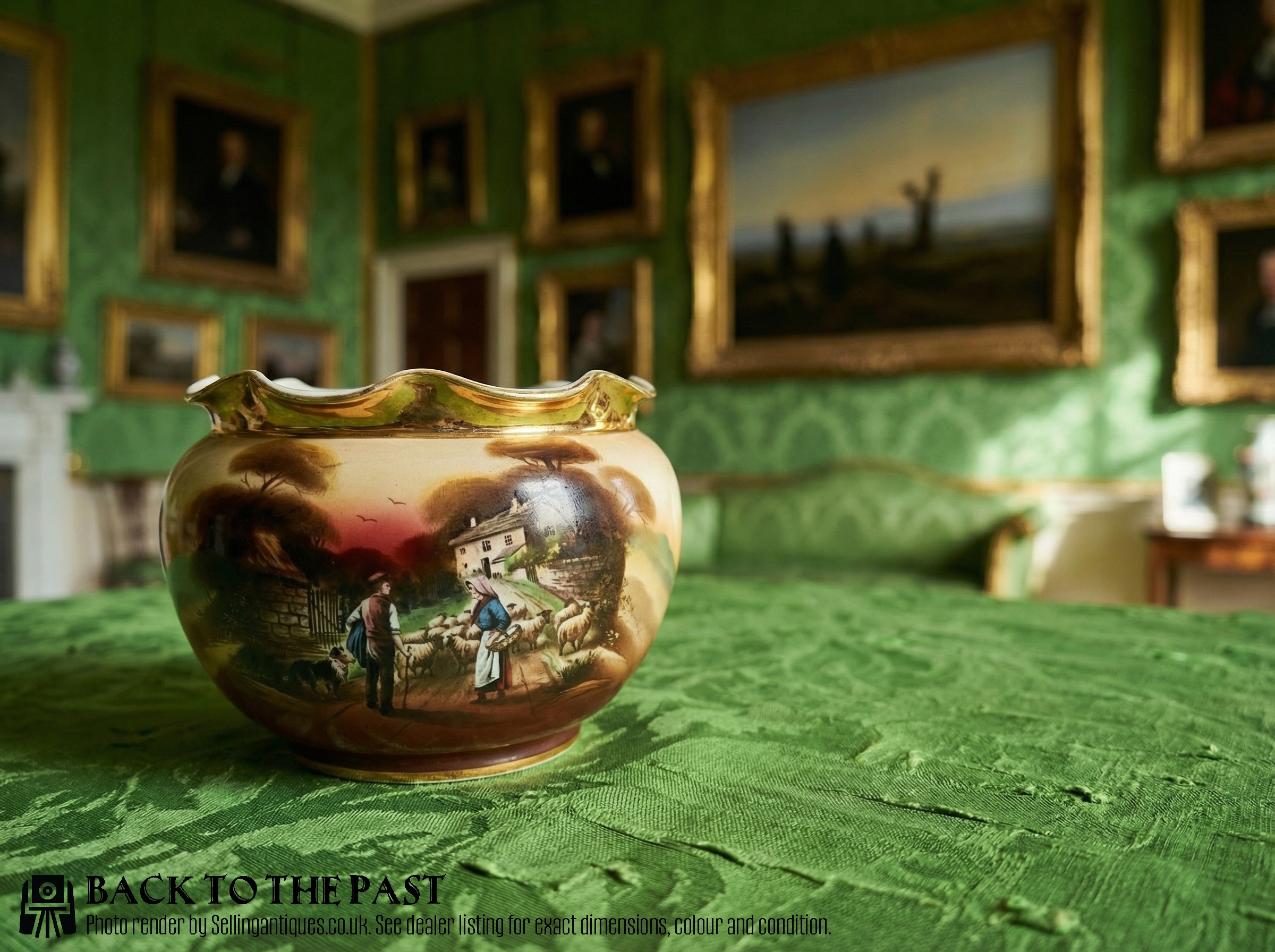
Flight And Barr Worcester·Minton·Doulton Lambeth·Royal Doulton·William Adams And Sons·W A Adderley·Doulton Burslem·Burmantofts·Enoch Wood And Sons·Makuzu Kozan II·Royal Worcester·George Jones
The Antique Ceramic Plant Pot Glossary
- Jardiniere
- An ornamental pot or stand designed to hold a plant, typically standing on the floor or a dedicated pedestal. The term derives from the French word for gardener.
- Cachepot
- A decorative outer pot or container that conceals a plain growing pot inside, preventing water from damaging furniture. These smaller vessels usually sit on tables or windowsills.
- Majolica
- A heavy earthenware pottery covered in an opaque lead glaze and painted with vibrant coloured enamels. This technique became popular during the nineteenth century for botanical and naturalistic themes.
- Slaterware
- A type of ceramic pottery developed by Doulton featuring textured, incised body surfaces often highlighted with metallic bronze or gold leaf. It mimics the appearance of metal or leather.
- Jasperware
- A fine-grained, unglazed stoneware developed by Josiah Wedgwood, characterised by white relief figures contrasted against a coloured ground. Blue and green grounds dominate the nineteenth-century examples.
- Imari
- A style of Japanese export porcelain decorated in underglaze blue and iron red, supplemented with gold. European kilns frequently copied these patterns during the eighteenth and nineteenth centuries.
Antique Ceramic Plant Pot: Frequently Asked Questions
What is the difference between a jardiniere and a cachepot?
A jardiniere is generally a larger vessel intended to house a plant directly or act as a floor-standing ornament, often accompanied by a matching pedestal. A cachepot is a smaller pot designed purely to hide an ordinary plastic or terracotta flower pot.
While both serve botanical display, cachepots sit comfortably on tables, mantelpieces, and windowsills. Jardinieres occupy more floor space and command attention as principal room ornaments.
How do I care for antique ceramic plant pots?
Protect the porous ceramic body by placing a modern plastic liner or saucer inside the vessel to catch excess water and prevent moisture retention. Avoid exposing older earthenware and majolica to sudden temperature shifts.
Clean the surface gently using a soft, dry cloth rather than harsh detergents or abrasive pads. This preserves the historical glaze and prevents damage to delicate painted or relief details.
Can I plant directly into an antique pot?
Planting directly into antique earthenware or unglazed stoneware risks moisture soaking into the clay and causing salts to migrate, which damages the glaze over time. Drainage holes are also rarely present in older decorative cachepots.
Using an inner nursery pot protects the interior of the vessel and makes watering considerably easier. It also allows you to swap plants without disturbing the antique container.
How do I date an antique ceramic plant pot?
Dating relies on examining the style of decoration, the type of ceramic body, and any impressed factory marks or registration numbers on the base. Victorian pieces frequently feature diamond-shaped registry marks that pinpoint the exact year of design.
Stylistic cues such as the organic curves of Art Nouveau or the robust ornamentation of Victorian majolica narrow down the manufacturing window. Comparing the glaze texture and wear patterns on the base further clarifies the age.