


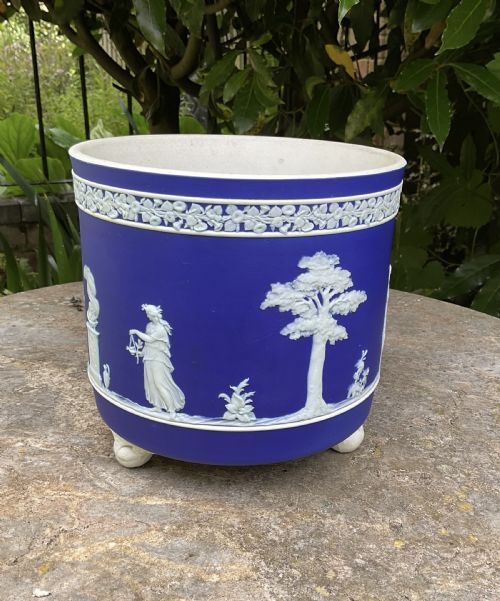


Cobalt Blue Cachepot
These cobalt blue cachepots bring deep colour and classic plant display to a room, drawing on centuries of ceramic tradition from Europe and Asia.
Cobalt Blue Cachepot
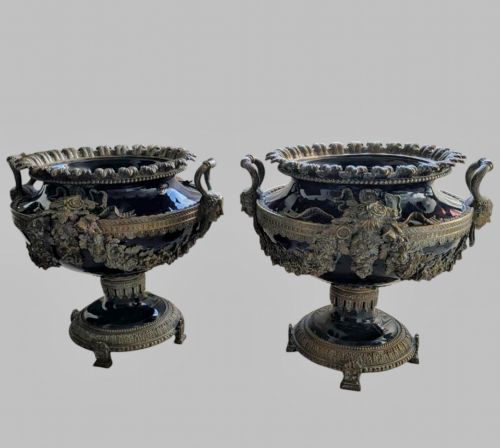
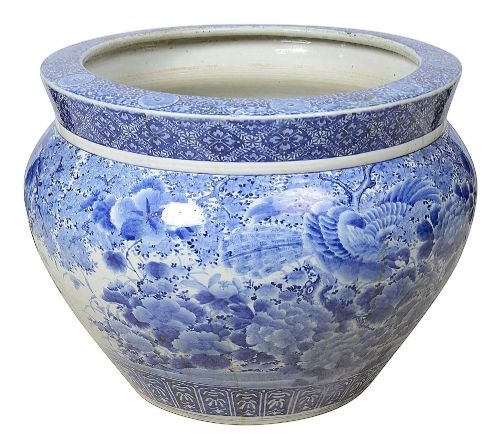
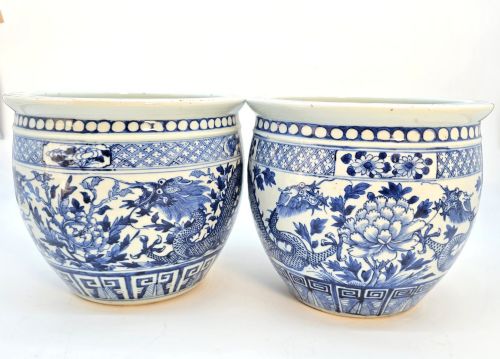
The pieces appearing here span French ceramic workshops, English Victorian factories, German salt-glazed potteries, and East Asian kilns. Forms range from compact footed vessels to large oval and round planters.
Most examples date from the late nineteenth century, reflecting the Victorian enthusiasm for indoor flora and decorative ceramics. Styles stretch from neoclassical designs and majolica to Japanese Imari and Chinese blue and white porcelain.
What varies in quality
Quality in a cobalt blue cachepot rests upon the depth and clarity of the blue pigment and the crispness of the moulded or painted detail. Finer works display precise control over the glaze and balanced proportions in the vessel body.
The reputation of the pottery or maker also shapes the standing of a piece, with established factories producing heavier, more refined bodies. Condition of the glaze and any applied ornament further separates standard production from exceptional examples.
Listings feature ceramics in porcelain, stoneware, and glazed earthenware across Victorian, Japanese Imari, and Qing Dynasty styles.
William Adams & Sons·Royal Doulton·Doulton Lambeth·Minton·Wedgwood·Coalport
The Cobalt Blue Cachepot Glossary
- Cachepot
- An ornamental flowerpot holder designed to contain a standard plant pot without a drainage hole in the base. This French term translates literally as hide-pot.
- Jardiniere
- A large ornamental pot or stand for flowers or plants, often used as a centrepiece on a table or floor. These vessels share a similar function to cachepots.
- Jasperware
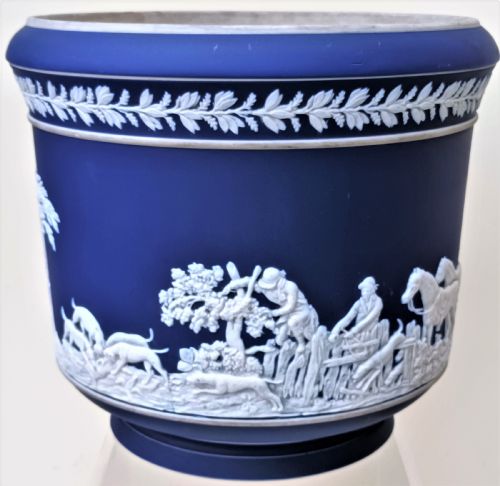
- A type of fine stoneware developed in the eighteenth century, characterised by a matte unglazed surface and applied white reliefs against a coloured ground. Blue is the most traditional background shade.
- Majolica
- Earthenware covered with an opaque tin-lead glaze and painted with bright colours, popular during the Victorian period. It provides a glossy, durable finish.
- Imari
- A style of Japanese porcelain decorated in underglaze blue, iron red, and gold. Exported widely to Europe, it strongly influenced Western ceramic design.
Cobalt Blue Cachepot: Frequently Asked Questions
Can I plant directly inside a cachepot?
Most cachepots lack drainage holes at the base, meaning direct planting can cause water to pool and damage the ceramic or rot roots. Using a smaller inner pot with a saucer keeps the inner moisture controlled.
This method protects the interior glaze and allows you to lift the plant out easily for watering.
How do I clean an antique ceramic planter?
Dust the surface regularly with a soft cloth and wash gently with lukewarm water and mild soap when needed. Avoid abrasive pads or harsh chemicals that can scratch the glaze or damage gold leaf.
Dry thoroughly with a clean towel to prevent water spots from forming on the surface.
Where should I place a large jardiniere?
Large jardinieres suit heavy surfaces such as wooden sideboards, plant stands, or directly on the floor in a corner. Ensure the support is stable, as ceramic and stoneware vessels carry significant weight.
Keep them away from high-traffic areas where they might be knocked or bumped.
How do I date a nineteenth-century ceramic piece?
Look for factory marks, impressed stamps, or registration numbers stamped into the base of the vessel. Stylistic clues such as Victorian neoclassical motifs or Meiji period aesthetics also help narrow down the manufacturing window.
Comparing the glaze type and weight with documented examples from the same pottery provides further confirmation.