


Victorian Plant Pot
A victorian plant pot brings nineteenth-century warmth to indoor greenery and garden terraces through robust metalwork and glazed ceramics.
Victorian Plant Pot
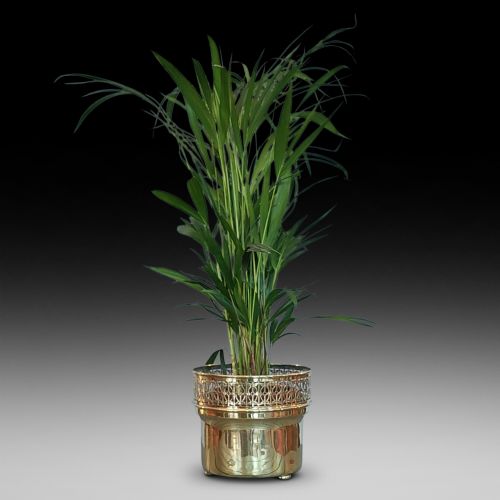
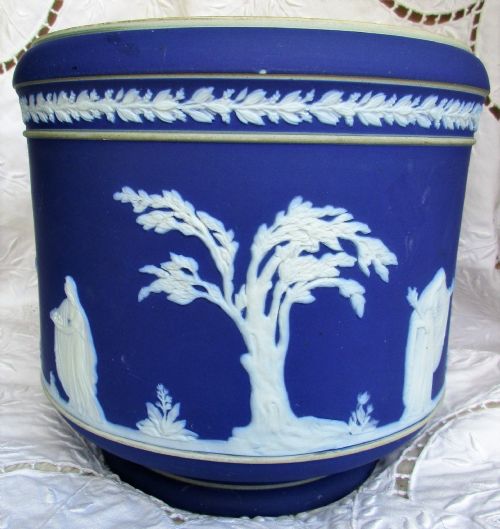
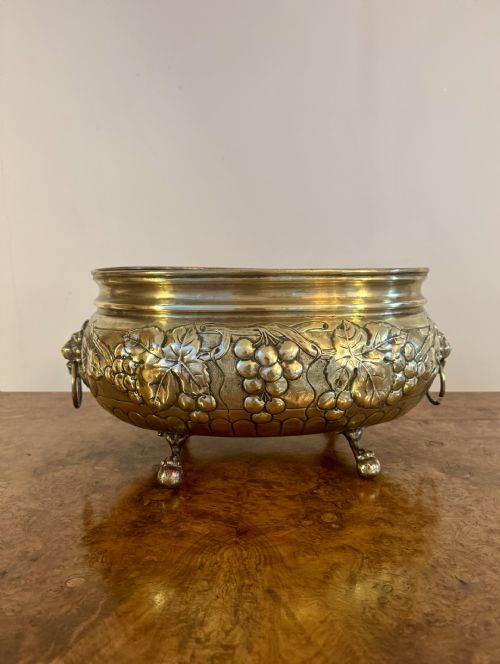
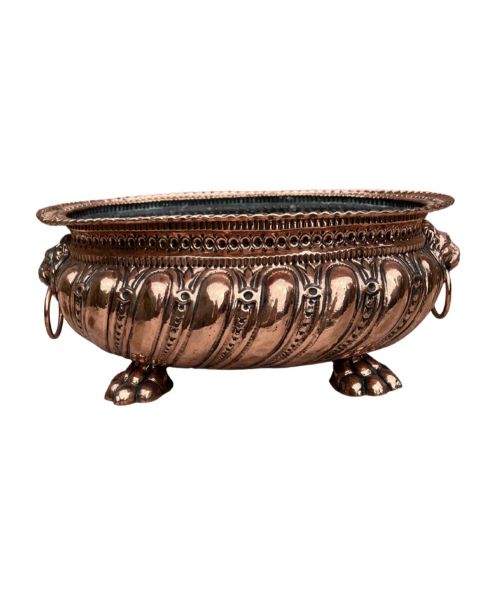
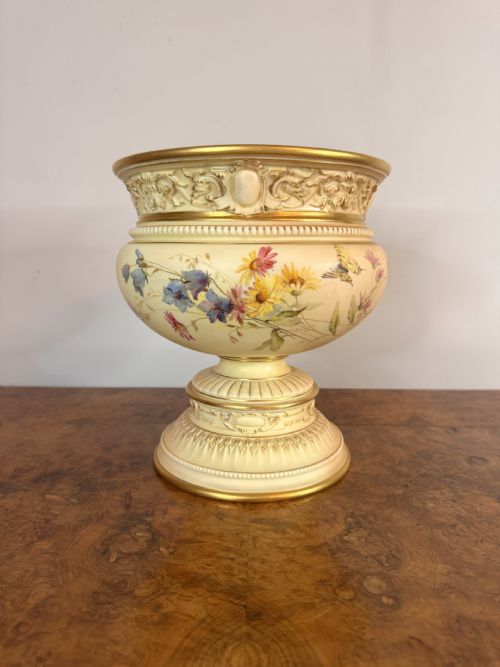
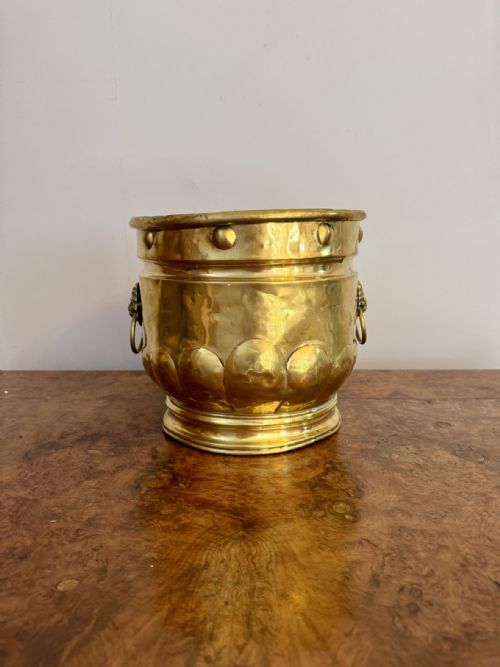
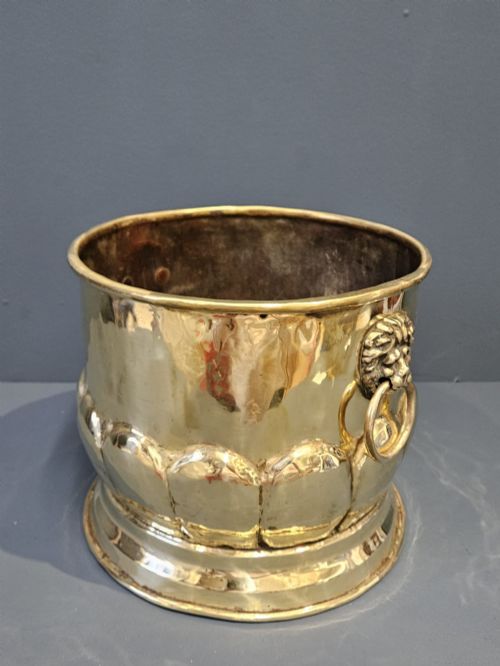
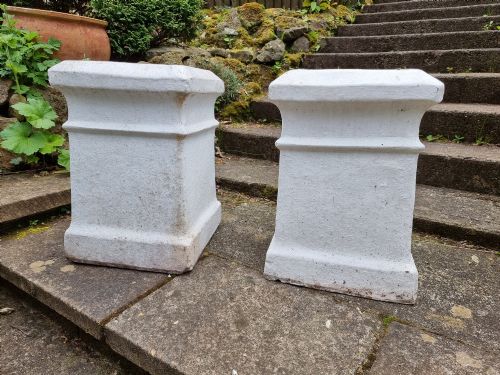
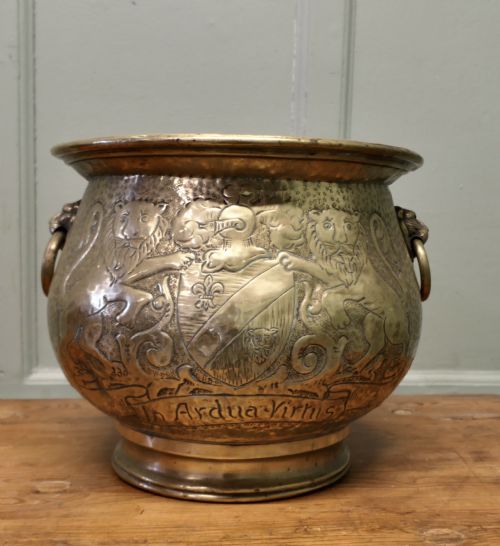
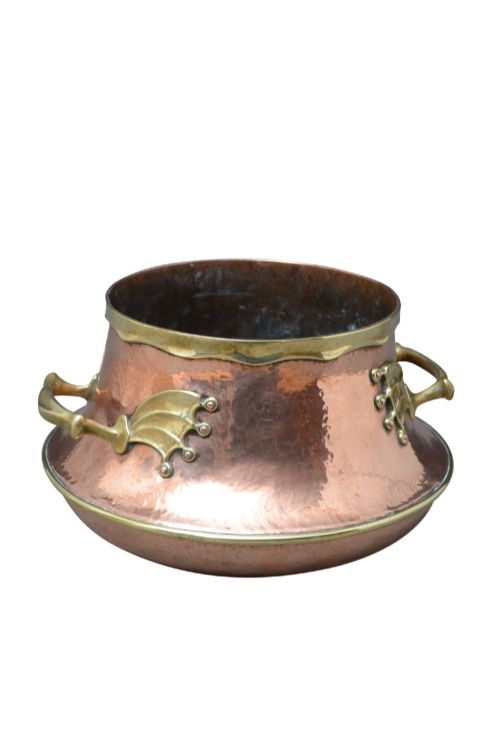
A victorian plant pot encompasses a broad family of vessels designed to house vegetation, most frequently encountered here as brass and copper jardinieres, cast iron garden urns, and ceramic cachepots. These pieces span from the mid-nineteenth century into the early decades of the twentieth century, originating from English potteries, European foundries, and international workshops.
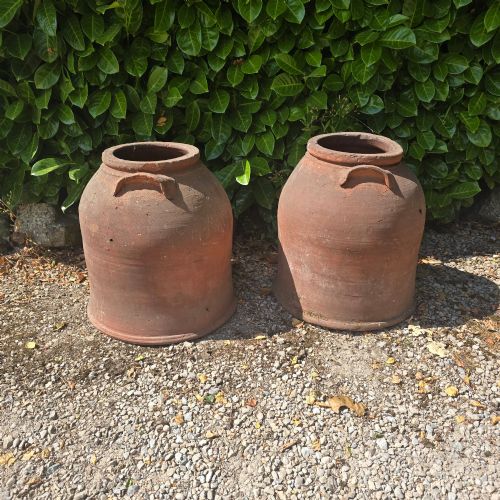
The selection ranges from small domestic cachepots intended for tabletop displays to substantial terracotta garden urns and cast iron planters meant for grounds and porticos. Alongside traditional ceramic and metal vessels, related forms include plant stands, watering cans, and potting tables that support nineteenth-century horticulture.
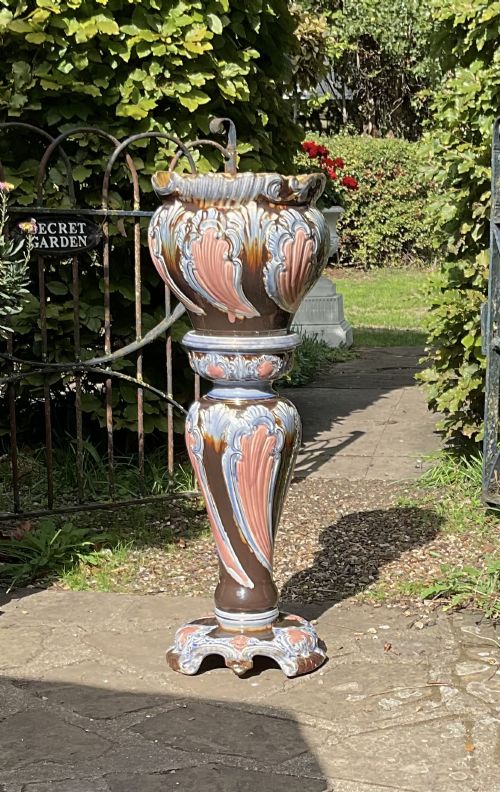
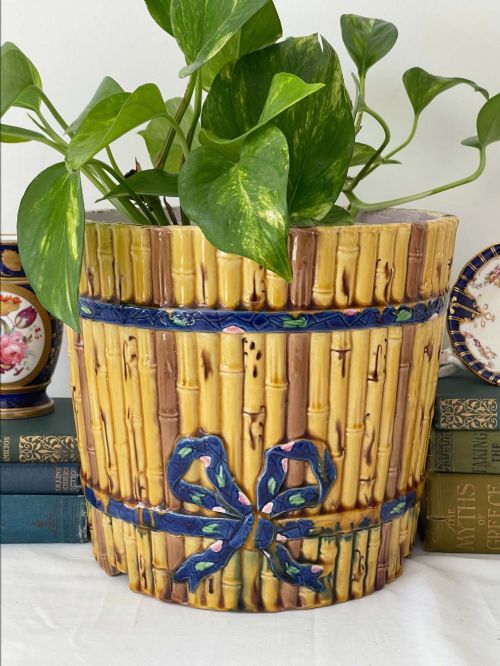
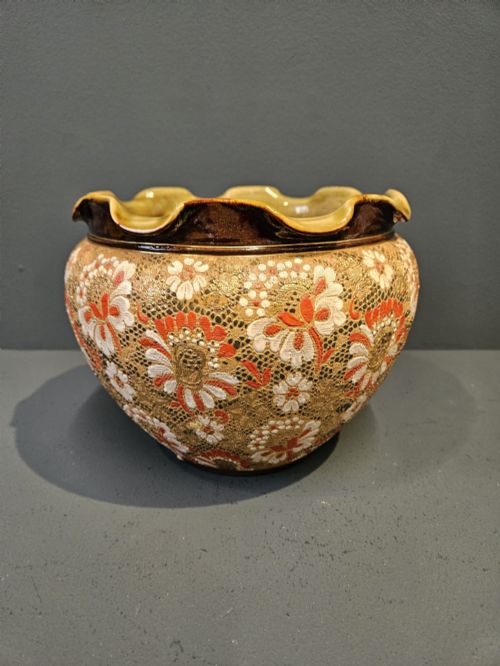
Makers and potteries such as Doulton, Minton, and Burmantofts contribute specialised glazed earthenware and majolica, while metalwork pieces showcase hammered copper, chased brass, and heavy cast iron. The common thread among these items is their dual function as decorative containers and practical receptacles for plants.
Materials and Techniques
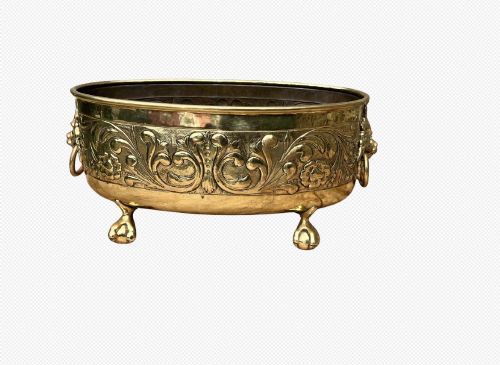
Metal vessels rely on the manipulation of brass, copper, cast iron, and lead through techniques such as hand-hammering, engraving, piercing, and casting. Artisans created intricate surface patterns with shields, crests, and foliate motifs, often joining components with swing handles or mounting them on pedestals.
Ceramic pieces utilise earthenware, stoneware, and terracotta shaped on wheels or in moulds, finished with specialised glazes including majolica and slip decoration. Potteries applied detailed floral designs, bamboo textures, and stamped markings before firing the clay at high temperatures.
Iron and terracotta garden pieces were cast or moulded to withstand outdoor elements, resulting in durable urns and campana shapes that developed patinas over decades of exposure.
Victorian Plant Pot Retail Price Guide 2026
Typical asking prices for victorian plant pot among the pieces listed under this phrase on Sellingantiques today, from the lower quarter to the upper quarter. They describe what is for sale here now, not the wider market.
Some nineteenth-century cast iron planters take the surprising physical form of shrimp.
Markers of Distinction
Quality in these pieces rests upon the crispness of detail in the casting, engraving, or ceramic moulding. Superior metal vessels display deep, clean hand-hammering and secure joins, while finer ceramics exhibit controlled glaze application and distinct maker marks.
The integrity of the material and the character of the surface finish dictate distinction. Original patination on copper, brass, and terracotta contributes visual depth, whereas heavier gauges of metal and sturdier earthenware indicate superior manufacture.
Minton·Doulton Lambeth·William Adams And Sons·W A Adderley·Burmantofts
The Victorian Plant Pot Glossary
- Jardiniere
- A large decorative pot or stand for flowers and plants, usually designed to sit on the floor or a dedicated plinth rather than a table.
- Cachepot
- An ornamental flowerpot cover used to conceal a plain inner plant pot, preventing water from damaging furniture surfaces.
- Majolica
- A type of earthenware decorated with opaque coloured glazes over a white tin-glazed background, popular during the nineteenth century for vibrant botanical effects.
- Campana Urn
- A bell-shaped garden ornament on a pedestal, traditionally cast in iron or formed from terracotta for classical landscape display.
- Slaterware
- A ceramic technique developed by Doulton featuring textured body surfaces resembling lace or wicker, often highlighted with bronze or gilt finishes.
Victorian Plant Pot: Frequently Asked Questions
What is a jardiniere?
A jardiniere is a decorative container designed to hold potted plants or flowers, functioning as an ornamental vessel for interiors or sheltered garden spaces.
Unlike standard flowerpots with direct drainage holes, these often served as cachepots to catch excess water or stood independently as primary planters.
How do I care for antique metal planters?
Brass and copper vessels benefit from gentle dusting and occasional cleaning with appropriate metal polishes only if removal of the natural patina is desired.
Placing a plastic liner inside the metal pot prevents moisture from sitting against the antique surface and causing interior corrosion.
Can cast iron urns stay outside?
Cast iron garden urns are built to endure outdoor conditions and naturally weather over time when exposed to the elements.
To protect the material during severe frost, ensure water does not pool and freeze inside the bowl to prevent cracking.
How do I identify Doulton ceramics?
Doulton pieces usually feature impressed factory stamps, model numbers, and sometimes artist ciphers on the unglazed base of the pottery.
Stylistic elements like Slaterware texturing or rich majolica glazes also point toward the output of these prominent nineteenth-century works.