


Victorian Pottery Planter
These robust pieces of Victorian pottery planter material bring tactile weight and planted greenery together through earthen vessels made for nineteenth-century interiors.
Victorian Pottery Planter
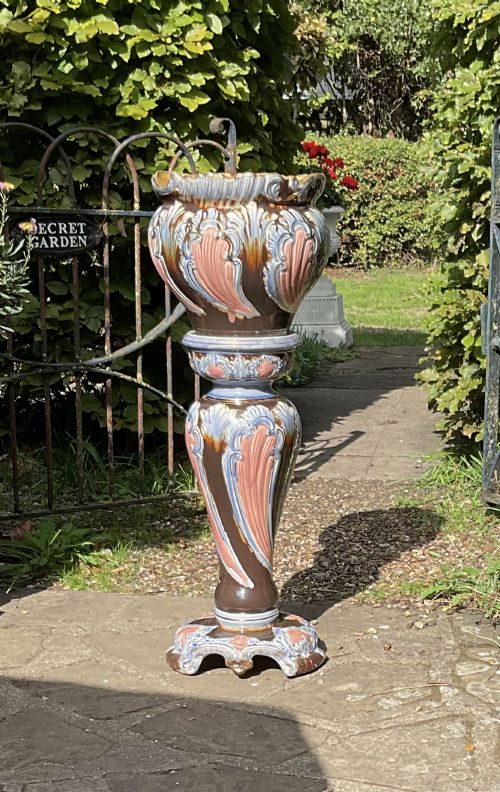
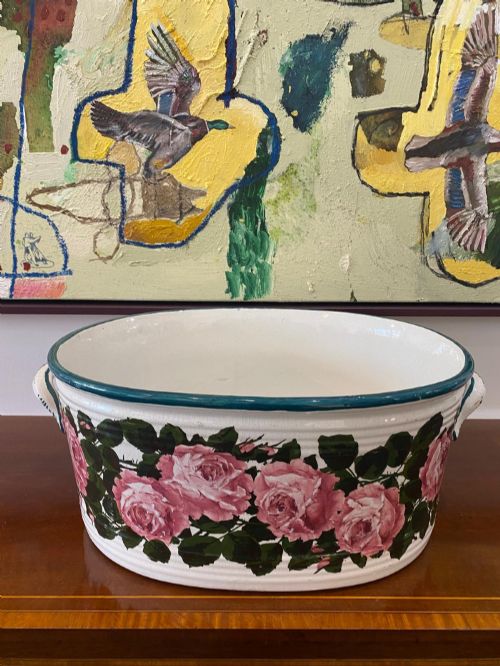
A victorian pottery planter serves as a container for indoor greenery, drawing upon forms such as jardinières, footbaths, and wall pockets made during the nineteenth century. Buyers encounter robust earthenware, stoneware, and ceramic vessels spanning periods from the eighteen-seventies through to the nineteen-twenties.
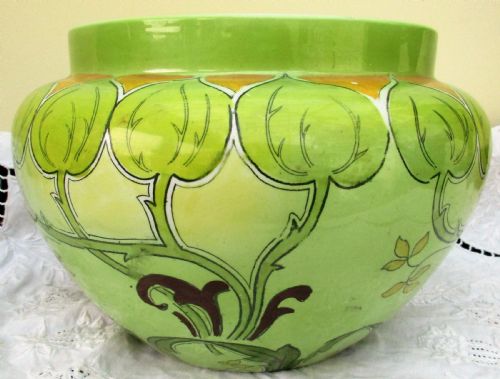
The selection ranges from large pedestal-mounted jardinières to smaller wall-hanging pieces and repurposed chamber pots or footbaths. These items reflect stylistic shifts from Victorian naturalism towards Art Nouveau and Arts and Crafts designs.
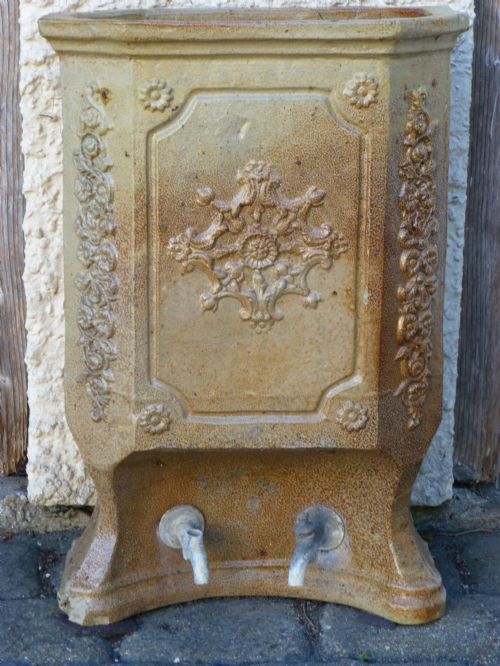
Originating from English, Scottish, and continental potteries, these vessels display both functional water filtration systems and purely decorative plant-housing purposes. Most examples seen here lean towards majolica glaze or salt-glazed stoneware bodies.
Materials and construction
Potters shaped these vessels primarily from earthenware, ceramic, and heavy stoneware, often incorporating brass mounts or handles for structural support. The bodies were thrown or moulded before receiving decorative applications.
Glazes define the surface texture, with prominent usage of majolica, salt glaze, and lustre finishes applied across British and continental potteries. Firing techniques determined whether the final piece achieved a high gloss or a matte, textured appearance.
Object types on this page range from standard jardinières and pedestals to wall pockets, footbaths, and water filtration fountains.
Judging the range
Distinctions in quality rest upon the crispness of the moulded relief work and the depth of the coloured glazes applied across the ceramic body. Pieces featuring hand-painted details or matched pedestals display higher levels of workshop ambition.
The sophistication of the glaze chemistry, whether complex majolica or subtle lustre, separates standard utilitarian wares from factory exhibition pieces. Intricate botanical or naturalistic modelling further elevates the standing of an individual vessel.
Wemyss·Minton·W.A. Adderley·Lauder Pottery·Doulton Burslem·Doulton Lambeth·Royal Doulton·Clement Massier·Spode·Julius Dressler·Adams·George Jones·William Adams and Sons·Linthorpe Pottery
The Victorian Pottery Planter Glossary
- Jardiniere
- A large ornamental pot or stand used for holding flowers or plants indoors. These vessels often feature heavy majolica glazes and raised naturalistic decoration.
- Majolica
- A type of earthenware coated with an opaque tin-lead glaze and painted with brightly coloured metal oxides. It became immensely popular during the Victorian era for its vibrant hues.
- Salt Glaze
- A vitreous coating of a glossy, translucent and slightly textured quality formed by throwing common salt into the kiln during high-temperature firing. This technique produces a characteristic orange-peel texture.
- Slaterware
- A ceramic technique involving pressed lace or fabric textures applied to clay bodies, finished with metallic or coloured glazes. This method created distinctive tactile surfaces on late nineteenth-century pots.
- Wall Pocket
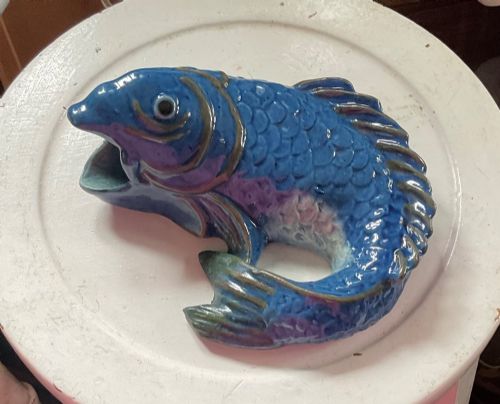
- A flat-backed vessel designed to be hung directly onto a wall to hold cut flowers or trailing plants. They frequently take whimsical or naturalistic forms such as animals or cornucopias.
Victorian Pottery Planter: Frequently Asked Questions
How were these planters used?
These vessels were placed directly in Victorian parlours and conservatories to house potted ferns, palms, and flowering plants. Many were supplied with matching pedestals to elevate the greenery within the room.
Larger forms such as footbaths and basins were occasionally repurposed as planters as domestic fashions shifted towards indoor horticulture. Wall pockets offered a way to introduce trailing plants onto vertical wall surfaces.
How do I care for these pots?
Protect the antique glaze and earthenware body by placing a modern plastic liner inside the vessel to hold water and soil. This prevents moisture from seeping through porous clay and damaging historical surfaces.
Dust the exterior gently with a dry cloth and avoid harsh chemical cleaners that might dull majolica or lustre glazes. Keep the planters away from extreme temperature fluctuations to protect the ceramic body.
What is majolica glaze?
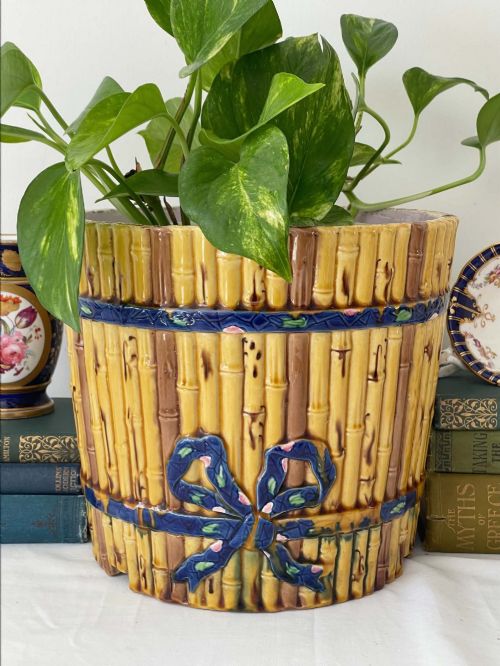
Majolica is a colourful lead glaze applied over an opaque tin enamel base, fired at high temperatures to achieve rich tones. Victorian potteries used this technique to create vibrant green, brown, and blue botanical designs.
The glaze highlights moulded details like leaves, bamboo, and animal figures by pooling in the recesses and thinning over high points. This creates natural depth across the surface of the jardinière.
How do I distinguish periods?
Mid-nineteenth-century pieces often display traditional floral motifs and heavy footbath forms associated with early Victorian makers. Stylised plant shapes and flowing lines indicate later periods influenced by the Arts and Crafts and Art Nouveau movements.
Registration marks, impressed factory stamps, and specific glaze types help narrow down the decade of production. Examining the weight of the ceramic and the complexity of the moulding provides further clues.