



Blue and White Planter
A blue and white planter brings cobalt ornament and heavyweight ceramic presence to interiors, spanning centuries of global pottery traditions.
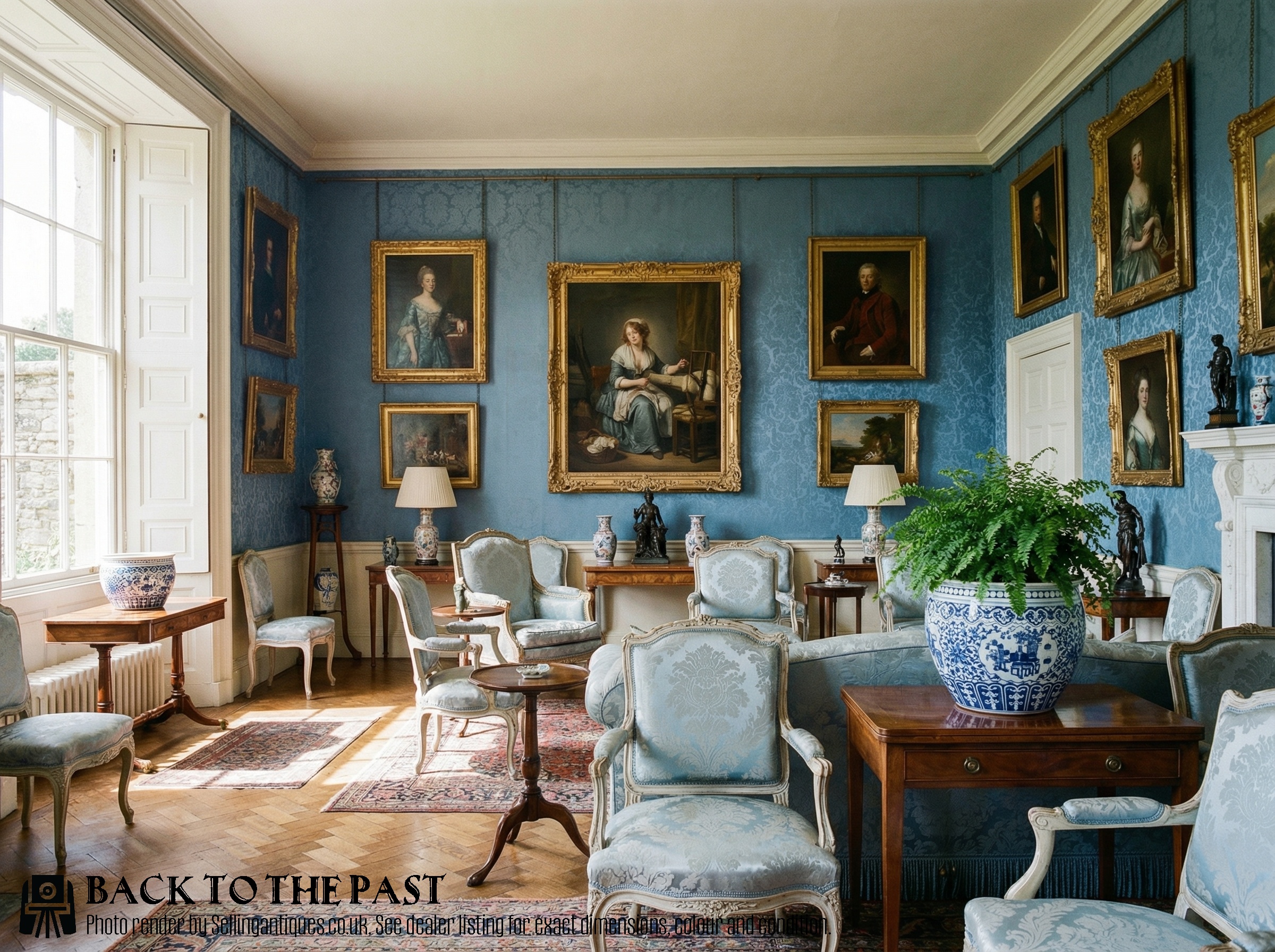
Blue and White Planter
A blue and white planter encompasses vessels designed to hold growing plants or water, ranging from compact cachepots to substantial jardinieres and footbaths pressed into floral service.
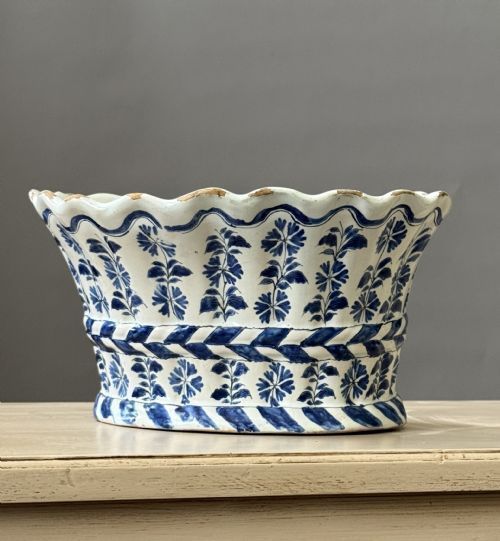
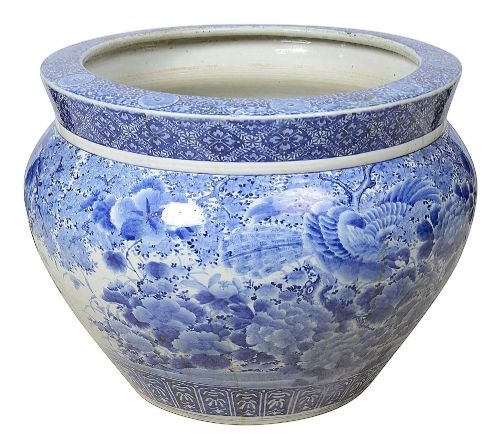
Buyers encountering this group meet a diverse array of forms, including eighteenth-century Delft bough pots, nineteenth-century English transferware basins, and large Japanese Arita porcelain vessels.
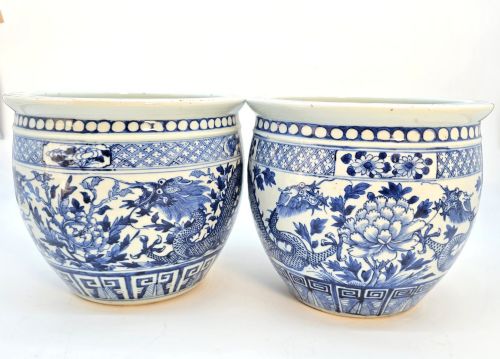
Origins stretch across English earthenware potteries, Chinese export kilns, Dutch Delftware workshops, and Japanese Meiji period kilns, uniting varied cultural aesthetics under a singular palette.
Materials and production methods
Potters shaped these vessels from porcelain, earthenware, stoneware, and tin-glazed pastes, applying cobalt pigment directly to the raw clay or over a white tin glaze before firing.
Transfer printing technology allowed English factories to apply intricate scenic patterns onto footbaths and cachepots with mechanical consistency during the nineteenth century.
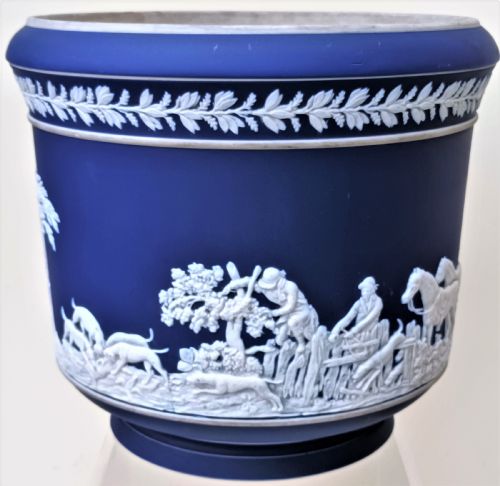
Hand-thrown and moulded bodies received clear or crackle glazes, sometimes incorporating relief moulded details such as classical figures found on jasperware or structural handles and feet.
The inventory unites English regional potteries with Chinese export kilns and Japanese Meiji period workshops under the blue and white palette.
Distinguishing quality in production
Quality rests in the crispness of the cobalt decoration, where depth of blue tone and sharpness of painted or transferred detail elevate finer examples above murky or blurred specimens.
The weight and purity of the ceramic body dictate durability and presence, with high-firing porcelain and dense stoneware offering superior resonance and structural integrity compared to softer earthenwares.
William Adams & Sons·Heathcote·Spode·Adams·Wedgwood
The Blue and White Planter Glossary
- Cachepot
- A decorative ornamental container designed to hold an ordinary flowerpot and catch drainage water. These pots usually lack drainage holes in the base.
- Jardiniere
- A large ornamental pot or stand for indoor plants, often taking a stout circular or oval form. They sit on floors or sturdy tables.
- Footbath
- A deep, oblong basin with carrying handles originally intended for personal hygiene. Potters frequently repurposed these robust vessels as generous planters.
- Bough pot
- A specialised vessel pierced with holes in the removable lid to arrange cut branches and foliage. Early examples originate from Dutch Delftware traditions.
- Jasperware
- A type of fine stoneware developed by English potteries featuring a matte ground, most commonly blue, applied with white classical relief ornaments.
- Transferware
- Ceramic pottery decorated by transferring a printed design from a copper plate onto paper, then pressing the ink onto the biscuit surface before glazing.
Blue and White Planter: Frequently Asked Questions
What is the difference between a jardiniere and a cachepot?
A jardiniere typically describes a larger, heavier ornamental vessel designed to house plants directly or accommodate substantial potted specimens within a room.
By contrast, a cachepot functions strictly as an outer sleeve to hide a plain nursery pot, maintaining a lighter and more portable scale.
Can these antique planters hold live plants?
Most antique jardinieres and footbaths accommodate live flora, though many early earthenware and tin-glazed pieces lack modern drainage holes.
Using a plastic liner inside the ceramic vessel protects the porous historic body from sustained moisture and mineral damage.
How do I distinguish English transferware from Chinese export porcelain?
English transferware pieces like footbaths and cachepots display mechanical dot patterns or repeating engraved lines under close inspection.
Chinese export porcelain and Japanese Arita wares reveal hand-painted brushwork with subtle tonal variations in the cobalt pigment beneath the glaze.
Where should I place a large footbath planter?
Large footbaths and fish bowls suit low tables, hearths, or direct placement on sturdy floors where their broad proportions command visual weight.
Their elongated shapes make them useful for housing multiple potted plants or arranging trailing foliage in interior spaces.