





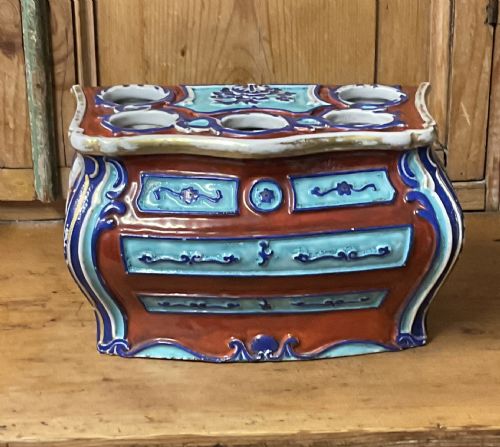

Oriental Porcelain Planter
An oriental porcelain planter brings colour and weight to a room, holding everything from palms to bulbs with effortless presence.

Oriental Porcelain Planter
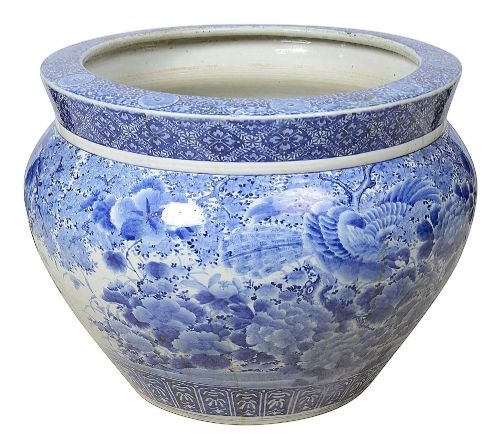
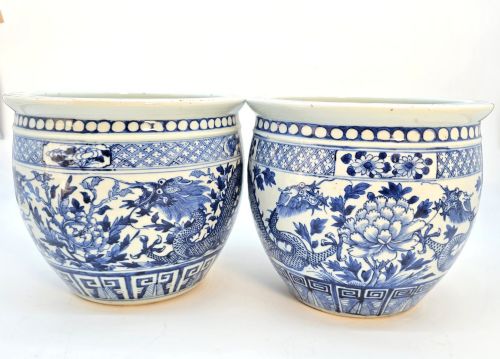
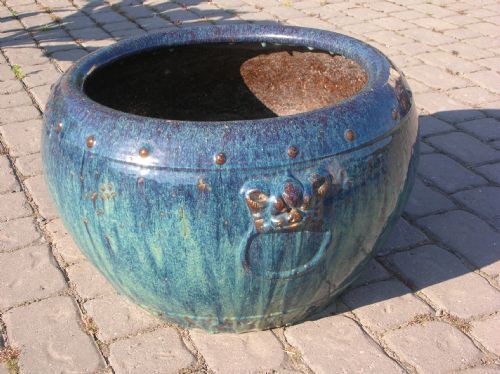
An oriental porcelain planter encompasses heavy vessels made to house greenery, frequently catalogued as jardinieres, fish bowls, and bough pots. The examples found here span centuries of production, originating from Chinese and Japanese kilns.
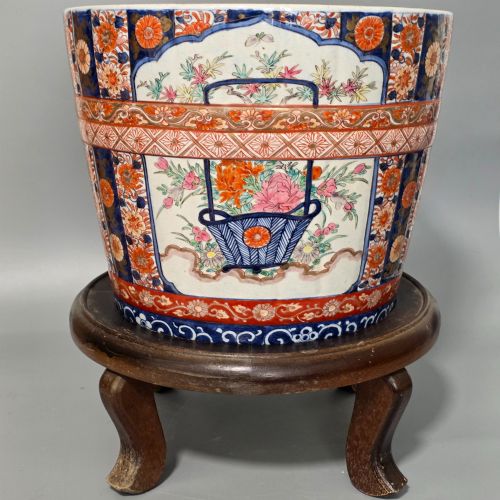
The most common vessels on this page are large 19th-century blue and white jardinieres alongside brightly coloured Japanese Imari and Chinese Famille Rose pieces. Collectors also encounter specialised forms such as hexagonal planters with drip trays, lobbed rectangular bowls, and Satsuma bowls.
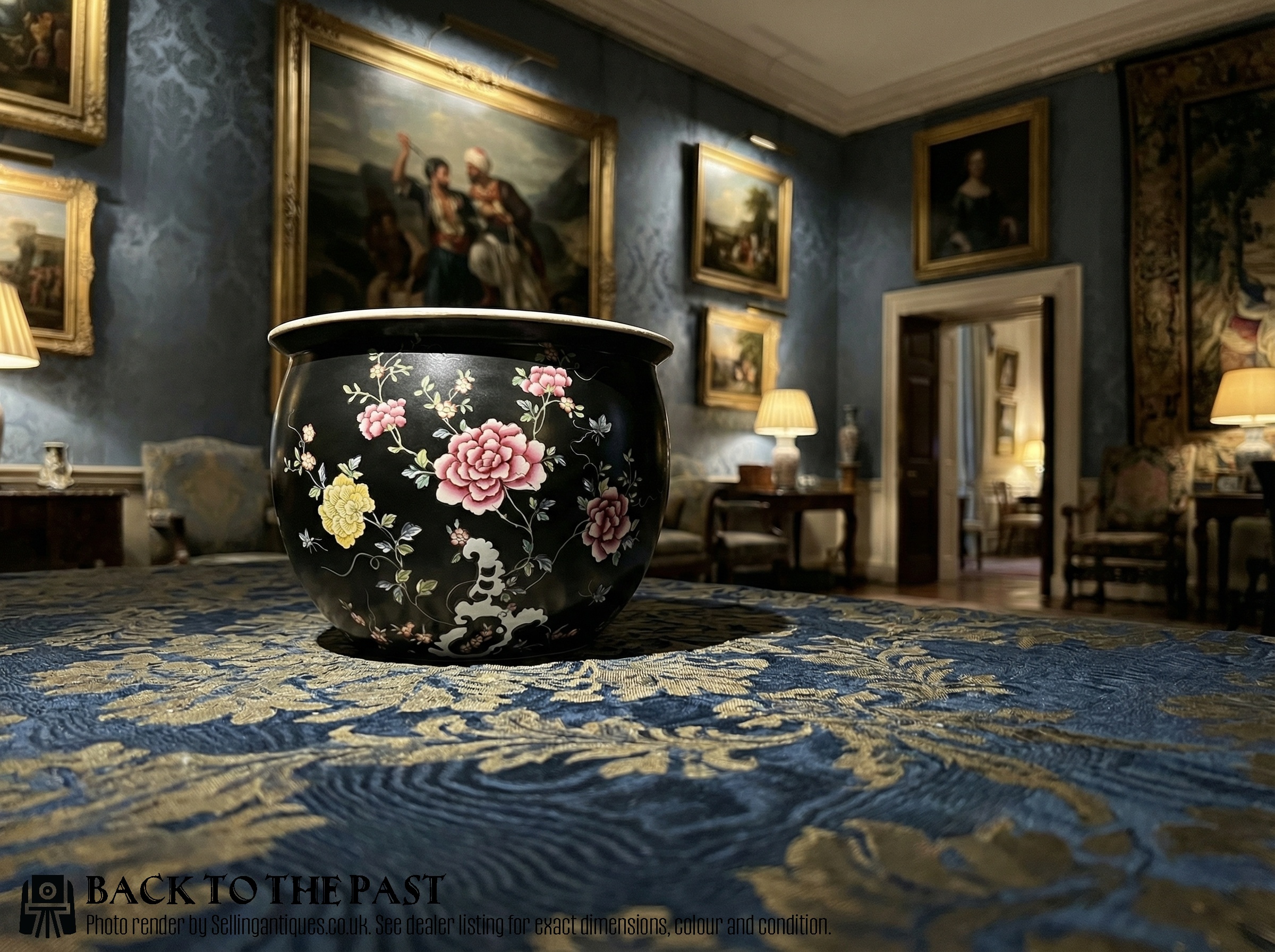
Judging quality in planters
Quality rests in the crispness of the hand-painted detail and the depth of the glaze, whether in cobalt blue underglaze or polychrome enamel. Superior pieces display confident brushwork and balanced compositions across large curved surfaces.
The weight of the porcelain and the presence of reign marks or artist signatures distinguish finer productions from standard commercial wares. Preservation of the original glaze and the integrity of the ceramic body separate the best survivals from heavily worn examples.
Oriental Porcelain Planter Retail Price Guide 2026
Typical asking prices for oriental porcelain planter among the pieces listed under this phrase on Sellingantiques today, from the lower quarter to the upper quarter. They describe what is for sale here now, not the wider market.
Listings feature Chinese and Japanese ceramics spanning the eighteenth to the twentieth centuries, including blue and white, Imari, and Famille Rose wares.
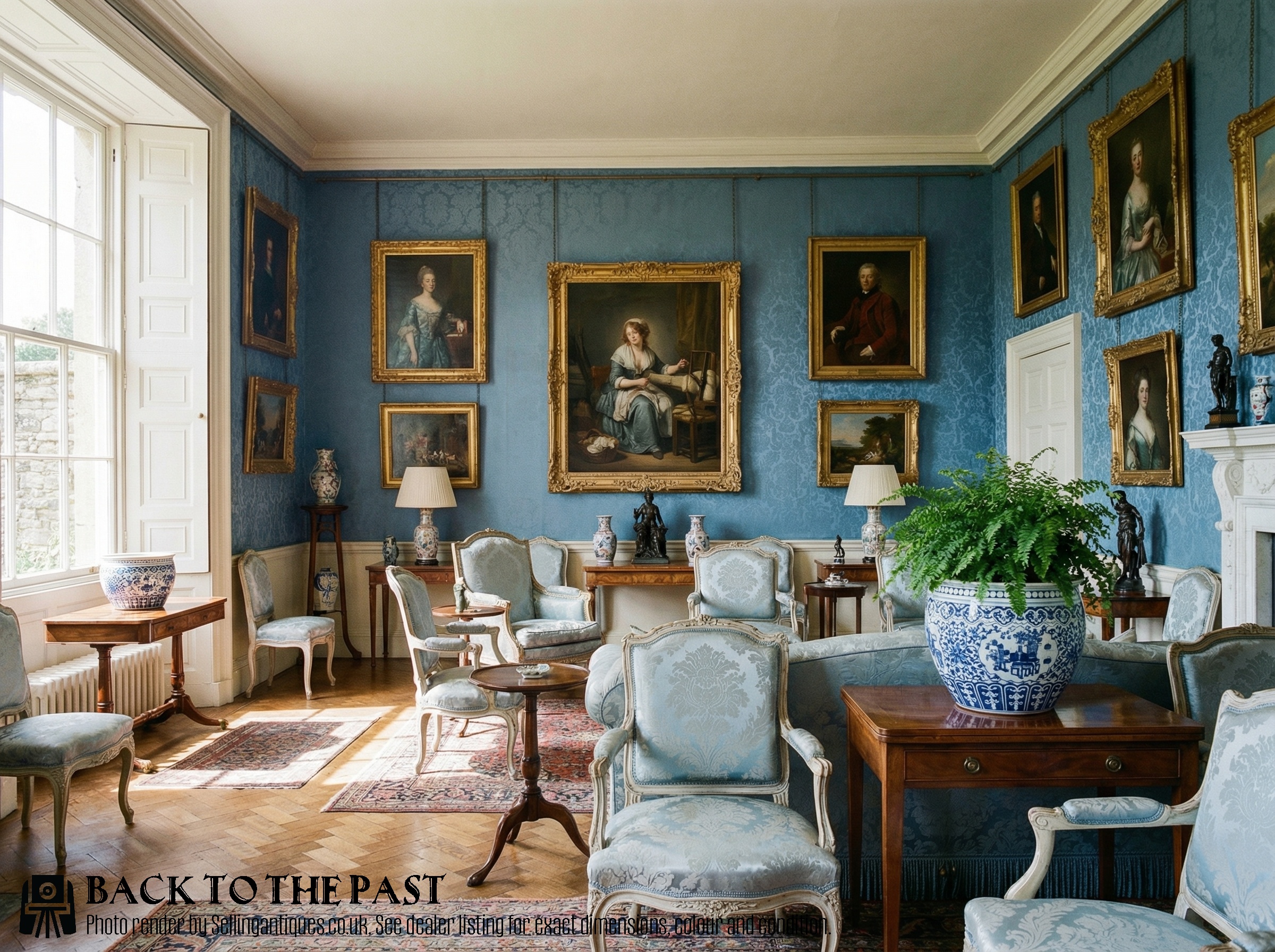
Sumida Gawa Pottery
The Oriental Porcelain Planter Glossary
- Jardiniere
- A large decorative ceramic pot designed to hold a plant or flower arrangement inside the home. These heavy vessels often feature wide rims and patterned sides.
- Imari
- A style of Japanese export porcelain decorated in underglaze blue, iron red, and gold. This palette creates a rich, patterned appearance on large bowls and planters.
- Famille Rose
- A major palette of Chinese ceramic glazes introduced in the eighteenth century, characterised by opaque pink or rose enamel colours. Pieces in this style frequently depict birds, flowers, and figures.
- Bough pot
- A vessel designed specifically for holding cut tree boughs or floral displays. Eighteenth-century examples often take distinctive architectural forms like bombe shapes.
- Suiban
- A shallow Japanese ceramic basin used for displaying stones or plants in water. These pieces often feature sculptural figures and detailed modelling.
Oriental Porcelain Planter: Frequently Asked Questions
How were oriental porcelain planters used?
These vessels served primarily as indoor planters for large palms, shrubs, or aquatic fish bowls within wealthy households. They protected interior surfaces while displaying imported ceramic art.
Over time, owners also utilised them simply as floor-standing decorative bowls or paired them with carved wooden stands to highlight their scale and colour.
How do I tell Chinese from Japanese pieces?
Chinese pieces often feature cobalt blue underglaze, Famille Rose enamels, or specific reign marks indicating dynasties such as the Qing. The decorative motifs typically focus on botanical scenes with peonies and birds.
Japanese examples frequently display Imari palettes involving iron red and gold, or Satsuma earthenware styles. Meiji period works may also include sculptural elements like climbing figures.
Are hardwood stands original to the planters?
Many planters are described as having associated hardwood stands rather than original matching bases. These stands were frequently paired with the pots later to elevate them safely off the floor.
Collectors should view the stand as a complementary addition that enhances the display height of the heavy ceramic vessel.
Can I plant directly into an antique planter?
Placing soil and water directly into historical ceramic vessels can risk moisture absorption through unglazed bases or interior stress. Using a separate plastic liner or inner pot preserves the interior.
This method protects the antique material while allowing you to water plants safely inside the home.