

Hand Painted Chinese Ceramic
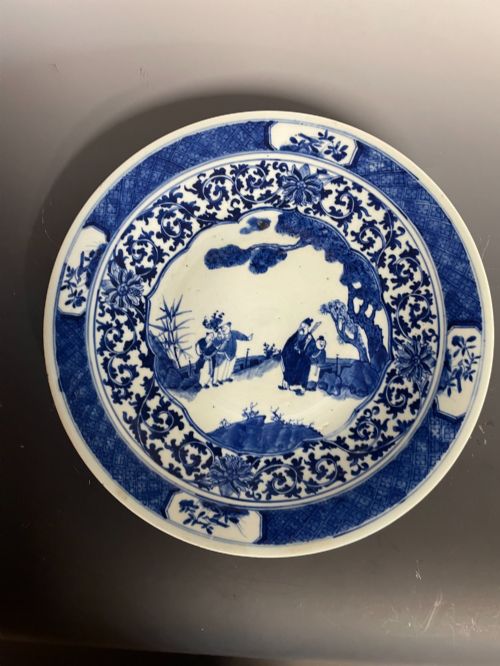
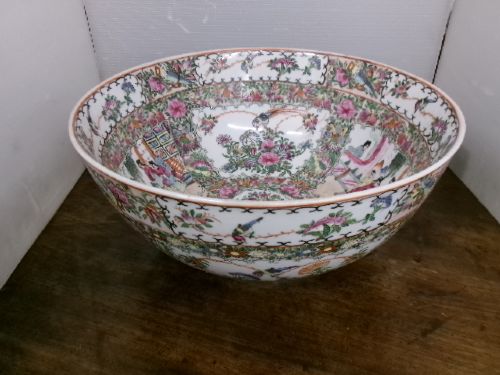
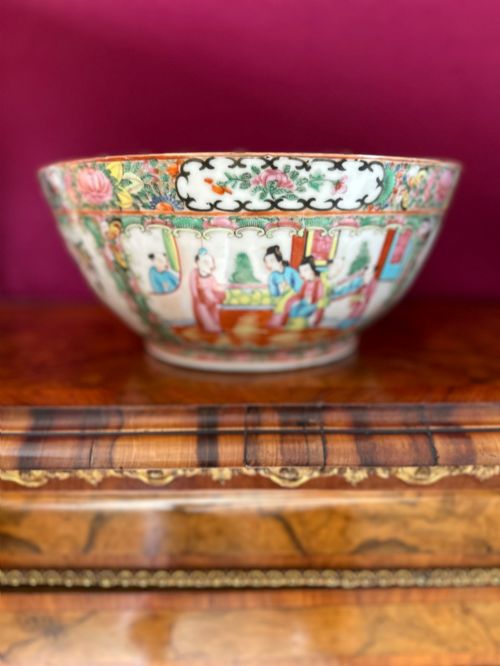
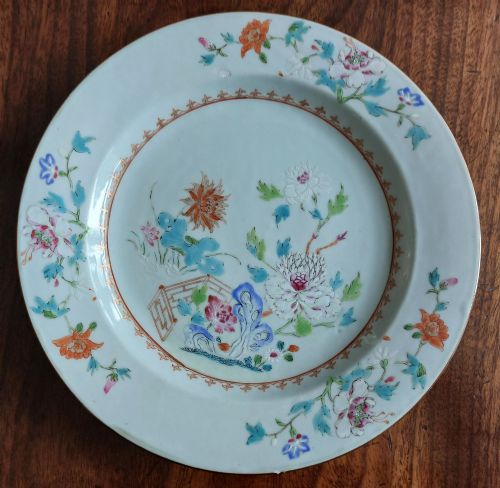
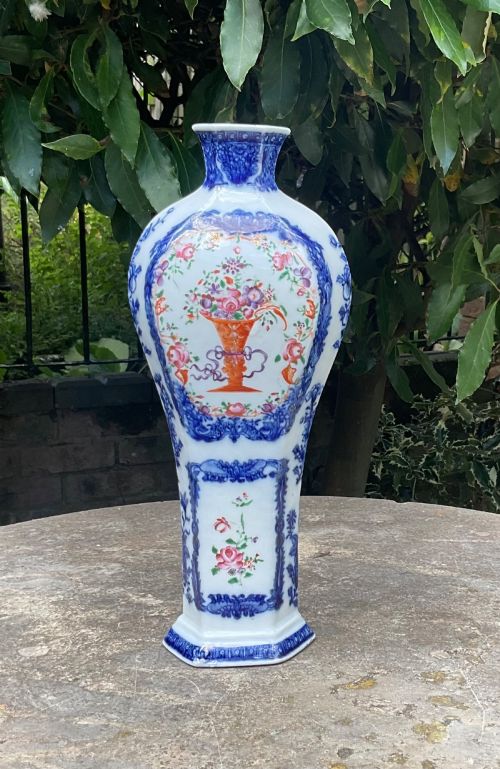
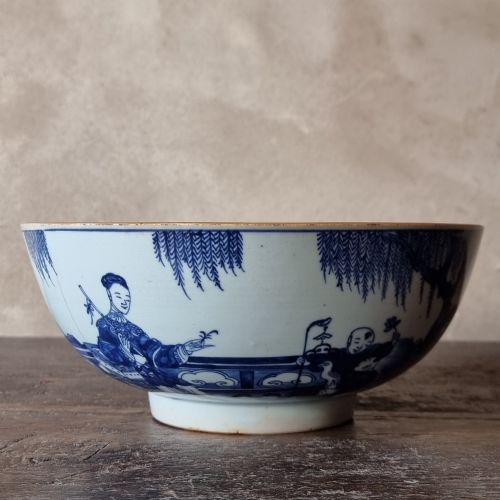
These hand painted chinese ceramic pieces range from eighteenth century export chargers to nineteenth century Canton bowls, offering collectors vibrant hand-applied enamel and cobalt glaze decoration.
Hand Painted Chinese Ceramic
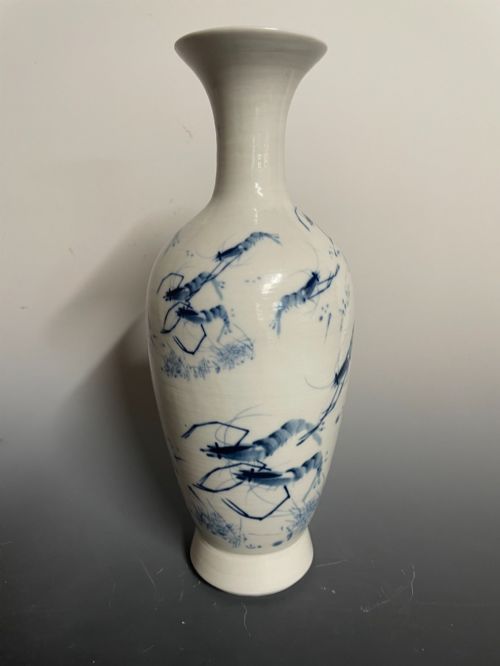
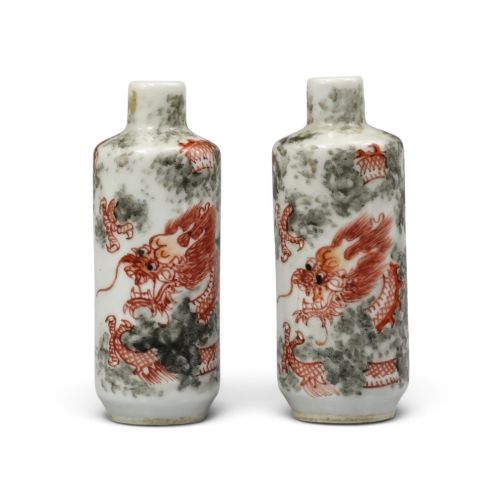
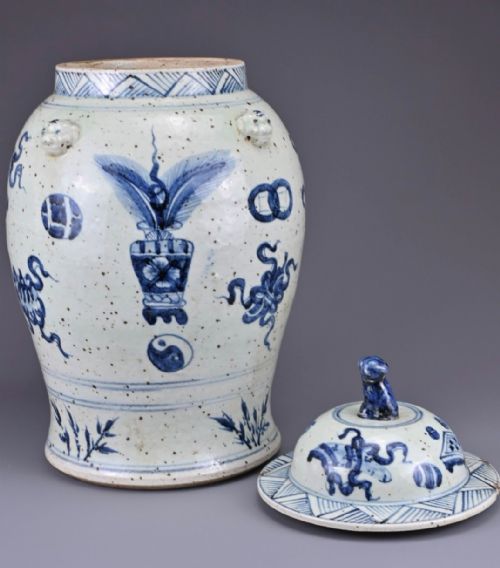
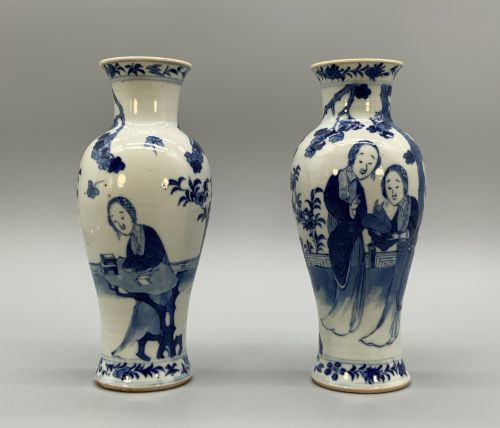
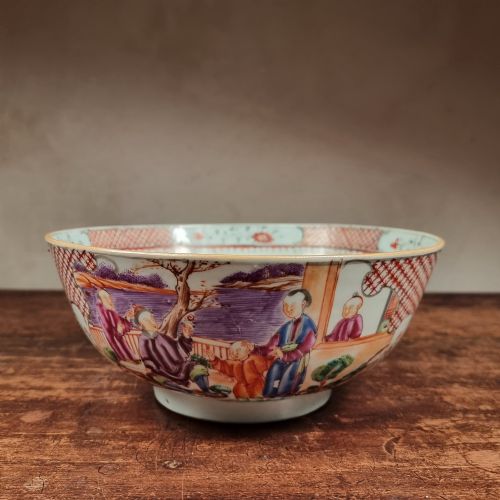
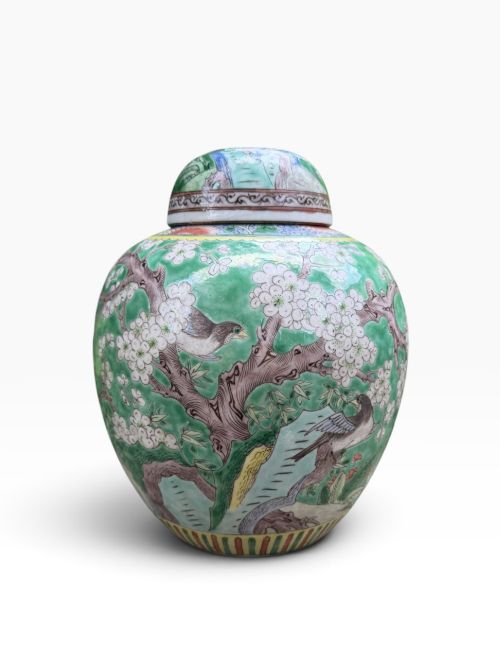
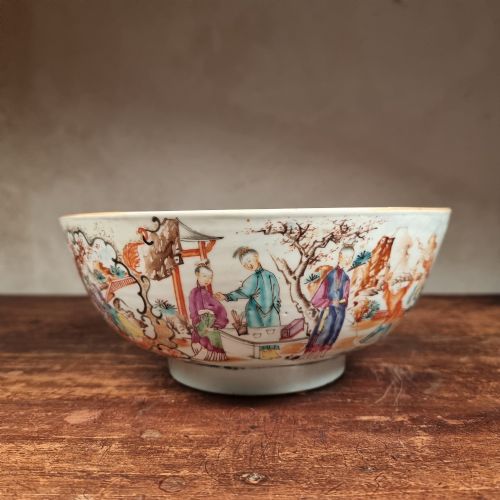
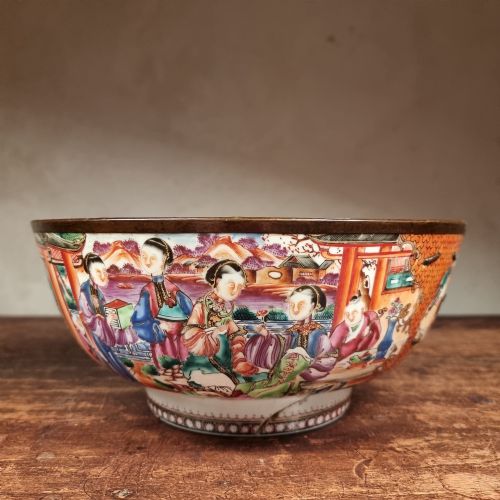
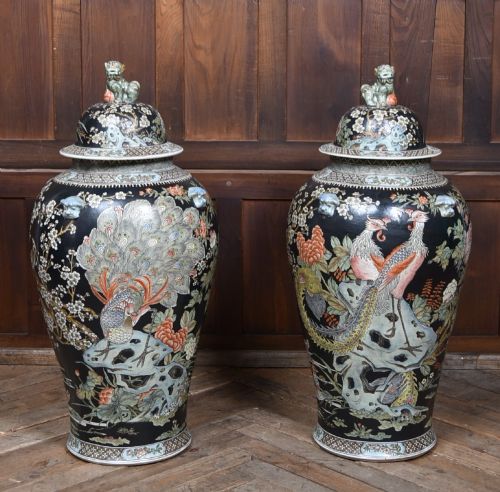
Hand painted chinese ceramic objects encompass a broad array of decorative and functional forms, including vases, bowls, plates, jars, and snuff bottles. These items span multiple centuries, with notable representation from eighteenth century Qing Dynasty pieces and nineteenth century Canton wares.
Buyers will most frequently encounter nineteenth century porcelain vessels alongside eighteenth century export items decorated in vibrant famille rose or traditional blue and white palettes. Forms range from large palace floor jars and jardinières down to intimate tea caddies and small dishes.
How they were made
Potters utilised fine porcelain clay shaped into balanced vessels, applying cobalt glaze under the high-temperature kiln fire for classic blue and white designs. Artisans then added intricate details over the glaze using coloured enamels and sometimes gold leaf.
Many items incorporate specific stylistic traditions such as famille rose or famille verte, requiring skilled brushwork to depict figures, birds, and flowers by hand.
Listings feature porcelain forms spanning the eighteenth, nineteenth, and twentieth centuries, incorporating wood stands and gilt accents.
What varies in quality
The refinement of the painted brushwork largely distinguishes standard wares from superior pieces, particularly in the rendering of complex figural scenes, flora, and fauna. Precision in the enamel application and depth of the cobalt blue glaze also signal higher workshop standards.
The sophistication of the porcelain body, along with the crispness of imperial or four-character seal marks, points to elevated craftsmanship from notable periods like the Qianlong or Guangxu eras.
The Hand Painted Chinese Ceramic Glossary
- Famille rose
- A palette of opaque enamel colours dominated by pink or rose hues, introduced during the Qing Dynasty.
- Cobalt glaze
- A mineral pigment applied beneath the transparent glaze to produce deep blue designs during high-heat firing.
- Canton
- A major trading hub associated with colourful hand painted export porcelain produced during the nineteenth century.
- Jardiniere
- A large ceramic pot or planter traditionally utilised for housing indoor plants or floral arrangements.
- Snuff bottle
- A small miniature container utilised historically for holding powdered tobacco, often intricately decorated.
Hand Painted Chinese Ceramic: Frequently Asked Questions
How do I date an antique porcelain vase?
Dating relies on stylistic markers, baseline forms, and specific reign marks applied during periods such as the Qianlong or Guangxu eras. Comparing the painting technique to established examples helps narrow down the century.
Material qualities like the weight of the porcelain and the characteristics of the glaze provide further chronological clues.
What is the difference between famille rose and famille verte?
Famille rose relies predominantly on opaque pink and purple enamel tones introduced in the eighteenth century. Famille verte utilises a dominant palette of transparent greens alongside iron-red and other contrasting colours.
Both styles require meticulous hand painting over the fired porcelain body.
How were large Chinese export jars used?
Large jars and palace floor jars served primarily as decorative focal points within wealthy interiors during the eighteenth and nineteenth centuries. Some lidded jars also functioned practically for storing dry goods like tea or ginger.
Today, they are typically displayed on stands or incorporated as lamp bases.
Are Canton bowls safe for daily use?
Antique Canton bowls feature delicate hand-applied enamels that can wear down with frequent washing or heavy handling. Collectors generally preserve them as decorative display items rather than using them for daily dining.
Gentle dusting and careful placement away from high-traffic edges best protect the surface decoration.