

Qing Dynasty Enamel
These pieces of qing dynasty enamel bring together centuries of skilled hand painting and metalwork that collectors prize for their intricate palettes and imperial forms.
Qing Dynasty Enamel
When searching for qing dynasty enamel, a buyer encounters a diverse range of objects spanning ritual vessels, tableware, and decorative items. The selection centres heavily on nineteenth-century pieces alongside eighteenth-century examples, reflecting both imperial output and trade wares.
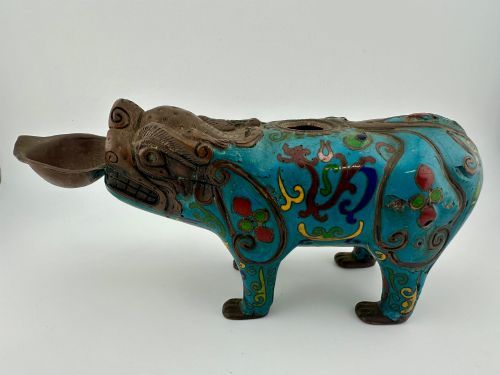
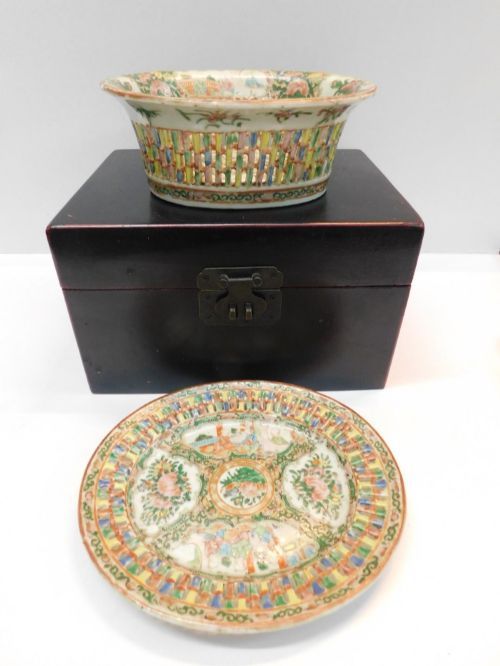
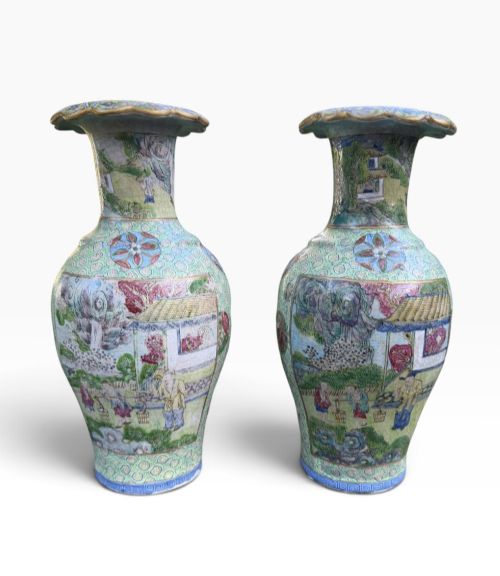
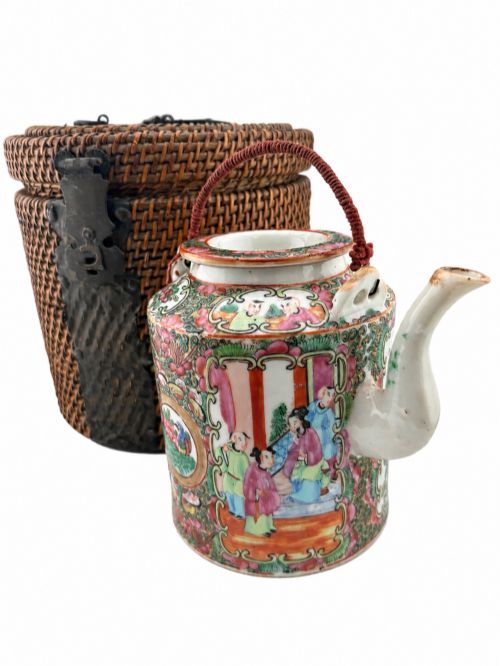
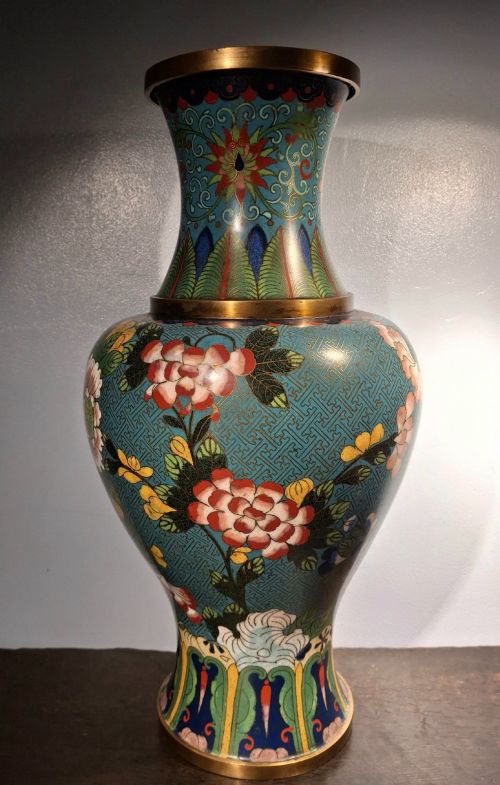
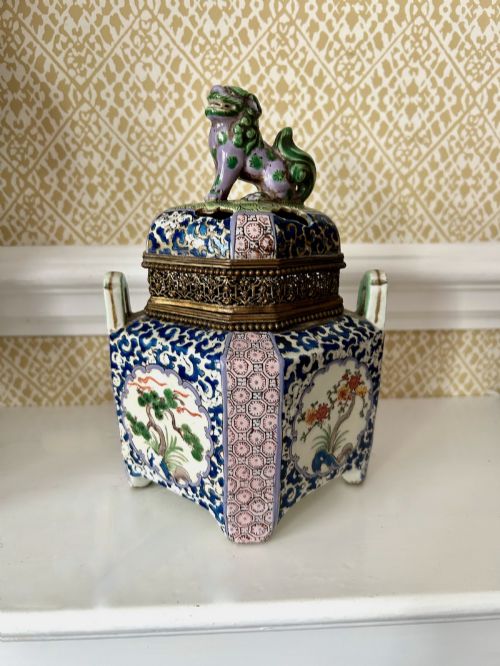
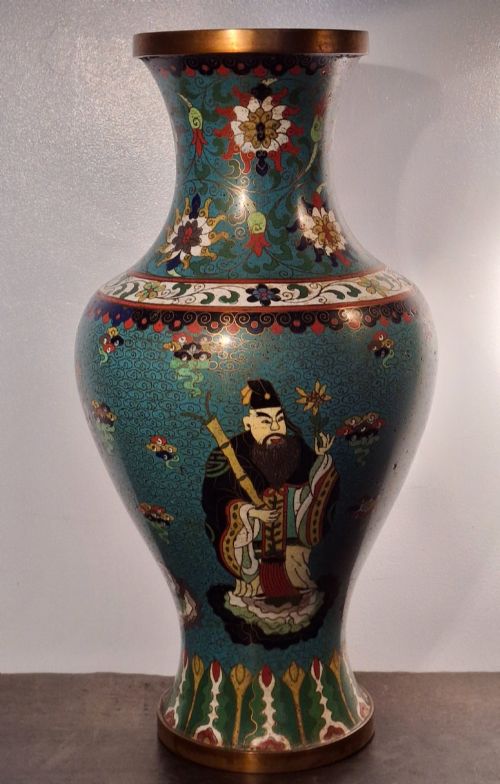
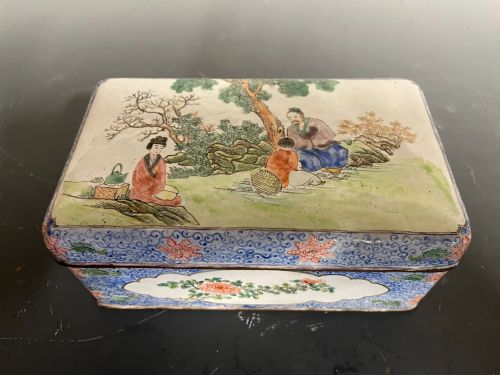
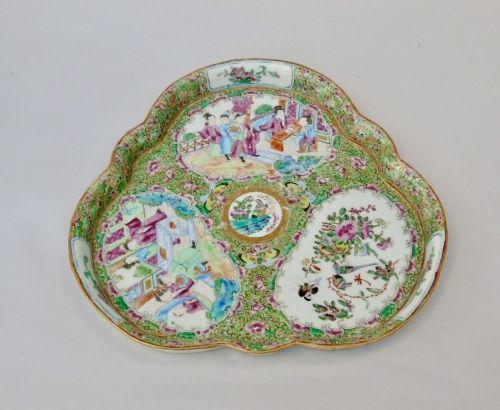
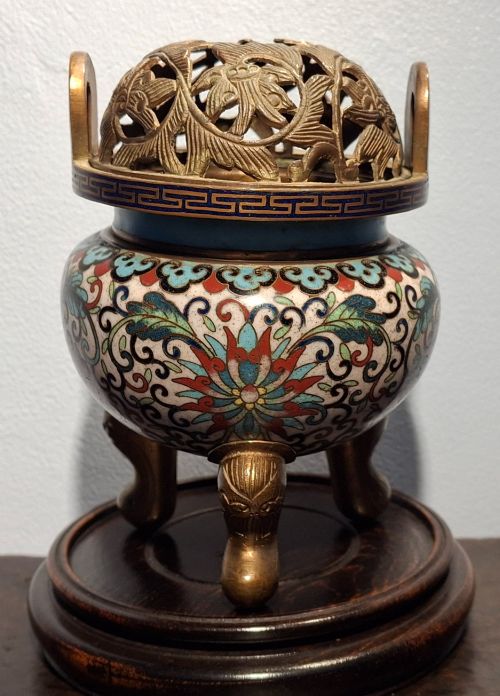
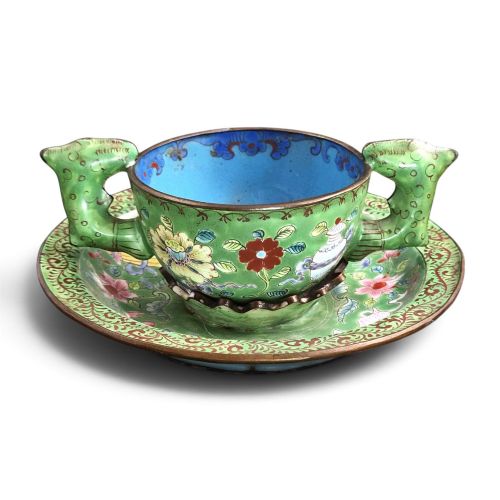
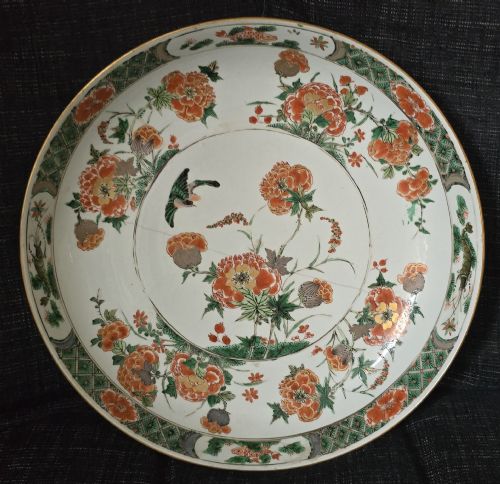
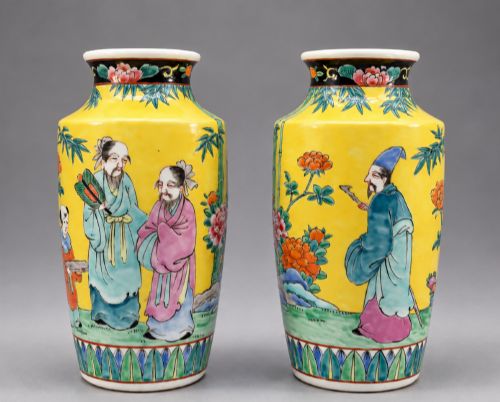
The most common forms on this page include large Canton bowls, famille rose dishes, ginger jars, and bronze or copper vessels decorated with cloisonné. Alongside ceramic plates and vases, one finds scholar's brush washers, snuff boxes, and occasional side tables incorporating enamel panels.
Originating predominantly from kilns and workshops in centres such as Beijing, Jingdezhen, and Canton, these items display the stylistic shifts from Qianlong aesthetics through to the late Qing and early Republic periods.
How they were made
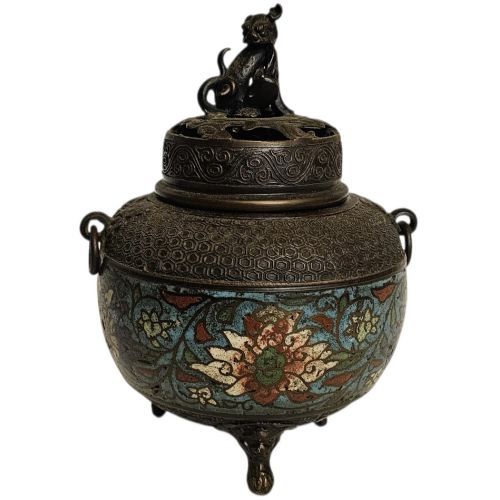
Metalwork pieces rely heavily on copper and bronze foundations, upon which artisans build designs using thin wire cells for cloisonné or excavated troughs for champlevé. These metal compartments are filled with coloured enamel pastes before firing and polishing.
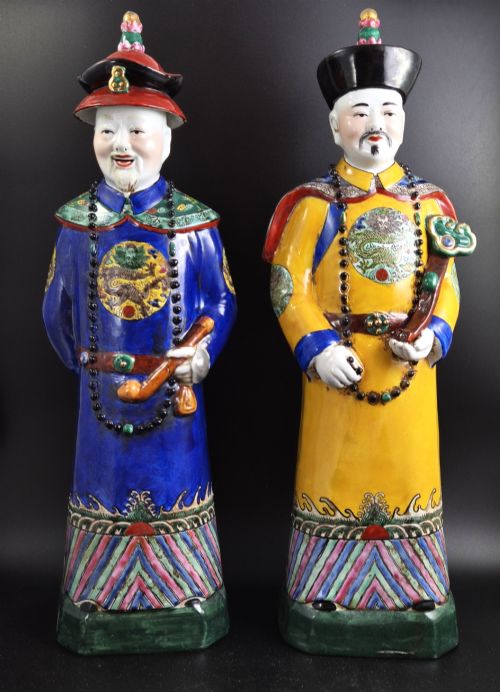
Ceramic vessels utilise a porcelain or stoneware body decorated with hand-painted overglaze enamels, incorporating families of colours such as rose, verte, noir, and iron-red. Gilding, gold leaf, and copper components frequently accent both metal and ceramic surfaces to add depth and contrast.
Qing Dynasty Enamel Retail Price Guide 2026
Typical asking prices for qing dynasty enamel among the pieces listed under this phrase on Sellingantiques today, from the lower quarter to the upper quarter. They describe what is for sale here now, not the wider market.
Among the metalwork are tiny cricket cages in silver and enamel, proving that Qing artisans catered to the comforts of very small pets.
What varies in quality
The refinement of the hand painting separates standard export ware from imperial commissions, visible in the precision of brushwork on figures, birds, and botanical motifs. Enamel density, smoothness of finish, and the crispness of gilt outlines also dictate the overall standard.
Weight, stability of forms like tripods and censers, and the integration of original stands or covers indicate the level of care and expense invested during production.
The Qing Dynasty Enamel Glossary
- Cloisonné
- A metalwork technique where fine wires are soldered to a base to create cells filled with enamel paste. This method produces intricate linear patterns across vases and censers.
- Famille Rose
- A palette of opaque overglaze enamels dominated by pink or rose hues introduced during the Qing dynasty. It allowed artists to achieve subtle tonal gradations in floral and figural scenes.
- Canton
- A major trading port associated with colourful painted enamels on copper and porcelain made for export. These pieces often feature dense panels of figures and flora.
- Champlevé
- A technique where troughs are gouged directly into a bronze or copper body and filled with enamel. The exposed metal ridges define the borders of the design.
- Guangxu
- A Qing emperor whose late nineteenth-century reign saw marked revival output in marked porcelain and cloisonné. Pieces from this period frequently display precise reign marks.
Qing Dynasty Enamel: Frequently Asked Questions
How do I identify a Qianlong piece?
Authentic Qianlong pieces display rigorous craftsmanship, specific imperial marks, and characteristic rich famille rose palettes.
Later nineteenth-century revivals often imitate these styles, requiring careful study of the enamel depth and baseline wear to determine true age.
What is the difference between cloisonne and painted enamel?
Cloisonné relies on soldered wire walls to separate different pools of coloured enamel paste on a metal base.
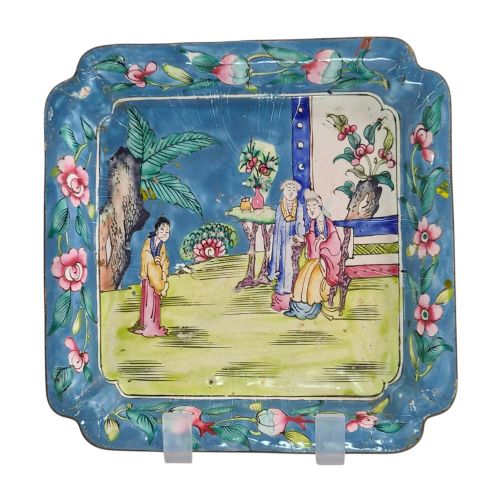
Painted enamel involves applying pigments directly onto a prepared copper surface with a brush, much like painting on canvas.
How should I display enamel in my home?
These decorative items suit placement on stable side tables, within lit cabinets, or as standalone centrepieces on dining surfaces.
Keep them away from direct sunlight to protect the integrity of the overglaze pigments and gilded accents over time.
Can I use these antique bowls for food?
Historical bowls and dishes were primarily created for display, ritual use, or formal presentation rather than daily dining.
Using them for serving food can risk damaging the delicate overglaze enamels and historic surfaces accumulated over centuries.