

Oriental Decorative Vase
An oriental decorative vase brings centuries of craftsmanship into a room, offering striking bronze, porcelain or cloisonné forms.
Oriental Decorative Vase
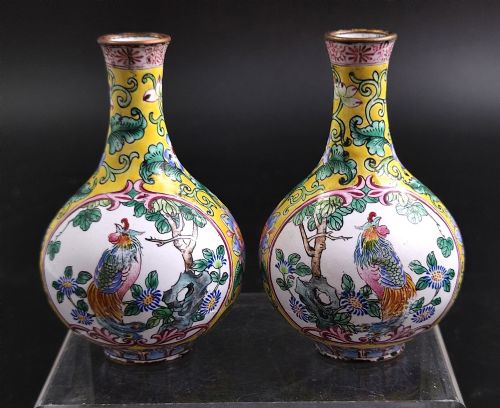
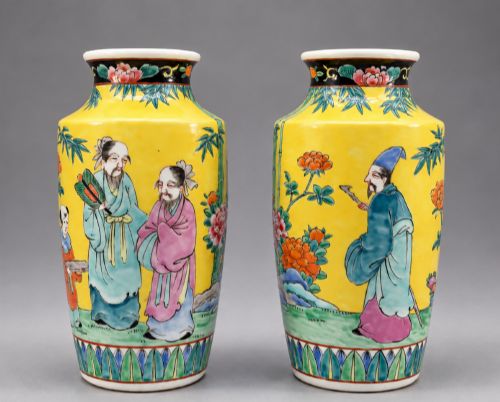
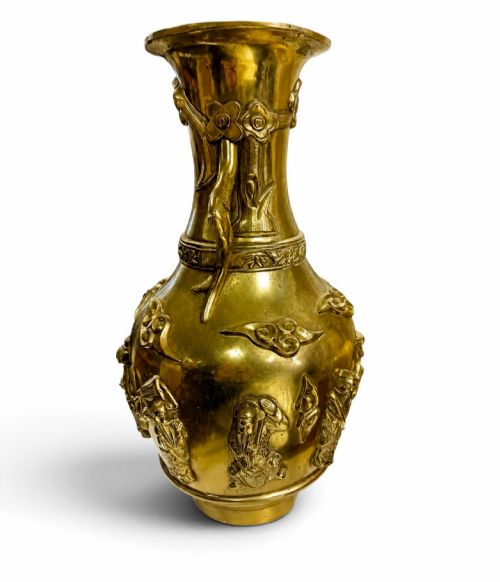
An oriental decorative vase encompasses an array of ceramic, porcelain and metal vessels originating from Asian traditions. When exploring these pieces, collectors encounter diverse forms including ginger jars, moon flasks, baluster shapes and monumental floor vessels.
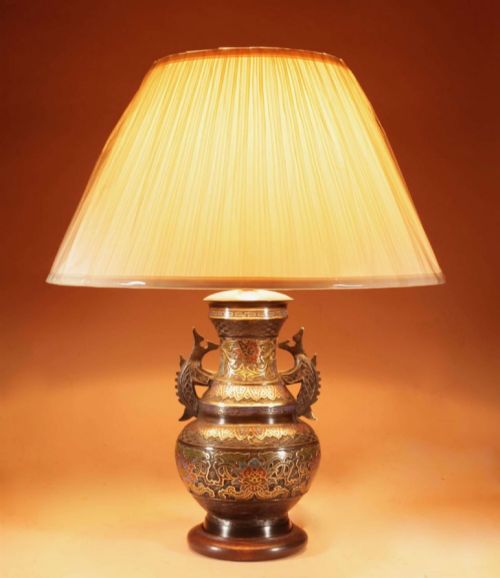
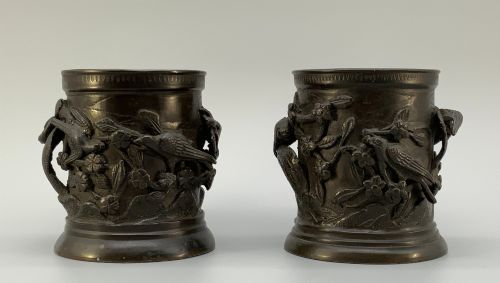
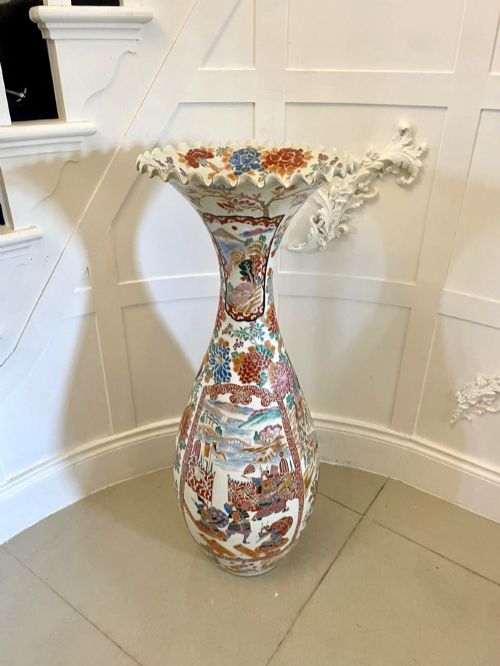
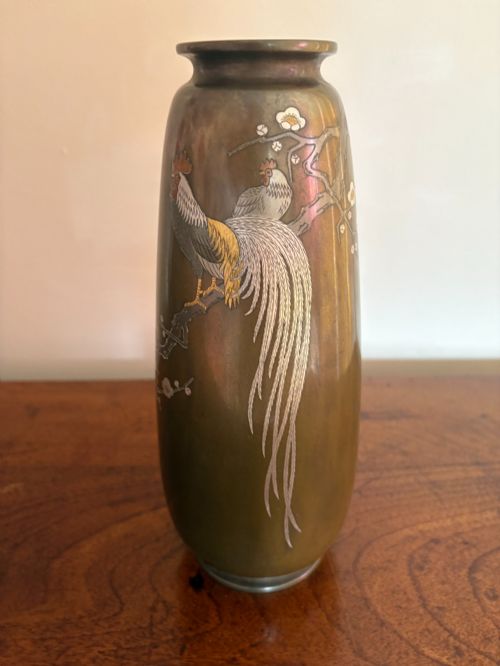
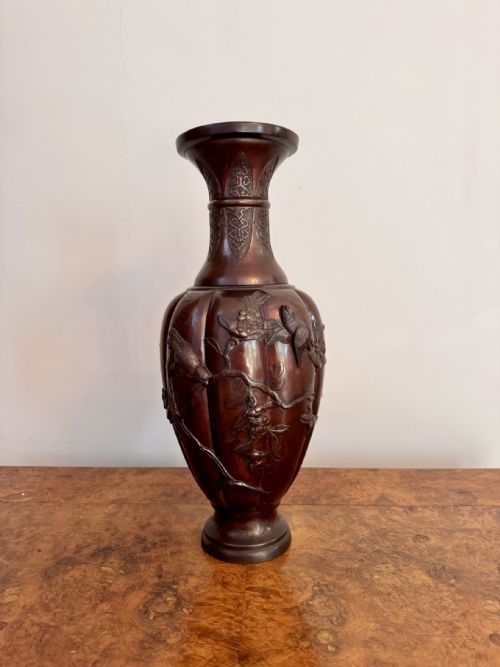
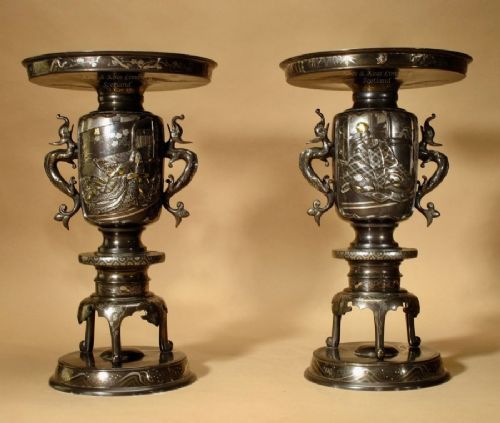
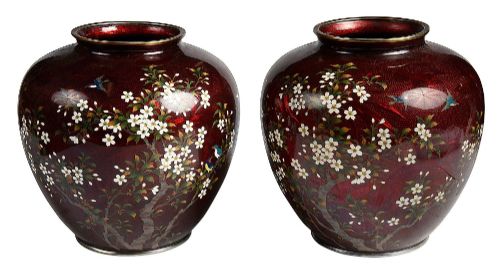
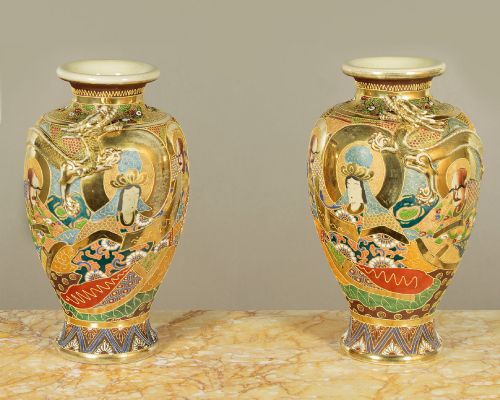
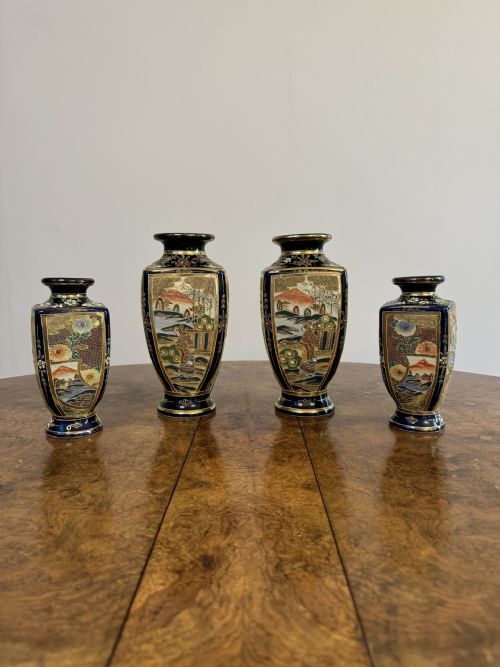
The selection on this page leans heavily toward Japanese Meiji period bronzes and Satsuma ceramics, alongside Chinese porcelain and cloisonné pieces. Many of these historical items arrive paired as garnitures or have been converted into table lamps.
Originating predominantly from the nineteenth and early twentieth centuries, these objects combine utilitarian forms with intricate artistic display. They serve equally as focal points on side tables and as substantial architectural floor pieces.
Materials and construction
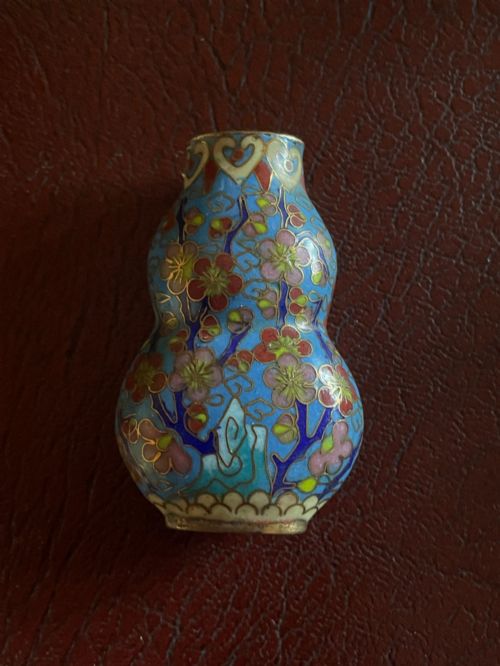
Bronze and copper alloys form the structural core of many metalwork pieces, often enriched with champlevé enamel or intricate wire cloisonné. Artisans also utilised earthenware, stoneware and hard paste porcelain, shaping them into baluster profiles and lidded jars.
Surface ornamentation relies on skilled hand application, ranging from high-relief casting and inlaid metals to detailed overglaze enamelling with gold leaf accents. Stoneware examples frequently display applied figural elements or finely carved details executed by master potters.
Object forms include lidded ginger jars, moon flasks, monumental floor vessels and table lamps.
Distinctions in quality
Quality rests upon the precision of the casting or ceramic throwing, together with the crispness of the surface chisel work and enamel application. Pieces bearing legible studio marks or signatures from recognised makers demonstrate superior artistic oversight.
The complexity of the design also dictates standing, with multi-tiered cloisonné wiring or detailed high-relief Daoist immortals requiring advanced workshop competency. Preservation of original gilding, enamel integrity and matching garniture sets elevates the stature of a listing.
KANASAWA·Manpei·Ando Jubei·Makuzu Kozan II·Kōko
The Oriental Decorative Vase Glossary
- Cloisonné
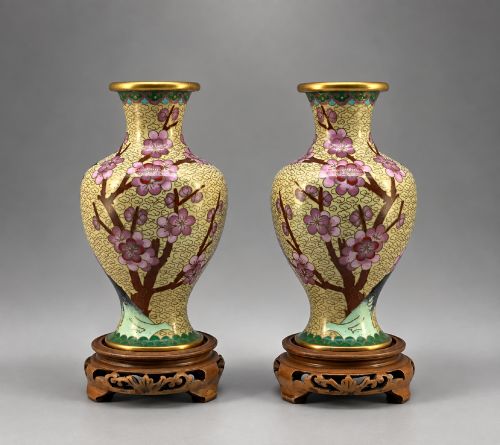
- A metalwork technique where fine wire compartments are soldered to a base and filled with enamel paste before firing.
- Imari
- A traditional Japanese style of porcelain decorated in underglaze blue, iron red, gold and supplementary colours.
- Satsuma
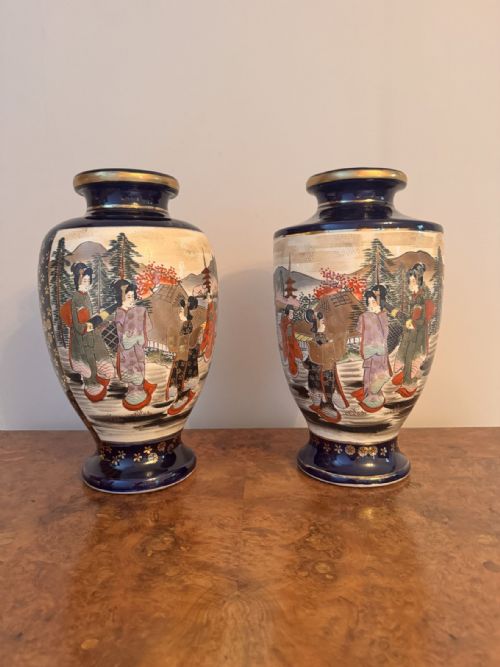
- A type of Japanese earthenware featuring a crackle-glaze ivory body painted with polychrome enamels and gilding.
- Champlevé
- An enamelling method where troughs or cells are hollowed out of a metal surface to hold coloured enamel.
- Baluster
- A vertical architectural form characterised by a swollen lower body tapering toward a narrow neck and flared rim.
Oriental Decorative Vase: Frequently Asked Questions
How do I identify a Meiji period piece?
Japanese items from the Meiji era often display exceptional technical mastery in metalwork, cloisonné and Satsuma ceramics. Look for intricate surface detail and distinct regional signatures from this transitional historical window.
Many of these objects combine traditional motifs with innovative Western-influenced export designs, reflecting the opening of international trade during that period.
What is the difference between Imari and Satsuma?
Imari ware is a hard porcelain characterised by its deep underglaze blue, iron red and gold palette. It offers a resonant sound when struck and a smooth, vitrified surface.
Satsuma ware is an earthenware ceramic defined by its warm, ivory-coloured crackle glaze. It serves as a canvas for densely painted figures, flora and abundant gold leaf.
Can converted lamps be restored to vases?
Many historical vessels were adapted into table lamps during the twentieth century by running electrical cord through drilled bases or fitted mounts. Reversing this conversion requires professional conservation to plug apertures and secure stable, undamaged foot rims.
Collectors must weigh the decorative utility of the lamp against the original sculptural integrity of the antique vessel.
How should I display a heavy bronze floor vase?
Substantial metal and ceramic floor pieces demand a stable, level surface capable of supporting considerable weight without shifting. Positioning them away from high-traffic walkways protects fragile relief details, handles and applied figures from accidental impact.
Adequate clearance allows the surrounding light to reveal the fine patination, inlaid bronze work or cloisonné wires.