

Chinese Export Enamel
Chinese export enamel brings together centuries of skilled craftsmanship, vibrant decorative palettes and intricate metalwork designed for global trade.
Chinese Export Enamel
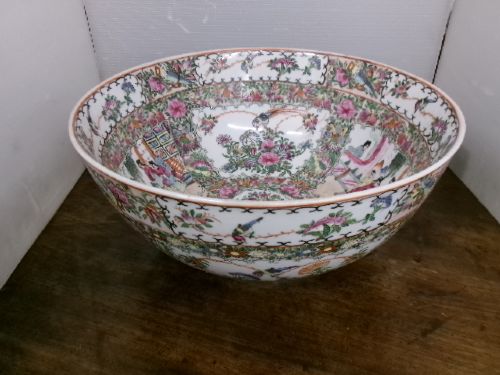
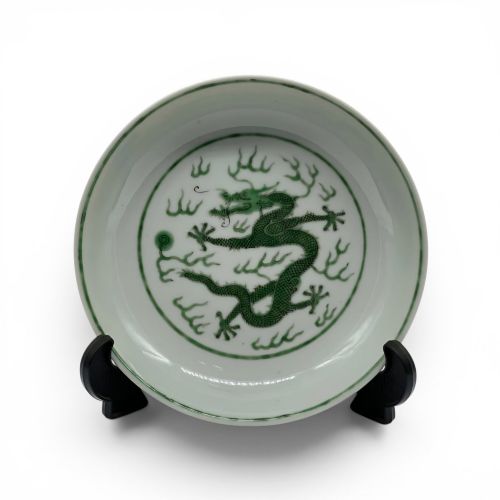
Chinese export enamel encompasses decorative and functional objects produced in China for international markets, spanning domestic items to grand display pieces. When searching for Chinese export enamel, buyers encounter diverse forms including large punch bowls, delicate tea sets, vases, and dishes. These items reflect the exchange of artistic styles between Chinese workshops and Western tastes over successive centuries.
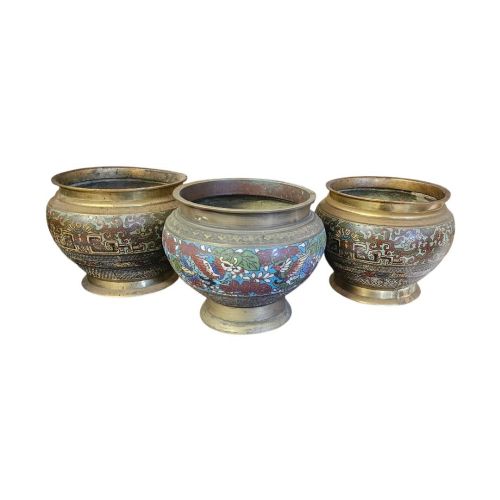
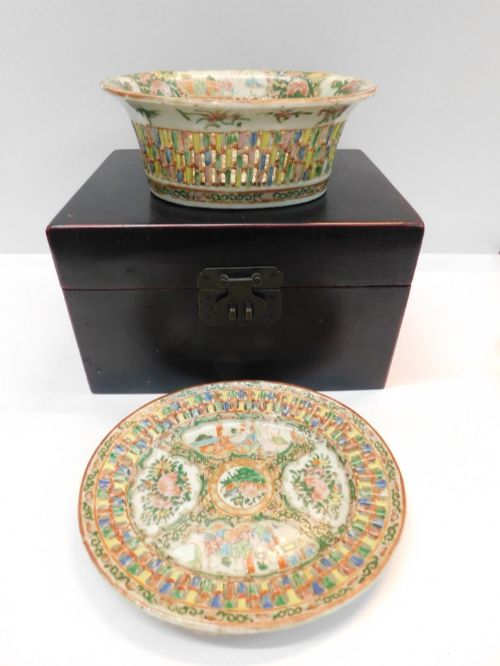
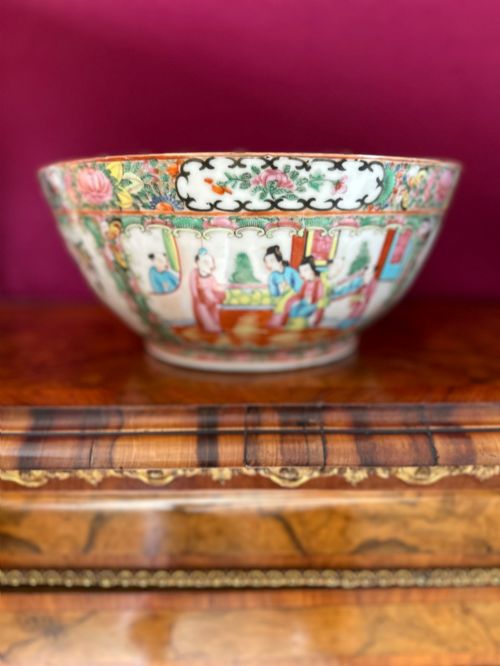
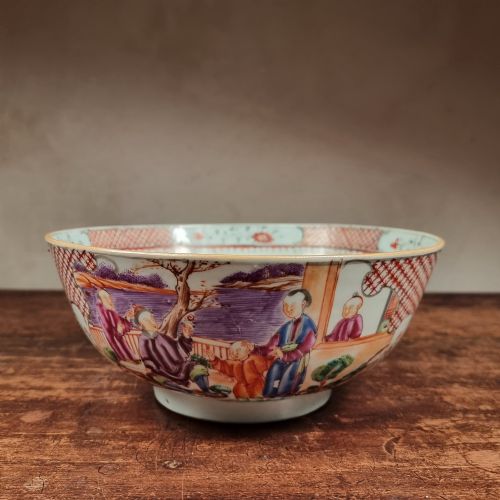
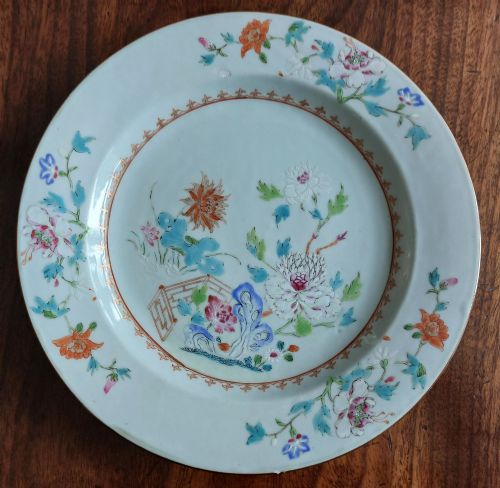
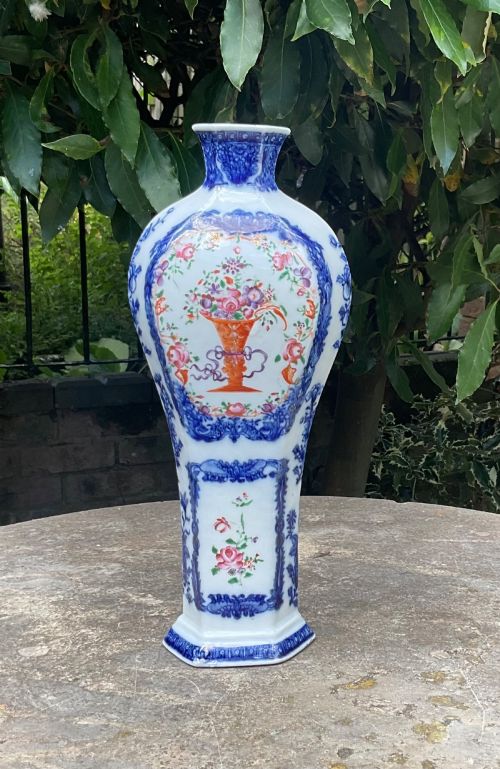
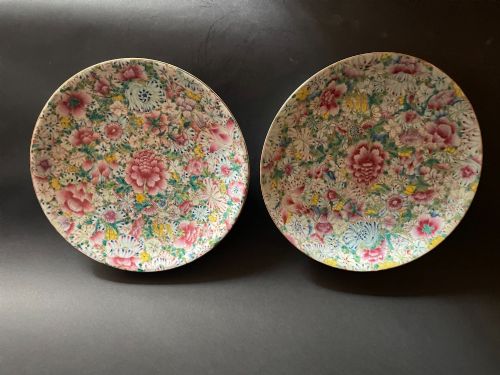
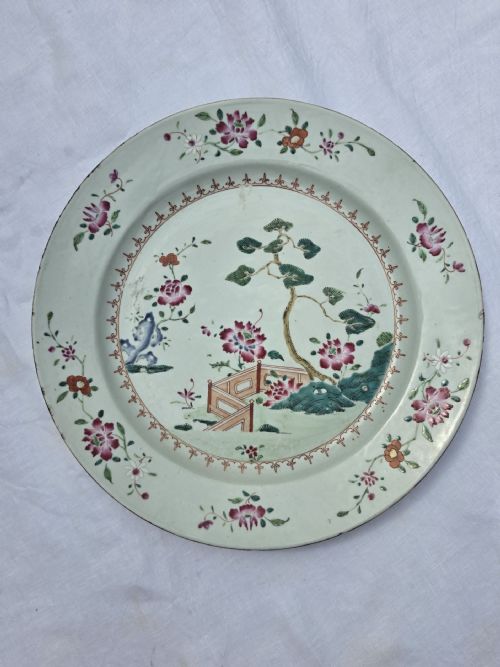
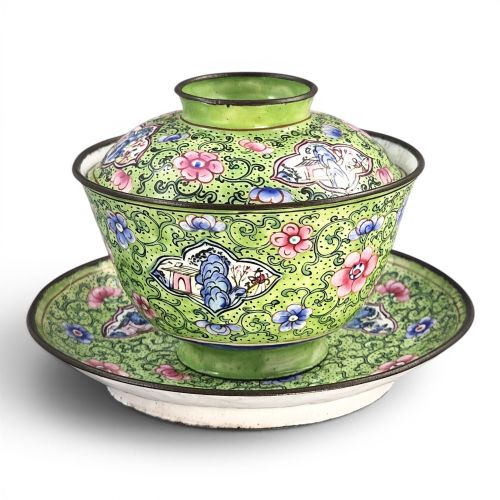
The objects seen here largely emerge from the eighteenth and nineteenth centuries, alongside later pieces from the Victorian era and early twentieth century. Common forms include decorative bowls, pedestal dishes, and baluster vases, often decorated with elaborate botanical motifs, figures, and narrative scenes. Cantonese Famille Rose and Mandarin palette designs feature prominently among the surviving works.
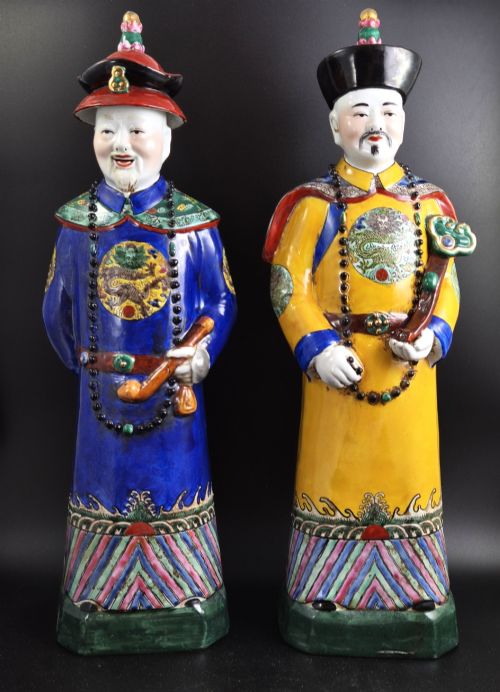
Production bridged traditional Chinese techniques with motifs tailored for European and American clientele. Pieces range from utilitarian vessels like tea bowls and saucers to monumental punch bowls and garnitures intended for display. The stylistic vocabulary draws heavily on Qing Dynasty aesthetics adapted for export commerce.
Materials and Working Methods
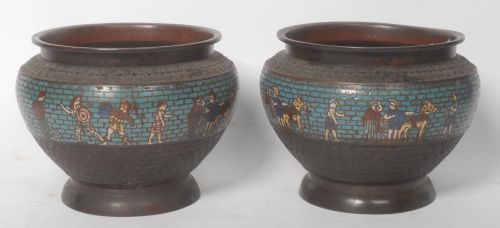
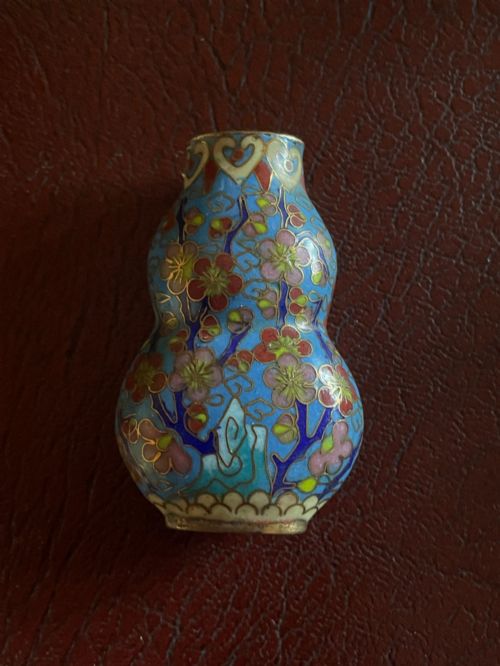
Makers utilised porcelain, copper, and silver as foundations for applying vitreous enamels, often incorporating gold leaf, gilding, and overglaze enamel colours. Metalwork techniques such as cloisonné involved soldering thin metal strips onto a copper or brass base to create cells filled with coloured paste. Silver filigree work combined fine twisted wires with enamel details for intricate jewellery and small accessories like card cases.
Ceramic surfaces received hand-painted overglaze enamel decoration, where pigments were fixed through secondary firings to achieve vivid polychrome effects. Artisans layered opaque and translucent enamels over porcelain or metal, building depth in floral, bird, and figure compositions. Gilding and gold leaf accents were frequently added to highlight rims, borders, and specific pictorial elements.
Workshop production integrated specialised skills across throwing, forming, wire-bending, painting, and firing. The combination of durable ceramic bodies or sturdy metal substrates with glass-based enamels resulted in resilient pieces capable of enduring long sea voyages to Western markets.
Skilled artisans captured acrobatic circuses and auspicious five-blessings scenes in miniature on eighteenth-century tea bowls.
Evaluating Quality and Execution
Quality in these pieces rests upon the precision of the hand-painting, the complexity of the enamel work, and the crispness of the underlying form. Superior examples display meticulously controlled brushwork in details like plumage, facial expressions, and botanical structures, whereas simpler production shows broader, more hurried application. The vibrancy and stability of the enamel colours also indicate the skill involved in mixing and firing.
The refinement of the metal or ceramic substrate dictates the baseline execution of the object. Finely cast cloisonné wirework or delicately potted porcelain bodies provide a superior canvas for the enameller. Weight, balance, and the neatness of finishing touches such as gilt highlights or base marks distinguish workshop standards across different periods.
The Chinese Export Enamel Glossary
- Famille Rose
- A palette of opaque rose-pink and other soft enamel colours introduced in the Qing Dynasty. It dominated Chinese export porcelain decoration through the eighteenth and nineteenth centuries.
- Cloisonné
- A metalworking technique where fine wires form raised barriers on a vessel body to contain coloured enamel pastes. These cells are fired and polished to create patterned surfaces.
- Canton
- A major trading port in southern China associated with prolific export art production. Canton wares frequently feature dense floral panels and human figures.
- Gaiwan
- A traditional Chinese tea set comprising a saucer, a bowl, and a lid. These vessels were produced for domestic use and export markets.
- Punch Bowl
- A large open bowl designed for mixing and serving communal drinks. Export punch bowls were often produced on a grand scale with elaborate exterior and interior painted scenes.
Chinese Export Enamel: Frequently Asked Questions
How were export punch bowls used?
Punch bowls served as central vessels for communal drinking at social gatherings in European and American homes. Guests would ladle spiced punches from the large open basin during formal dining and entertaining.
Their substantial scale allowed workshops to showcase complex hand-painted narratives, floral borders, and heraldic motifs tailored to the commissioner's preferences.
What is the difference between cloisonné and painted enamel?
Cloisonné relies on metal wires soldered to a copper or brass base to create compartments that hold distinct pools of coloured enamel. This method produces a tangible, textured surface defined by the metal grid.
Painted enamel, by contrast, involves applying pigments directly onto a smooth metal or ceramic ground using a brush. This technique allows for painterly shading and fine illustrative detail without raised borders.
How do I distinguish eighteenth-century pieces from nineteenth-century ones?
Eighteenth-century pieces, particularly those from the Qianlong period, typically exhibit finer potting, more controlled enamel palettes, and restrained compositions. The porcelain bodies feel lighter and the painting adheres closely to classical Chinese aesthetics.
Nineteenth-century works, especially Cantonese production, often feature denser, brighter decoration incorporating vibrant greens, pinks, and heavy gilding. Forms tended toward heavier proportions and more crowded figurative scenes.