

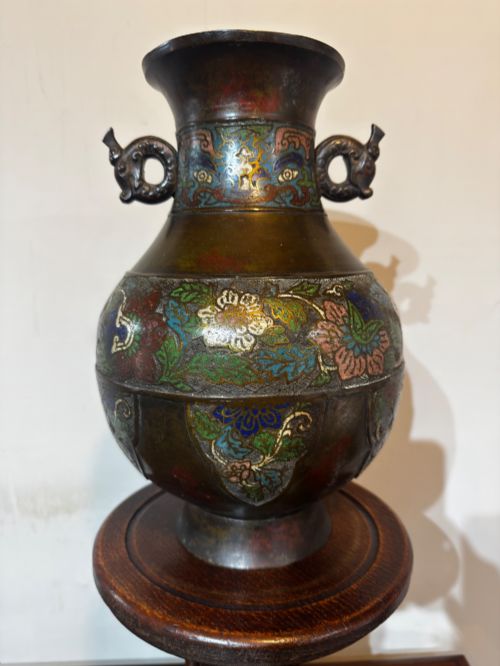


Qing Dynasty Cloisonne
These pieces of qing dynasty cloisonne bring vibrant enamels and cast metalwork together to anchor a room.
Qing Dynasty Cloisonne
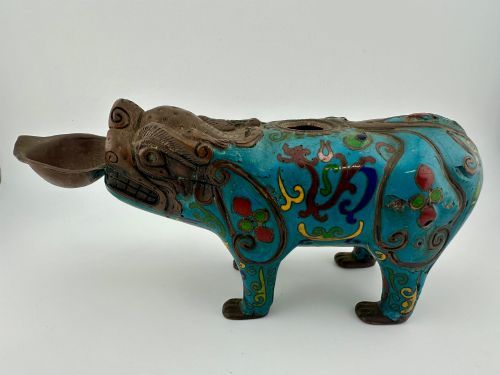
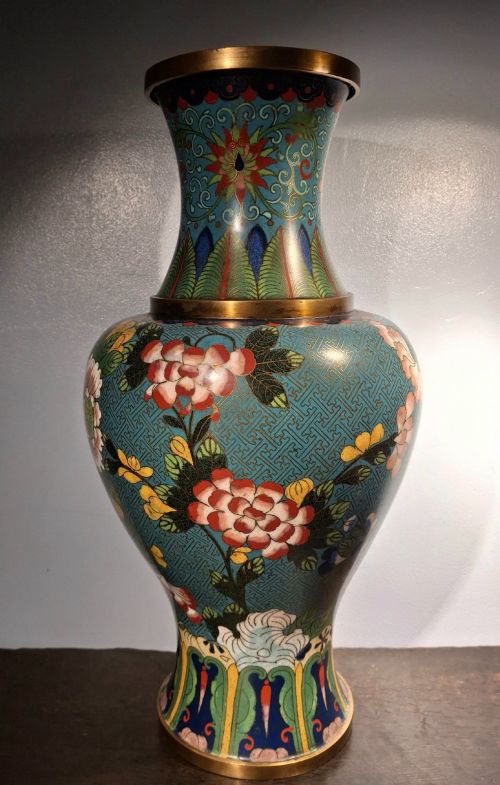
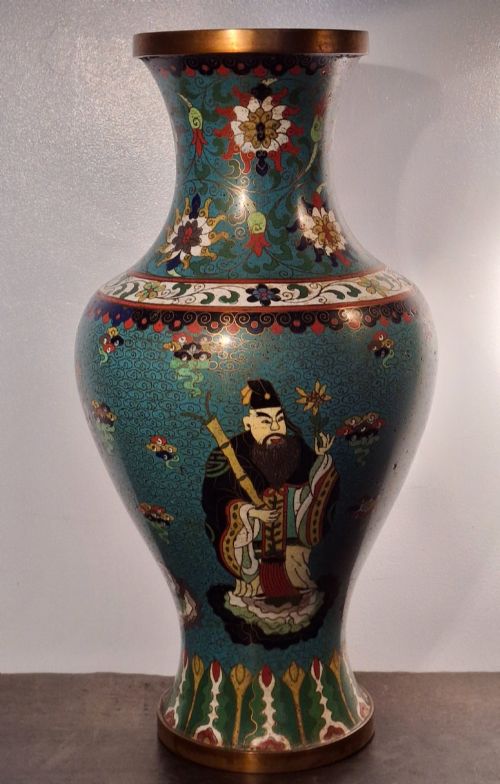
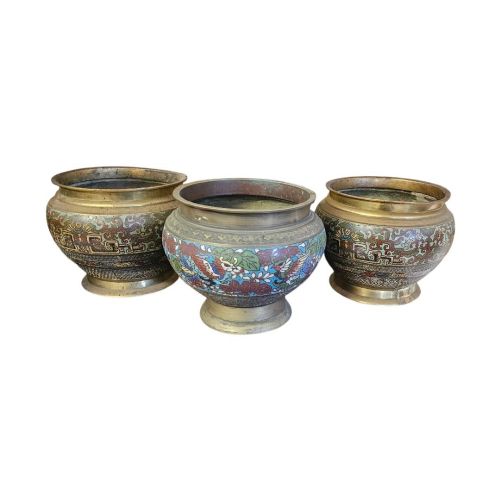
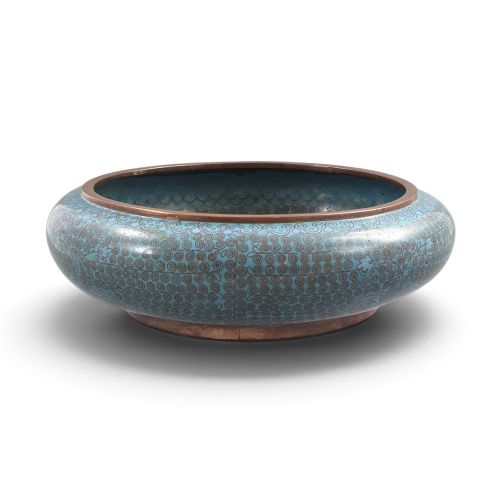
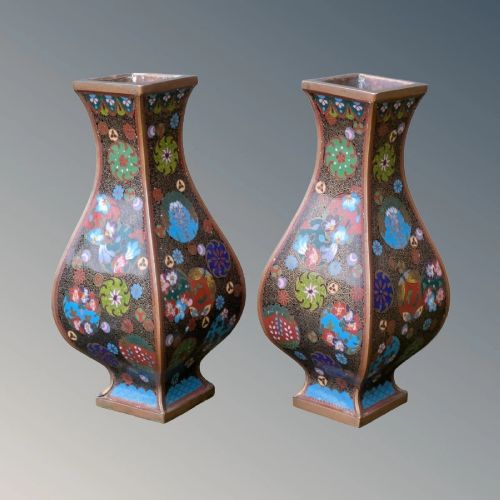
When you search for qing dynasty cloisonne, you encounter vessels and decorative objects made during a pivotal imperial era. The objects span utilitarian forms like vases and censers to complex table lamps and side tables.
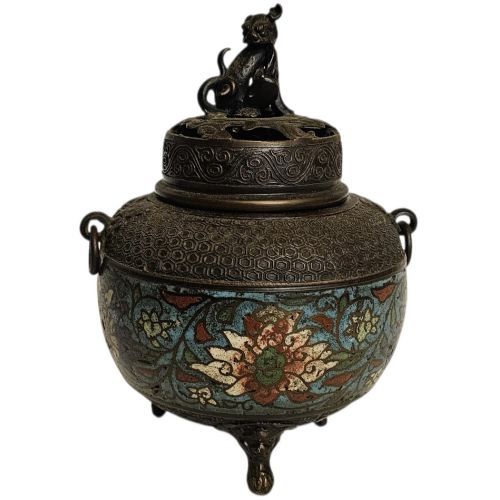
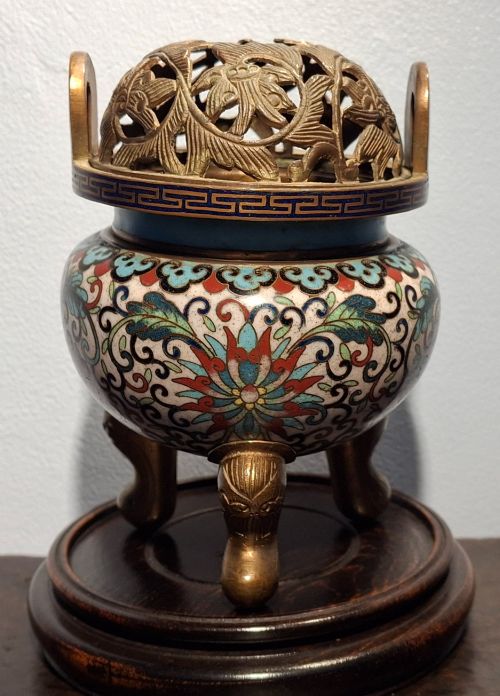
Vases and lidded koro appear most frequently among the listings, often decorated with floral motifs or mythical beasts. Scholars' items such as brush washers and wine vessels also emerge from this tradition.
How they were made
Craftsmen soldered thin metal wires of bronze, brass, or copper onto a metal base to form intricate cells known as cloisons. They then filled these compartments with coloured enamel pastes before firing and polishing the surface smooth.
Gilt bronze, sterling silver, and jade accents appear alongside wood and lacquer elements to mount or complete the pieces. The resulting surface balances the crisp lines of metal wire with the rich depth of vitreous enamel.
Qing Dynasty Cloisonne Retail Price Guide 2026
Typical asking prices for qing dynasty cloisonne among the pieces listed under this phrase on Sellingantiques today, from the lower quarter to the upper quarter. They describe what is for sale here now, not the wider market.
Listings feature items dated across the nineteenth century alongside pieces from eighteen hundred and nineteen thirty.
What varies in quality
The precision of the wirework distinguishes standard production from finer output, where lines remain uniform and curves stay fluid. Heavier metal bases and complex multi-layered enamel palettes indicate greater ambition in the workshop.
Finishing touches such as fire-gilding on the bronze mounts and the integration of hardstone elements like jade rims elevate the overall presence of the object.
The Qing Dynasty Cloisonne Glossary
- Cloisonné
- Enamelwork in which coloured pastes are applied within compartments formed by soldered metal wires. This technique creates a distinct cellular pattern across the surface.
- Censer
- A vessel designed for burning incense during ritual or domestic use. These often take tripod forms or represent mythical beasts.
- Champlevé
- An enamel technique where troughs or cells are carved directly into the metal base rather than built up with soldered wires. The hollows are then filled with enamel and fired.
- Koro
- A traditional lidded incense burner featuring a perforated cover to release aromatic smoke. They frequently sit upon three feet.
- Archiastic
- A style that consciously imitates ancient forms and motifs from earlier dynasties. These pieces draw on archaic ritual bronzes for their silhouette.
Qing Dynasty Cloisonne: Frequently Asked Questions
How do I identify qing dynasty cloisonne?
Examine the weight of the metal base and the precision of the wire cells forming the design. Subtle variations in the enamel colours and traditional motifs point toward imperial period manufacturing.
Look closely at the base and interior surfaces for signs of age, such as natural patination on the exposed bronze or brass elements.
Were these pieces used daily?
Many items served specific domestic or ritual functions, from burning incense in censers to holding wine in ritual vessel forms. Others acted purely as scholarly desk accessories or decorative display objects.
Larger vessels and jardinieres integrated into elite interiors to display plants or punctuate formal rooms.
How should I clean my cloisonne?
Dust the surface gently with a soft, dry cloth to prevent the accumulation of particles within the wire cells. Avoid using harsh chemical polishes that can damage the vitreous enamel or strip the metal gilt.
Professional conservation advice is recommended if deeper cleaning becomes necessary for older or fragile pieces.
Can I use antique lamps safely?
Lamps converted from vases or ritual vessels require professional rewiring to meet modern safety standards. Ensure a qualified electrician checks the internal components before connecting the piece to a power source.
Retaining the original body without altering the antique ceramic or metal structure preserves the historical integrity of the object.