







Vintage Oriental Vase
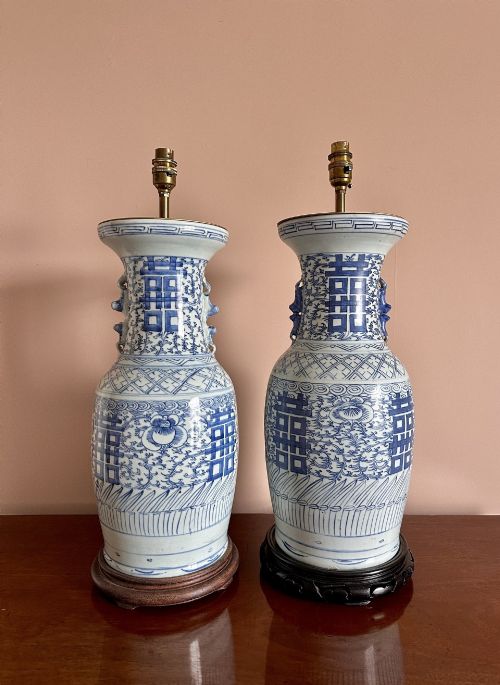
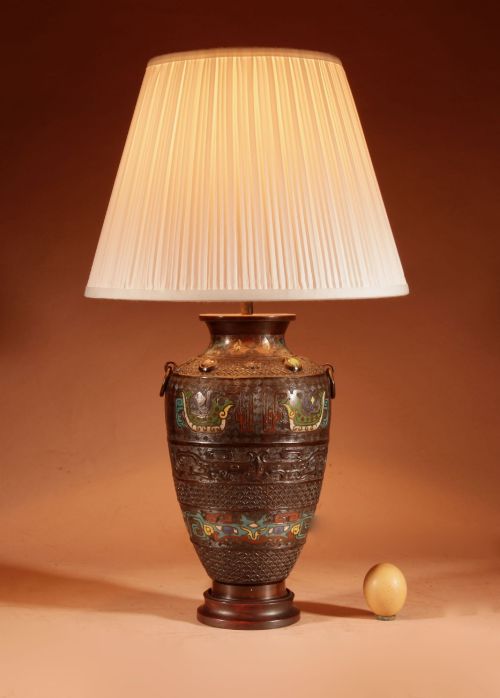
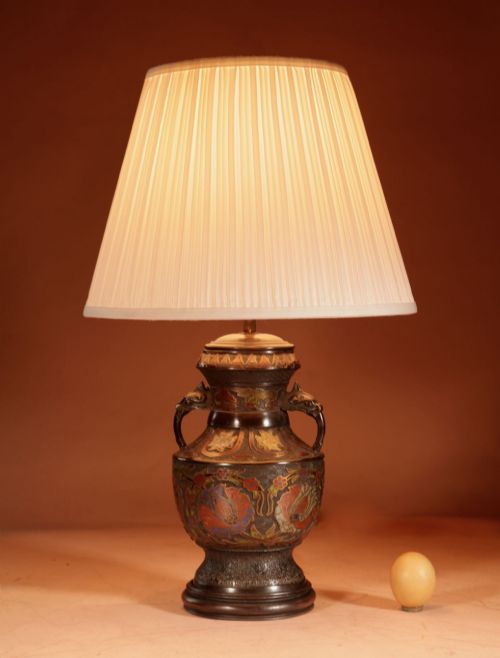
These vintage oriental vase examples bring together porcelain, bronze, and enamel across periods ranging from the nineteenth century to the mid-twentieth.
Vintage Oriental Vase
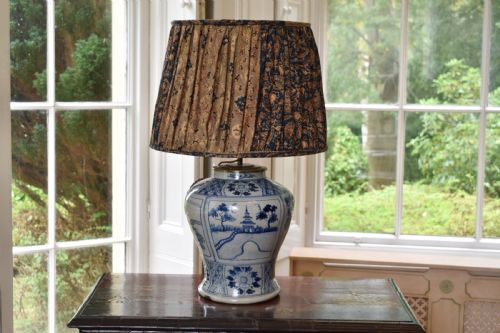
When searching for a vintage oriental vase, buyers encounter a diverse selection of decorative items originating from Chinese and Japanese workshops. The material evidence on this page spans porcelain, earthenware, and bronze forms, alongside related items like ginger jars and brush pots.
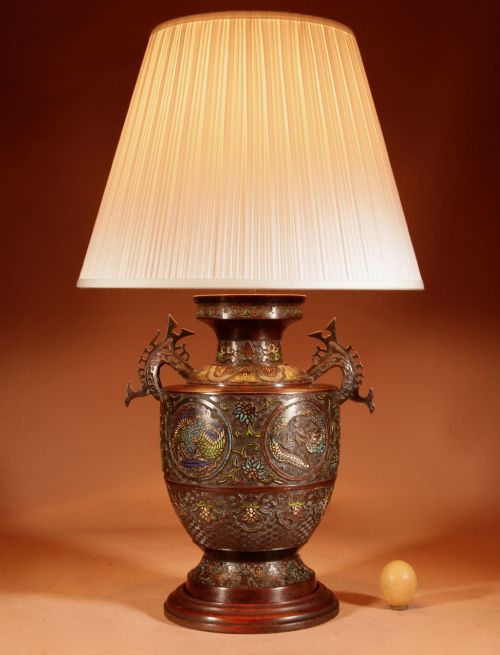
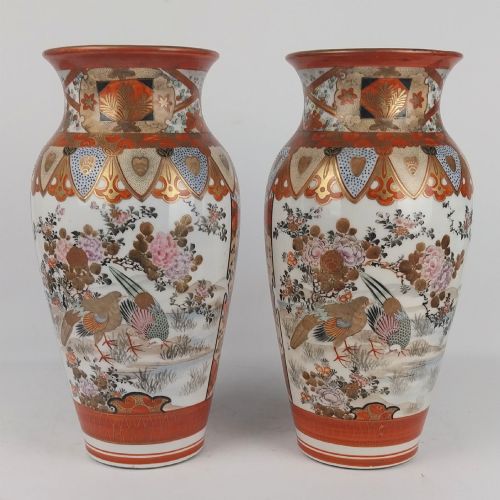
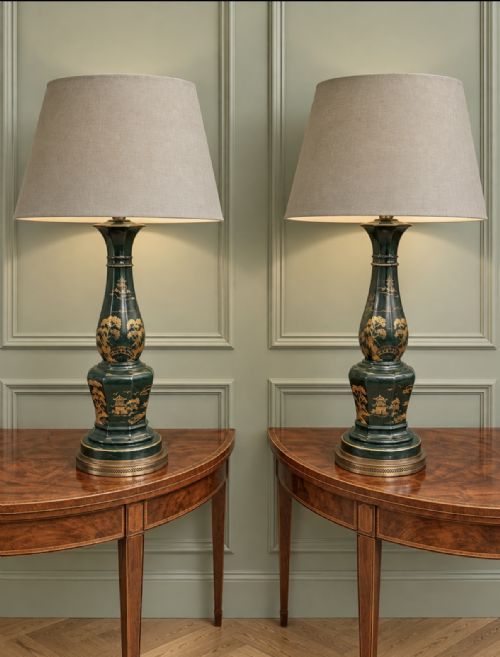
The objects frequently date from the nineteenth and early twentieth centuries, encompassing the Meiji period, Qing dynasty, and Republican eras. Many examples arrive as matched pairs orgarnitures, while others have been adapted into table lamps over time.
How They Were Made
Maker techniques rely heavily on the combination of ceramic bases with painted enamels, underglaze blue, or carved detailing. Bronze and brass examples utilise champlevé enamel work and applied metal ornamentation.
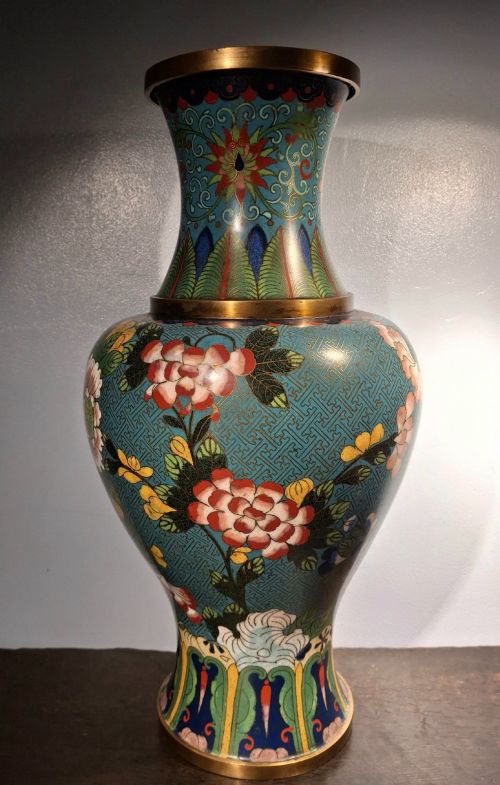
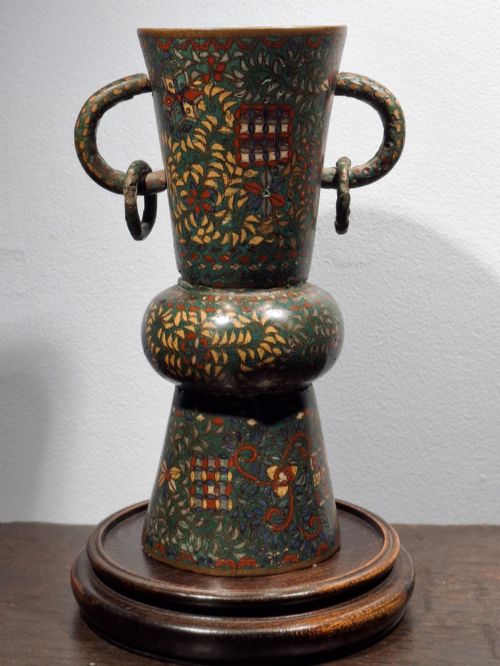
Specialised surface treatments include cloisonné wirework, red clay shaping, and sumida gawa glazes with modelled figures. Artisans also integrated gold leaf and silver wire to articulate intricate floral and figurative scenes.
Vintage Oriental Vase Retail Price Guide 2026
Typical asking prices for vintage oriental vase among the pieces listed under this phrase on Sellingantiques today, from the lower quarter to the upper quarter. They describe what is for sale here now, not the wider market.
What Varies in Quality
The standard of an antique piece depends on the precision of the hand-painted details and the crispness of the bronze or cloisonné wirework. Superior examples display harmonious proportions and careful finishing on both the primary surface and any interior or base markings.
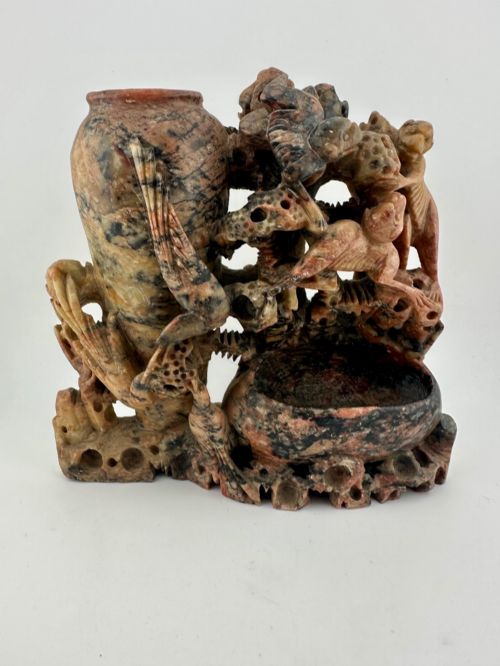
Items that retain their original form without extensive alteration hold distinct character, though professional conversion to table lamps remains a common historical treatment. The clarity of glazes and the depth of carved soapstone or mother-of-pearl elements further distinguish finer items from standard commercial wares.
The Vintage Oriental Vase Glossary
- Cloisonné
- Enamelling technique where metal wire is soldered to a base to form compartments filled with paste and fired. This method creates detailed patterns defined by thin metal outlines.
- Imari
- Style of Japanese porcelain decorated in underglaze blue and overglaze red, gold, and other colours. These wares were widely exported from the port of Arita.
- Satsuma
- Japanese earthenware pottery featuring a crackle glaze and elaborate polychrome and gilt enamel decoration. They often depict figures and dense floral motifs.
- Champlevé
- Enamelling method where troughs or cells are carved into a metal surface to hold enamel colours before firing. The technique produces robust decorative planes on bronze and brass objects.
- Brush Pot
- Cylindrical vessel traditionally used in East Asia to hold writing brushes on a scholar's desk. They are commonly carved from bamboo, wood, porcelain, or soapstone.
Vintage Oriental Vase: Frequently Asked Questions
How do I identify a Satsuma vase?
Satsuma wares typically display a characteristic ivory-coloured earthenware body covered in a fine network of crackled glaze. They are further distinguished by heavily applied enamel colours and raised gold decoration.
Many pieces feature figurative scenes depicting historical or mythical Japanese subjects. Their weight and warm ceramic tone set them apart from standard porcelain bodies.
What is the Meiji period?
The Meiji period spans the reign of the Emperor Meiji from 1868 to 1912, marking an era of major cultural and artistic output in Japan. Objects from this time often show exceptional technical mastery in metalwork and ceramics.
Export demand during these decades led to the creation of highly ornate cloisonné and imari pieces tailored for Western markets.
Can I use these vases as lamps?
Many of these vessels were converted into table lamps during the twentieth century to suit modern domestic interiors. Some historical pieces were adapted decades ago while retaining their original ceramic or bronze bodies.
Buyers should examine how the wiring was fitted and whether the conversion preserved the integrity of the main body.
What is a ginger jar?
Ginger jars are bulbous storage vessels traditionally used in China to transport spices and other commodities. Over time, they evolved into purely decorative items, frequently finished with a matching domed lid.
They often feature blue and white painted designs or polychrome enamels mirroring the style of larger floor vases.