


Antique Japanese Earthenware
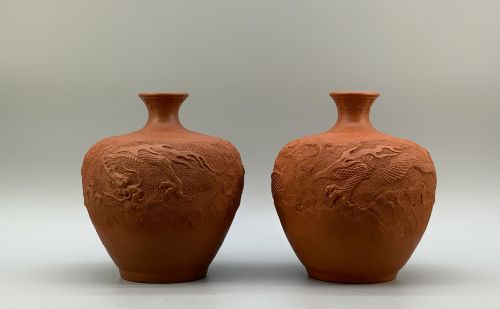
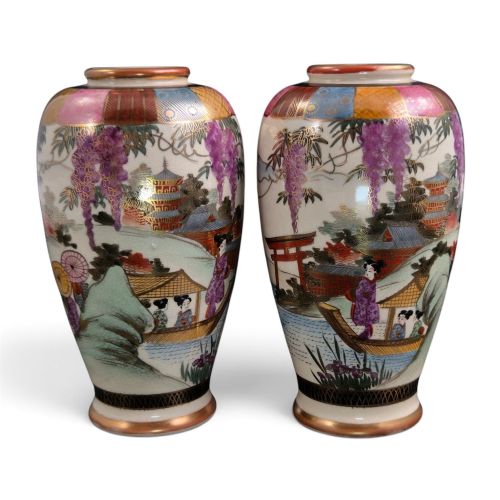
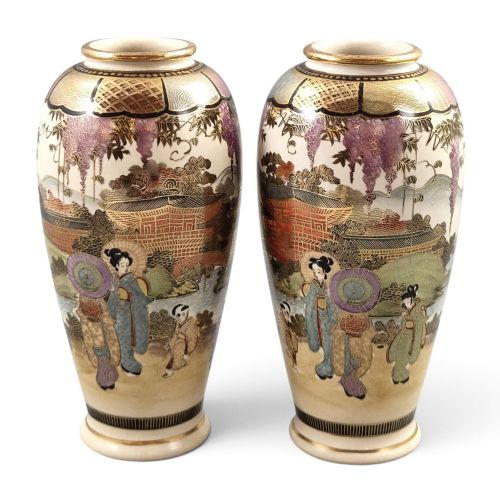
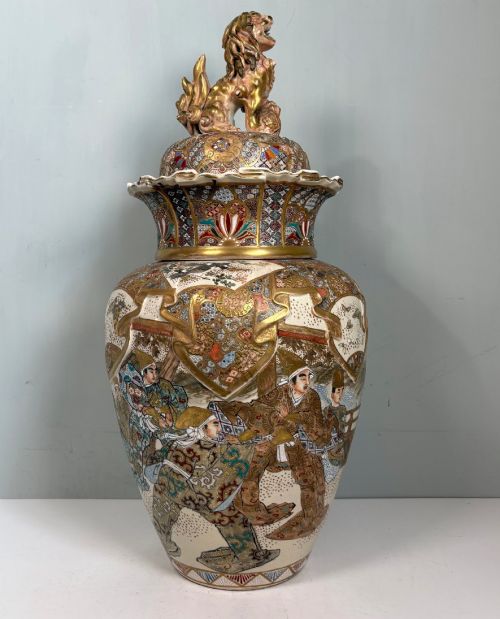
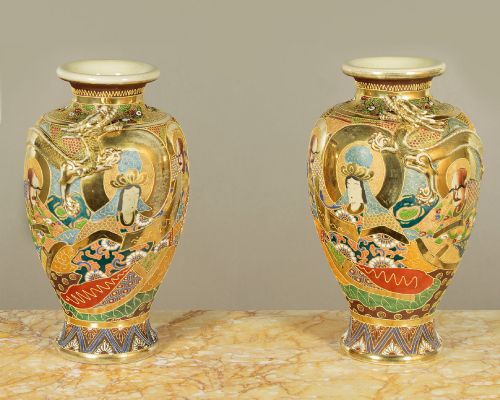
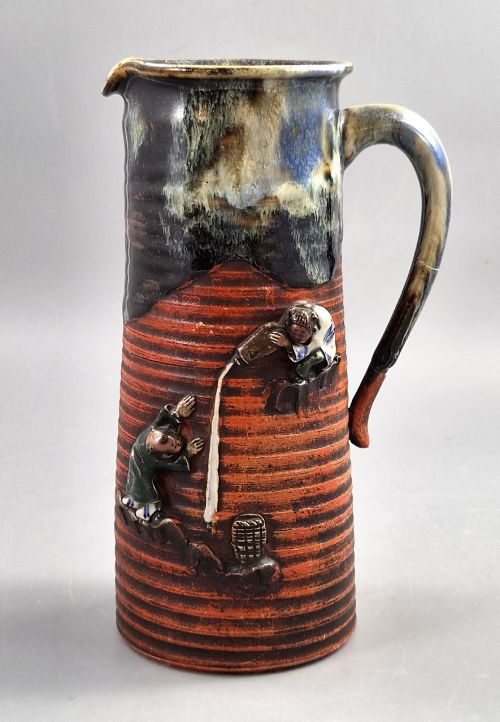
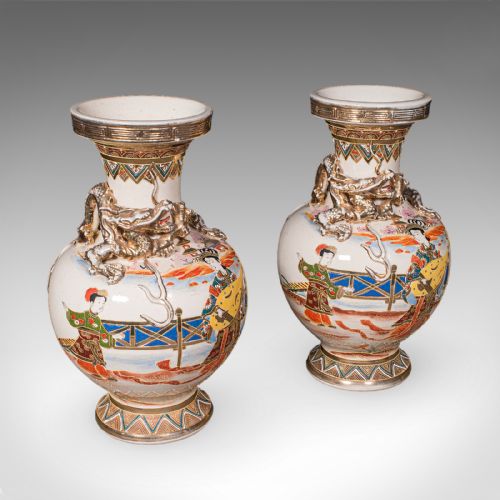
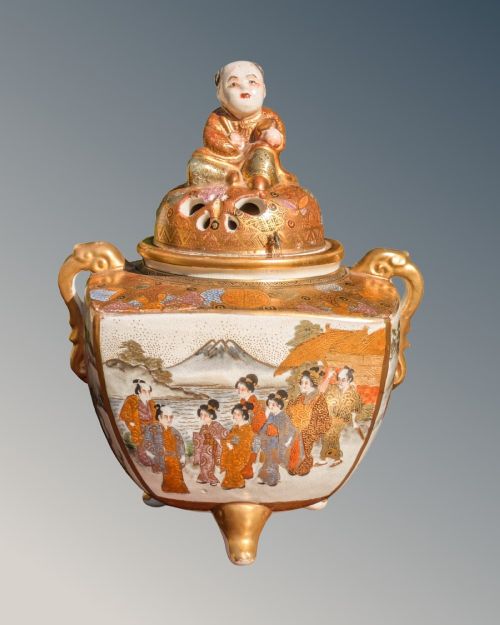
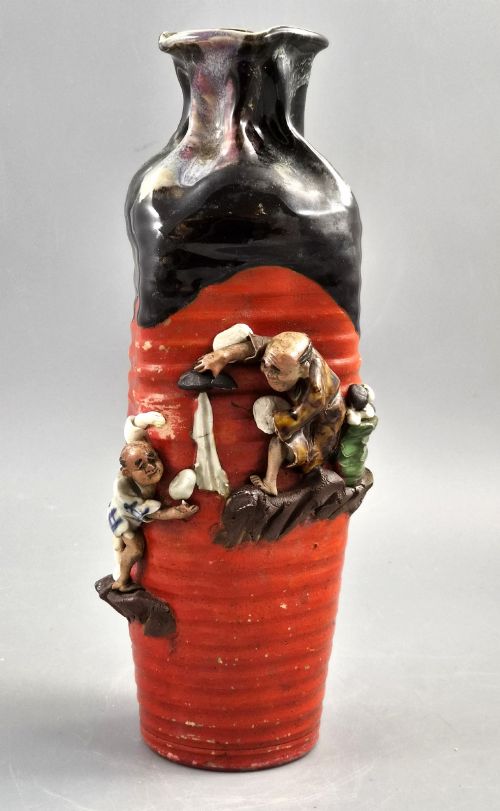
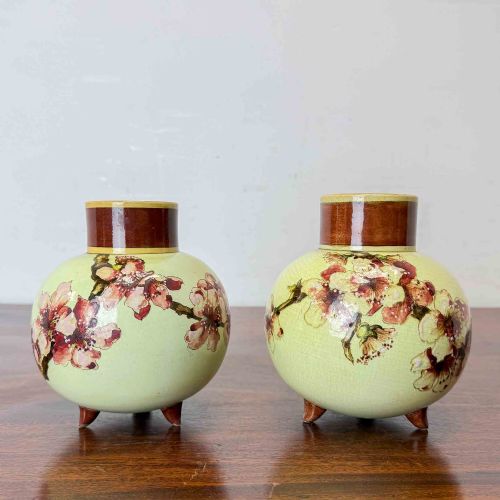
When you search antique japanese earthenware, you find Satsuma ware and slip earthenware vessels made to display intricate painted scenes and raised patterns.
What antique japanese earthenware is
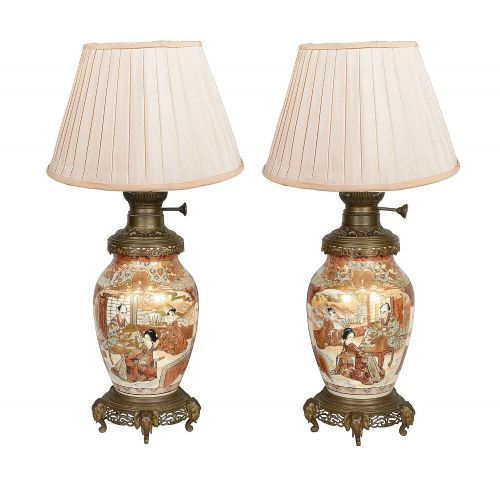
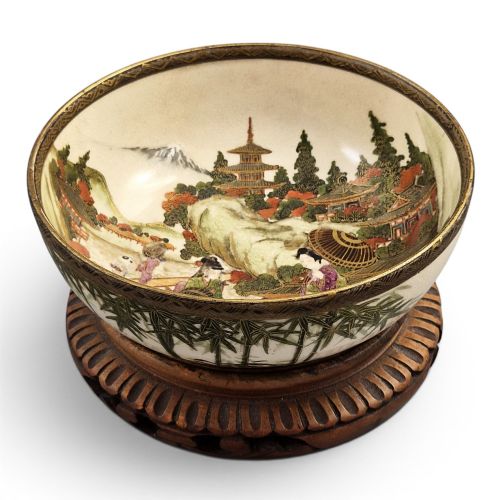
When you search antique japanese earthenware, you are looking at ceramic vessels including vases, decorative bowls, trinket boxes, and stick stands. These objects originate from the Meiji period and the early twentieth century.
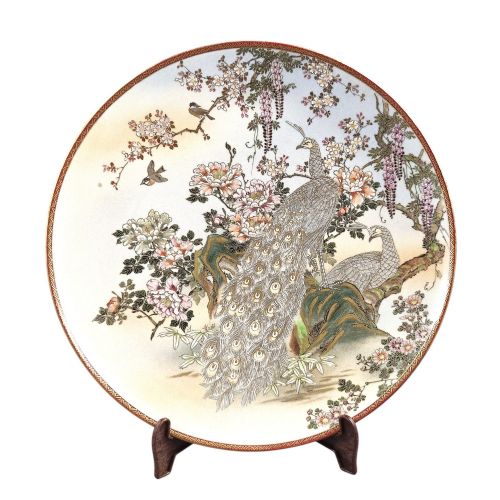
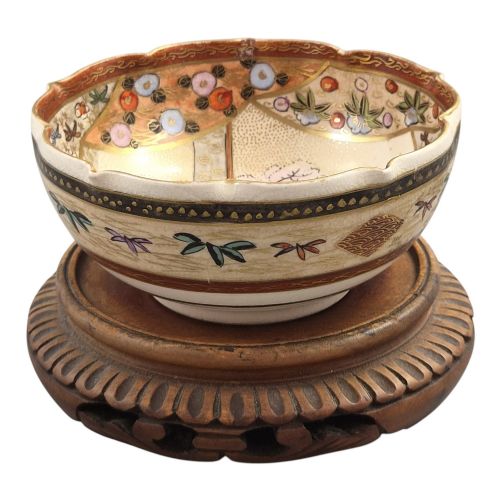
The pieces you will most commonly encounter on this page are Satsuma vases and bowls decorated with figures, floral motifs, and gold leaf. Moriage slip earthenware pieces also appear from the same eras.
How they were made
Potters shaped these objects from earthenware bodies before applying glazes and enamels. Artisans then added intricate details using gold leaf and gold gilt to highlight specific areas of the design.
Makers also utilised slip earthenware techniques to build up raised decorative surfaces on vessels such as stick stands and vases. Individual workshops employed specialists who signed their completed pieces.
Retail Price Guide 2026
Typical UK retail prices for japanese earthenware, calculated from the Sellingantiques database of over a million retail prices indexed since 2003. This retail price guide relies exclusively on Sellingantiques data; no external sources or auction records are used, so the figures do not describe the wider market.
Several pieces on this page depict the Seven Gods of Good Fortune, ensuring your sideboard has divine backup for prosperity.
What varies in quality
The standard of a piece depends heavily on the precision of the enamel painting and the delicacy of the gold leaf application. Fine examples display carefully rendered family scenes and gods rather than hurried brushwork.
The clarity of the maker's signature or workshop seal often indicates a higher level of craftsmanship. Pieces with well-preserved gilding and complex raised slip patterns stand apart from simpler utilitarian vessels.
Maruni Kobe·Toshozan·Chosei·Seiko-en Chokei·Choshuzan·Jissei·Kizan
The Antique Japanese Earthenware Glossary
- Satsuma
- A type of Japanese earthenware featuring a crackle glaze and ornate enamel decoration. It originated in Satsuma Province and became immensely popular during the Meiji period.
- Moriage
- A ceramic technique where slip is piped onto the surface of earthenware to create raised, textured patterns. This method adds a tactile dimension to vases and urns.
- Gilt
- A thin layer of gold applied to the surface of ceramics to accent painted scenes and rims. It provides a reflective contrast against matte enamel colours.
- Meiji Period
- The era in Japanese history spanning from eighteen sixty-eight to nineteen twelve. Objects from this period frequently combine traditional motifs with elaborate export styling.
Frequently Asked Questions
What is Satsuma ware?
Satsuma ware is a distinct style of Japanese earthenware characterised by its ivory-coloured body and fine crackle glaze. Artisans decorated these surfaces with detailed enamel paintings and gold highlights.
These ceramics were produced in various workshops across Japan, particularly for export markets during the Meiji period. They include items such as miniature vases, large decorative bowls, and lidded boxes.
How do I identify Meiji period pieces?
Meiji period pieces can often be identified through their distinct stylistic combination of traditional Japanese subjects and ornate export decoration. Makers frequently incorporated intricate floral scenes, deities, and extensive gilding.
Many of these ceramics bear painted or impressed signatures identifying the artist or the specific workshop. Comparing these marks against historical records helps confirm the production era.
How were these vessels used?
These earthenware objects were primarily created for display in domestic interiors rather than everyday practical use. Vases and decorative bowls showcased the technical skill of Japanese ceramicists to visitors.
Larger items like stick stands served a functional purpose in hallways while maintaining an ornamental appearance. Their elaborate scenes were intended to be admired up close.
What is moriage slip?
Moriage is a decorative technique where liquid clay slip is applied in dots or lines onto the unfired ceramic body. This creates a raised, three-dimensional texture across the surface of the vessel.
Once fired and glazed, these raised patterns provide a contrasting tactile element to the smooth enamel background. You will find this technique on vases and umbrella pots from the early twentieth century.