



Antique Japanese Box
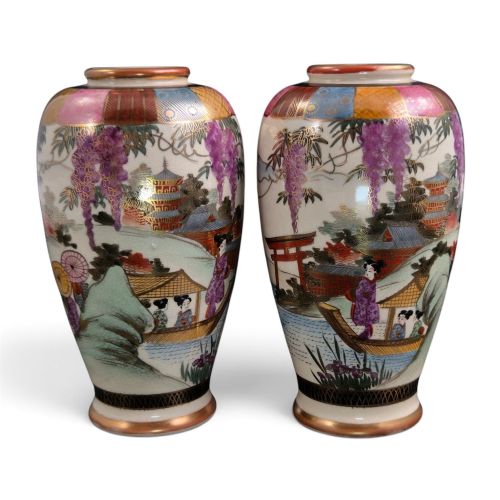
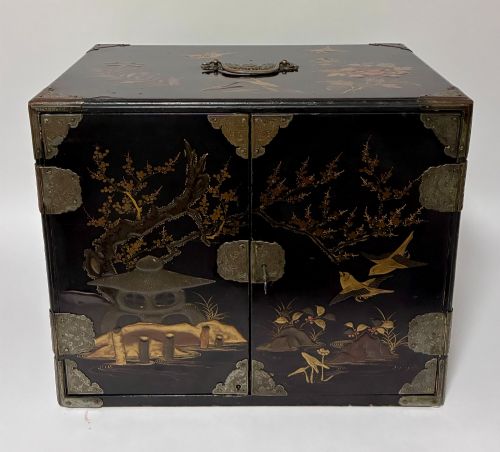
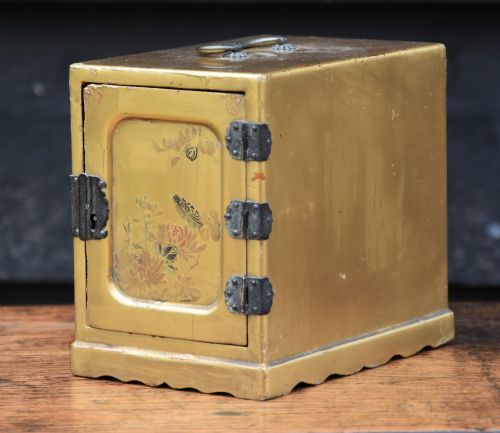
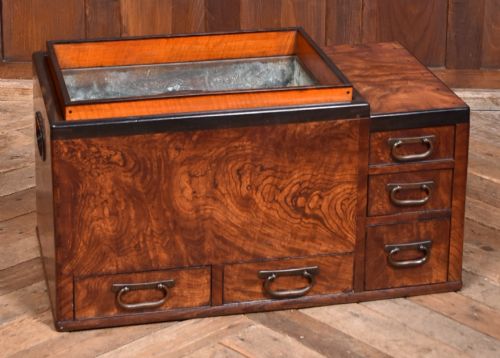
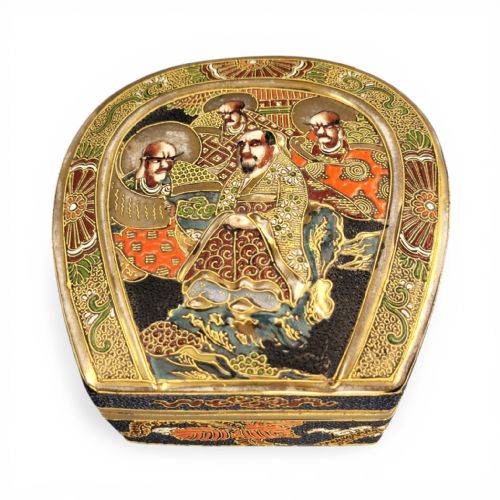
These antique japanese box items bring centuries of craftsmanship to your home, offering both practical storage and traditional artistry.
Understanding the selection
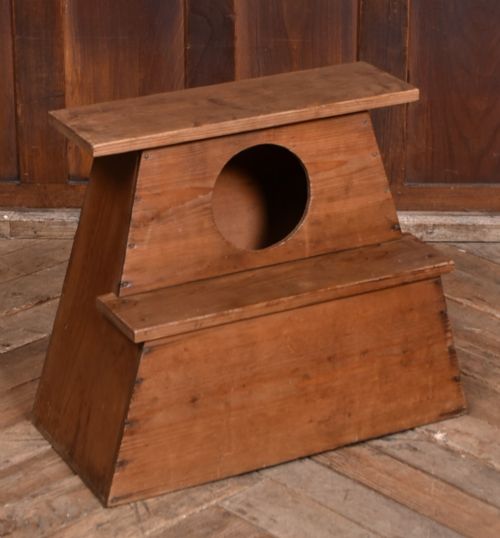
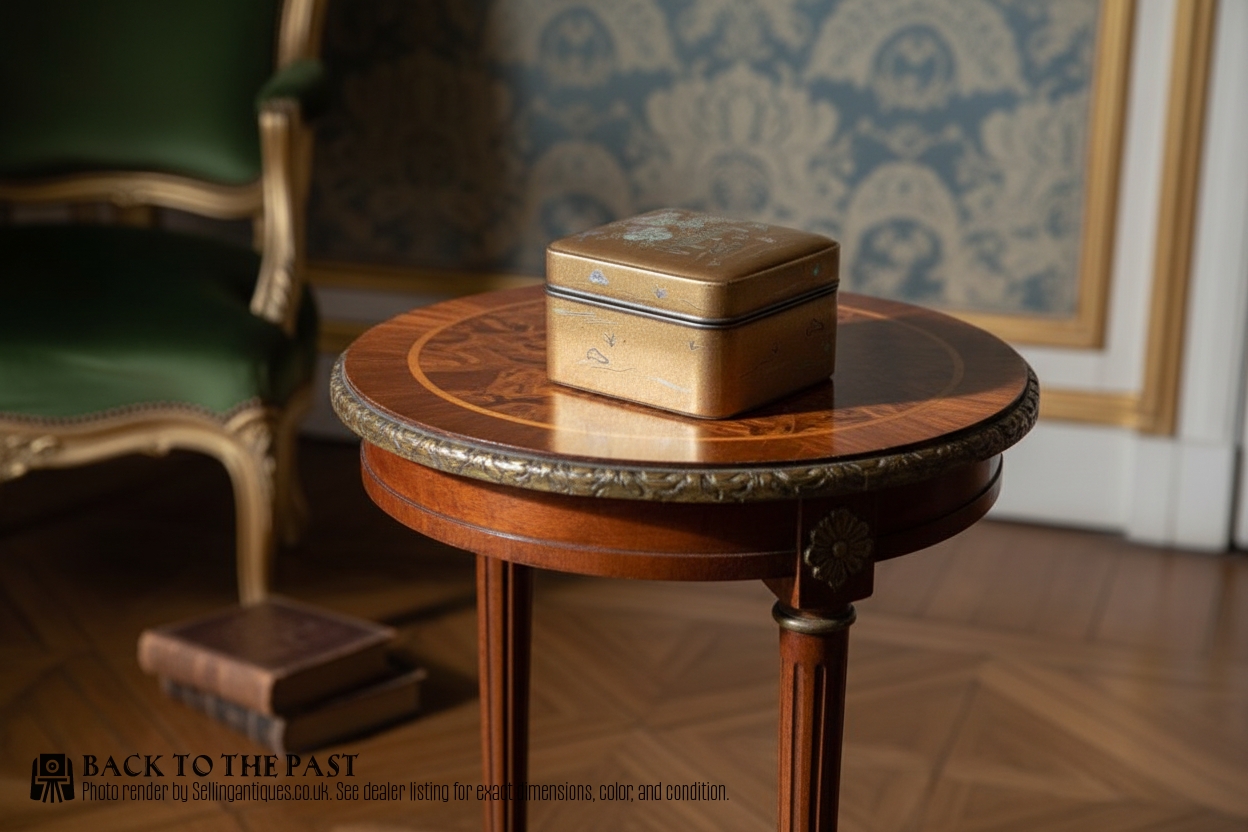
An antique japanese box encompasses various forms designed for holding jewellery, documents, money, or keepsakes.
The pieces appearing here span the nineteenth century, the Victorian era, and the Meiji period, reflecting traditional Japanese and mixed stylistic influences.
Assessing quality
Quality rests in the precision of the lacquer finish, the intricacy of metalwork details like takamaki-e or mixed metal inlay, and the structural integrity of the wood or metal body.
Pieces bearing signatures from known artists or workshops demonstrate a higher degree of specialised craftsmanship compared to unmarked commercial wares.
Retail Price Guide 2026
Typical UK retail prices for japanese box, calculated from the Sellingantiques database of over a million retail prices indexed since 2003. This retail price guide relies exclusively on Sellingantiques data; no external sources or auction records are used, so the figures do not describe the wider market.
Toshozan·Fujii Miho·Yamanaka
The Antique Japanese Box Glossary
- Meiji Period
- The era in Japanese history spanning from 1868 to 1912, associated with opening trade and refined decorative arts. Many surviving boxes date from this time.
- Lacquer
- A durable finish applied to wood surfaces in multiple layers, often decorated with gold leaf or painting. It provides a smooth, protective sheen.
- Cloisonné
- A technique where enamel is applied within wire compartments on a metal base. This creates distinct coloured patterns on boxes and vessels.
- Takamaki-e
- A Japanese lacquer technique where designs are raised above the background surface using core materials like packed lacquer or putty.
- Kobako
- A traditional small Japanese box used for incense or personal items. These pieces often feature meticulous exterior decoration.
Frequently Asked Questions
What were antique Japanese boxes used for?
These containers served multiple daily and ceremonial functions in households, holding documents, letters, money, cigars, and personal jewellery.
Specific forms like money boxes or letter boxes were tailored to hold particular items securely within the home.
How do I date an antique Japanese box?
Dating relies on stylistic markers associated with periods like the Meiji era or the nineteenth century, alongside material choices such as early plastics or traditional lacquer.
Documentation, signatures, and construction methods also help place an object within a specific decade.
Are these boxes fragile?
While materials like lacquer and cloisonné enamel require careful handling to avoid chipping, solid wood and metal boxes are generally sturdy.
Placing them away from direct sunlight and extreme humidity helps preserve delicate surface finishes.
How should I clean a lacquered wooden box?
Maintenance requires only a soft, dry cloth to remove dust without scratching the polished surface.
Harsh chemical cleaners or excessive moisture must be avoided to protect the underlying wood and lacquer layers.