




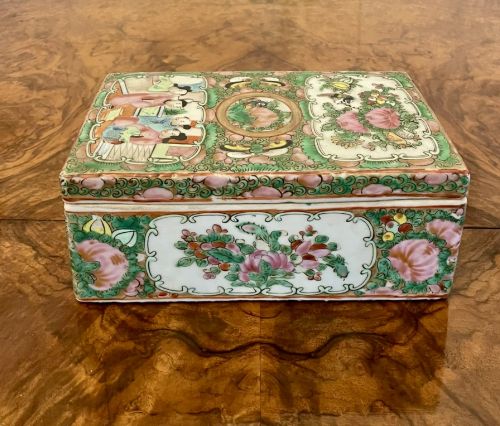
Polychrome Ceramic Box
A polychrome ceramic box brings bright, multi-coloured glaze and intricate hand-painting to a dressing table or desk.
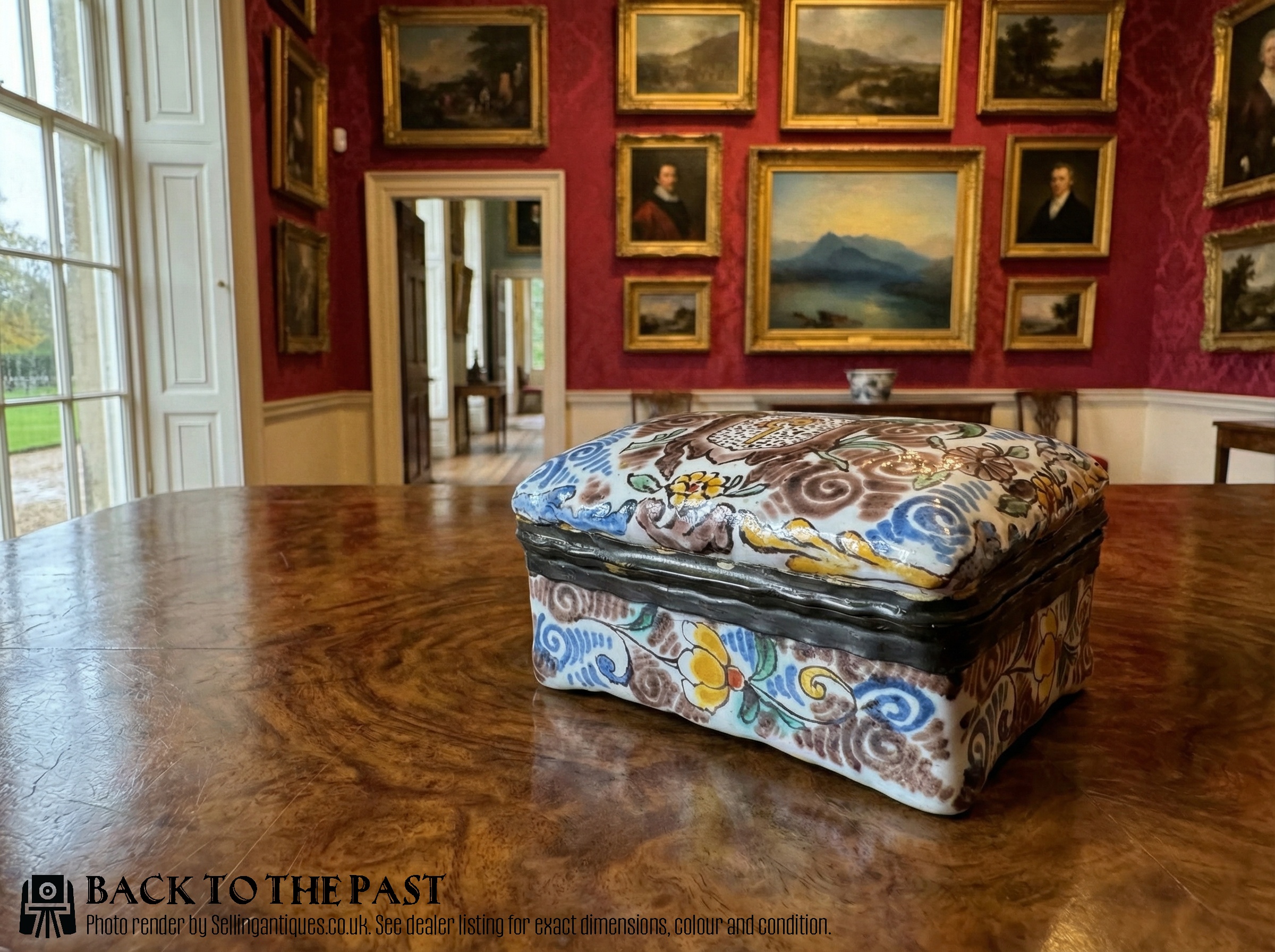
Polychrome Ceramic Box
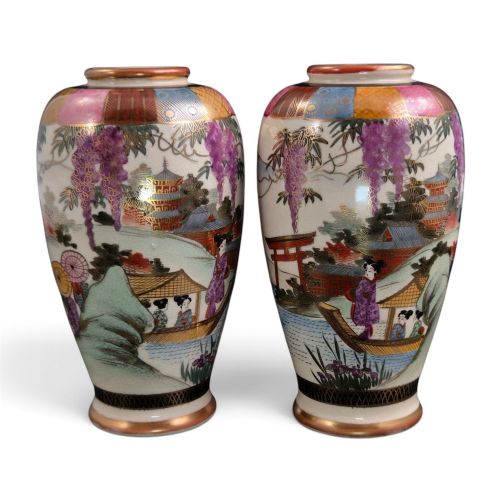
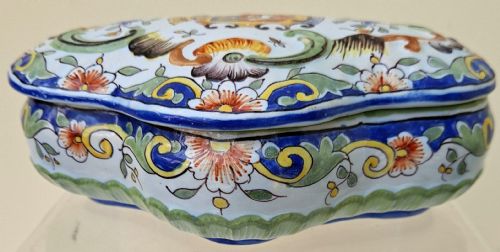
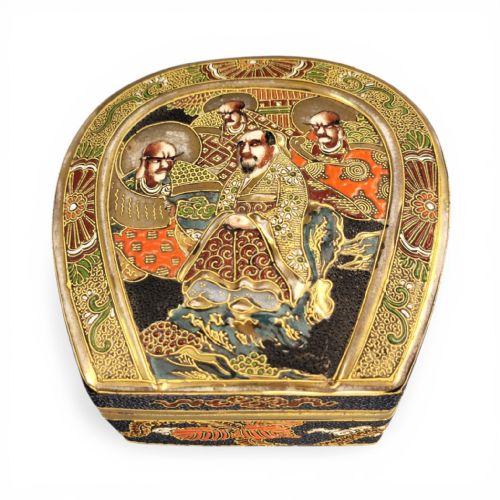
A polychrome ceramic box encompasses lidded pots, snuff boxes, trinket boxes, and large table caskets decorated in multiple colours. When searching for a polychrome ceramic box, buyers encounter examples spanning the seventeenth century through to the art deco period of nineteen thirty.
The selection ranges from European tin-glazed earthenwares and French faience to Japanese earthenware and Chinese porcelain. These small containers served practical purposes for holding snuff, patches, trinkets, or powder while doubling as decorative objects.
Continental traditions include Dutch Delft, German Dorotheenthal, and Italian Capodimonte porcelain, alongside English prattware. Asian contributions appear in the form of Japanese Satsuma and Chinese Famille Rose wares.
Materials and construction
Makers utilised earthenware, porcelain, and tin glaze as foundational materials for shaping these lidded boxes and caskets. Enamel colours and gilt detailing were applied over or under the glaze before firing.
Metal mounts in brass occasionally frame the ceramic bodies, particularly on larger table caskets and hinged boxes. Hand-painting remains the defining technique across diverse regional workshops and potteries.
Polychrome Ceramic Box Retail Price Guide 2026
Typical asking prices for polychrome ceramic box among the pieces listed under this phrase on Sellingantiques today, from the lower quarter to the upper quarter. They describe what is for sale here now, not the wider market.
Assessing quality and execution
Quality rests upon the precision of the hand-painted polychrome decoration and the clarity of the underlying glaze. Finer pieces display disciplined brushwork and well-defined floral, landscape, or figural scenes.
The sophistication of the ceramic body and the integration of metal mounts distinguish standard production items from superior works. Firing stability and the crispness of moulded details further separate the categories.
Toshozan
The Polychrome Ceramic Box Glossary
- Polychrome
- Decoration executed in multiple distinct colours. This technique defines the vibrant surface patterns seen across earthenware and porcelain vessels.
- Tin glaze
- An opaque white glaze containing tin oxide that provides a smooth surface for painted decoration. It is characteristic of faience, Delft, and majolica wares.
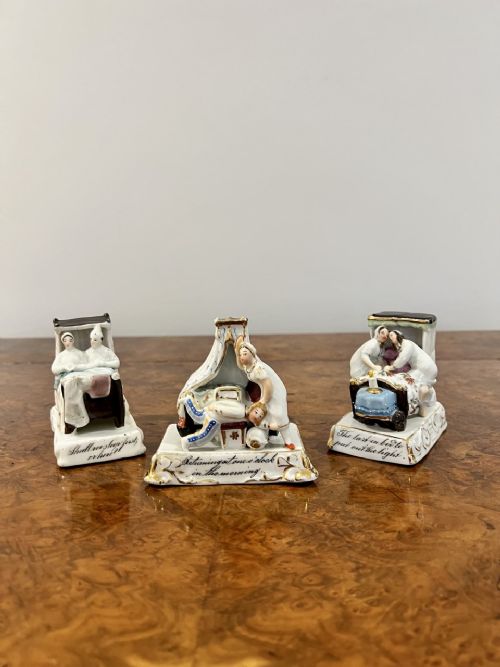
- Fairing
- A small, humorous ceramic figure or trinket box produced in the nineteenth century. These items were commonly given as prizes at annual fairs.
- Faience
- European tin-glazed earthenware, most notably produced in France and Italy. The term describes pottery featuring painted designs applied directly onto an opaque white glaze.
Polychrome Ceramic Box: Frequently Asked Questions
What were antique polychrome ceramic boxes used for?
These small vessels stored personal items such as snuff, powder, trinkets, and fabric face patches. Their decorative exteriors also allowed them to sit openly on dressing tables and desks as ornamental pieces.
Over time, many transitioned from functional containers to purely collectible display objects cherished for their painted designs.
How do I identify the period of a ceramic box?
Dating relies on stylistic clues, regional manufacturing traits, and the composition of the ceramic body or glaze. Seventeenth-century Dutch pieces differ substantially in palette and form from Edwardian or art deco examples.
Examining the base, the style of the hand-painted motifs, and any maker marks provides further chronological context.
Are these boxes made of porcelain or earthenware?
The evidence shows a mix of both materials depending on the origin and period. European items often utilise tin-glazed earthenware or Capodimonte porcelain, while Asian examples feature Satsuma earthenware and Famille Rose porcelain.
Each material dictates the weight, translucency, and surface texture of the individual box.
How should I care for a painted ceramic box?
Gentle dusting with a soft, dry cloth preserves the fragile enamel and gilt details on the surface. Avoid harsh cleaning agents or submerging pieces with metal mounts or delicate hinges in water.
Displaying them away from direct sunlight protects the vibrant polychrome pigments from fading.