



Antique French Ceramic Box
An antique French ceramic box brings continental elegance to a dressing table, offering a charming vessel for small treasures and trinkets.
Antique French Ceramic Box
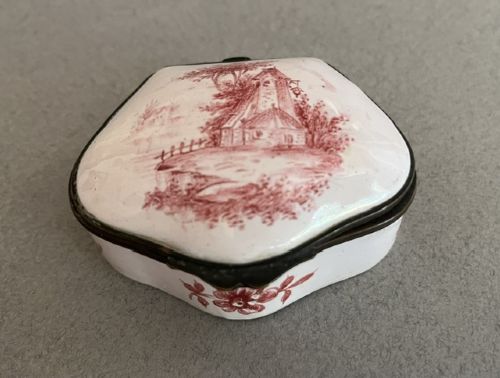
An antique French ceramic box encompasses small lidded vessels created for domestic use across the nineteenth and twentieth centuries. These objects range from nineteenth century trinket boxes and jewellery caskets to Art Deco powder boxes and bonbonniere bowls from the nineteen thirties.
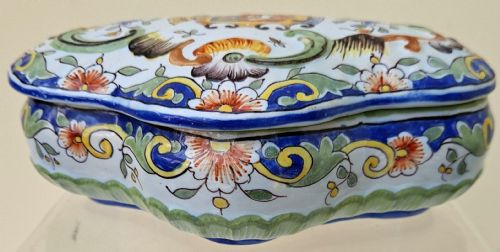
The pieces frequently originate from known ceramic centres such as Limoges, alongside regional faience production areas like Desvres and Rouen. Collectors encounter various forms, including round boxes with gilt detailing, lidded dishes on stands, and figural pieces featuring half dolls.
Nineteenth century examples often display styles like French Rococo Revival and Neoclassical Revival, while later twentieth century items lean towards clean Art Deco geometry. These lidded containers served practical functions on dressing tables and desks, holding cosmetics, jewellery, or sweets.
How they were made
Maker's workshops utilised materials such as porcelain, earthenware, and salt-glazed stoneware, shaping them into versatile lidded forms. Artisans applied tin glaze, enamel, and hand-painted blue pigments directly onto the ceramic surface before firing.
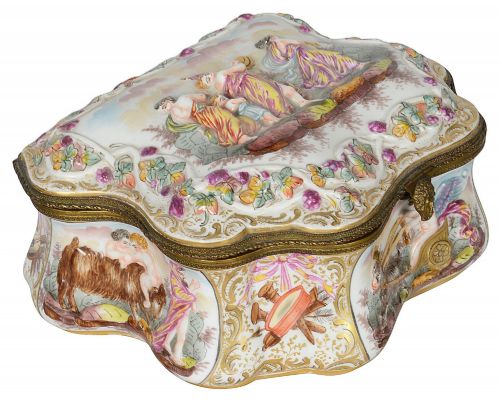
Metal mounts in gilt metal frequently provide structural hinges and rims for the porcelain and earthenware bodies. Many pieces incorporate intricate hand painting alongside moulded decorative detailing and gilt accents.
Antique French Ceramic Box Retail Price Guide 2026
Typical asking prices for french ceramic box among the pieces listed under this phrase on Sellingantiques today, from the lower quarter to the upper quarter. They describe what is for sale here now, not the wider market.
Some nineteenth century ladies needed a porcelain box just to house their half doll.
What varies in quality
The finesse of the hand-painted decoration largely distinguishes standard production from finer workshop output, particularly in the precision of floral motifs and figural work. The crispness of moulded details on porcelain and earthenware bodies also indicates the care taken during production.
The integration of gilt metal mounts with the ceramic body reveals the standard of craftsmanship, where tighter fittings and heavier gilding denote superior execution. Maker attribution, such as pieces originating from Limoges or Edme Samson, often corresponds to higher artistic execution.
Guichard Carriès·Edme Samson Of Paris
The Antique French Ceramic Box Glossary
- Bonbonniere
- A small decorative box or dish originally designed to hold sweets or bonbons. These lidded containers frequently appear in porcelain and ceramic from nineteenth century French makers.
- Faience
- Tin-glazed earthenware produced in France, often featuring hand-painted designs in blue and other colours. Centres like Desvres and Rouen are particularly noted for this tradition.
- Limoges
- A French city renowned for its porcelain manufacturing industry since the eighteenth century. Factories here produced numerous lidded boxes, powder bowls, and trinket caskets.
- Salt-glazed stoneware
- Pottery fired at high temperatures with common salt introduced to the kiln, creating a dense, vitreous body with a pitted texture resembling orange peel.
- Gilt metal
- Base metal treated with a thin layer of gold or gold-coloured wash. It frequently frames the edges and hinges of porcelain boxes.
Antique French Ceramic Box: Frequently Asked Questions
What were antique French ceramic boxes used for?
These vessels served practical domestic purposes on dressing tables, desks, and boudoirs. They held small personal items such as powder, jewellery, trinkets, and small sweets.
Their decorative nature also allowed them to function simply as ornamental objects within a room. Wealthy households utilised them to display refined taste and craftsmanship.
How do I date an antique French ceramic box?
Dating relies on observing stylistic markers, ceramic bodies, and manufacturing techniques. Nineteenth century pieces frequently display Rococo Revival or Neoclassical styles with hand-painted blue porcelain.
Pieces from the nineteen thirties typically exhibit distinct Art Deco geometries and bolder powder box forms. Maker marks and factory stamps underneath the base also provide precise chronological reference points.
Are all antique French ceramic boxes made of porcelain?
Not all pieces consist of porcelain; the materials vary across the listings. Workshops utilised earthenware, salt-glazed stoneware, and standard ceramic alongside fine porcelain bodies.
Glazes also differ, ranging from traditional tin glaze on regional faience to smooth enamel and salt glazing. Each material imparts a distinct weight and texture to the lidded vessel.
Where were these ceramic boxes manufactured?
Production centred in specific regions of France known for ceramic and porcelain industries. Limoges remains one of the most prominent origins for fine lidded dishes and powder bowls.
Other pieces originated from regional faience centres such as Desvres and Rouen, or from specialised Parisian workshops like that of Edme Samson.
How do I care for an antique ceramic box?
Care requires gentle handling, particularly around delicate gilt metal mounts, hinges, and hand-painted surfaces. Dusting with a soft, dry cloth prevents the accumulation of dirt in recessed decorative areas.
Keeping the pieces away from direct sunlight and moisture protects both the ceramic body and any applied enamel or gilding. Avoid using chemical cleaners on the glazed or painted surfaces.