





Antique Ceramic Trinket Box
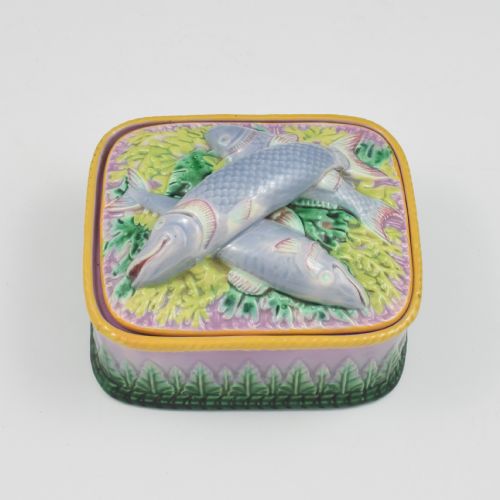
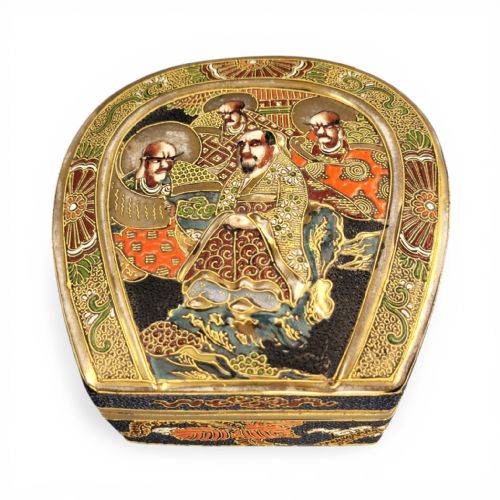
An antique ceramic trinket box is a small lidded receptacle for personal treasures, bringing period hand-painted detail and glaze work to a dressing table.
Antique Ceramic Trinket Box
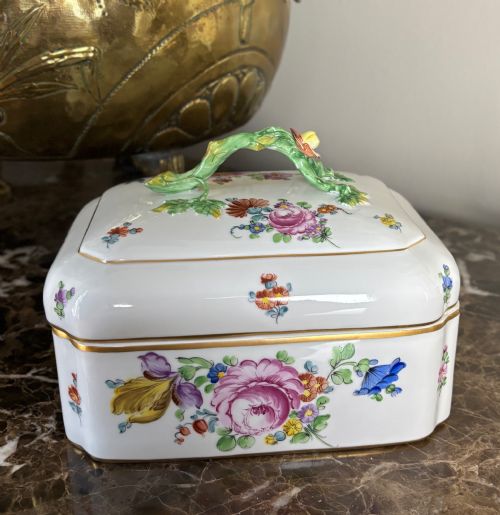
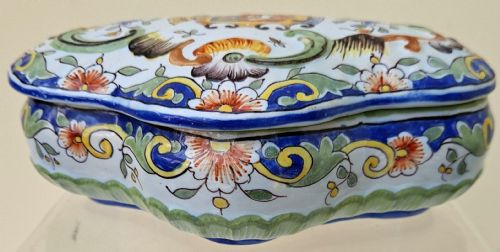
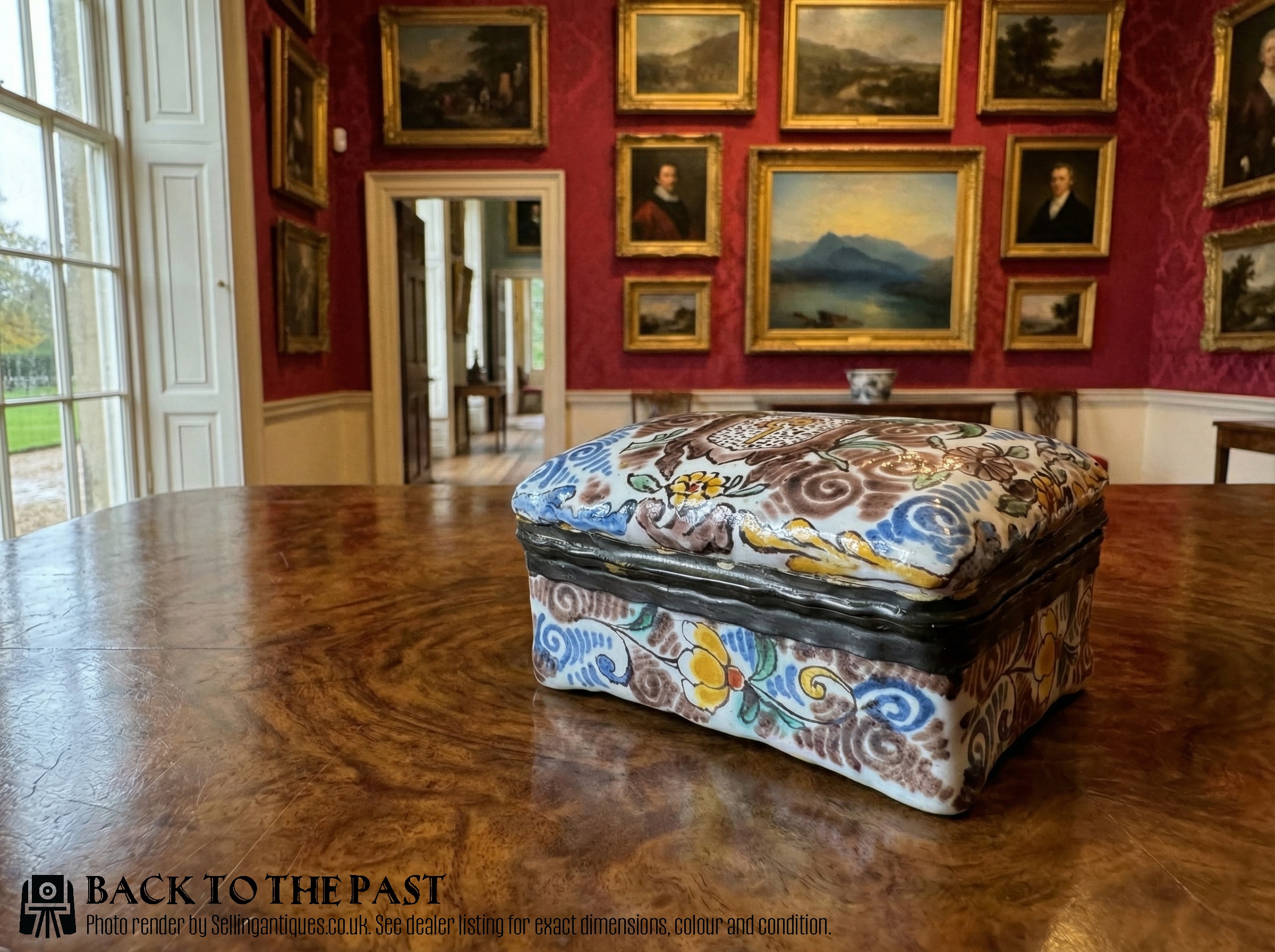
An antique ceramic trinket box serves as a portable container for rings, pins, and small keepsakes, appearing across many decorative styles. Buyers encounter pieces ranging from Victorian floral designs to French faience containers and German porcelain vessels.
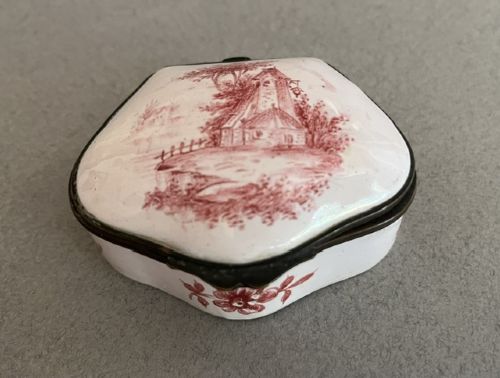
The selection includes specific forms such as powder boxes, patch boxes, and bonbonnières from the nineteenth and early twentieth centuries. Art Deco iterations from the nineteen-thirties often incorporate figural motifs like flapper girls or jesters.
European factories and Japanese kilns both contributed to this category, utilising distinct glazing and painting traditions. These lidded vessels reflect the domestic habits and dressing table customs of past eras.
Materials and Construction
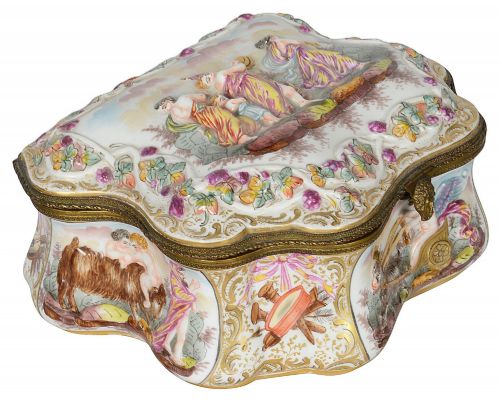
Potters shaped these boxes from earthenware, porcelain, and stoneware, applying coloured glazes and enamel painting to the surfaces. Many examples integrate gilt detailing or gold leaf to highlight moulded relief patterns.
Makers often combined ceramic bodies with brass mounts or enamel panels, particularly on patch boxes and caskets. Hand-painted decoration required precise brushwork before a final kiln firing fixed the pigments.
Antique Ceramic Trinket Box Retail Price Guide 2026
Typical asking prices for ceramic trinket box among the pieces listed under this phrase on Sellingantiques today, from the lower quarter to the upper quarter. They describe what is for sale here now, not the wider market.
Listings feature porcelain, earthenware, and enamel pieces spanning the Victorian era through to nineteen-thirty Art Deco designs.
Distinctions in Quality
Quality rests upon the crispness of the moulding and the skill evident in the hand-painted brushwork. Finer boxes display balanced compositions and well-executed glaze colours rather than hasty decoration.
The precision of the lid fit and the retention of original gilt detailing distinguish superior examples from standard production pieces. Maker marks on the underside also indicate the standing of the original pottery.
Edme Samson Of Paris·Toshozan
The Antique Ceramic Trinket Box Glossary
- Bonbonniere
- A small ornamental box originally designed for holding sweets or confectionary. These lidded vessels later served wider vanity and trinket storage functions.
- Patch Box
- A tiny container used in earlier centuries for holding cosmetic fabric patches. Ladies applied these small silk or velvet shapes to the face to conceal blemishes.
- Faience
- Tin-glazed earthenware produced in various European traditions, notably in France. This technique provides an opaque white ground for painted designs.
- Jasper Dip
- A fine stoneware developed by Josiah Wedgwood, characterised by a coloured clay body contrasted with white relief figures. This technique created distinct neoclassical motifs on small boxes.
Antique Ceramic Trinket Box: Frequently Asked Questions
What were antique ceramic trinket boxes used for?
These small vessels held personal items such as rings, pins, patches, and small cosmetic powders on dressing tables. Their varied sizes accommodated different daily vanity accessories.
Over time, owners also utilised them on desks for keeping stamps or small keepsakes secure beneath fitted lids.
How do I identify an Art Deco powder box?
Art Deco pieces from the nineteen-thirties often feature stylised figures like flapper girls, pierrots, or jesters moulded directly onto the lids. The ceramic bodies typically display bold geometric patterns or simplified forms characteristic of the period.
Colours in these twentieth-century boxes tend to be flat and clean, diverging from the elaborate floral scrolls of earlier Victorian examples.
Are marks important on porcelain boxes?
Maker marks on the base help identify the factory of origin, ranging from European houses like Meissen and Limoges to Japanese export kilns. These stamps provide a direct link to the workshop and production era.
Unmarked pieces still rely on stylistic evidence, glaze characteristics, and paste composition to determine their age and geographical origin.
How should I clean my antique ceramic box?
Gentle dusting with a soft, dry brush removes surface particles without risking fragile gilt highlights or enamel paint. Moisture can damage exposed clay bodies or old repairs, so water should be avoided.
Displaying the box away from direct sunlight preserves the vibrancy of the hand-painted glazes over time.