


French Tin Glazed Earthenware
French tin glazed earthenware brings together centuries of painted ceramic vessels and plates carrying provincial character and storied regional designs.
French Tin Glazed Earthenware
French tin glazed earthenware encompasses a diverse selection of ceramic objects shaped for decorative and domestic use across multiple centuries. When exploring french tin glazed earthenware, buyers encounter everything from utilitarian tableware to ornamental vases and chargers.
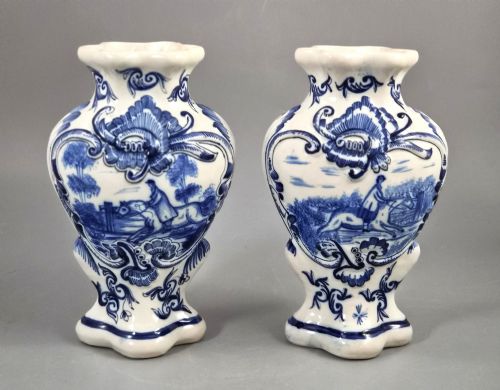
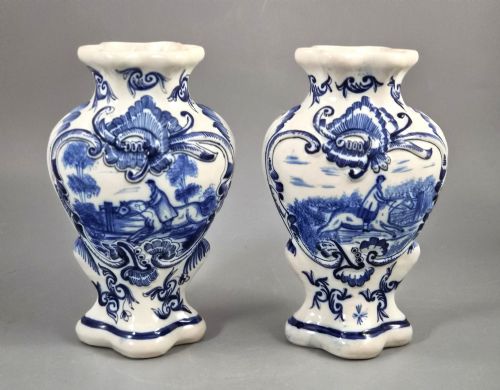
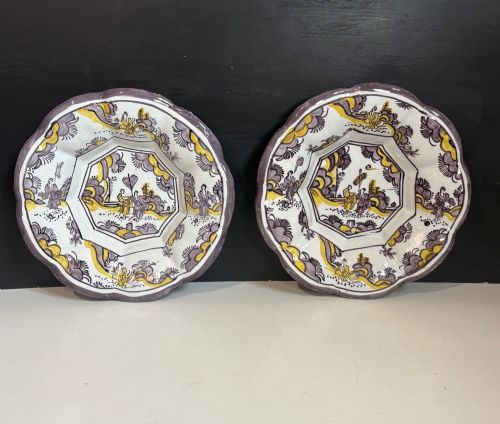
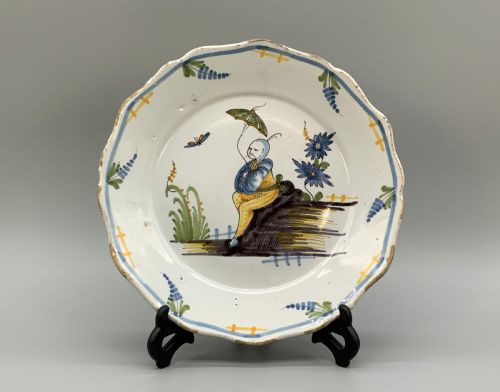
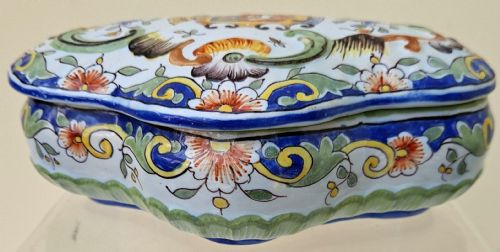
The material surface provides a characteristic opaque white ground that accepts hand-painted pigments readily. This base allows workshops to apply intricate blue and white patterns, manganese details, and vibrant polychrome scenes.
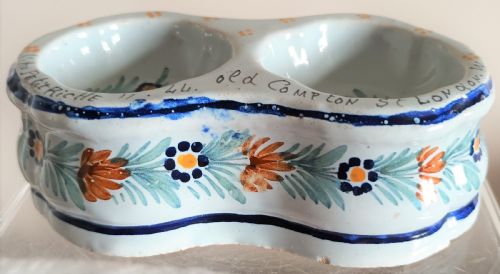
Surviving examples span domestic dishes, sauceboats, salt cellars, and large display urns. Eighteenth-century productions share space with nineteenth-century revivals and later provincial outputs from regional centres.
How they were made
Potters form these objects from local clays before applying an opaque tin-oxide glaze that creates the signature white background. Artisans then paint directly onto this absorbent surface using mineral pigments, including cobalt blue and manganese, before a final firing seals the decoration.
Certain pieces incorporate metal mounts in brass to secure lids or reinforce structural elements. Hand-painted brushwork defines the surface details, ensuring that individual jars, plaques, and vases carry distinct variations in execution.
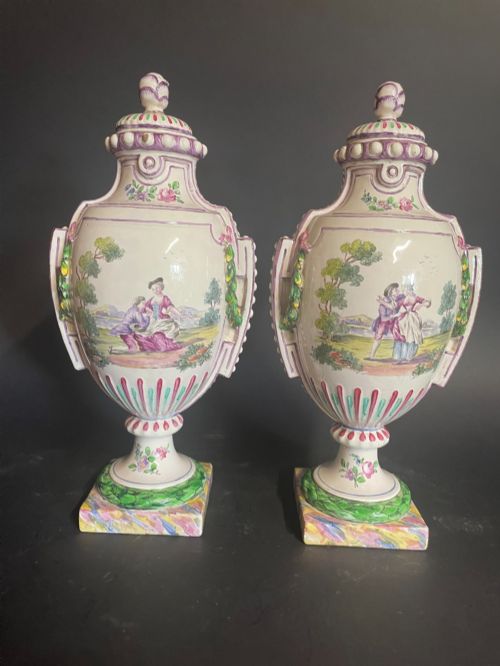
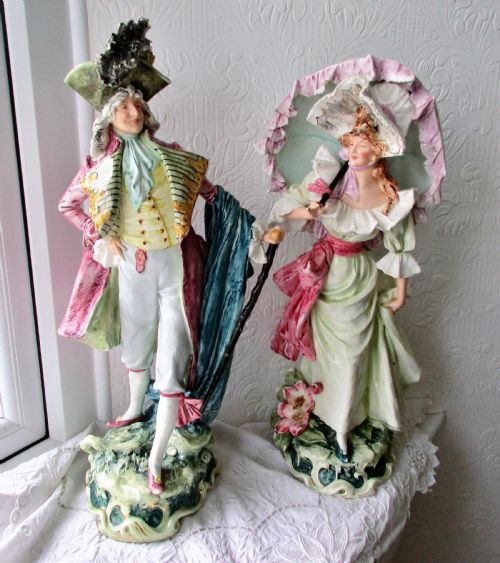
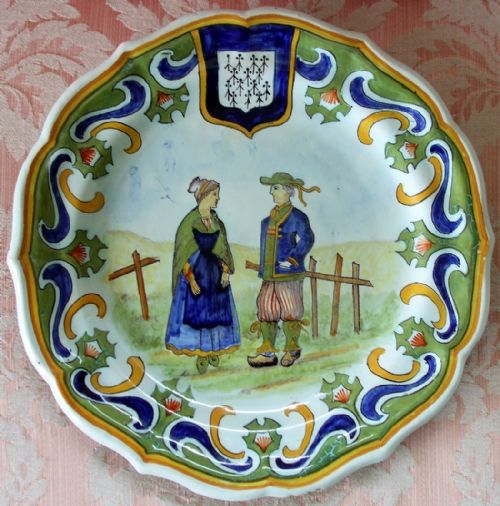
A gallant and his lady stand frozen in glazed ceramic, forever posing together on a nineteenth-century mantelpiece.
What varies in quality
Quality rests primarily in the crispness of the hand-painted decoration and the fluidity of the brushwork across the glazed surface. Early eighteenth-century items often exhibit sharper cobalt definition and more restrained compositions than later revival pieces.
The smoothness of the tin glaze and the stability of the earthenware body dictate the structural integrity of each vessel. Pieces displaying deliberate control in polychrome enamel application or complex Chinoiserie and mythological motifs stand apart from simpler provincial output.
Fourmaintraux-Courquin·Sceaux·HB Quimper·Gien·Veuve Perrin
The French Tin Glazed Earthenware Glossary
- Faience
- Tin-glazed earthenware produced in France, known for its opaque white glaze and hand-painted decoration. This term applies to both regional tableware and decorative display items.
- Tin glaze
- An earthenware glaze rendered opaque by the addition of tin oxide, creating a white surface suitable for painting. It forms the essential base for traditional ceramic decoration.
- Charger
- A large decorative plate intended for display rather than standard dining use. These items frequently feature elaborate painted scenes or armorial motifs.
- Camaieu
- A monochrome style of painting utilising varying shades of a single colour, such as blue or puce. It creates depth through tonal gradation rather than multi-coloured palettes.
- Vide-poche
- A small tray or bowl designed to hold loose items emptied from pockets. These dishes appear frequently in nineteenth-century ceramic production.
French Tin Glazed Earthenware: Frequently Asked Questions
How do I date these pieces?
Dating relies on stylistic markers, glaze characteristics, and workshop marks painted on the underside. Eighteenth-century examples typically show softer paste bodies and distinct palette choices compared to later nineteenth-century revivals.
Examining the foot rim and the composition of the tin glaze offers further clues to the period of manufacture. Workshops often altered their marks over generations, helping to narrow down the decade.
Were these items used daily?
Many objects served practical functions in domestic and apothecary settings, including sauceboats, salt cellars, and pharmaceutical jars. Others, such as chargers and ornamental vases, existed purely for interior decoration.
Standard tableware endured regular handling, while specialised display pieces remained safely on furniture or sideboards.
How should I clean them?
Cleaning requires gentle dusting with a soft, dry cloth to protect the historic glaze surface. Submersing fragile earthenware in water can risk moisture penetrating old body cracks.
Harsh chemical cleaners must be avoided entirely to preserve the integrity of the painted tin glaze.
What defines regional styles?
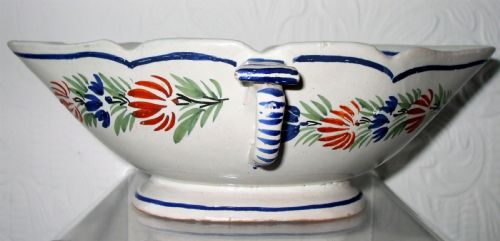
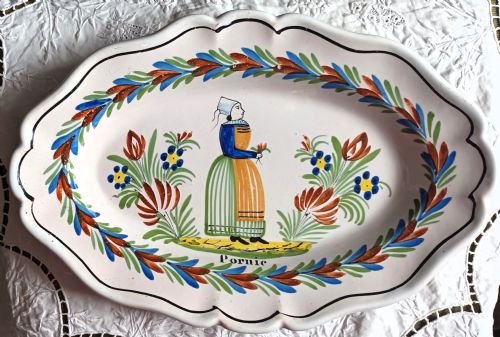
Different towns developed distinct visual vocabularies, such as Quimper with its peasant figures or Desvres with its revival of earlier decorative traditions. These local variations reflect the specific materials and artistic influences available to regional potters.
Recognising these traits helps collectors attribute unmarked vessels to specific French pottery centres.