


Antique French Pottery Dish
An antique french pottery dish brings centuries of European regional craftsmanship directly to your table, offering hand-painted character that mass production simply cannot match.
Antique French Pottery Dish
When you search for an antique french pottery dish, you encounter a diverse selection of utilitarian and decorative objects spanning the eighteenth to the twentieth centuries. The inventory ranges from rustic provincial tablewares to refined regional showpieces created across various French potteries and workshops.
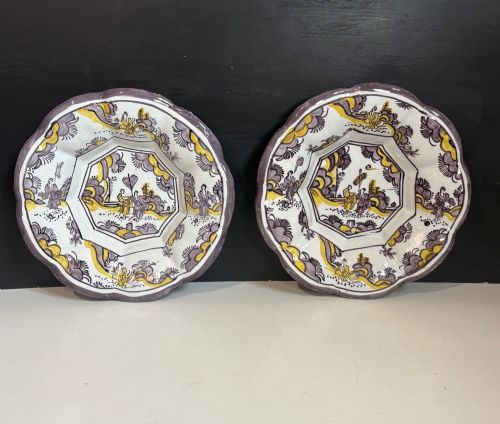
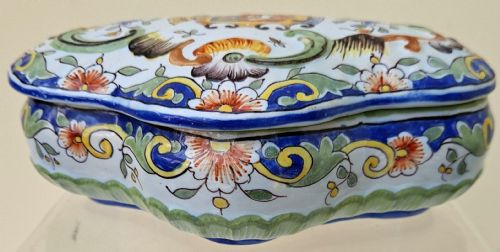
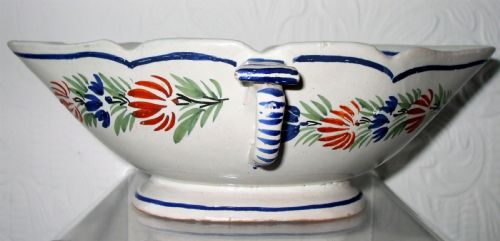
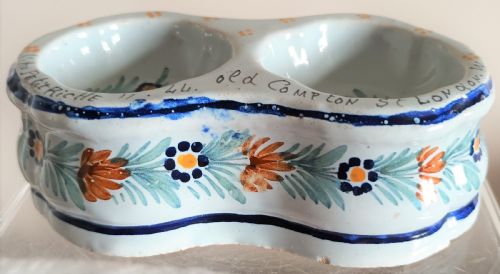
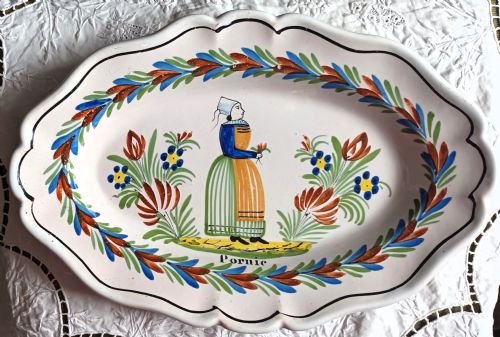
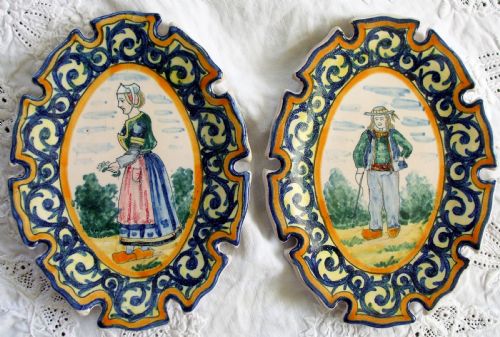
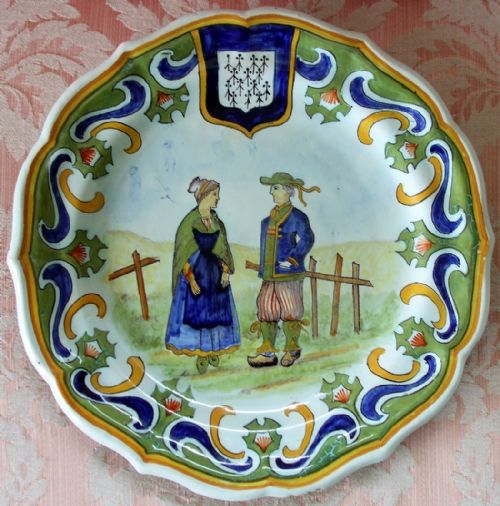
You are most likely to meet nineteenth-century earthenware and tin-glazed faience items, including decorative plates, sauceboats, pin trays, and serving dishes. Pieces exhibiting French country and regional styles dominate the selection, often featuring traditional blue and white decoration or hand-painted motifs.
How they were made
These items rely principally on earthenware and ceramic bodies coated in tin glaze or standard glaze to provide a smooth surface for painting. Artisans shaped the clay before applying intricate hand-painted designs characteristic of traditional French faience and majolica techniques.
Firing techniques varied according to the period, with eighteenth-century examples and later revival pieces utilising traditional kiln methods. The combination of porous earthenware and opaque tin glazing created the distinct canvas necessary for the detailed regional artwork seen on the dishes.
Materials documented across the inventory include earthenware, ceramic, tin glaze, faience, and standard glaze.
What varies in quality
The sophistication of the hand-painted brushwork dictates the visual success of each piece, distinguishing hurried factory output from careful artisanal execution. Superior examples display precise control in their hand-painted details, particularly within complex regional scenes or floral motifs.
The clarity and depth of the glaze influence overall desirability, as well-preserved tin glaze provides a luminous finish that enhances the underlying ceramic body. Additionally, the crispness of moulded forms in sauceboats, salt cellars, and covered boxes separates standard production from finer work.
HB Quimper·HR Quimper·Limoges·Gien·Desvres·Lille·Rouen
The Antique French Pottery Dish Glossary
- Faience
- Tin-glazed earthenware produced in France, typically featuring hand-painted decoration over an opaque white glaze.
- Tin Glaze
- An enamel glaze containing tin oxide that turns opaque white during firing, providing a smooth background for painted pigments.
- Sauceboat
- A vessel designed for holding and serving sauces, often featuring an elongated body and attached handles or stands.
- Vide-Poche
- A small shallow dish or tray used as an empty-pocket dish for holding small personal items like coins or pins.
- Sweetmeat Presentier
- A specialised raised dish or stand used historically for serving sweetmeats, confections, or dry sweet treats.
Antique French Pottery Dish: Frequently Asked Questions
Can I use these dishes for serving food?
Most antique faience and earthenware pieces are intended primarily for display or light decorative use. Older tin-glazed surfaces can be sensitive to acidic foods and moisture.
Keep utility limited to dry items or decorative presentation to preserve the historic glaze and hand-painted pigments. Modern food safety standards may also apply to nineteenth-century and earlier glazes.
How do I distinguish eighteenth-century pieces from later revivals?
Examine the weight, body paste, and characteristics of the tin glaze under magnification. Eighteenth-century pieces often display specific potting quirks and pigment formulations distinct from later revival periods.
Consult the recorded styles, maker marks, and regional characteristics associated with documented pieces. Comparative study of known kiln output helps clarify the timeline.
What is the difference between faience and majolica?
Faience generally refers to French tin-glazed earthenware decorated with hand-painted colours over an opaque white enamel. Majolica typically denotes nineteenth-century pottery utilising coloured lead glazes applied directly to a fired clay body.
Both techniques produced rich decorative wares in France, though their chemical compositions and visual textures differ significantly. The listings include examples of both traditions.